

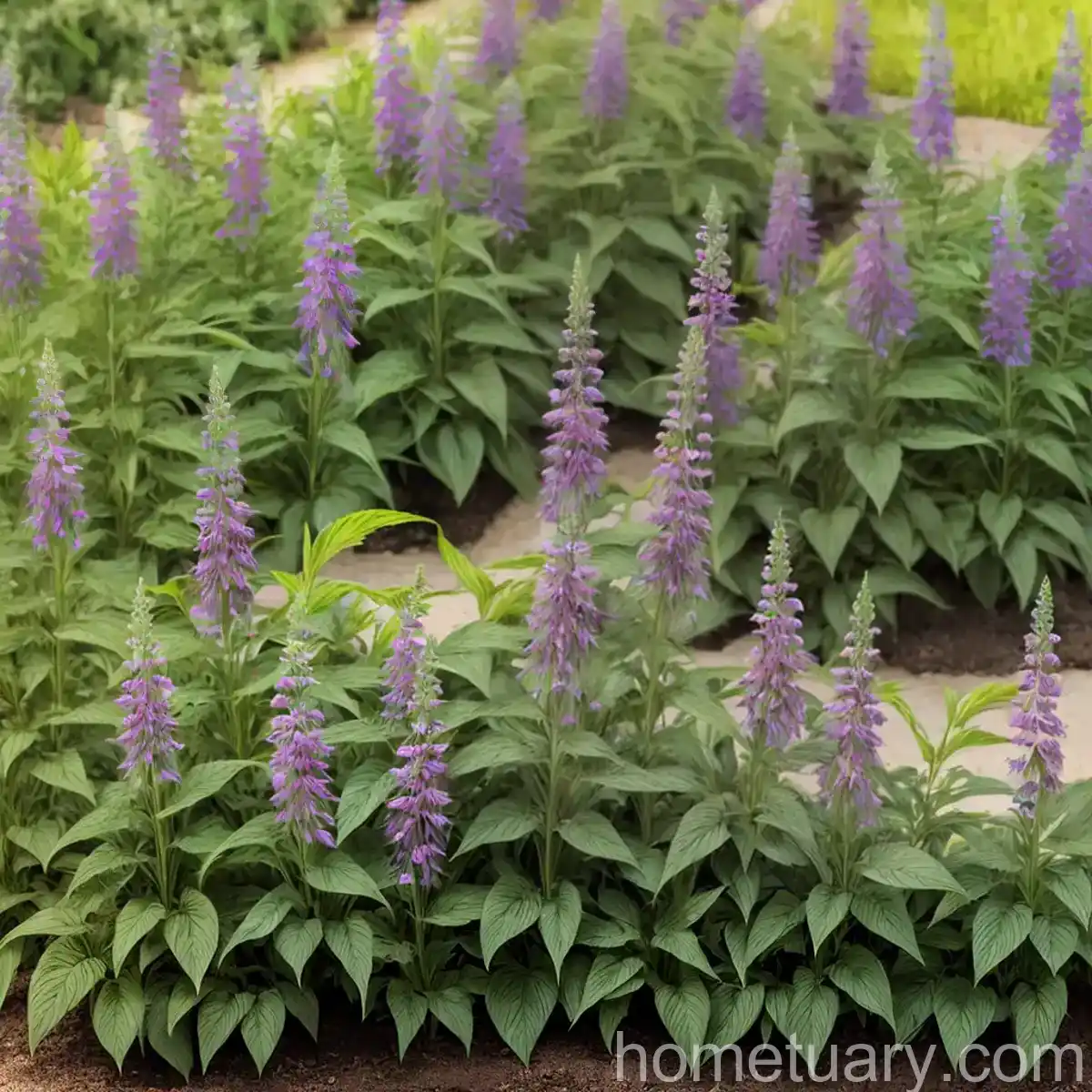
Culver’s Root (Veronicastrum virginicum ‘Fascination’)
Culver’s root, scientifically known as Veronicastrum virginicum ‘Fascination’, is a striking perennial plant that has gained popularity as a garden favorite for its elegant spires of flowers and its ecological importance. This plant is not only a visually appealing addition to garden landscapes, but also provides essential support for pollinators and wildlife. In this comprehensive guide, we will explore the culture, uses, care tips, propagation methods, common diseases, pests, and interesting facts about Culver’s root.
What is Culver’s Root?
Culver’s root, a member of the Plantaginaceae family, is a herbaceous perennial native to North America. Its botanical name, Veronicastrum virginicum, reflects its classification within the Veronicastrum genus. The ‘Fascination’ variety is particularly renowned for its captivating pinkish-lavender flower spikes that emerge from mid to late summer, adding height and delicate beauty to garden landscapes.
Key Takeaways – Culver’s Root (Veronicastrum virginicum ‘Fascination’)
Here are some key takeaways about Culver’s root to keep in mind as we delve into its cultivation and care:
- Plant Name: Culver’s root (Veronicastrum virginicum ‘Fascination’)
- Common Name: Culver’s root
- Family: Plantaginaceae
- Variety: ‘Fascination’
- Native Range: North America
Now, let’s explore the specific aspects related to the culture, uses, and care of Culver’s root in greater detail.
Culture
Understanding the cultural requirements of Culver’s root is essential for successfully integrating it into garden landscapes. From its water and sunlight needs to the ideal soil conditions, each aspect contributes to the plant’s overall health and vigor.
Water
Culver’s root thrives in moist to slightly wet soil conditions. It is crucial to ensure adequate watering, especially during the establishment phase and periods of drought. While the plant shows a preference for consistently moist soil, it is important to avoid waterlogged conditions, which can adversely affect its root health.
Sunlight
When planning the placement of Culver’s root in a garden setting, it is essential to consider its sunlight requirements. This plant performs best in full to partial sun, receiving at least 6 hours of direct sunlight per day. While it can tolerate some shade, optimal flowering and overall growth are achieved in sunnier positions.
Soil
The ideal soil for Culver’s root is rich, moist, and well-drained. It thrives in loamy, fertile soils with good organic content. Additionally, maintaining a slightly acidic to neutral pH level (6.0 to 7.5) in the soil promotes healthy growth and flowering.
Fertilizer
In nutrient-rich soils, Culver’s root generally does not require heavy fertilization. However, incorporating organic matter such as compost or well-decomposed manure into the soil during planting can provide a beneficial boost. Additionally, a balanced, slow-release fertilizer applied in spring can support the plant’s growth and flowering.
Uses
Culver’s root offers various uses and benefits, from its ornamental value in garden designs to its ecological importance in supporting wildlife and pollinators. Understanding its versatile uses can inspire gardeners and conservationists to integrate this plant into diverse settings.
Ornamental Value
The elegant, vertical flower spikes of Culver’s root make it a standout feature in perennial borders, cottage gardens, and naturalistic landscapes. Its soft, pastel-colored flowers harmonize beautifully with a range of garden palettes and effectively complement other perennials and grasses.
Ecological Importance
Beyond its aesthetic appeal, Culver’s root plays a vital role in supporting pollinators, particularly bees and butterflies. The nectar-rich flowers attract these beneficial insects, contributing to overall garden biodiversity and ecological resilience. By incorporating Culver’s root into garden designs, individuals can actively participate in conserving native pollinators and wildlife.
Medicinal and Herbal Uses
Traditional herbal medicine systems have recognized the potential medicinal properties of Culver’s root. While its contemporary use is limited, historical accounts indicate its application in addressing certain ailments. It is essential to consult reliable sources and healthcare professionals before considering any medicinal use of this plant.
Pruning
Proper pruning practices are essential for maintaining the health, vigor, and aesthetic appeal of Culver’s root. While this plant generally requires minimal pruning, targeted measures can promote better flowering and tidier growth.
Deadheading
Removing spent flower spikes through deadheading not only enhances the plant’s appearance but can also encourage the production of new blooms. This practice prolongs the flowering period and prevents self-seeding in garden settings.
Pest Management
Inspecting Culver’s root regularly for signs of pests and diseases is crucial for early intervention and effective management. While this plant is generally resilient, specific pests can occasionally pose challenges. The following section will highlight common pests and diseases associated with Culver’s root, along with recommended diagnosis and management strategies.
Propagation
The propagation of Culver’s root offers an opportunity to expand its presence in gardens and natural habitats. Understanding the most effective propagation methods, from division to seed sowing, enables individuals to cultivate this plant sustainably and promote its conservation.
Division
Dividing established Culver’s root clumps in early spring enables gardeners to propagate new plants and rejuvenate existing ones. The process involves carefully lifting the clump, separating the sections with healthy roots, and transplanting them into prepared soil.
Seed Sowing
Collecting and sowing Culver’s root seeds can be a rewarding propagation method. The seeds require stratification, simulating the natural winter conditions, before sowing in spring. By providing a suitable growing medium and consistent moisture, gardeners can successfully raise Culver’s root from seeds.
Container Popularity
The adaptability of Culver’s root to container cultivation expands its potential for urban and small-scale gardening. Its graceful form and flowering display can enliven balconies, patios, and smaller outdoor spaces, offering a touch of nature in confined settings.
Container Selection
When choosing containers for Culver’s root, opt for spacious, deep pots that accommodate its robust root system and provide stability for the tall flower spikes. Selecting containers with good drainage capabilities is essential to prevent waterlogging and promote healthy root growth.
Soil Mix
A well-draining, nutrient-rich potting mix formulated for perennial plants supports the growth of Culver’s root in containers. Incorporating organic matter and a balanced fertilizer into the soil mix can provide essential nutrients for sustained growth and flowering.
Common Diseases
Culver’s root is generally resilient to diseases; however, certain environmental conditions and pathogens can lead to specific health issues. Understanding the common diseases affecting this plant and implementing preventive measures is key to maintaining its vitality.
Downy Mildew
Downy mildew, caused by specific fungi, can manifest as yellowing or browning of the foliage, accompanied by a fuzzy, grayish growth on the undersides of the leaves. To prevent this disease, ensure proper air circulation, moderate watering, and avoid overhead irrigation.
Leaf Spot
Leaf spot diseases, characterized by the presence of brown or black spots on the foliage, can affect Culver’s root under prolonged periods of high humidity and leaf wetness. Pruning affected plant parts, promoting good air circulation, and practicing proper sanitation can mitigate the impact of leaf spot diseases.
Disease Diagnosis
Promptly diagnosing diseases affecting Culver’s root is crucial for implementing targeted management strategies. Carefully observing the plant and identifying specific symptoms can guide effective intervention measures.
Visual Inspection
Regularly inspecting the foliage, stems, and overall appearance of Culver’s root enables early detection of disease symptoms. Look for discoloration, unusual spots, wilting, or abnormalities that deviate from the plant’s healthy state.
Laboratory Analysis
In cases where visual inspection alone does not provide a conclusive diagnosis, obtaining laboratory analysis of affected plant samples can identify specific pathogens or underlying health issues. Consulting with plant pathologists or agricultural extension services can provide valuable insights.
Common Pests
Culver’s root is relatively resistant to pest infestations; however, specific insects may occasionally pose challenges to its health and vitality. Recognizing common pests and implementing appropriate control measures is essential for preserving the plant’s well-being.
Aphids
Aphids, small sap-feeding insects, can cluster on the tender growth of Culver’s root, causing distorted leaves and reducing overall plant vigor. Employing natural predators, such as ladybugs, and using targeted insecticidal soaps can effectively manage aphid populations.
Japanese Beetles
Japanese beetles may feed on the foliage and flowers of Culver’s root, causing significant damage. Manual removal, traps, or selective pesticide application can help control Japanese beetle populations without adversely affecting beneficial insects.
Botanist’s Tips
As a botanist, I have some valuable tips for cultivating and caring for Culver’s root based on my expertise and research in the field. These insights aim to maximize the plant’s potential and contribute to its successful integration into garden landscapes.
-
Companion Planting: Pair Culver’s root with complementary species such as echinacea, rudbeckia, and ornamental grasses to create visually appealing and ecologically beneficial plant communities.
-
Mulching: Applying a layer of organic mulch around Culver’s root can conserve soil moisture, regulate soil temperature, and suppress weed competition, fostering optimal growing conditions.
-
Wildlife Observations: Take time to observe the diverse wildlife attracted to Culver’s root, including bees, butterflies, and pollinators. These observations contribute to a deeper understanding of the plant’s ecological interactions.
-
Conservation Efforts: Join and support local habitat restoration and conservation initiatives that aim to preserve native plant species like Culver’s root and their associated ecosystems.
Fun Facts
Exploring the fascinating aspects of Culver’s root can uncover intriguing and lesser-known characteristics that enrich our appreciation for this plant. Here are some fun and captivating facts about Culver’s root:
- The genus name “Veronicastrum” is derived from the genus “Veronica,” to which Culver’s root was previously assigned. “Astrum” refers to the star-like arrangement of its flowers.
- Culver’s root has historical folk uses, including a traditional remedy for ailments such as fever and dyspepsia.
- The plant’s slender, upright growth habit and delicate flowers make it a favored choice for naturalistic and prairie-style garden designs.
Links to External Resources
For further information on Culver’s root, its cultivation, and conservation, I recommend exploring the following external resources:
- USDA Plants Database
- Lady Bird Johnson Wildflower Center – Culver’s root
- North Carolina State Extension – Culver’s root
In conclusion, Culver’s root (Veronicastrum virginicum ‘Fascination’) captivates with its ornamental allure, ecological significance, and rich history. By delving into its cultural requirements, uses, propagation methods, potential pests and diseases, and intriguing facts, we have gained comprehensive insights into this remarkable perennial plant. Whether gracing garden borders or enhancing natural habitats, Culver’s root continues to enchant and contribute to the beauty and biodiversity of our landscapes.




