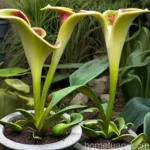
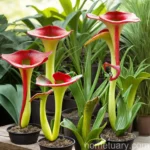
The Sweet Pitcher Plant (Sarracenia rubra): A Fascinating Carnivorous Bog Plant
The sweet pitcher plant (Sarracenia rubra) is a captivating and enigmatic species that belongs to the Sarraceniaceae family. This native pitcher plant is renowned for its unique adaptation to boggy and swampy environments, where it thrives as a carnivorous plant capable of trapping and digesting insects as a source of nutrients. In this comprehensive guide, we will delve into the cultural significance, uses, environmental requirements, propagation, and aspects of caring for this remarkable plant.
What is a Plant?
A plant is a multicellular organism that belongs to the kingdom Plantae. The diverse group of plants includes green, non-mobile organisms that possess cell walls composed of cellulose. They obtain energy through the process of photosynthesis and play an essential role in the Earth’s ecosystem by producing oxygen and serving as a primary food source for many organisms.
Sweet Pitcher Plant (Sarracenia rubra)
The sweet pitcher plant (Sarracenia rubra) is a distinctive member of the Sarracenia genus, known for its remarkable pitcher-shaped leaves that serve as specialized traps for capturing and consuming insects. This species is native to Eastern North America, inhabiting nutrient-poor, acidic, and waterlogged environments such as bogs, swamps, and wetlands. The sweet pitcher plant has several notable characteristics that make it an intriguing subject for botanical enthusiasts and conservation efforts.
Key Takeaways – Sweet Pitcher Plant (Sarracenia rubra)
Culture
- Scientific Name: Sarracenia rubra
- Common Names: Sweet pitcher plant, red pitcher plant
- Plant Type: Carnivorous perennial
- Habitat: Native to boggy and swampy regions of Eastern North America
- Conservation Status: Varies among different subspecies and populations, with some facing threats due to habitat loss and degradation
Uses
- Horticultural Purposes: Cultivated for its intriguing appearance and insect-capturing abilities
- Conservation Efforts: Some populations are actively managed and protected due to their ecological significance and vulnerability
Water
- Hydration: Requires consistently moist soil and high humidity levels
- Water Source: Thrives in waterlogged environments, occasionally supplemented with rainwater or distilled water if cultivated in a container
Sunlight
- Light Requirements: Prefers full sunlight or partial shade, depending on the local climate conditions
- Optimal Exposure: Positioned in locations with adequate sunlight to promote vigorous growth and vibrant coloration of the pitcher leaves
Fertilizer
- Nutritional Needs: Gains nutrients through insect digestion, requiring minimal supplemental feeding
- Fertilization: Generally not necessary, as the plant is adapted to nutrient-poor environments
Soil
- Substrate Type: Flourishes in nutrient-deficient, acidic, and well-draining soil
- Preferred Medium: Utilizes a mixture of sphagnum moss, perlite, and/or sand for optimal growth
Pruning
- Maintenance: Limited pruning requirements, mainly focused on removing any withered or discolored leaves
- Timing: Conducted as needed throughout the growing season to maintain the plant’s appearance
Propagation
- Propagation Methods: Accomplished through division, seed germination, or rhizome cuttings
- Timing: Best performed during the active growing period to maximize success rates
Container Popularity
- Container Gardening: Suited for cultivation in containers, allowing for controlled environmental conditions and display opportunities
- Preferred Containers: Utilize pots with adequate drainage and ventilation to mimic natural bog habitats while preventing waterlogging
Container Common Diseases
- Potential Risks: Susceptible to root rot, fungal infections, and mold in poorly ventilated and excessively wet containers
- Preventive Measures: Maintain proper airflow and water management to minimize disease risks
Disease Diagnosis
- Symptoms: Browning or wilting of foliage, unusual discoloration, and stunted growth
- Examination: Close inspection of the plant’s condition and potting medium can reveal potential disease indicators
Common Pests
- Insect Challenges: Occasionally affected by aphids, thrips, and spider mites
- Control Approaches: Implement natural predators or gentle insecticidal measures to manage pest populations
Botanist’s Tips
- Environmental Mimicry: Replicate natural bog conditions by employing proper substrate, water quality, and humidity levels
- Observational Learning: Monitor the plant for interactions with captured insects and seasonal growth variations
Fun Facts
- Evolutionary Adaptations: Developed specialized pitcher leaves to attract, capture, and digest insect prey
- Ecological Role: Contributes to nutrient cycling in bog ecosystems through insect consumption
- Species Diversity: Contains various subspecies and regional variants with distinct characteristics
Links to External Resources
For further exploration of the sweet pitcher plant and related topics, the following resources are valuable references:
- Carnivorous Plant Resource
- North American Sarracenia Conservancy
- International Carnivorous Plant Society
- Botanical Journal Publications
- Conservation Biology Journals
By delving into these resources, enthusiasts and researchers can deepen their understanding of carnivorous plant species, their cultivation, conservation, and ecological significance.
The sweet pitcher plant (Sarracenia rubra) stands as an intriguing example of the remarkable diversity present within the plant kingdom, showcasing unique adaptations to thrive in challenging environments and contributing to the intricate web of life in native ecosystems. As we continue to explore and appreciate the natural world, the captivating traits and distinctive behaviors of plants like the sweet pitcher plant remind us of the intricate harmony and complexity that defines our shared planet.