Meadow Rue (Thalictrum rochebruneanum): A Complete Guide
Meadow rue (Thalictrum rochebruneanum) is an exquisite perennial plant that is sought after by gardeners for its delicate, feathery blooms and graceful foliage. In this comprehensive guide, we will delve into the various aspects of this captivating plant, including its cultivation, uses, maintenance, and much more.
What is Meadow Rue (Thalictrum rochebruneanum)?
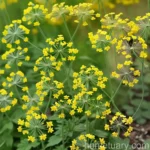
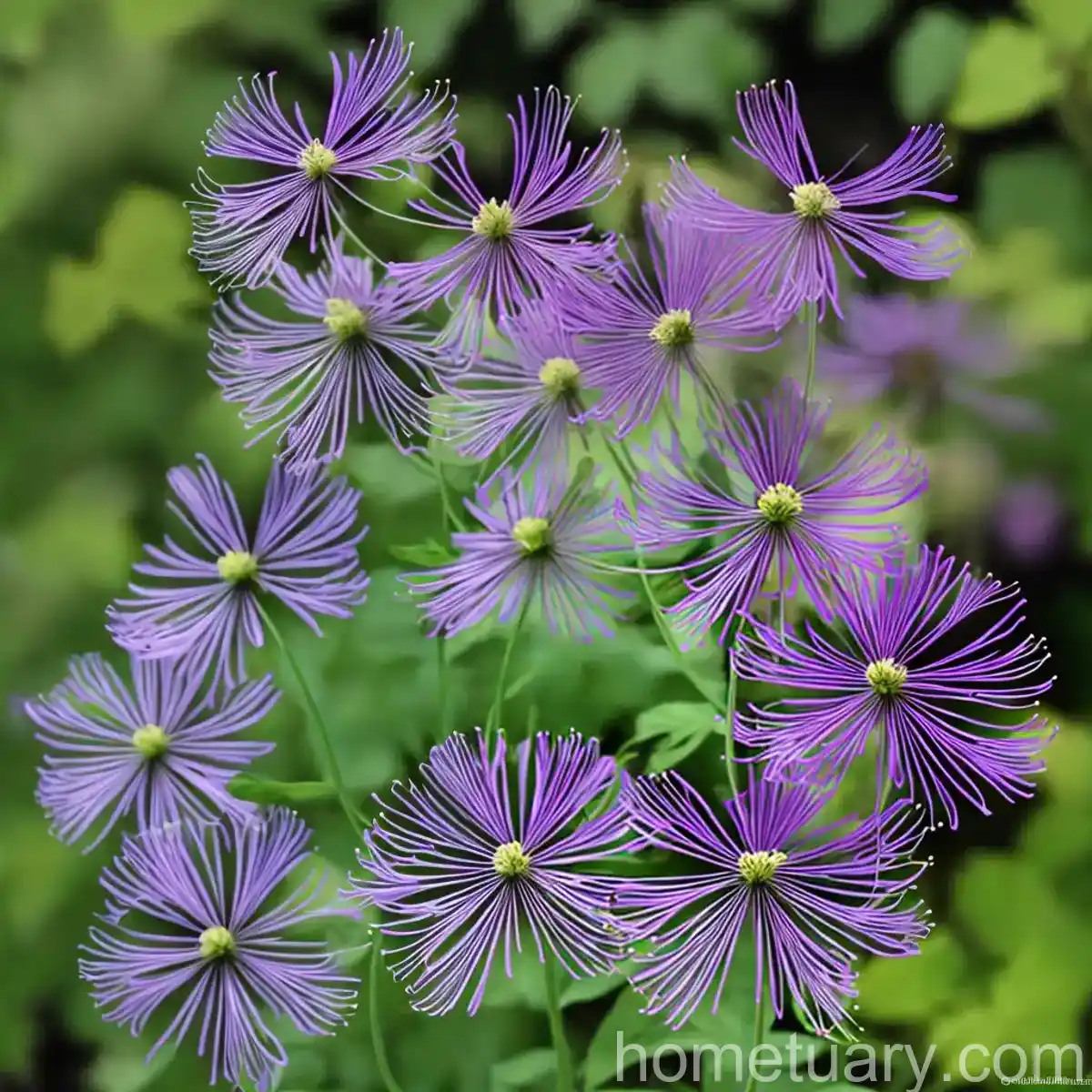
Meadow rue (Thalictrum rochebruneanum) is a herbaceous perennial native to East Asia, particularly Japan and China. This plant is a member of the Ranunculaceae family, which also includes buttercups and delphiniums. Meadow rue is renowned for its airy panicles of small, lavender flowers that adorn the garden in mid to late summer. The attractive, finely divided foliage adds to its charm, making it a popular choice for adding a touch of elegance to garden borders, woodland gardens, and cottage-style landscapes.
Key Takeaways
Let’s start our exploration of meadow rue (Thalictrum rochebruneanum) by understanding its key takeaways.
- Common Name: Meadow rue
- Scientific Name: Thalictrum rochebruneanum
- Family: Ranunculaceae
- Plant Type: Herbaceous perennial
- Native Habitat: East Asia, specifically Japan and China
- Flower Color: Lavender
- Sunlight: Prefers partial shade to full sun
- Watering: Requires consistently moist soil
- Height: Typically grows to a height of 4 to 6 feet
- USDA Hardiness Zones: 4-8
- Attracts: Butterflies and bees
- Low maintenance: Suitable for low-maintenance gardens
Cultivation
Uses
Meadow rue (Thalictrum rochebruneanum) is a versatile plant that offers several uses, enhancing the beauty and biodiversity of gardens. Some of its uses include:
- Ornamental Purposes: Meadow rue is predominantly cultivated for its ornamental value, thanks to its attractive, airy blooms and delicate foliage. It adds a touch of elegance and charm to garden borders, cottage gardens, and mixed perennial beds.
- Wildlife Attraction: The nectar-rich flowers of meadow rue attract butterflies and bees, making it a valuable addition to pollinator-friendly gardens.
- Foliage Interest: Even when not in bloom, the finely divided, fern-like foliage of meadow rue provides visual interest, adding texture to garden landscapes.
Water
Meadow rue (Thalictrum rochebruneanum) thrives in consistently moist soil. While it appreciates moisture, it is crucial to ensure well-draining soil to prevent waterlogging, which can lead to root rot. During dry periods, regular watering is necessary to keep the soil evenly moist. Mulching around the base of the plant helps retain soil moisture and regulate the soil temperature.
Sunlight
In terms of sunlight requirements, meadow rue prefers partial shade to full sun. It performs well in dappled sunlight or areas with morning sun and afternoon shade, providing it with the right balance of light to thrive. In hotter climates, partial shade is especially beneficial to prevent the plant from wilting in intense sun exposure.
Fertilizer
Meadow rue generally has modest fertilizer needs. An organic, balanced fertilizer applied in spring can support healthy growth and flowering. However, it is important to avoid over-fertilization, which can lead to excessive foliage growth at the expense of flower production. Always follow the manufacturer’s instructions and apply fertilizer judiciously to avoid any adverse effects on the plant.
Soil
The soil requirements for meadow rue encompass well-draining, humus-rich soil with a slightly acidic to neutral pH. Amending the soil with organic matter such as compost or well-rotted manure improves its texture and fertility, creating an ideal growing environment for this plant. Additionally, the presence of organic matter aids in moisture retention, ensuring the soil remains consistently moist, which is paramount for the well-being of meadow rue.
Pruning
Pruning is an essential aspect of maintaining the health and aesthetics of meadow rue (Thalictrum rochebruneanum). While this plant generally requires minimal pruning, it is beneficial to remove spent flowers to encourage further blooming and prevent self-seeding. Additionally, dead or damaged foliage can be trimmed back to promote a tidy appearance. Late winter or early spring is an ideal time for more extensive pruning, clearing out any dead or overgrown stems to facilitate healthy, vigorous growth in the upcoming growing season.
Propagation
Meadow rue can be propagated through various methods, allowing gardeners to expand their collection of this stunning plant.
Division
Dividing established clumps of meadow rue is an effective means of propagation. This is typically done in early spring or in fall, carefully digging up the plant and dividing the root clumps into smaller sections, each with several shoots and a portion of the root system. These divisions can then be replanted in suitable locations, ensuring they receive adequate moisture and protection during the establishment phase.
Sowing Seeds
Meadow rue can also be propagated from seeds. Sow the seeds in a seed-starting mix or directly into the garden soil in fall, as they require a period of cold stratification for germination. Keep the soil consistently moist, and once the seedlings have developed several sets of true leaves, they can be transplanted to their permanent positions in the garden.
Container
Growing meadow rue in containers is a viable option, particularly for gardeners with limited space or who want to appreciate its beauty on patios and balconies. Select a large, sturdy container with drainage holes to accommodate the plant’s mature size and ensure proper drainage. Use a high-quality potting mix that retains moisture while allowing excess water to drain away. Regular watering and occasional fertilization during the growing season are essential for container-grown meadow rue.
Popularity
Meadow rue (Thalictrum rochebruneanum) has gained popularity among gardeners for several reasons:
- Elegant Appearance: The feathery, lavender blooms and finely divided foliage of meadow rue impart an elegant and graceful element to garden landscapes, appealing to those seeking a touch of refinement in their gardens.
- Versatility: Meadow rue thrives in various garden settings, from perennial borders to woodland gardens, and is adaptable to different light conditions, making it a versatile choice for gardeners with diverse landscape preferences.
- Wildlife Benefits: As a pollinator-friendly plant, meadow rue contributes to the ecological balance of gardens by attracting beneficial insects such as butterflies and bees, further enhancing its appeal to environmentally conscious gardeners.
Common Diseases
Meadow rue (Thalictrum rochebruneanum) is generally resilient to diseases, but it can be susceptible to certain issues under unfavorable growing conditions.
Disease Diagnosis
Some common diseases that may affect meadow rue include:
- Powdery Mildew: This fungal disease manifests as a white, powdery coating on the leaves, leading to distortion and stunted growth. To mitigate powdery mildew, ensure adequate air circulation around the plant and avoid overhead watering, which can create a conducive environment for fungal development.
- Rust: Rust appears as orange to reddish-brown pustules on the undersides of leaves, signaling a fungal infection. Promptly remove and dispose of infected plant material to prevent the spread of rust, and refrain from overhead irrigation to reduce moisture on the foliage.
Common Pests
While meadow rue is relatively resistant to pests, there are a few potential invaders to watch out for.
Botanist’s Tips
Here are some expert tips to cultivate and care for meadow rue:
– Watering: Keep the soil consistently moist; however, avoid waterlogging to prevent root rot.
– Sunlight: Provide partial shade to full sun, especially in hot climates, to prevent wilting and ensure healthy growth.
– Soil: Ensure well-draining, humus-rich soil with a slightly acidic to neutral pH to promote vigorous growth and flowering.
Fun Facts
- The delicate, feathery appearance of meadow rue’s blooms and foliage led to its association with the whimsical character of fairies, adding a touch of magical allure to garden spaces.
- Meadow rue’s attractiveness to pollinators, such as butterflies and bees, contributes to the ecological vibrancy of gardens, aligning with the principles of sustainable and wildlife-friendly gardening practices.
Links to External Resources
For further information, here are some resources to explore:
1. Royal Horticultural Society – Thalictrum rochebruneanum
2. Missouri Botanical Garden – Thalictrum rochebruneanum
3. The Spruce – Choosing and Growing Thalictrum (Meadow Rue)
In conclusion, meadow rue (Thalictrum rochebruneanum) stands out as a captivating and versatile addition to garden landscapes. Its delicate blooms, elegant foliage, and various cultivation and maintenance aspects make it a sought-after plant for enhancing the beauty and ecological value of gardens. Whether incorporated into perennial borders, woodland settings, or container displays, meadow rue brings an enchanting allure to outdoor spaces, enriching the garden experience for enthusiasts and nature lovers alike.