Western Red Cedar (Thuja plicata ‘Hogan’): A Complete Guide
Table of Contents
1. Introduction to Western Red Cedar
2. Cultivation of Thuja plicata ‘Hogan’
– Water
– Sunlight
– Fertilizer
– Soil
– Pruning
– Propagation
– Container
– Popularity
3. Common Diseases and Pests
– Disease Diagnosis
– Common Pests
4. Botanist’s Tips
5. Fun Facts
6. External Resources
1. Introduction to Western Red Cedar
The Western Red Cedar, scientifically known as Thuja plicata ‘Hogan’, is a magnificent species that finds its origins in the Pacific Northwest region of North America. This evergreen conifer is a member of the cypress family (Cupressaceae) and is renowned for its captivating beauty and various practical uses. Thuja plicata ‘Hogan’ exhibits unique characteristics that make it a prized addition to landscapes and gardens.
1.1 Thuja plicata ‘Hogan’ Characteristics
The Thuja plicata ‘Hogan’ variety showcases several distinctive features:
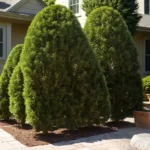
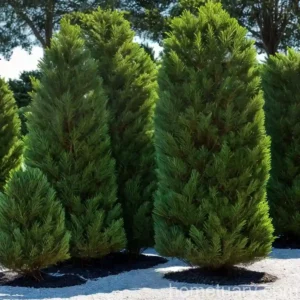
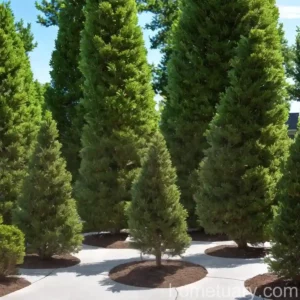
– Tall stature with a pyramidal to narrow-columnar form
– Striking, scale-like foliage with a rich green hue
– Resilient and adaptable growth habits
– Pleasant fragrance due to its inherent oils
1.2 Western Red Cedar Varieties
Apart from ‘Hogan’, the Western Red Cedar encompasses a broad spectrum of cultivars and varieties, each exhibiting its own unique characteristics and growth patterns. These variations contribute to the diverse options available to suit different landscaping needs and preferences.
1.3 Western Red Cedar Tree Facts
The Western Red Cedar is renowned for its remarkable attributes, including:
– Longevity: Western Red Cedars can live for several centuries, with some even surpassing a millennium in age.
– Ecological Significance: This species plays a vital role in maintaining the ecological balance of forested areas by providing habitat and sustenance to various wildlife species.
– Timber Quality: The wood of the Western Red Cedar is highly prized for its durability, resistance to decay, and versatility in construction and crafting.
2. Cultivation of Thuja plicata ‘Hogan’
For successful cultivation of Thuja plicata ‘Hogan’, it’s essential to understand and cater to its specific requirements, including water, sunlight, soil, and maintenance practices. Additionally, knowledge about propagation techniques and its adaptability to container gardening can significantly enhance its growth and vitality.
2.1 Water
Western Red Cedars have moderate water needs. While they tolerate occasional drought once established, they perform best when provided with regular watering, particularly during dry spells. However, it’s crucial to ensure well-draining soil to prevent waterlogging, which can be detrimental to their health.
2.2 Sunlight
Optimal sunlight exposure is vital for the flourishing growth of Thuja plicata ‘Hogan’. These trees thrive in full sun to partial shade, and a well-selected planting location that meets their light requirements is pivotal for their overall development and vitality.
2.3 Fertilizer
Fertilization is beneficial for enhancing the growth and vigor of Western Red Cedars. Application of a balanced, slow-release fertilizer specifically formulated for evergreens during the growing season can provide the essential nutrients required for healthy growth.
2.4 Soil
Western Red Cedars prefer moist, well-draining soils that are rich in organic matter. The pH of the soil should ideally range from slightly acidic to neutral, creating an optimal environment for their roots to thrive and access vital nutrients.
2.5 Pruning
Regular pruning is advantageous for maintaining the desired shape, size, and overall health of Thuja plicata ‘Hogan’. It’s essential to employ proper pruning techniques and timing to prevent any adverse impacts on the tree’s well-being.
2.6 Propagation
Propagation of Western Red Cedars can be achieved through methods such as:
– Seed Propagation: Growing Thuja plicata ‘Hogan’ from seeds offers a rewarding experience but demands patience due to the relatively slow germination and growth process.
– Cuttings: Utilizing semi-hardwood cuttings during the appropriate season can enable the successful propagation of this stunning variety.
2.7 Container Popularity
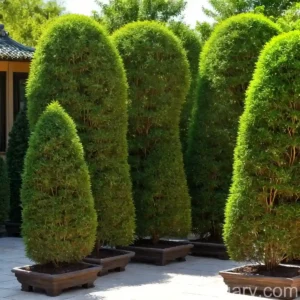
The adaptability of Thuja plicata ‘Hogan’ to container gardening makes it a favored choice for individuals with limited garden space. Their stunning aesthetics and manageable size in containers allow for versatile placement and creative landscaping possibilities.
Common Diseases and Pests
3.1 Disease Diagnosis
Western Red Cedars are susceptible to certain diseases, including:
– Canker Diseases: These can cause dieback of branches and affect the overall vitality of the tree.
– Root Rot: Excessive moisture or poorly-drained soils can lead to root rot, which can be identified through symptoms like wilting foliage and decayed roots.
3.2 Common Pests
Pests that can impact Thuja plicata ‘Hogan’ include:
– Cedar Bark Beetles: These pests can cause damage to the inner bark, leading to weakened and compromised trees.
– Spider Mites: Infestations of spider mites can result in stippled and discolored foliage, impacting the tree’s visual appeal and health.
4. Botanist’s Tips
For those passionate about cultivating and caring for Thuja plicata ‘Hogan’, here are some expert tips to elevate your gardening experience:
– Regular Monitoring: Stay vigilant for any signs of disease, pest infestations, or environmental stress, and take timely action to address any issues.
– Seasonal Care: Tailoring care practices to match the seasonal requirements of Western Red Cedars can significantly benefit their growth and resilience.
– Pruning Practices: Adhere to proper pruning guidelines to maintain the desired shape and health of the tree without causing undue stress or damage.
5. Fun Facts
The Western Red Cedar is not only a remarkable species but also harbors some fascinating and unique attributes:
– Cultural Significance: Historically, indigenous cultures revered the Western Red Cedar for its multifaceted uses, including crafting tools, clothing, and ceremonial objects.
– Aromatic Splendor: The distinct fragrance emitted by the foliage is renowned for its calming and refreshing qualities, contributing to its allure in gardens and landscapes.
6. External Resources
For further exploration and in-depth information about Western Red Cedars, consider the following resources:
– American Conifer Society
– United States Department of Agriculture – Plants Database
– Royal Horticultural Society – Tree Selector
– University of California Integrated Pest Management
In conclusion, cultivating and nurturing Thuja plicata ‘Hogan’ offers a rewarding journey enriched with beauty, resilience, and ecological significance. By understanding its specific requirements and embracing best practices, enthusiasts can witness the flourishing growth and enduring allure of this captivating evergreen.