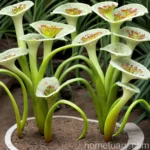
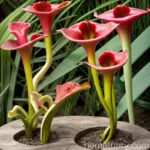
Pitcher Plant (Sarracenia ‘Ladies in Waiting’) – A Unique and Fascinating Carnivorous Plant
What is a Pitcher Plant?
Pitcher plants belong to the carnivorous plant family and are known for their unique method of trapping and digesting insects. These plants are a sight to behold with their pitcher-shaped leaves that act as deadly traps for unsuspecting insects. The captivating Sarracenia ‘Ladies in Waiting’ variety is a standout in this family, boasting distinctive features and characteristics that set it apart from other pitcher plant species.
In this comprehensive guide, we will delve into the world of pitcher plants, specifically focusing on the Sarracenia ‘Ladies in Waiting’ variety. From understanding its unique characteristics to learning the best practices for its care and cultivation, this article will equip you with all the knowledge you need to appreciate and grow this captivating plant successfully.
Key Takeaways – Pitcher Plant (Sarracenia ‘Ladies in Waiting’)
Before delving into the specifics of caring for the Sarracenia ‘Ladies in Waiting’ pitcher plant, let’s take a moment to highlight the key takeaways associated with this unique plant species:
- Carnivorous Nature: Sarracenia ‘Ladies in Waiting’ is a carnivorous plant, possessing specialized adaptations to capture, digest, and derive nutrients from insects.
- Distinctive Appearance: The pitcher-shaped leaves of the Sarracenia ‘Ladies in Waiting’ plant are a visual marvel, with intricate veining and vibrant hues that make it an attractive addition to any garden or collection.
- Habitat Preservation: As a species naturally found in wetland habitats, cultivating Sarracenia ‘Ladies in Waiting’ can contribute to the preservation and conservation of these unique ecosystems.
- Challenging Yet Rewarding: While caring for pitcher plants like Sarracenia ‘Ladies in Waiting’ requires specific attention to their environmental needs, the experience of witnessing their carnivorous behavior and unique growth habits makes it an incredibly rewarding venture.
Now, let’s explore the various aspects of caring for the Sarracenia ‘Ladies in Waiting’ pitcher plant in detail, starting with its cultural requirements.
Culture
Understanding the cultural requirements of the Sarracenia ‘Ladies in Waiting’ pitcher plant is essential for creating an environment that fosters its growth and development. From proper watering techniques to providing adequate sunlight, each aspect plays a crucial role in ensuring the plant’s well-being.
Water
Pitcher plants, including the Sarracenia ‘Ladies in Waiting’ variety, thrive in consistently moist and humid conditions. As a species native to wetland environments, these plants have adapted to rely on a steady supply of water to support their growth. When cultivating Sarracenia ‘Ladies in Waiting’ in a garden or container, it is vital to mimic the moist conditions of its natural habitat.
Water Requirements:
- Rainwater or Distilled Water: Utilize rainwater or distilled water for watering your Sarracenia ‘Ladies in Waiting’ plant, as it lacks the minerals found in tap water that can be detrimental to the plant’s health.
- Avoid Overwatering: While maintaining consistently moist soil is important, overwatering can lead to root rot and other issues. Strive to keep the soil evenly moist without allowing it to become waterlogged.
Sunlight
In their natural habitat, pitcher plants receive ample sunlight, a crucial factor that influences their growth and pitcher development. When cultivating Sarracenia ‘Ladies in Waiting’ in a home garden or indoor setting, providing adequate sunlight is essential for the plant’s overall health.
Sunlight Requirements:
- Direct Sunlight: Position your Sarracenia ‘Ladies in Waiting’ plant in a location where it can receive at least 6-8 hours of direct sunlight each day. This can be achieved by placing it near a south-facing window or in an outdoor area with ample sunlight exposure.
- Artificial Lighting: In cases where natural sunlight is limited, supplementing with artificial grow lights can help ensure that the plant receives the necessary light energy for photosynthesis and pitcher development.
Fertilizer
As carnivorous plants, Sarracenia ‘Ladies in Waiting’ and other pitcher plants have unique nutritional requirements, deriving essential nutrients from the insects they capture. While they do not rely on traditional fertilizers as heavily as non-carnivorous plants, providing supplemental feeding can support their overall growth and pitcher development.
Fertilization Guidelines:
- Avoid Standard Fertilizers: Refrain from using standard garden fertilizers on Sarracenia ‘Ladies in Waiting’, as they can harm the plant’s delicate roots and disrupt its carnivorous capabilities.
- Feeding with Insects: Mimic the plant’s natural feeding process by allowing it to capture insects on its own. Alternatively, offering pre-killed insects like small crickets or flies can supplement its nutritional intake.
Soil
The choice of soil for cultivating Sarracenia ‘Ladies in Waiting’ plays a significant role in maintaining the ideal growing conditions for the plant. Unlike traditional potting mixes, pitcher plants require specialized soil that mimics the nutrient-poor environments of their natural habitats.
Suitable Soil Medium:
- Acidic Soil: Pitcher plants thrive in acidic soil environments with a pH range between 4.5 and 5.5. Utilize a mix consisting of peat moss, perlite, and sand to create a well-draining, acidic soil medium for your Sarracenia ‘Ladies in Waiting’ plant.
- Avoid Nutrient-Rich Soils: Steer clear of using nutrient-rich or compost-based soils, as these can be detrimental to the plant’s well-being and may hinder its ability to trap and digest insects effectively.
Pruning
Pruning requirements for Sarracenia ‘Ladies in Waiting’ are minimal compared to non-carnivorous plants. The focus of pruning is primarily centered on maintaining the plant’s pitchers and removing any dead or decaying growth to promote overall health and vigor.
Pruning Guidelines:
- Pitcher Maintenance: Regularly inspect the pitchers of your Sarracenia ‘Ladies in Waiting’ plant to ensure they are free from debris and excess moisture, which can attract harmful pests and lead to fungal issues.
- Removing Dead Growth: Trim off any dead or withered pitchers, leaves, or flower stalks to encourage new growth and prevent the onset of disease.
Propagation
The propagation of Sarracenia ‘Ladies in Waiting’ pitcher plants allows enthusiasts and growers to expand their collection and share the beauty of these unique plants with others. Understanding the various propagation methods and techniques is crucial for successfully propagating new plants from existing ones.
Propagation Methods:
- Division: Propagation through division involves separating the rhizomes of mature pitcher plants into individual sections, each with its own root system and growth points. This method is best performed during the plant’s dormant season in early spring.
- Rhizome Cuttings: Taking rhizome cuttings from healthy, established plants allows for the creation of new plants from specific sections of the parent plant’s root system. This method requires careful handling and attention to ideal environmental conditions for rooting.
Container Cultivation
Cultivating Sarracenia ‘Ladies in Waiting’ in containers offers a versatile and practical solution for providing the ideal growing conditions while also allowing for easy mobility and placement. Selecting the appropriate container and ensuring proper maintenance are essential for the successful container cultivation of these captivating pitcher plants.
Container Selection:
- Size and Depth: Choose a container that accommodates the extensive root system of Sarracenia ‘Ladies in Waiting’ while also providing ample space for the development of its upright pitchers. A depth of at least 8-12 inches is recommended to support healthy root growth.
- Drainage Holes: Ensure that the container has adequate drainage holes to prevent waterlogging, as excess moisture can be detrimental to pitcher plants.
Maintenance Tips:
- Monitor Moisture Levels: Regularly check the moisture levels of the soil in the container, aiming to maintain consistent yet not waterlogged conditions.
- Container Adaptation: As pitcher plants grow and develop, they may outgrow their current containers. Periodically assess the plant’s growth and consider repotting into a larger container when necessary.
Popularity
Pitcher plants, particularly the unique Sarracenia ‘Ladies in Waiting’ variety, have gained popularity among plant enthusiasts and collectors due to their captivating appearance and intriguing carnivorous nature. Their ability to thrive in a controlled garden setting or as part of a carnivorous plant collection has contributed to their growing popularity in the horticultural community.
Common Diseases and Pest Management
While pitcher plants possess natural defenses against pests and diseases due to their carnivorous nature, they are still susceptible to certain issues that can impact their overall health and vitality. Understanding common diseases and pest management strategies is crucial for maintaining the well-being of Sarracenia ‘Ladies in Waiting’ and preventing potential issues.
Disease Diagnosis:
- Fungal Infections: Watch for signs of fungal infections, such as dark spots or discoloration on the pitchers or leaves. Proper airflow and maintaining proper moisture levels can help mitigate the risk of fungal issues.
- Bacterial Diseases: Keep an eye out for soft rot or bacterial infections, which can manifest as mushy or discolored areas on the plant. Pruning affected areas and improving overall growing conditions can aid in addressing bacterial diseases.
Common Pests:
- Aphids and Spider Mites: These tiny pests can infest pitcher plants, impacting their overall health and vitality. Regularly inspect the plant for signs of pest infestation and consider natural pest control methods like introducing beneficial insects or using insecticidal soaps if necessary.
Botanist’s Tips
As a botanist specializing in carnivorous plants, including the captivating Sarracenia ‘Ladies in Waiting’ pitcher plant, I have assembled a collection of valuable tips for enthusiasts and growers looking to cultivate and appreciate these fascinating plants:
- Imitate Natural Habitat: Strive to replicate the moist, acidic conditions of a wetland environment when creating the ideal growing conditions for Sarracenia ‘Ladies in Waiting’.
- Consistent Monitoring: Regularly inspect the plant for signs of pest infestation, disease, or environmental stress to address issues promptly and ensure the plant’s well-being.
- Educational Outreach: Share the unique characteristics and ecological importance of pitcher plants like Sarracenia ‘Ladies in Waiting’ with others to promote conservation efforts and appreciation for these remarkable species.
- Continuous Learning: Stay updated on the latest research and cultivation techniques related to pitcher plants, integrating new knowledge into your growing practices to enhance plant health and vigor.
Fun Facts
- The pitcher-shaped leaves of Sarracenia ‘Ladies in Waiting’ are specially adapted to attract, capture, and digest insects, supplementing the plant’s nutritional intake in nutrient-poor environments.
- Some pitcher plant species, including Sarracenia ‘Ladies in Waiting’, boast intricate veining and colorful patterns on their pitchers, adding to their aesthetic appeal.
- Sarracenia ‘Ladies in Waiting’ and other pitcher plants play a crucial role in their natural ecosystems by contributing to insect control and nutrient cycling.
Links to External Resources
To further enrich your knowledge and appreciation for the Sarracenia ‘Ladies in Waiting’ pitcher plant, I have curated a selection of valuable external resources that offer in-depth insights and practical guidance:
- American Pitcher Plant Society – Link
- International Carnivorous Plant Society – Link
- Royal Horticultural Society – Carnivorous Plant Care Guide – Link
- Carnivorous Plant Nursery – Care and Cultivation Tips – Link
Whether you are a seasoned enthusiast or a budding plant enthusiast, these resources offer a wealth of information to support your journey in cultivating and appreciating the unique beauty of Sarracenia ‘Ladies in Waiting’ pitcher plants.
In conclusion, the Sarracenia ‘Ladies in Waiting’ pitcher plant stands as a remarkable testament to the fascinating world of carnivorous plants. From its captivating appearance to its specialized cultural requirements, this plant offers enthusiasts and growers an opportunity to delve into the extraordinary adaptations and ecological significance of pitcher plants. As you embark on your journey of caring for and appreciating the Sarracenia ‘Ladies in Waiting’ pitcher plant, may this guide serve as a valuable resource to support your endeavors and deepen your understanding of these captivating species.
Remember, through thoughtful cultivation and conservation efforts, we can continue to celebrate and preserve the unique beauty and ecological importance of pitcher plants like Sarracenia ‘Ladies in Waiting’ for generations to come.