The Fascinating World of Pitcher Plants
What is a Pitcher Plant?
Pitcher plants are a unique group of carnivorous plants that have developed a highly specialized way of obtaining nutrients. These remarkable plants have evolved to grow in environments where the soil lacks essential nutrients, such as nitrogen. To compensate for this deficiency, pitcher plants have developed modified leaves that act as pitfall traps, luring, and capturing insects to supplement their nutritional needs.
One of the notable varieties of pitcher plants is the Sarracenia ‘Judith Hindle’, an exquisite species that showcases captivating characteristics and demands particular care. In this comprehensive guide, we will explore the unique features, cultural requirements, and maintenance techniques for the Sarracenia ‘Judith Hindle’ pitcher plant.
Key Takeaways: Pitcher Plant (Sarracenia ‘Judith Hindle’)
Culture
- Pitcher plants are native to North America, primarily found in boggy and swampy areas with acidic, nutrient-deficient soil.
- They are well-adapted to these environments and can thrive in moist, humid conditions.
Uses
- The primary function of pitcher plants is to capture and digest insects to obtain vital nutrients, particularly nitrogen, that are scarce in their natural habitat.
Water
- Pitcher plants require consistently moist soil to mimic their native boggy environments. They should be watered regularly to keep the soil damp but not waterlogged.
Sunlight
- These plants thrive in bright, indirect light. While they can tolerate some direct sunlight, excessive exposure can lead to leaf burning.
Fertilizer
- Contrary to many other plants, pitcher plants do not require traditional fertilization. In their natural habitat, they obtain nutrients from the insects they capture and digest.
Soil
- The ideal soil for pitcher plants is a mix of peat moss, perlite, and sand, providing the necessary acidity and excellent drainage.
Pruning
- Minimal pruning is needed for pitcher plants. The removal of any brown or wilted pitchers can help maintain the plant’s aesthetics.
Propagation
- Pitcher plants can be propagated through rhizome division, leaf cuttings, or by separating offshoots, allowing for the expansion of your pitcher plant collection.
Container
- When grown in containers, pitcher plants require adequate drainage to prevent waterlogging. Select a pot that allows for air circulation and promotes healthy root growth.
Popularity
- With their striking appearance and fascinating carnivorous nature, pitcher plants have garnered attention from plant enthusiasts and collectors worldwide.
Common Diseases
- While pitcher plants are relatively hardy, they can suffer from fungal issues if overwatered or if the growing conditions are too humid.
Common Pests
- Pitcher plants are generally resistant to common insect pests, thanks to their unique trapping mechanism. However, they are vulnerable to certain fungal and bacterial infections.
Botanist’s Tips
- Regular monitoring of your pitcher plant’s growth and pitcher health is essential for identifying and addressing any potential issues promptly.
Fun Facts
- The modified leaves of pitcher plants can come in a variety of shapes, sizes, and colors, adding to their allure and visual appeal.
Now that we have gained an overview of the captivating world of pitcher plants, let’s delve deeper into the specifics of caring for the Sarracenia ‘Judith Hindle’.
Pitcher Plant (Sarracenia ‘Judith Hindle’) Information
The Sarracenia ‘Judith Hindle’ is a hybrid pitcher plant that has gained popularity for its vibrant and intricate pitchers. This unique cultivar is a cross between Sarracenia leucophylla and Sarracenia psittacina, resulting in a visually stunning plant with distinct characteristics.
Sarracenia ‘Judith Hindle’ Characteristics
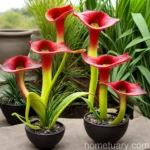
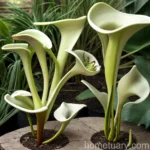
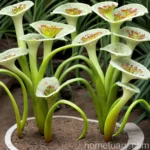
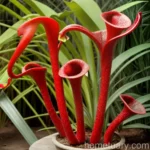
- The Sarracenia ‘Judith Hindle’ is known for its elegant, upright pitchers that display a stunning combination of colors, including shades of green, red, and white.
- Its pitchers feature intricate veining and patterns, enhancing its visual appeal and making it a coveted addition to any carnivorous plant collection.
Unique Features of Pitcher Plants
- One of the most remarkable aspects of pitcher plants, including the Sarracenia ‘Judith Hindle’, is their adaptation to a nutrient-poor environment. The modified leaves of pitcher plants have evolved to attract, capture, and digest insects, providing essential nutrients for the plant’s growth and development.
Pitcher Plant Varieties
- Within the Sarracenia genus, there are various species and hybrids, each with its distinct characteristics and pitcher shapes. Sarracenia ‘Judith Hindle’ stands out for its vibrant pitchers and unique genetic lineage.
Now, let’s explore the specific care requirements for nurturing the Sarracenia ‘Judith Hindle’ pitcher plant and fostering its optimal growth and health.
Pitcher Plant Care Essentials
Best Soil for Pitcher Plants
Pitcher plants, including the Sarracenia ‘Judith Hindle’, thrive in a growing medium that replicates the conditions of their natural habitat. The ideal soil mixture for these plants is a combination of peat moss, perlite, and coarse sand. This blend provides the necessary acidity and excellent drainage that pitcher plants require for healthy growth.
Soil Mixture for Pitcher Plants:
| Component | Proportion |
|—————-|————|
| Peat Moss | 50% |
| Perlite | 30% |
| Coarse Sand | 20% |
Watering Pitcher Plants
Maintaining appropriate soil moisture is vital for the well-being of pitcher plants. These plants thrive in consistently moist but not waterlogged soil. When watering, it’s crucial to use distilled water, rainwater, or water with low mineral content to prevent the accumulation of harmful salts in the soil, which can negatively impact the plant’s health.
Watering Guidelines:
– Water the plant regularly to keep the soil damp, especially during the growing season.
– Avoid allowing the soil to dry out completely, as pitcher plants require consistently moist conditions.
Sunlight Requirements for Sarracenia ‘Judith Hindle’
Providing the right amount of sunlight is essential for the healthy growth and development of Sarracenia ‘Judith Hindle’ pitcher plants. These plants thrive in bright, indirect light, making them well-suited for outdoor cultivation in locations with partial shade. While they can tolerate some direct sunlight, prolonged exposure to intense sun rays can lead to leaf burning.
Sunlight Guidelines:
– Place the pitcher plant in a location with bright, indirect light, such as near a south or west-facing window.
– If growing outdoors, choose a spot with partial shade to protect the plant from excessive sun exposure.
Propagating Pitcher Plants
Expanding your collection of pitcher plants, particularly the captivating Sarracenia ‘Judith Hindle’, can be achieved through various propagation techniques. Rhizome division, leaf cuttings, and separating offshoots are effective methods for producing new plants and sharing the beauty of pitcher plants with fellow enthusiasts.
Propagation Techniques:
– Rhizome Division: Carefully divide the rhizome of an established plant, ensuring that each division has healthy roots and growth points.
– Leaf Cuttings: Select healthy, mature leaves and cut them into sections, placing them in a suitable growing medium to encourage root development.
– Separating Offshoots: If the plant has produced offshoots, carefully detach them from the parent plant and transplant them into their individual containers.
Pruning Pitcher Plants
Pruning requirements for pitcher plants, including the Sarracenia ‘Judith Hindle’, are minimal. However, it’s essential to monitor the plant for any brown or wilted pitchers and remove them as needed to maintain the plant’s overall appearance and prevent the spread of potential diseases.
Pruning Guidelines:
– Regular Inspection: Check the plant regularly for any signs of wilted or discolored pitchers.
– Careful Removal: For any unhealthy pitchers, gently remove them at the base, ensuring not to damage the surrounding foliage.
Feeding Pitcher Plants
Pitcher plants have a remarkable ability to capture and digest insects, providing them with essential nutrients that are deficient in their growing environments. As such, traditional fertilization is unnecessary for pitcher plants, and they should rely on their natural insect-trapping mechanism for nutritional sustenance.
Feeding Routine:
– Insect Capture: Allow the pitchers to attract and capture insects naturally, providing the plant with the necessary nutrients.
– Avoid Overfeeding: While it may be tempting to introduce insects into the pitchers, allowing the plant to capture prey through its natural mechanism is preferable.
Sarracenia ‘Judith Hindle’ Habitat
The natural habitat of Sarracenia ‘Judith Hindle’ pitcher plants mirrors the growing conditions preferred by many pitcher plant species. These plants are indigenous to North America, where they can be found in boggy and swampy areas with nutrient-deficient, acidic soil. Replicating these conditions is crucial for the successful cultivation of Sarracenia ‘Judith Hindle’ in a home garden or greenhouse setting.
Habitat Replication:
– Moist, Humid Conditions: Create an environment with consistent moisture and humidity to mimic the boggy habitats where pitcher plants thrive.
– Acidic Growing Medium: Utilize a soil mixture with high acidity to simulate the nutrient-deficient, acidic conditions found in the plant’s natural habitat.
Pitcher Plant Containers
When growing Sarracenia ‘Judith Hindle’ or other pitcher plants in containers, selecting suitable pots and ensuring proper drainage are essential for their well-being. The choice of container can impact the plant’s root health and overall growth, making it imperative to consider the container’s characteristics carefully.
Container Considerations:
– Drainage Holes: Choose pots with adequate drainage to prevent waterlogging and maintain healthy root conditions.
– Air Circulation: Select containers that promote air circulation around the plant’s roots, aiding in oxygen exchange and preventing moisture-related issues.
With these essential care guidelines, enthusiasts and plant caretakers can provide the optimal conditions for nurturing healthy and vibrant Sarracenia ‘Judith Hindle’ pitcher plants.
Pitcher Plant Maintenance Tips
Sarracenia ‘Judith Hindle’ Maintenance
Maintaining the health and vitality of Sarracenia ‘Judith Hindle’ pitcher plants involves consistent care, attentive monitoring, and proactive maintenance practices. By incorporating these maintenance tips into your plant care routine, you can support the long-term well-being of your pitcher plants and enjoy their captivating beauty.
Repotting Pitcher Plants
Over time, pitcher plants, including Sarracenia ‘Judith Hindle’, may require repotting to provide sufficient space for root expansion and ensure ongoing access to a suitable growing medium. Repotting should be performed carefully, taking into account the plant’s growth cycle and the condition of its existing root system.
Repotting Guidelines:
– Assessing Root Health: When considering repotting, carefully inspect the plant’s root system for overcrowding and assess the overall health of the roots.
– Gentle Transplanting: When transferring the plant to a new container, handle the roots delicately to minimize disturbance and promote successful acclimatization.
Sarracenia ‘Judith Hindle’ Winter Care
During the winter months, pitcher plants, including Sarracenia ‘Judith Hindle’, may require adjustments in their care routine to accommodate seasonal changes. Providing appropriate winter care is essential for safeguarding the plant against potential cold-related stress and maintaining its overall health.
Winter Care Considerations:
– Reduced Watering: Adjust the watering frequency to account for reduced evaporation rates and the plant’s decreased metabolic activity during the winter.
– Temperature Management: Protect the plant from extreme cold, ensuring that it maintains suitable temperature conditions for its well-being.
Pitcher Plant Pest Management
While pitcher plants have evolved to capture and consume insects, they can still be susceptible to certain pests and diseases that may impact their health. Implementing effective pest management strategies is crucial for preventing and addressing potential issues that can affect the vitality of Sarracenia ‘Judith Hindle’ and other pitcher plant varieties.
Pest Management Techniques:
– Fungal Protection: Monitor the plant for any signs of fungal infections and implement appropriate measures, such as improving air circulation and addressing overly humid conditions.
– Disease Prevention: Practice good sanitation and maintenance habits to prevent the development and spread of potential diseases within your pitcher plant collection.
Natural Pest Control with Pitcher Plants
One of the remarkable attributes of pitcher plants, including Sarracenia ‘Judith Hindle’, is their role in natural pest control. These plants effectively capture and consume a variety of insects, contributing to pest management in their natural habitat and providing valuable ecological benefits.
Pest Control Dynamics:
– Insect Attraction: The distinct scent and visual allure of the pitchers attract a range of insects, which are subsequently captured and digested by the plant.
– Ecological Role: In addition to supporting the pitcher plant’s nutritional needs, this insectivorous behavior contributes to the control of insect populations in the surrounding ecosystem.
Pitcher Plant Conservation
Given the unique and often limited habitats of pitcher plants, conservation efforts are crucial to ensuring the preservation of these remarkable species, including Sarracenia ‘Judith Hindle. As human development and environmental changes impact natural habitats, conservation initiatives play a vital role in safeguarding pitcher plants and their ecological contributions.
Conservation Initiatives:
– Habitat Preservation: Support conservation organizations and initiatives focused on preserving the native habitats of pitcher plants and addressing environmental threats.
– Cultivation and Education: Promote the cultivation and responsible care of pitcher plants to raise awareness about their importance and unique ecological role.
With a focus on plant conservation and responsible cultivation, individuals can contribute to the protection and appreciation of pitcher plants while enjoying their captivating beauty and natural ingenuity.
Pitcher Plant Growth Cycle
Understanding the growth cycle of pitcher plants, including Sarracenia ‘Judith Hindle’, provides valuable insights into their seasonal rhythms and developmental patterns. By recognizing the plant’s growth stages, enthusiasts can tailor their care techniques to support its changing needs throughout the year.
Growth Cycle Phases:
– Active Growth: During the growing season, pitcher plants display vigorous growth and may produce new pitchers, accompanied by increased insect activity and nutritional uptake.
– Winter Dormancy: In colder months, pitcher plants enter a period of dormancy, reducing metabolic activity and requiring adjusted care to support their winter survival.
Pitcher Plant Pollination
While pitcher plants primarily rely on capturing insects for their nutritional needs, they also undergo pollination to facilitate their reproductive cycle. Understanding the pollination process of pitcher plants provides insights into their ecological interactions and contributes to a comprehensive understanding of their life cycle.
Pollination Dynamics:
– Flower Structure: Pitcher plants produce elaborate flowers, attracting pollinators such as bees and flies that aid in the transfer of pollen.
– Reproductive Success: Successful pollination is essential for the production of seeds and the continuation of pitcher plant populations in their natural habitats.
Pitcher Plant Flowering
The flowering stage of pitcher plants, including the alluring Sarracenia ‘Judith Hindle’, is a captivating sight that showcases the plant’s reproductive capabilities and adds to its overall ornamental appeal. Observing the unique flowers of pitcher plants contributes to a deeper appreciation of their botanical diversity and reproductive strategies.
Flowering Characteristics:
– Flower Appearance: Pitcher plant flowers feature intricate forms and vibrant colors, serving as focal points during their flowering period.
– Attracting Pollinators: The flowers produce nectar and visual cues to attract pollinators, supporting successful pollination and seed production.
Pitcher Plant Adaptations to Low-Nutrient Environments
The evolution of pitcher plants, including Sarracenia ‘Judith Hindle’, reflects their remarkable adaptations to thrive in low-nutrient environments. Their pitfall trapping mechanism and specialized leaves are key traits that enable these plants to overcome nutrient deficiencies and establish themselves in challenging habitats.
Adaptation Strategies:
– Nutrient Capture: The modified leaves of pitcher plants serve as pitfall traps, luring and capturing insects to supplement their nutritional requirements.
– Survival in Hostile Environments: Through their unique adaptations, pitcher plants have flourished in environments where traditional nutrient sources are scarce, showcasing their resilience and ingenuity.
Continuing the Journey with Pitcher Plants
The world of pitcher plants, characterized by their captivating beauty, ingenious adaptations, and ecological significance, continues to fascinate and inspire plant enthusiasts, educators, and conservationists alike. As we continue to explore and appreciate the diverse species and cultivars within the pitcher plant family, including the mesmerizing Sarracenia ‘Judith Hindle’, we gain invaluable insights into the wonders of the natural world and the intricate dynamics of plant life.
With a focus on conservation, responsible cultivation, and education, individuals can contribute to the preservation and celebration of pitcher plants while unveiling the mysteries of their fascinating traits and ecological roles. By nurturing these extraordinary plants, sharing their allure with others, and supporting their conservation in the wild, we can cultivate a deeper appreciation for the uniqueness and splendor of pitcher plants and their invaluable contributions to the natural world.
As we celebrate the Sarracenia ‘Judith Hindle’ and the myriad pitcher plant species, let us embark on a journey of discovery and stewardship, embracing the fascinating world of carnivorous plants, ecological wonders, and botanical marvels.
This comprehensive guide has delved into the captivating realm of pitcher plants, focusing on the enchanting Sarracenia ‘Judith Hindle’ and its unique care requirements, ecological dynamics, and conservation significance. Through a holistic exploration of pitcher plant care essentials, maintenance tips, and ecological roles, plant enthusiasts have gained valuable knowledge to support the thriving cultivation and appreciation of these extraordinary plants.
Link to Pitcher Plant Image: Pitcher Plant Image