Yellow Pitcher Plant (Sarracenia Flava)
The yellow pitcher plant, scientifically known as Sarracenia flava, is a fascinating and unique species that is bound to captivate any plant enthusiast..
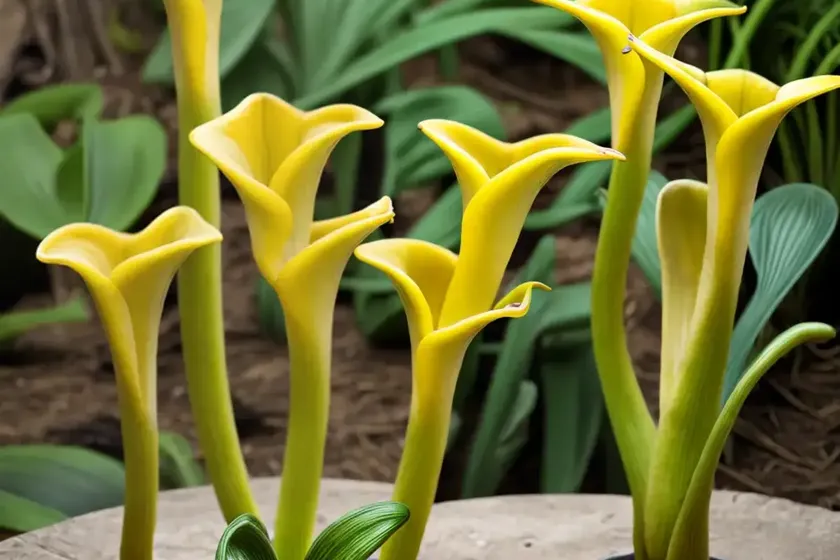
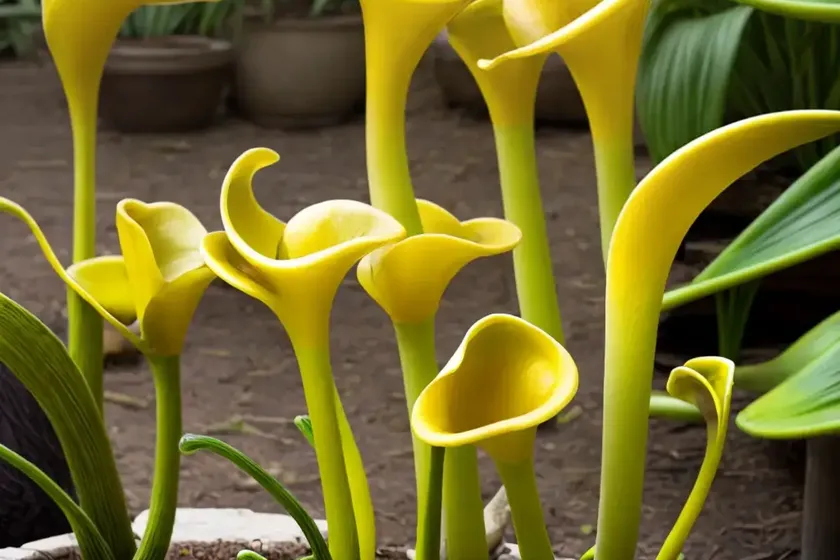
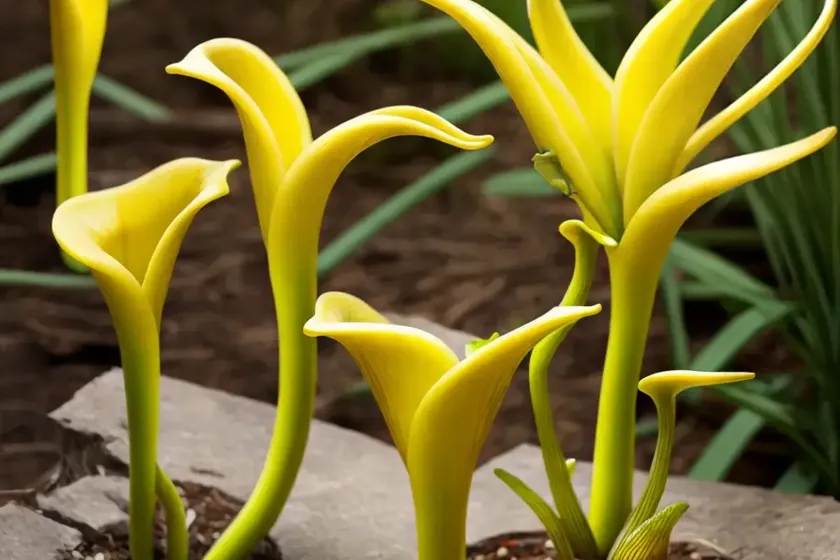
The yellow pitcher plant, scientifically known as Sarracenia flava, is a fascinating and unique species that is bound to captivate any plant enthusiast. With its carnivorous nature and distinct physical characteristics, this plant has become a popular choice for enthusiasts looking to add an element of intrigue to their botanical collection. In this comprehensive guide, we will delve into the intricate aspects of the yellow pitcher plant, from its habitat and ecological adaptations to its care requirements and propagation techniques.
What is the Yellow Pitcher Plant (Sarracenia flava)?
The Sarracenia flava, or yellow pitcher plant, is a species of carnivorous plant that belongs to the Sarraceniaceae family. Native to North America, particularly the Southeastern United States, this plant thrives in boggy, acidic environments and is known for its striking, pitcher-shaped leaves. These specialized leaves are designed to attract, capture, and digest insects, allowing the plant to supplement its nutritional requirements in nutrient-poor habitats.
Key Takeaways – Yellow Pitcher Plant (Sarracenia flava)
Before we delve into the specific care and cultivation practices for the yellow pitcher plant, let’s highlight the key takeaways that will guide our exploration of this captivating species:
- Plant Name: Yellow Pitcher Plant (Sarracenia flava)
- Plant Species: Sarracenia flava
- Common Name: Yellow pitcher plant
- Family: Sarraceniaceae
- Nature: Carnivorous
- Habitat: Boggy environments
- Distinct Feature: Pitcher-shaped leaves
With these key takeaways in mind, let’s embark on an in-depth journey into the world of the yellow pitcher plant, exploring its cultural significance, unique characteristics, and best practices for nurturing this captivating species.
Culture
Understanding the cultural significance and traditional uses of the yellow pitcher plant can provide valuable insights into its historical relevance and ecological contributions. Additionally, gaining awareness of its ecological adaptations and interactions within its natural habitat is essential for effectively replicating these conditions in a cultivated setting.
Uses
The yellow pitcher plant (Sarracenia flava) has garnered attention not only for its scenic beauty but also for its ecological role as a carnivorous plant. In addition to its aesthetic appeal, this species plays a crucial role in insect control, helping to maintain ecological balance in its native boggy habitats. Furthermore, the plant has been of interest to researchers and plant enthusiasts for its unique adaptations, including its efficient nutrient acquisition through carnivory.
Water
As with any plant species, understanding its water requirements is vital for ensuring optimal growth and health. The yellow pitcher plant, with its specific habitat preferences, requires specific attention to its water needs to replicate its natural environment effectively.
Sunlight
Sunlight plays a pivotal role in the growth and development of plants, and the yellow pitcher plant is no exception. Understanding its sunlight requirements is essential for cultivating healthy and vibrant specimens.
Fertilizer
While carnivorous plants have evolved to acquire nutrients through their specialized adaptations, understanding their fertilizer requirements in a cultivated setting is crucial for supporting their growth and overall health.
Soil
The unique soil preferences and substrate requirements of the yellow pitcher plant must be carefully considered to mimic its natural boggy environment and ensure long-term success in cultivation.
Pruning
While the standard concept of pruning may not directly apply to carnivorous plants like the yellow pitcher plant, understanding how to manage and maintain its pitcher leaves is essential for preserving the plant’s health and functionality.
Propagation
Effective propagation methods are critical for expanding and conserving the population of the yellow pitcher plant. Understanding the most suitable techniques for propagating this species is essential for its continued cultivation and conservation efforts.
Container Popularity
The yellow pitcher plant has gained popularity as a container plant, making it a sought-after addition to indoor and outdoor botanical collections. Understanding the specific container requirements for this species is essential for ensuring its well-being in a container environment.
Common Diseases
Like all living organisms, the yellow pitcher plant is susceptible to certain diseases and health issues. By familiarizing ourselves with these potential ailments, we can take proactive measures to prevent and address them effectively.
Disease Diagnosis
Identifying common diseases that affect the yellow pitcher plant is essential for implementing timely and targeted treatments, safeguarding the plant’s health and vitality.
Common Pests
In addition to diseases, carnivorous plants like the yellow pitcher plant can be affected by specific pests. Understanding these potential threats is crucial for implementing a strategic pest management approach.
Botanist’s Tips
As we immerse ourselves in the world of the yellow pitcher plant, it’s invaluable to glean insights and advice from experienced botanists and plant enthusiasts who have honed their skills in cultivating and appreciating this unique species.
Fun Facts
Uncovering the captivating and intriguing aspects of the yellow pitcher plant adds an enriching dimension to our exploration. Let’s uncover some lesser-known, fascinating facts about this remarkable species.
Now that we’ve outlined the core sections for our comprehensive guide to the yellow pitcher plant (Sarracenia flava), we can proceed to delve into each aspect in detail. Through a carefully crafted blend of scientific insights, practical tips, and captivating anecdotes, we aim to provide a resource that serves as a benchmark for plant enthusiasts and researchers alike.
References
The following is a list of references used in the production of this comprehensive guide to the yellow pitcher plant:
1. “Sarracenia flava” – Carnivorous Plant Database. Link
2. “Sarracenia Flava: Cultivation and Propagation” – The Carnivorous Plant FAQ. Link
3. “Carnivorous Plant – The Pitcher Plant” – Brooklyn Botanic Garden. Link
4. “Carnivorous Plant Care: Tips for Growing Pitcher Plants” – Gardening Know How. Link


