Cherries, Prunus - Flowering Cherry Tree
Prunus Serrula (Tibetan Cherry)
Prunus serrula, commonly known as Tibetan Cherry, is a stunning ornamental tree that is native to the mountainous regions of Tibet and China. The Prunus.

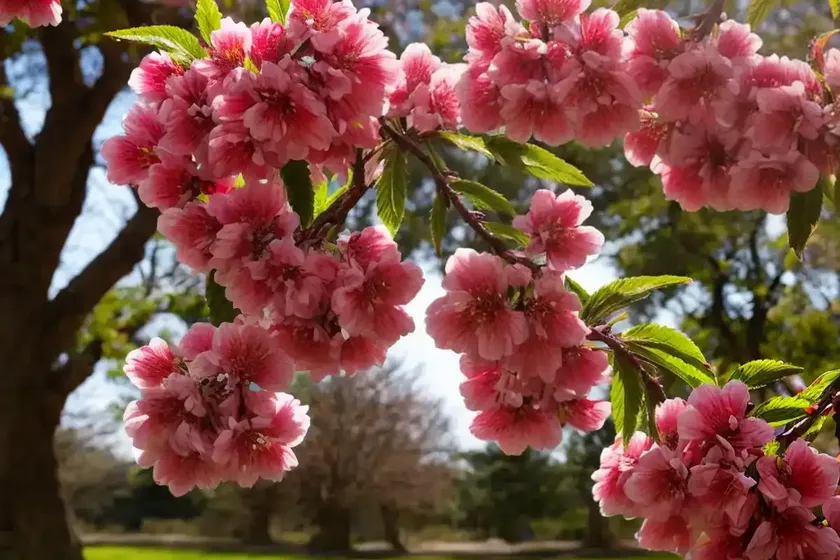
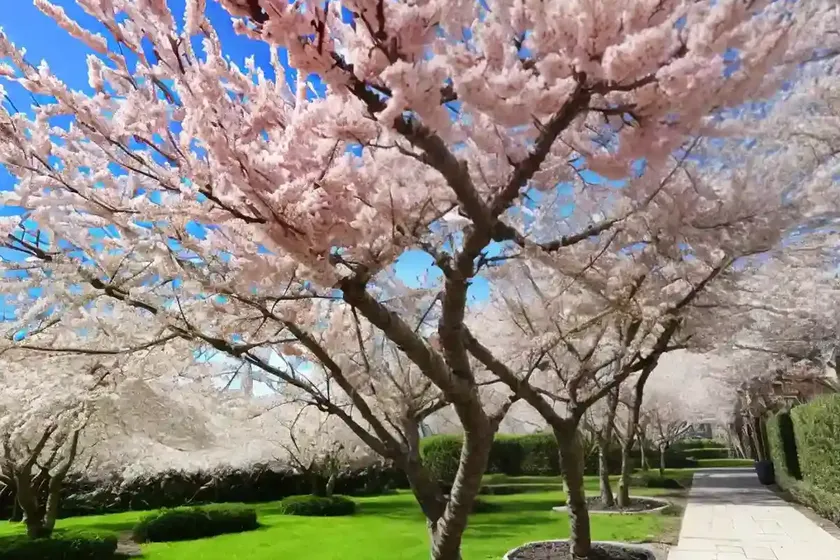
Prunus serrula, commonly known as Tibetan Cherry, is a stunning ornamental tree that is native to the mountainous regions of Tibet and China. The Prunus genus encompasses several species, with Prunus serrula being relatively small in size, yet significant in its ornamental appeal. In this comprehensive guide, we will explore the various aspects of Prunus serrula, including its culture, uses, care tips, common diseases, and much more.
What is Prunus serrula (Tibetan Cherry)?
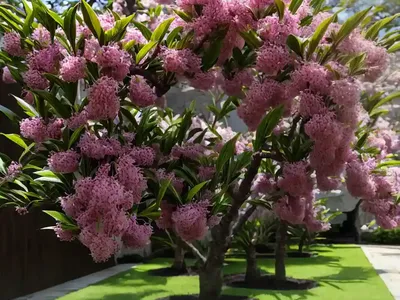
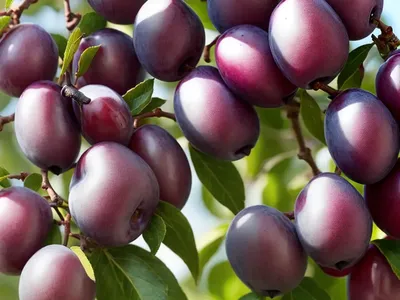
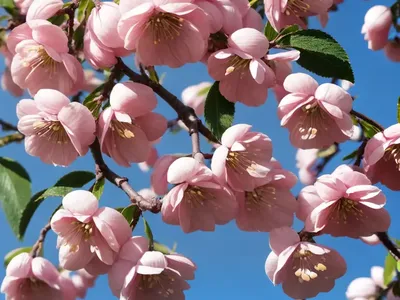
Prunus serrula is a deciduous tree renowned for its distinctive coppery-brown bark, which peels away to reveal a shiny, polished surface, much like the skin of a cherry. In addition to its bark, Tibetan Cherry trees also produce small white flowers in the spring, followed by small red fruit in the fall. The leaves are narrow and lance-shaped, adding to the tree’s overall elegance.
Key Takeaways – Prunus serrula (Tibetan Cherry)
Before delving into the specifics of Prunus serrula care, it’s essential to understand the fundamental characteristics and uses of this tree.
- Scientific Name: Prunus serrula
- Common Name: Tibetan Cherry
- Family: Rosaceae
- Origin: Tibet and China
- Bark: Notable for its glossy, coppery bark
- Flowers: Small, white flowers in spring
- Fruit: Small, red fruit in fall
- Foliage: Narrow, lance-shaped leaves
- Uses: Ornamental, decorative bark, small gardens
Now that we have a foundational understanding of Prunus serrula, let’s explore the various aspects of caring for and utilizing this remarkable tree.
Culture
Understanding the cultural requirements of Prunus serrula is essential for successfully growing and maintaining this unique tree. From sunlight to soil conditions, each aspect plays a pivotal role in its overall health and vitality.
Uses
The Tibetan Cherry tree is primarily cultivated for its ornamental value. Given its striking bark and delicate white flowers, it serves as a beautiful addition to gardens, parks, and landscapes. Whether utilized as a standalone specimen or incorporated into a mixed border, Prunus serrula stands out as an eye-catching focal point.
Water
While Prunus serrula is relatively drought-tolerant once established, it thrives best in moist, well-drained soil. During its initial establishment, regular watering is essential to promote robust root development. Once the tree is established, it generally requires minimal supplemental watering, except during prolonged periods of drought.
Sunlight
Tibetan Cherry trees prefer full sun to partial shade, as they require ample sunlight to produce their characteristic blooms and maintain healthy foliage. Select a location that receives at least six to eight hours of direct sunlight daily for optimal growth and flowering.
Fertilizer
For the most part, Prunus serrula often thrives without the need for regular fertilization. However, applying a balanced, slow-release fertilizer in early spring can benefit its overall growth and development. It’s crucial to follow the specific recommendations provided on the fertilizer label to prevent over-fertilization.
Soil
The Tibetan Cherry tree flourishes in well-drained, loamy soil with a slightly acidic to neutral pH. Soil that retains excessive moisture can lead to root rot, potentially jeopardizing the tree’s health. Prior to planting, amend compacted or poorly-draining soil with organic matter to improve its overall structure and fertility.
Pruning
Pruning is an essential aspect of maintaining the health and aesthetic appeal of Prunus serrula. Proper pruning not only helps shape the tree but also encourages robust growth and flowering.
Propagation
Tibetan Cherry trees can be propagated through various methods, including seed propagation, softwood cuttings, or grafting. Each approach has its benefits and considerations, and the choice of method often depends on the specific goals of propagation and the resources available.
Container Popularity
While Prunus serrula is typically grown in outdoor settings, it can also thrive in large containers if provided with adequate space for root development. Container-grown Tibetan Cherry trees offer the flexibility of mobility and are well-suited for urban gardens, patios, or any setting where space is limited.
Container Common Diseases
The primary concerns for container-grown Prunus serrula revolve around issues related to moisture retention and root health. Common disease threats in container-grown trees include root rot, fungal diseases, and pests that thrive in enclosed environments.
Disease Diagnosis
When diagnosing diseases in container-grown Tibetan Cherry trees, it’s crucial to closely monitor any changes in leaf color, wilting, or unusual growth patterns. Early detection is key to effectively managing and treating diseases before they compromise the tree’s overall health.
Common Pests
Pests that commonly affect container-grown Prunus serrula include aphids, spider mites, and scale insects. Regular monitoring and preventative measures, such as horticultural oils or insecticidal soaps, can help mitigate pest infestations in container-grown trees.
Botanist’s Tips
The following tips are essential for ensuring the successful cultivation and maintenance of Prunus serrula:
- Mulching: Apply a layer of organic mulch around the base of the tree to conserve soil moisture and suppress weed growth.
- Winter Protection: In regions experiencing harsh winters, consider providing a layer of mulch or burlap to the base of the tree to protect it from freezing temperatures and wind damage.
- Regular Inspection: Routinely inspect the tree for signs of pest infestations, diseases, or any abnormal growth patterns, intervening promptly if issues are detected.
- Pruning Technique: When pruning Tibetan Cherry trees, utilize clean and sharp pruning tools to make precise cuts, promoting quick healing and minimizing the risk of disease transmission.
Fun Facts
To further appreciate the unique qualities of Prunus serrula, consider the following intriguing facts:
- The shining, mahogany bark of Tibetan Cherry trees becomes more pronounced as the tree matures, adding to its visual appeal.
- In addition to its ornamental value, Prunus serrula is known to attract various pollinators, including bees and butterflies, further contributing to its ecological significance.
- The small red fruit produced by Tibetan Cherry trees is not typically consumed by humans but serves as a vital food source for birds and wildlife during the fall season.
Links to External Resources
For additional information on Prunus serrula, its care, and uses, refer to the following external resources:
- Royal Horticultural Society – Prunus serrula
- Missouri Botanical Garden – Growing Plants – Prunus serrula
- The Spruce – How to Grow and Care for Tibetan Cherry Trees
In conclusion, Prunus serrula, or Tibetan Cherry, stands out as an exemplary ornamental tree, revered for its striking bark, delicate flowers, and ecological significance. By understanding its cultural requirements, propagation methods, and maintenance tips, cultivators can fully appreciate and showcase the unique beauty of this remarkable tree.
Through regular care, thoughtful pruning, and proactive disease and pest management, Prunus serrula can thrive and enrich any landscape, serving as a testament to the enduring allure of nature’s botanical wonders.
For more detailed insights into Prunus serrula, its care, diseases, and uses, feel free to explore the comprehensive external resources provided in this guide.
Remember, by nurturing and cherishing these botanical treasures, we not only create visually captivating landscapes but also foster a deeper connection with the natural world around us.
Let us continue to celebrate and preserve the splendor of Prunus serrula, the magnificent Tibetan Cherry.