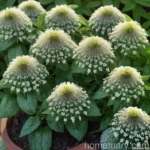
Slender Mountain Mint (Pycnanthemum Tenuifolium): A Comprehensive Guide
Slender Mountain Mint, scientifically known as Pycnanthemum tenuifolium, is a beautiful and versatile plant that has gained popularity among both gardeners and herbalists. Its delicate foliage and aromatic qualities make it a valuable addition to gardens and landscapes, while its traditional uses in herbal medicine have sparked renewed interest in its cultivation. In this comprehensive guide, we will explore the various facets of Slender Mountain Mint, including its cultural requirements, uses, maintenance, and ecological significance.
What is Slender Mountain Mint (Pycnanthemum Tenuifolium)?
Slender Mountain Mint, also known as Slender Mountain Mint, is a member of the mint family (Lamiaceae) and is native to North America. It is a herbaceous perennial plant known for its slender, lance-shaped leaves and clusters of small, white or pale pink flowers. The plant typically grows to a height of 1 to 3 feet and blooms from mid to late summer, attracting pollinators such as bees and butterflies with its nectar-rich flowers. Slender Mountain Mint is commonly found in open woodlands, meadows, and prairies, thriving in sunny to partially shaded locations with well-drained soil.
Key Takeaways – Slender Mountain Mint (Pycnanthemum Tenuifolium)
As we delve deeper into the characteristics and cultivation of Slender Mountain Mint, it’s essential to highlight the key takeaways that will be covered in this guide:
- Cultural requirements, including water, sunlight, and soil preferences for Slender Mountain Mint.
- Uses of the plant in landscaping, herbal medicine, and culinary applications.
- Maintenance practices such as pruning, fertilization, and disease management.
- Propagation methods and considerations for cultivating Slender Mountain Mint in containers.
- Common pests and diseases that affect the plant, along with botanist’s tips for effective management.
- Fun facts and ecological significance of Slender Mountain Mint.
- Links to external resources for further exploration of the plant’s characteristics and uses.
Now, let’s explore each of these aspects in detail to gain a comprehensive understanding of Slender Mountain Mint and its cultivation.
Culture
Cultural requirements play a crucial role in the successful cultivation of Slender Mountain Mint. Understanding the plant’s preferences for water, sunlight, soil, and other environmental factors is essential for creating an optimal growing environment.
Water
Slender Mountain Mint thrives in moderately moist to dry soil conditions, making it well-adapted to xeriscapes and drought-tolerant landscapes. Once established, the plant exhibits good tolerance to dry spells and is relatively low-maintenance in terms of watering. However, consistent moisture can promote vigorous growth and blooming. When watering Slender Mountain Mint, it is important to allow the soil to dry out between waterings to prevent waterlogging, which can lead to root rot and other issues.
Sunlight
In terms of sunlight requirements, Slender Mountain Mint prefers full sun to partial shade. It can tolerate a wide range of light conditions, making it adaptable to various garden settings. When grown in full sun, the plant tends to develop more compact growth and abundant flowering. In contrast, partial shade can help prevent excessive heat stress, particularly in regions with hot summers.
Soil
The soil preferences of Slender Mountain Mint align with its natural habitat, favoring well-drained, sandy or loamy soils. It can adapt to different soil types, including clay, as long as the drainage is adequate. Amending heavy soils with organic matter can improve the overall soil structure and enhance the plant’s performance. The pH range for Slender Mountain Mint is typically between 6.0 and 7.5, indicating a preference for slightly acidic to neutral soil conditions.
Uses
Slender Mountain Mint offers a range of uses, spanning from ornamental and aromatic qualities to medicinal and culinary applications. Understanding the diverse uses of the plant can help gardeners and enthusiasts appreciate its value and explore creative ways to incorporate it into their landscapes and lifestyles.
Landscaping
In landscaping, Slender Mountain Mint serves as an attractive and functional plant, contributing to both aesthetic appeal and ecological services. Its delicate foliage and profusion of flowers make it a valuable addition to herb gardens, meadows, and wildlife-friendly landscapes. The plant’s nectar-rich flowers attract pollinators, supporting biodiversity and contributing to the overall health of ecosystems. Additionally, Slender Mountain Mint can be used in mixed perennial borders, naturalistic plantings, and rain gardens, where its adaptability to different soil and light conditions comes into play.
Herbal Medicine
The traditional uses of Slender Mountain Mint in herbal medicine have contributed to its renewed popularity among herbalists and natural health enthusiasts. The aromatic leaves and flowers of the plant contain essential oils and bioactive compounds with potential medicinal properties. As a member of the mint family, Slender Mountain Mint shares some similarities with its aromatic and medicinal counterparts, such as Peppermint and Spearmint. It is known for its digestive and calming properties, often used in teas and infusions for its soothing effects. Additionally, its essential oil has been explored for its potential as a natural insect repellent and aromatherapy ingredient.
Culinary Applications
In culinary applications, Slender Mountain Mint can be used as a flavorful and aromatic herb, lending its refreshing and slightly spicy notes to various dishes and beverages. The leaves can be harvested and used fresh or dried to infuse teas, flavor culinary creations, or garnish desserts. The plant’s minty aroma and mild flavor make it a versatile ingredient for both sweet and savory recipes, adding a unique touch to drinks, salads, sauces, and more. The culinary uses of Slender Mountain Mint provide an opportunity for culinary enthusiasts and chefs to explore the plant’s sensory qualities and experiment with its diverse flavor profile.
Water
Slender Mountain Mint thrives in moderately moist to dry soil conditions, making it well-adapted to xeriscapes and drought-tolerant landscapes. Once established, the plant exhibits good tolerance to dry spells and is relatively low-maintenance in terms of watering. However, consistent moisture can promote vigorous growth and blooming. When watering Slender Mountain Mint, it is important to allow the soil to dry out between waterings to prevent waterlogging, which can lead to root rot and other issues.
Sunlight
In terms of sunlight requirements, Slender Mountain Mint prefers full sun to partial shade. It can tolerate a wide range of light conditions, making it adaptable to various garden settings. When grown in full sun, the plant tends to develop more compact growth and abundant flowering. In contrast, partial shade can help prevent excessive heat stress, particularly in regions with hot summers.
Soil
The soil preferences of Slender Mountain Mint align with its natural habitat, favoring well-drained, sandy or loamy soils. It can adapt to different soil types, including clay, as long as the drainage is adequate. Amending heavy soils with organic matter can improve the overall soil structure and enhance the plant’s performance. The pH range for Slender Mountain Mint is typically between 6.0 and 7.5, indicating a preference for slightly acidic to neutral soil conditions.
Fertilizer
When it comes to fertilizing Slender Mountain Mint, a balanced and sparing approach is recommended to avoid excessively lush growth that can compromise the plant’s natural resilience and aroma. The use of organic fertilizers, such as compost, well-aged manure, or a balanced slow-release fertilizer, can provide the necessary nutrients without inducing excessive vegetative growth. Applying a thin layer of organic mulch around the base of the plant can also provide a steady supply of nutrients as it breaks down over time. It is important to monitor the plant’s growth and adjust the fertilization practices accordingly, prioritizing the overall health and vitality of Slender Mountain Mint.
Pruning
Pruning Slender Mountain Mint is a straightforward practice that helps maintain the plant’s shape, control its spread, and encourage bushy growth. The plant benefits from occasional pruning to remove spent flowers, prevent self-seeding, and limit the expansion of the rhizomatous roots. Pruning can be done throughout the growing season and can involve removing the top portion of the stems to promote branching and a more compact habit. Additionally, regular deadheading can prolong the flowering period and enhance the plant’s overall appearance. By incorporating pruning into the maintenance routine, gardeners can manage the growth of Slender Mountain Mint and prevent it from becoming overly aggressive in the garden.
Propagation
Division
One of the most common methods for propagating Slender Mountain Mint is through division, which involves separating the plant’s rhizomes to create new and self-sustaining individuals. Division is best done in early spring or fall when the plant is not actively flowering, allowing the transplants to establish without the added stress of blooming. To propagate Slender Mountain Mint by division, the following steps can be followed:
- Carefully dig up the mature plant, ensuring that the root system remains intact.
- Use a sharp and clean garden knife or spade to divide the plant into sections, each containing healthy roots and a portion of the rhizome.
- Replant the divided sections in prepared soil, ensuring proper spacing and adequate moisture during the establishment period.
- Water the transplants gently and monitor their growth to ensure successful establishment.
Division is an effective and reliable method for multiplying Slender Mountain Mint, allowing gardeners to expand their plantings and share the beauty and benefits of the species with others.
Seed Propagation
While Slender Mountain Mint can be propagated from seeds, this method requires patience and attention to specific environmental conditions to achieve successful germination. The seeds of Slender Mountain Mint can be collected from mature flower heads and sown in well-prepared seed-starting trays or directly in the garden soil. The following guidelines can support successful seed propagation of Slender Mountain Mint:
- Obtain mature seeds from the plant’s flowers and allow them to fully dry before gently collecting and storing them in a cool, dry place.
- In early spring, sow the seeds in a prepared seed-starting mix, covering them lightly with soil and ensuring consistent moisture.
- Maintain the seed-starting trays in a warm and bright location, providing the necessary humidity and ventilation to support germination.
- Once the seedlings have developed several sets of true leaves, they can be transplanted into individual containers or directly into the garden, following proper spacing and cultural requirements.
Seed propagation offers a cost-effective and rewarding way to propagate Slender Mountain Mint, allowing for the introduction of new genetic diversity and the potential for the development of unique traits in the offspring.
Stem Cuttings
Another propagation method for Slender Mountain Mint involves taking stem cuttings from the parent plant and encouraging them to develop roots, leading to the formation of new, genetically identical individuals. Stem cuttings can be taken from healthy and vigorous stems, typically in late spring or early summer when the plant is actively growing. The following steps outline the process of propagating Slender Mountain Mint from stem cuttings:
- Select a healthy and non-flowering stem from the parent plant, ensuring that it exhibits vigorous growth and lacks signs of disease or damage.
- Using a sharp and clean garden pruner or knife, take a 4 to 6-inch cutting from the selected stem, making the cut just below a leaf node.
- Remove the lower leaves from the cutting, leaving a few sets of leaves at the top to support ongoing growth and photosynthesis.
- Plant the cuttings in a well-draining potting mix, ensuring good contact between the stem and the soil, and water thoroughly.
- Place the potted cuttings in a warm and bright location, protecting them from direct sunlight and maintaining consistent moisture levels to support root development.
Stem cuttings offer a reliable and efficient method for propagating Slender Mountain Mint, allowing gardeners to generate new plants with consistent traits and characteristics.
Container Popularity
The adaptability and ornamental value of Slender Mountain Mint have contributed to its rising popularity as a container plant, suitable for various gardening styles and settings. When grown in containers, the plant’s cultural requirements, such as water, sunlight, soil, and space, can be carefully managed to create an optimal growing environment. Container cultivation offers several advantages for Slender Mountain Mint, including the ability to control its spread, provide customized soil conditions, and showcase the plant’s beauty in smaller-scale landscapes.
Container Common Diseases
While growing Slender Mountain Mint in containers can offer a degree of protection from certain soil-borne diseases and pests, it is important to be aware of the potential issues that can affect the plant in this cultivation setting. Common diseases that may impact Slender Mountain Mint in containers include:
-
Powdery Mildew: This fungal disease can develop in conditions of high humidity and limited air circulation, leading to the formation of powdery white patches on the plant’s foliage. To prevent powdery mildew, it is important to provide adequate spacing between containers, promote good air circulation, and avoid overhead watering.
-
Root Rot: Excessive moisture and poor drainage can lead to the development of root rot, causing the plant’s roots to deteriorate and affecting its overall health. To prevent root rot in container-grown Slender Mountain Mint, it is essential to use well-draining potting mix, avoid overwatering, and ensure proper drainage in the containers.
Disease Diagnosis
Diagnosing diseases in container-grown Slender Mountain Mint involves careful observation of the plant’s symptoms, including changes in foliage color, texture, and overall vigor. It is essential to monitor the cultural conditions, such as watering, sunlight, and ventilation, to identify potential contributors to disease development. Seeking the guidance of a plant pathologist or experienced horticulturist can also provide valuable insights into disease diagnosis and management, helping to preserve the health and vitality of container-grown Slender Mountain Mint.
Common Pests
While Slender Mountain Mint is known for its relatively good resistance to pest infestations, certain insects can still pose a threat to the plant, particularly in specific environmental conditions and cultivation settings. Common pests that may affect Slender Mountain Mint include:
-
Spider Mites: These tiny arachnids can infest the plant’s foliage, causing stippling and discoloration as they feed on the plant’s sap. Spider mites thrive in dry and dusty conditions, making it essential to maintain adequate humidity and cleanliness around container-grown Slender Mountain Mint.
-
Aphids: These soft-bodied insects can congregate on the tender shoots and foliage of Slender Mountain Mint, causing distortion and sap depletion. Aphids are attracted to the new growth of the plant, particularly in warm and sheltered environments, necessitating vigilant monitoring and proactive pest control measures.
Botanist’s Tips
To effectively manage pests and diseases in container-grown Slender Mountain Mint, botanist’s tips and best practices can provide valuable guidance for maintaining the plant’s health and resilience. Some recommended strategies include:
-
Regular Monitoring: Consistent observation of the plant’s foliage, growth habits, and overall vitality can help detect pest infestations and disease symptoms at an early stage, allowing for timely intervention and management.
-
Cultural Practices: Implementing cultural practices such as proper watering, pruning, and fertilization can contribute to the plant’s natural defenses, reducing its susceptibility to pests and diseases.
-
Natural Predators: Encouraging the presence of natural predators, such as ladybugs and lacewings, can help control pest populations without the need for chemical interventions, promoting a balanced and sustainable approach to pest management.
-
Integrated Pest Management (IPM): Adopting an integrated pest management approach, which combines biological, cultural, and selective chemical control methods, can help address pest and disease issues while minimizing the impact on beneficial organisms and the environment.
By incorporating these tips and practices into the care routine for container-grown Slender Mountain Mint, gardeners can maintain the plant’s health and vitality while fostering a thriving and balanced ecosystem within the container garden.
Fun Facts
Exploring the fascinating and unique aspects of Slender Mountain Mint can offer insights into its ecological significance, historical uses, and cultural symbolism. Here are some fun facts that highlight the distinctive qualities of the plant:
- Ecological Role: Slender Mountain Mint plays a valuable role in supporting pollinators and beneficial insects, contributing to the biodiversity and resilience of natural ecosystems.
- Historical Uses: The indigenous peoples of North America traditionally used various parts of the plant for medicinal and ceremonial purposes, recognizing its aromatic and therapeutic properties.
- Culinary Traditions: The leaves and flowers of Slender Mountain Mint have been incorporated into traditional cuisines and culinary practices, adding a refreshing and aromatic touch to regional dishes.
By embracing the remarkable qualities and heritage of Slender Mountain Mint, enthusiasts can develop a deeper appreciation for the plant and its cultural significance.
Links to External Resources
For further exploration and in-depth information about Slender Mountain Mint, the following external resources can provide valuable insights, practical tips, and research-based guidance:
- The Herb Society of America
- United States Department of Agriculture – Plants Database
- Missouri Botanical Garden – Plant Finder
These resources offer credible and reliable information on Slender Mountain Mint, encompassing its botanical characteristics, cultural requirements, and potential uses in diverse contexts.
In conclusion, Slender Mountain Mint (Pycnanthemum Tenuifolium) stands as a versatile and valuable plant with a rich heritage and practical applications. Its ornamental, aromatic, and ecological qualities make it a compelling choice for gardeners, herbalists, and nature enthusiasts who seek to embrace the beauty and benefits of native flora. By understanding the cultural requirements, uses, maintenance, and ecological significance of Slender Mountain Mint, individuals can cultivate and appreciate this remarkable plant while contributing to the preservation of local biodiversity and cultural traditions.
As we continue to uncover the remarkable diversity of plant life, species such as Slender Mountain Mint remind us of the interconnectedness between nature and human culture, inspiring a deeper sense of stewardship and admiration for the botanical world.