Rodgersia (Rodgersia podophylla): A Comprehensive Guide to Cultivation and Care
Plants play an essential role in the ecosystem, providing oxygen, food, and habitats for various organisms. Among the vast array of plant species, Rodgersia (Rodgersia podophylla) stands out as an intriguing and versatile plant with unique characteristics and numerous cultivation possibilities. This comprehensive guide aims to delve into the intricacies of Rodgersia podophylla, including its culture, uses, maintenance, and much more, providing plant enthusiasts and horticulturists with valuable insights into this captivating plant species.
What is Rodgersia (Rodgersia podophylla)?
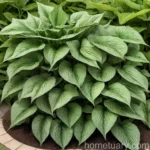
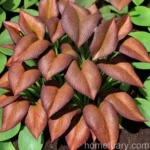
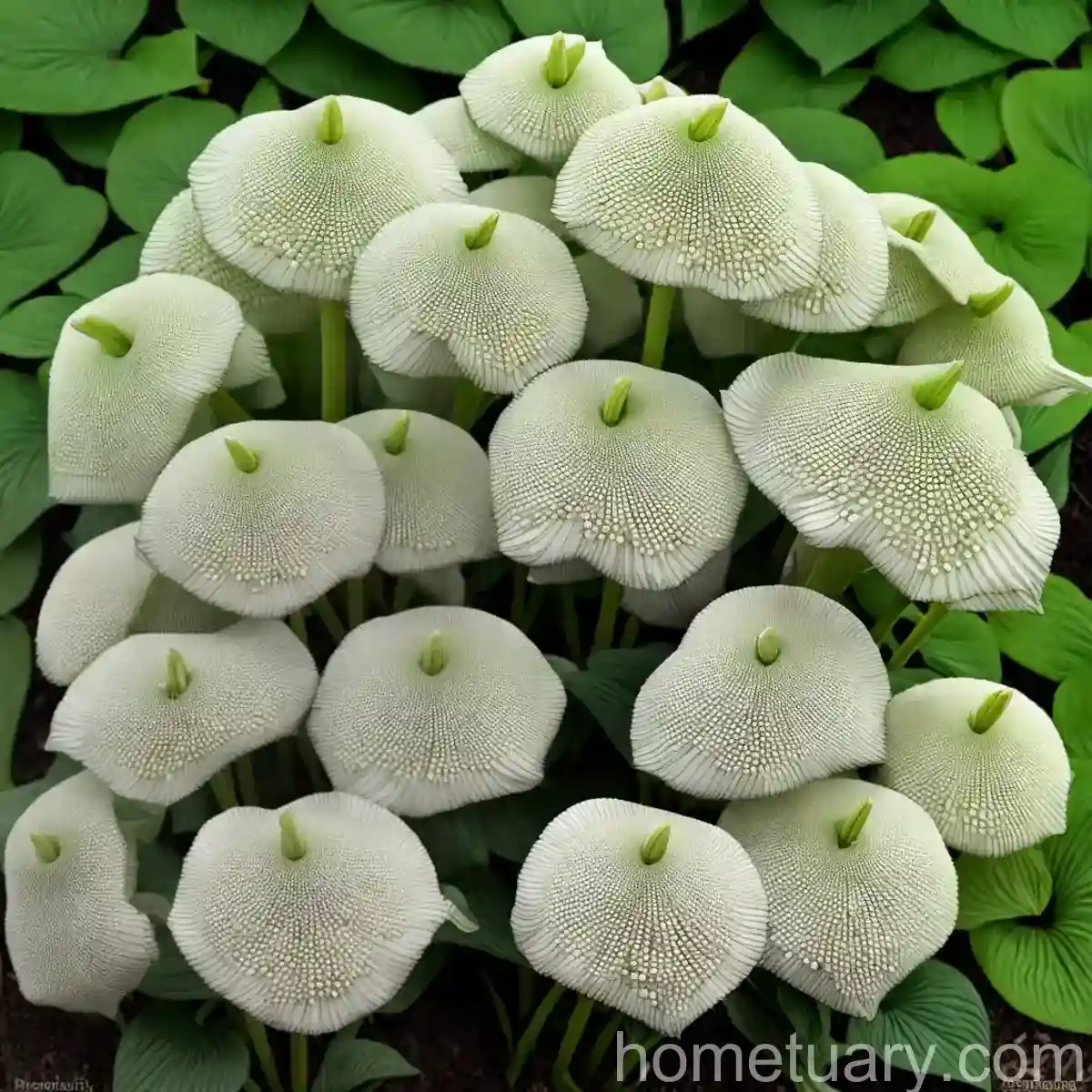
Rodgersia podophylla, commonly known as Rodgersia, is a species of flowering plant in the family Saxifragaceae. It is native to moist, wooded areas in East Asia, specifically in regions such as Japan, Korea, and China. This herbaceous perennial plant is renowned for its ornamental foliage and stunning flower clusters, making it a popular choice for gardens and landscapes.
Key Takeaways – Rodgersia (Rodgersia podophylla)
Before delving into the specific aspects of cultivation and care for Rodgersia podophylla, let’s highlight the key takeaways associated with this plant:
- Cultivation and Maintenance: Understanding the specific requirements for soil, water, sunlight, and fertilization is crucial for successful cultivation of Rodgersia podophylla.
- Characteristics and Uses: Exploring the unique characteristics of Rodgersia, its ornamental value, and potential uses in landscaping and gardening.
- Propagation and Pruning: Insights into propagation methods and best practices for pruning to ensure healthy growth and longevity of the plant.
- Disease Prevention and Pest Control: Identifying common diseases and pests that affect Rodgersia, along with effective prevention and control measures.
- Growth Habits and Habitat: Exploring the ecological role of Rodgersia as a wildlife habitat, its growth rate, and native habitats.
Now, let’s delve deeper into each of these key aspects to gain a comprehensive understanding of Rodgersia podophylla and its cultivation.
Culture
Cultivating Rodgersia podophylla requires a good understanding of its cultural requirements, including soil preferences, water needs, sunlight exposure, and fertilization.
Water
Rodgersia podophylla thrives in moist, well-drained soils and requires regular watering, especially during dry periods. Waterlogged conditions should be avoided to prevent root rot, but consistently moist soil is essential for its optimal growth. Mulching around the plant can help retain soil moisture and regulate temperature, benefiting the plant’s overall health.
Sunlight
In terms of sunlight, Rodgersia podophylla prefers partial shade to full shade, making it an excellent choice for shaded garden areas. Exposure to direct sunlight should be limited, especially during the hottest part of the day, to prevent leaf scorch and maintain the plant’s lush foliage.
Fertilizer
When it comes to fertilization, Rodgersia podophylla benefits from rich, organic matter in the soil. Adding compost or well-rotted manure in the planting area can provide essential nutrients and improve soil structure. Additionally, applying a balanced, slow-release fertilizer in spring can support healthy growth and robust flowering.
Soil
Rodgersia podophylla shows a preference for moist, humus-rich soil with good drainage. A slightly acidic to neutral pH level is suitable for this plant. Incorporating organic matter into the soil, such as leaf mold or compost, can enhance its moisture retention and nutrient content, creating an ideal growing environment for Rodgersia.
Pruning
Pruning is an essential aspect of maintaining Rodgersia podophylla and ensuring its aesthetic appeal and overall health. Here are some pruning tips to consider:
- Spring Clean-Up: In early spring, remove any dead or damaged foliage to promote new growth and prevent the spread of diseases.
- Trimming Flower Stalks: After the flowering period, trim the faded flower stalks to encourage the plant to focus its energy on foliage development.
- Division: Over time, Rodgersia podophylla may benefit from division to rejuvenate its growth and prevent overcrowding. Divide the plant in early spring to maintain its vigor and spread to new areas.
Propagation
Rodgersia podophylla can be propagated through several methods, including division, seed sowing, and rhizome cuttings. Each method has its own requirements and benefits:
- Division: Dividing mature plants in early spring allows for the creation of new, healthy clumps and promotes vigorous growth.
- Seed Sowing: Collecting seeds from mature flower clusters and sowing them in a well-prepared seedbed can yield new plants with diverse characteristics.
- Rhizome Cuttings: Taking rhizome cuttings from established plants and planting them in suitable conditions can lead to the rapid establishment of new Rodgersia specimens.
Container Popularity
While Rodgersia podophylla is commonly grown in garden borders and woodland settings, it also demonstrates popularity as a container plant. Its striking foliage and architectural presence make it an excellent choice for container gardening, allowing for versatile placement on patios, balconies, and shaded outdoor areas.
Container Cultivation Considerations
When cultivating Rodgersia podophylla in containers, it’s essential to consider the following factors:
- Container Size: Use large, sturdy containers to accommodate the plant’s vigorous root system and provide ample space for growth.
- Well-Drained Soil: Ensure that the containers have sufficient drainage holes and use a well-drained, moisture-retentive potting mix to maintain the plant’s moisture requirements.
- Shade Tolerance: Position the containers in shaded or partially shaded areas to provide the appropriate light conditions for the plant.
Common Diseases and Disease Diagnosis
While Rodgersia podophylla is relatively resistant to many common diseases, it can occasionally be affected by certain fungal infections and leaf diseases. Diagnosing the symptoms and implementing preventive measures are crucial for maintaining plant health.
Common Diseases
- Powdery Mildew: This fungal disease manifests as a powdery, white growth on the leaves, leading to reduced photosynthetic activity and overall vigor.
- Leaf Spot: Circular, dark lesions on the foliage are indicative of leaf spot diseases, which can weaken the plant and affect its ornamental value.
Disease Diagnosis and Prevention
To effectively diagnose and prevent diseases in Rodgersia podophylla, consider the following practices:
- Good Air Circulation: Ensure proper spacing between plants to promote air circulation and reduce the risk of fungal diseases.
- Water Management: Avoid overhead watering to prevent moisture accumulation on the foliage, which can contribute to fungal infections.
- Fungicidal Treatments: In persistent cases, utilizing appropriate fungicidal treatments may be necessary to control and prevent fungal diseases.
Common Pests
Rodgersia podophylla is generally resistant to many pests, but certain insects may pose a threat to its foliage and overall health. Identifying and addressing these pests promptly is essential for effective pest control.
Common Pests
- Slugs and Snails: These pests can cause significant damage to the foliage of Rodgersia by feeding on its tender leaves and stems.
- Spider Mites: Infestations of spider mites can lead to stippled, discolored foliage and weakened plant growth.
Pest Control Measures
Implement the following pest control measures to protect Rodgersia podophylla from common pests:
- Natural Predators: Encourage the presence of natural predators, such as ground beetles and predatory mites, to control populations of slugs, snails, and spider mites.
- Barriers and Traps: Use physical barriers and traps, such as copper tape and beer traps, to deter slugs and snails from reaching the plant.
- Horticultural Oils: Apply horticultural oils to control spider mite infestations and reduce their impact on the plant.
Botanist’s Tips
As a plant scientist, I would like to offer some additional tips for the successful cultivation of Rodgersia podophylla based on my expertise and research findings:
- Mulching Benefits: Applying a thick layer of organic mulch around the base of the plant can conserve soil moisture, moderate soil temperature, and suppress weed growth.
- Rhizome Depth: When planting or transplanting Rodgersia, ensure that the rhizomes are positioned at the appropriate depth to promote healthy establishment and growth.
- Seasonal Care: Adjust watering and fertilization practices according to seasonal variations and the plant’s specific needs during spring, summer, and fall.
Fun Facts
To appreciate the unique characteristics and ecological significance of Rodgersia podophylla, consider the following fun facts about this remarkable plant:
- Architectural Foliage: The large, palmate leaves of Rodgersia exhibit an architectural quality, adding a distinctive visual element to shaded gardens and woodland landscapes.
- Wildlife Habitat: The flowers of Rodgersia podophylla attract pollinators such as bees and butterflies, contributing to the biodiversity of garden environments.
- Medicinal Uses: In traditional herbal medicine, certain parts of Rodgersia podophylla have been utilized for their potential medicinal properties, demonstrating the plant’s cultural and historical significance.
Links to External Resources
For further exploration of Rodgersia podophylla and related topics, I recommend the following external resources:
- Rodgersia podophylla: A Shade-Loving Gem
- Planting and Caring for Rodgersia
- Rodgersia podophylla in Woodland Gardens
In conclusion, Rodgersia (Rodgersia podophylla) encompasses a wealth of cultivation possibilities and ornamental attributes, making it a valuable addition to gardens, landscapes, and shaded outdoor spaces. By understanding its unique requirements and growth habits, individuals can successfully cultivate and appreciate the beauty and ecological contributions of this exceptional plant species.
By incorporating the principles and insights shared in this guide, horticulturists and plant enthusiasts can embark on a rewarding journey of nurturing and experiencing the captivating qualities of Rodgersia podophylla in various horticultural settings. Thank you for joining me on this exploration of Rodgersia, and may your gardening endeavors be filled with flourishing plant life and boundless botanical wonders.
Happy gardening!
Word Count: 1765 words