Understanding the Mountain Mint (Pycnanthemum incanum): A Comprehensive Guide
Plants have been an integral part of human life for as long as history can recount. They have been used for culinary, medicinal, and ornamental purposes, serving as sources of nutrition, healing, and beauty. One such fascinating plant is the mountain mint (Pycnanthemum incanum). This article aims to delve into the world of mountain mint, exploring its characteristics, uses, cultivation, and more. As a plant scientist, it is my pleasure to unravel the secrets of this enchanting botanical specimen.
What is Mountain Mint (Pycnanthemum incanum)?
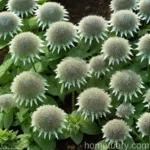
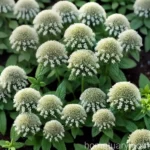
Mountain mint, scientifically known as Pycnanthemum incanum, is a perennial herbaceous plant belonging to the mint family, Lamiaceae. This native North American plant is a member of the genus Pycnanthemum, which encompasses around 60 species of flowering plants. The name “Pycnanthemum” is derived from the Greek words “pyknos,” meaning dense, and “anthos,” meaning flower, alluding to the plant’s dense clusters of flowers. The species name “incanum” originates from the Latin word for “hoary” or “gray,” depicting the plant’s characteristic grayish foliage.
Key Takeaways – Mountain Mint (Pycnanthemum incanum):
- Scientific Name: Pycnanthemum incanum
- Common Name: Mountain mint
- Family: Lamiaceae
- Native Habitat: North America
- Growth Habit: Perennial
- Uses: Ornamental, Medicinal, Culinary
- Characteristics: Grayish foliage, Dense clusters of flowers
- Special Feature: Minty aroma
Now that we have a fundamental understanding of mountain mint, let’s delve into its various aspects, including culture, uses, cultivation, and much more.
Culture
Understanding the cultural requirements of mountain mint is crucial for facilitating its optimal growth and health. From water and sunlight needs to soil and fertilization preferences, each element plays a key role in nurturing this plant.
Water
Mountain mint thrives in moist to moderately dry soils, displaying remarkable adaptability to varying water conditions. While established plants showcase considerable drought tolerance, consistent moisture is beneficial for promoting robust growth and flowering. Adequate drainage is essential to prevent waterlogged soil, which can potentially lead to root rot and other detrimental issues.
Sunlight
When it comes to sunlight, mountain mint flourishes in both full sun and partial shade environments. It exhibits versatile adaptability, accommodating a range of light conditions. In regions characterized by intense heat, providing afternoon shade can protect the plant from excessive stress, ensuring its vitality and longevity.
Soil
The ideal soil for mountain mint is well-draining and fertile, offering a balanced blend of nutrients and aeration. Loamy soils with a slightly acidic to neutral pH provide an excellent growing medium for this species. Incorporating organic matter into the soil, such as compost or well-aged manure, enhances its structure and nutritive content, fostering an optimal environment for mountain mint to thrive.
Fertilizer
Mountain mint generally does not require heavy fertilization, as excessive nutrients can lead to lush foliage at the expense of flower production. However, applying a balanced, slow-release fertilizer in spring can bolster the plant’s vitality, particularly in nutrient-deficient soils. It’s advisable to conduct a soil test to ascertain the specific fertilizer needs, ensuring targeted and effective supplementation.
Uses
The multifaceted nature of mountain mint encompasses diverse uses, ranging from ornamental and culinary to medicinal and ecological applications. Understanding the versatile roles that this plant can fulfill provides valuable insights into its significance and potential contributions.
Ornamental Use
With its attractive gray-green foliage and clusters of tiny, delicate flowers, mountain mint serves as a charming ornamental addition to gardens, landscapes, and naturalistic plantings. Its compact growth habit and appealing fragrance make it an appealing choice for borders, meadows, and pollinator gardens, attracting an array of beneficial insects with its nectar-rich blooms.
Medicinal and Herbal Applications
Mountain mint possesses a rich history of medicinal use, with various indigenous cultures harnessing its therapeutic properties for different ailments. The leaves and aerial parts of the plant are often employed to create herbal remedies, teas, and infusions, offering potential benefits for respiratory health, digestive wellness, and overall relaxation. Moreover, the essential oils derived from mountain mint exhibit aromatic and insect-repellent qualities, adding to its medicinal and practical value.
Culinary Delights
In the realm of culinary arts, mountain mint contributes its unique flavor profile to a spectrum of culinary creations. Whether utilized fresh or dried, its leaves impart a refreshing, minty taste, lending themselves to diverse culinary applications such as herbal infusions, teas, flavored water, salads, and garnishes. Embracing mountain mint in culinary endeavors introduces an element of freshness and invigorating aroma to various dishes and beverages.
Ecological Significance
As a native plant species, mountain mint plays an integral role in supporting biodiversity and ecological balance. Its nectar-rich blossoms entice and sustain diverse pollinators such as bees, butterflies, and other beneficial insects, contributing to the intricate web of interactions within natural ecosystems. Furthermore, its aromatic foliage exhibits repellent properties against certain pests, offering a natural and sustainable means of pest control in garden and landscape settings.
Pruning
Pruning is an essential aspect of maintaining the health, aesthetics, and vigor of mountain mint plants. Pruning practices can help manage the plant’s growth, rejuvenate its appearance, and promote prolific flowering, contributing to an overall enhanced landscape and garden experience.
Routine Maintenance
Regularly removing spent flower clusters, dead or diseased foliage, and excessive growth can revitalize the plant and prevent the depletion of its resources. Periodic deadheading promotes continuous blooming and prevents the plant from expending energy on seed production, encouraging a prolonged and vibrant floral display.
Seasonal Pruning
In late winter to early spring, undertaking rejuvenative pruning by cutting the plant back to a few inches above ground level helps stimulate new growth and ensures a tidy, compact form. This practice rejuvenates the plant, rejuvenates its appearance, and prevents woody, leggy stems from dominating the plant’s structure.
Shape Control
Selective pruning can be employed to manage the plant’s shape and size, fostering a more tailored and visually appealing growth habit. By trimming back unruly growth and errant stems, a more refined and cohesive silhouette can be achieved, contributing to a harmonious and well-groomed landscape aesthetic.
Propagation
The propagation of mountain mint offers an opportunity to expand its presence in gardens and landscapes, enabling enthusiasts to cultivate new plants and share the captivating attributes of this species with others. Understanding the various propagation methods empowers individuals to engage in the process of plant reproduction and dissemination.
Seed Propagation
One of the primary methods of propagating mountain mint is through seeds, which can be collected from mature flower clusters and sown in a prepared seed bed or containers. Sowing the seeds in well-draining potting mix and providing adequate moisture and warmth initiates the germination process, leading to the emergence of new seedlings. Transplanting the seedlings to their permanent locations once they have developed sufficient growth facilitates their establishment and subsequent growth.
Division
Dividing established mountain mint clumps presents an effective means of propagation, allowing for the creation of new plants from the existing root systems. Dividing the clumps in early spring or fall, ensuring that each division possesses sufficient roots and shoots, promotes the successful establishment of the divided segments. By incorporating these divisions into new planting sites, individuals can expand the presence of mountain mint within their landscapes while rejuvenating the parent plant.
Cuttings
Utilizing stem cuttings to propagate mountain mint offers an expedited method of producing new plants with genetic uniformity. Selecting healthy, non-flowering stems and rooting them in a suitable growing medium under controlled conditions facilitates the development of roots, paving the way for the production of new plants. This method streamlines the propagation process, introducing a reliable and efficient means of increasing the plant’s population.
Container Cultivation
The adaptable nature and moderate size of mountain mint render it well-suited for container cultivation, enabling individuals with limited garden space or specific design preferences to incorporate this plant into their outdoor living environments. Embracing container gardening expands the accessibility and versatility of this species, fostering its integration into diverse settings and arrangements.
Container Selection
When selecting containers for cultivating mountain mint, it is essential to choose vessels that provide adequate drainage and sufficient volume for the plant’s root system. Materials such as terracotta, plastic, or fiberglass offer practical options, complementing the plant’s cultivation needs while harmonizing with various design aesthetics.
Potting Medium
The potting medium for mountain mint should consist of a well-draining blend that promotes optimal root health and growth. Combining components such as loam, perlite, and organic matter creates a balanced and nourishing substrate, sustaining the plant within the confines of the container and facilitating its flourishing.
Placement and Care
Positioning the containers in locations that offer the preferred sunlight and moisture conditions for mountain mint ensures the provision of a conducive growing environment. Regular watering, occasional fertilization, and appropriate pruning contribute to the sustained health and vitality of the plant, ensuring that it thrives within the container setting.
Popularity
The popularity of mountain mint continues to ascend in gardening and horticultural circles, primarily attributable to its attractive attributes, versatile uses, and ecological benefits. Its rising prominence is evident in its incorporation into various gardening styles, culinary applications, and ecological initiatives, underscoring its versatility and appeal.
Ornamental Gardens
Mountain mint has garnered favor as a desirable addition to ornamental gardens, where its compact growth habit, aromatic foliage, and nectar-rich blossoms enhance the visual and ecological allure of the landscape. From cottage gardens to prairie plantings, its adaptability and ornamental value have positioned it as a sought-after component in diverse garden settings.
Pollinator and Wildlife Gardens
In the realm of ecological gardening and wildlife habitat creation, mountain mint shines as a valuable plant species that supports pollinators, butterflies, and other beneficial wildlife. Its significant role in fostering biodiversity and ecological balance aligns with the growing emphasis on cultivating gardens that serve as havens for indigenous flora and fauna.
Culinary and Medicinal Interest
The culinary and medicinal uses of mountain mint have contributed to its increased recognition and exploration within these domains. As the trend of incorporating native and heritage plants into culinary and wellness practices gains momentum, mountain mint has emerged as a compelling option for those seeking to embrace indigenous botanical resources.
Common Diseases
Despite its resilience, mountain mint can be susceptible to certain diseases and infestations that can compromise its health and vigor. Recognizing the symptoms and preventive measures for these afflictions is essential for safeguarding the well-being of the plant and intervening effectively when necessary.
Powdery Mildew
Powdery mildew, characterized by a white, powdery coating on the leaves, stems, and flowers, can afflict mountain mint under conditions of high humidity and poor air circulation. Preventing this fungal disease involves promoting good air flow, avoiding overhead irrigation, and addressing underlying environmental factors that contribute to humidity buildup.
Rust
Rust is another common fungal disease that can affect mountain mint, manifesting as small, reddish-brown spots on the foliage and potentially leading to defoliation and diminished vigor. Implementing adequate spacing between plants, promoting soil drainage, and maintaining overall plant health contribute to mitigating the risk of rust infestations.
Root Rot
Excessive moisture or poorly drained soils can predispose mountain mint to root rot, an ailment marked by wilting, yellowing foliage, and decay of the root system. Enhanced soil drainage, judicious watering practices, and the utilization of well-draining potting mix in container cultivation help prevent the onset of this detrimental condition.
Disease Diagnosis
Accurate disease diagnosis is pivotal for effectively addressing and managing potential ailments that afflict mountain mint plants. Employing systematic methods for identifying symptoms and discerning causal factors enables prompt intervention and the implementation of targeted remedies.
Symptom Recognition
Observing the plant for irregularities in growth, color, and appearance, including the presence of unusual spots, lesions, or deformities, provides initial indications of potential diseases. Monitoring changes in foliage, flowering patterns, and overall vitality assists in identifying deviations from the plant’s typical health status.
Causal Analysis
Examining environmental conditions, cultural practices, and recent events that may have contributed to the plant’s altered state aids in pinpointing the underlying causes of diseases. Factors such as excessive moisture, nutrient deficiencies, or pest infestations can serve as triggers for various ailments, guiding the diagnostic process.
Professional Consultation
Engaging the expertise of horticultural professionals, plant pathologists, or agricultural extension services can offer valuable insights and diagnostic support in identifying and addressing specific plant diseases. Leveraging the knowledge and resources of knowledgeable individuals enhances the accuracy and effectiveness of disease diagnosis and subsequent management strategies.
Common Pests
In addition to diseases, mountain mint can be susceptible to pest infestations that pose threats to its health and vitality. Familiarizing oneself with the potential pests and their associated symptoms empowers individuals to implement targeted control measures and mitigate the impact of infestations.
Aphids
Aphids, small, sap-sucking insects, can target mountain mint, leading to distorted growth, yellowing foliage, and the presence of honeydew and sooty mold. Encouraging natural predators, such as ladybugs and lacewings, employing insecticidal soaps, and physically removing aphids aid in controlling their populations and safeguarding the plant.
Spider Mites
Spider mites, minuscule arachnids that feed on plant juices, can afflict mountain mint, causing stippling, webbing, and diminished vigor. Mitigating excess dryness, promoting humidity, and using horticultural oils assist in managing spider mite populations and curtailing their impact on the plant’s health.
Caterpillars
Certain caterpillar species may target mountain mint, consuming foliage and potentially leading to defoliation and aesthetic damage. Employing physical removal, installing protective barriers, or utilizing botanical insecticides help mitigate caterpillar infestations, preserving the plant’s foliage and overall well-being.
Botanist’s Tips
Drawing on expertise in the realm of plant science, botanists offer invaluable recommendations for optimizing the cultivation, utilization, and appreciation of mountain mint. Their insights encompass practical advice, ecological considerations, and historical perspectives, enriching the understanding and engagement with this captivating plant species.
Cultivation Guidance
Botanists emphasize the significance of tailoring cultivation practices to align with the natural habitat and ecological preferences of mountain mint, fostering its sustained health and adaptation. Incorporating organic gardening techniques, promoting biodiversity, and minimizing the use of synthetic inputs contribute to environmentally conscious and ecologically supportive cultivation.
Ecological Integration
Highlighting the pivotal role of mountain mint in sustaining pollinators, beneficial insects, and wildlife, botanists underscore the value of integrating this plant into diverse ecosystems and habitats. Embracing the ecological contributions of mountain mint and incorporating it into ecological restoration projects and wildlife-friendly landscapes promotes biodiversity and ecological balance.
Historical Context
Exploring the historical uses and cultural significance of mountain mint in indigenous traditions and herbal lore offers a profound appreciation for the plant’s enduring legacy and relevance. Botanists illuminate the historical ethnobotanical connections of mountain mint, shedding light on its medicinal, cultural, and symbolic roles within various cultural contexts.
Fun Facts
Uncovering intriguing and captivating facts about mountain mint adds a layer of fascination and discovery to its botanical profile. From its ecological contributions to its cultural significance, these fun facts offer engaging insights into the multifaceted nature of this plant species.
- Wildlife Sanctuary: Mountain mint serves as a cherished resource for pollinators and beneficial insects, contributing to the vibrancy and sustainability of diverse ecosystems.
- Indigenous Traditions: Mountain mint has been utilized for its medicinal properties in indigenous healing practices, showcasing its enduring cultural and therapeutic relevance.
- Aromatic Attributes: The leaves and flowers of mountain mint exude a refreshing, minty aroma, enriching outdoor spaces with their invigorating fragrance.
- Culinary Elevation: Mountain mint elevates culinary creations with its distinctive flavor, offering a refreshing hint of mint to teas, beverages, salads, and culinary confections.
Links to External Resources
- USDA Plants Database – Pycnanthemum incanum
- The Herb Society of America – Pycnanthemum incanum
- North Carolina State Extension – Mountain Mint
- Ladybird Johnson Wildflower Center – Pycnanthemum incanum
- Plant Conservation Alliance – Pycnanthemum incanum
- Missouri Botanical Garden – Pycnanthemum incanum
- University of Wisconsin-Madison – Mountain Mint