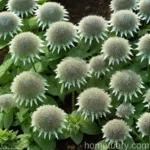
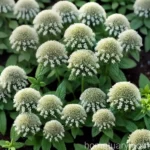
Mountain Mint (Pycnanthemum setosum)
Plants have been an integral part of human life for centuries, offering a myriad of uses ranging from culinary to medicinal. One such plant that captures the interest of plant enthusiasts and scientists alike is the mountain mint, scientifically known as Pycnanthemum setosum. This resilient and versatile herb not only flourishes in various environments but also presents an array of benefits for both humans and wildlife.
In this comprehensive guide, we will delve into the intriguing world of mountain mint, exploring its cultural significance, growth requirements, uses, and much more. Whether you are a seasoned gardener, a nature enthusiast, or someone looking to expand their knowledge of plant species, this article will provide valuable insights into the Pycnanthemum setosum and its multifaceted nature.
What is Mountain Mint (Pycnanthemum setosum)?
Mountain mint, or Pycnanthemum setosum, is a perennial herb that belongs to the Lamiaceae family, which encompasses a wide range of aromatic plants. The term “mountain mint” is derived from the plant’s natural habitat, as it thrives in mountainous regions and is often found in open woodlands, meadows, and along stream banks. This species is native to North America and is renowned for its hardiness and adaptability, making it a prized addition to gardens, natural landscapes, and conservation efforts.
Key Takeaways – Mountain Mint (Pycnanthemum setosum)
Before we delve deeper into the various aspects of mountain mint, let’s take a moment to highlight some key takeaways about this remarkable plant:
- Pycnanthemum setosum is a perennial herbaceous plant with aromatic foliage, often used in culinary, medicinal, and ornamental purposes.
- Its natural habitat includes mountainous regions, open woodlands, meadows, and stream banks, indicating its adaptability to diverse environmental conditions.
- The plant offers numerous benefits, including its value as a pollinator attractant, culinary ingredient, medicinal herb, and its potential in companion planting for pest management.
Culture
Understanding the cultural and societal significance of mountain mint is essential in appreciating its role within various traditional practices, folklore, and modern applications. From culinary uses to herbal remedies, the plant has left a notable imprint on different cultures and communities.
Uses
Culinary
In the culinary world, mountain mint has found its place as a flavorful and aromatic ingredient, often used in teas, salads, desserts, and garnishes. The leaves of Pycnanthemum setosum exude a refreshing and mint-like aroma, which enhances the flavor profile of dishes. Its subtle taste makes it a versatile herb for seasoning and adding depth to a wide range of culinary creations.
Mountain mint has been coined in various recipes, including:
- Teas: The leaves of mountain mint can be dried and steeped to create an invigorating and aromatic tea, imparting the soothing properties of the plant.
- Salads: Fresh mountain mint leaves can be finely chopped and added to green salads, fruit salads, or salsa to introduce a hint of cool, minty flavor.
- Desserts: Mountain mint can be used to infuse syrups, ice creams, and desserts, imparting a unique, refreshing taste to sweet treats.
Medicinal
The medicinal properties of mountain mint have been valued by traditional healers and herbalists for centuries. The plant is reputed for its ability to alleviate various ailments and promote general well-being. From treating respiratory issues to soothing digestive discomfort, Pycnanthemum setosum offers a natural and effective alternative for holistic health practices.
Noteworthy medicinal uses of mountain mint include:
- Respiratory Health: The inhalation of mountain mint vapors or the consumption of its extracts is known to aid in addressing respiratory issues, such as congestion and coughs.
- Digestive Health: Mountain mint has been used to ease indigestion, bloating, and nausea, offering a soothing effect on the digestive system.
- Stress Relief: The aromatic properties of mountain mint make it a popular choice for promoting relaxation and reducing stress and anxiety.
Ornamental and Fragrance
Beyond its practical uses, mountain mint contributes to the aesthetic appeal of gardens and landscapes. Its abundant clusters of small, white or pale lavender flowers not only attract pollinators but also provide an enchanting visual display. Additionally, the aromatic foliage releases an invigorating scent, making it a desirable addition to herb gardens and floral arrangements.
Water
Adequate water is essential for the growth and development of mountain mint, particularly during its initial establishment and in periods of prolonged drought. However, it is crucial not to overwater the plant, as excessive moisture can lead to root rot and other fungal issues. Mountain mint thrives in well-draining soil and can withstand moderate drought conditions once established.
Key Watering Tips for Mountain Mint:
- Establishment: Provide regular watering to newly planted mountain mint to facilitate root development and establishment.
- Maintenance: Once established, allow the soil to dry slightly between waterings, ensuring that the plant is not consistently waterlogged.
Sunlight
Mountain mint exhibits a preference for full to partial sun, thriving in environments that receive ample sunlight throughout the day. While it is tolerant of partial shade, providing the plant with at least six hours of direct sunlight daily will promote robust growth and enhance its aromatic qualities.
Sunlight Requirements for Mountain Mint:
- Full Sun: Ideal for promoting vigorous growth and maximizing the aromatic properties of the plant.
- Partial Shade: Tolerated by mountain mint, particularly in regions with intense afternoon sun or during periods of extreme heat.
Fertilizer
As a low-maintenance plant, mountain mint typically does not require frequent fertilization. However, providing a balanced, organic fertilizer during the plant’s active growth phase can contribute to its overall health and vigor. A light application of compost or a general-purpose organic fertilizer in early spring can suffice to support the plant’s nutrient needs.
Fertilization Guidelines for Mountain Mint:
- Organic Options: Utilize compost or organic fertilizers to supplement the soil with essential nutrients without risking chemical overstimulation.
Soil
The success of mountain mint is closely linked to the characteristics of the soil in which it is planted. Well-draining, loamy soil with a slightly acidic to neutral pH range is preferred by this resilient herb. Additionally, mountain mint displays an impressive tolerance for a variety of soil textures, including sandy, loamy, and clay soils, showcasing its adaptability to diverse growing conditions.
Recommended Soil Conditions for Mountain Mint:
- Texture: Well-draining loamy soil is ideal, but the plant can thrive in various soil types with proper drainage.
- pH Range: Mountain mint prefers a slightly acidic to neutral soil pH, typically within the range of 6.0 to 7.0.
Pruning
Pruning mountain mint serves multiple purposes, including maintaining the plant’s shape, encouraging bushier growth, and preventing self-seeding. Regular pruning also allows for the removal of spent blooms, facilitating continuous flower production and enhancing the plant’s ornamental appeal. Furthermore, pruning can help manage the plant’s growth in garden settings, preventing it from becoming overly aggressive.
Practical Pruning Practices for Mountain Mint:
- Deadheading: Remove spent flowers to prolong the flowering period and prevent self-seeding.
- Thinning: Periodically thin out crowded or leggy growth to enhance air circulation and promote the development of healthier foliage.
Propagation
The propagation of mountain mint can be achieved through several methods, including seed sowing, division, and stem cutting. Each approach offers unique advantages, allowing gardeners to expand their supply of mountain mint and propagate the plant to new areas of the garden or landscape.
Common Propagation Techniques for Mountain Mint:
- Seed Sowing: Sow seeds in a prepared seedbed or individual containers, ensuring adequate moisture for germination.
- Division: Divide established clumps of mountain mint in early spring or fall, replanting the divisions in suitable locations.
- Stem Cutting: Take softwood or semi-hardwood cuttings and root them in moist, well-draining growing medium to produce new plants.
Container Popularity
The adaptability of mountain mint extends to container gardening, where it thrives in appropriately sized pots or planters, adding a touch of natural beauty and aromatic charm to outdoor spaces, balconies, and patios. Container-grown mountain mint offers the added advantage of mobility, allowing gardeners to position the plant strategically for visual appeal and functional use.
Benefits of Growing Mountain Mint in Containers:
- Space Utilization: Ideal for gardeners with limited space or those seeking to elevate their outdoor environments with fragrant and ornamental plants.
- Aesthetic Appeal: Container-grown mountain mint contributes to the visual appeal of outdoor living areas, providing a refreshing aroma and attracting pollinators.
Common Diseases
Despite its hardy nature, mountain mint is susceptible to certain diseases and pests, which can impact its overall health and vigor. Recognizing and addressing common diseases is crucial in preserving the plant’s vitality and ensuring its continued contribution to garden ecosystems.
Disease Diagnosis
The following diseases are commonly encountered by mountain mint, each presenting distinct symptoms that can aid in their identification and management:
- Powdery Mildew: This fungal disease manifests as a powdery white coating on the foliage, leading to reduced photosynthetic efficiency and overall vigor. Avoid overhead watering and promote air circulation to mitigate its impact.
- Root Rot: Excessive moisture in poorly drained soil can result in root rot, causing the plant to exhibit wilting, yellowing foliage, and stunted growth. Improve drainage and adjust watering practices to prevent this issue.
- Rust: Rust diseases cause the formation of dusty spores on the undersides of mountain mint leaves, leading to discolored, damaged foliage. Promptly remove and dispose of affected plant material to prevent its spread.
Recognizing these common diseases and implementing preventative measures can significantly reduce their impact on mountain mint, promoting the plant’s resilience and longevity.
Common Pests
While mountain mint is relatively resistant to pest infestations, certain insects and arthropods can pose a threat to its health and aesthetic appeal. Vigilance and timely intervention are vital in mitigating the damage caused by common pests.
Notable pests that may affect mountain mint include:
- Aphids: These small, sap-sucking insects can congregate on the tender foliage of mountain mint, leading to leaf distortion and reduced vigor. Consider natural predators or insecticidal soap for pest management.
- Spider Mites: Infestations of spider mites can result in stippled or discolored leaves, compromising the plant’s photosynthetic capacity. Regular misting and the introduction of predatory mites can aid in controlling their population.
- Leaf Miners: The larvae of leaf miner insects create serpentine tunnels within mountain mint leaves, potentially causing visible damage to the foliage. Careful monitoring and prompt removal of affected leaves can prevent their spread.
By remaining observant and implementing integrated pest management strategies, gardeners can effectively protect their mountain mint from the detrimental effects of common pests.
Botanist’s Tips
As a plant scientist, I’ve had the privilege of studying and interacting with Pycnanthemum setosum on numerous occasions, allowing me to glean valuable insights and practical tips for its cultivation and utilization. Here are some botanist’s tips that can enhance your experience with mountain mint and maximize its potential in various applications:
- Companion Planting: Incorporate mountain mint into companion planting schemes to attract beneficial insects and repel pest species, contributing to the overall health of your garden ecosystem.
- Wildlife Habitat Enhancement: Capitalize on the attraction of pollinators and beneficial insects by strategically planting mountain mint near ornamental and edible crops, promoting biodiversity and ecosystem balance.
- Herbal Tea Blends: Experiment with combining mountain mint with other aromatic herbs, such as lemon balm or chamomile, to create delightful and soothing herbal tea blends.
Fun Facts
Exploring the realm of mountain mint unveils a treasure trove of captivating and unusual facts that underscore its significance and versatility. Here are some delightful and informative fun facts about Pycnanthemum setosum:
- The enticing aroma of mountain mint leaves intensifies when they are crushed or brushed against, releasing a burst of invigorating fragrance.
- While mountain mint is renowned for its pest-repelling properties, its attractiveness to beneficial insects, such as bees and butterflies, makes it an invaluable addition to any pollinator-friendly garden.
Links to External Resources
For additional information on mountain mint, its uses, and cultivation, consider exploring the following external resources:
- Growing Herbs for Beginners – Mountain Mint
- Mountain Mint: A Native Perennial for the Herb Garden
- Herbal Uses and Benefits of Mountain Mint
- Culinary Uses of Mountain Mint
- Mountain Mint for Anxiety Relief and Relaxation
In conclusion, the allure and versatility of mountain mint, or Pycnanthemum setosum, are truly remarkable, encompassing its cultural, culinary, and medicinal significance. Whether embraced for its aromatic allure, valued for its ecological contributions, or employed for its myriad uses, this resilient herb stands as a testament to the enduring relationship between humans and the plant kingdom. By understanding and integrating the insights presented in this guide, you can embark on a rewarding journey with mountain mint, harnessing its inherent qualities for the betterment of your surroundings and well-being.
Remember, the world of plants is teeming with wonders and possibilities, and each interaction with a plant like Pycnanthemum setosum offers an opportunity to enrich our lives and deepen our appreciation for the natural world.