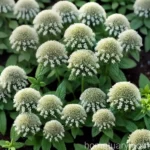
What is Plant: American Mountain Mint (Pycnanthemum pilosum)
Plants play a crucial role in our ecosystem, being the primary producers of food through the process of photosynthesis. They not only provide sustenance for various organisms but also contribute significantly to the aesthetic appeal of the environment. Among the diverse array of plant species, American mountain mint (Pycnanthemum pilosum) stands out as a notable botanical specimen due to its unique characteristics and versatile uses.
Key Takeaways – American Mountain Mint (Pycnanthemum pilosum)
American mountain mint, scientifically known as Pycnanthemum pilosum, is an herbaceous perennial plant that belongs to the mint family, Lamiaceae. It is native to North America and is notable for its pleasant fragrance and various practical uses. In this comprehensive guide, we will delve into the various aspects of American mountain mint, including its culture, uses, care requirements, and its significance in gardening and landscaping.
Culture
Cultivating American mountain mint can be a rewarding endeavor for plant enthusiasts and gardeners. Understanding the cultural requirements of this plant is essential for ensuring its optimal growth and development.
Uses
American mountain mint possesses a multitude of uses that make it a valuable addition to gardens and landscapes. These uses include:
- Medicinal properties
- Wildlife attraction
- Aromatic qualities
- Culinary applications
- Landscape design
In the subsequent sections, we will explore each of these uses in detail and understand how this plant can be harnessed to its fullest potential.
Medicinal Properties
Pycnanthemum pilosum has been traditionally used for its medicinal properties. Its leaves and essential oils are known for their therapeutic effects, which include:
- Relief from digestive issues
- Treatment for respiratory ailments
- Anti-inflammatory properties
The plant has been utilized in various herbal remedies and is known for its efficacy in addressing common health concerns.
Wildlife Attraction
The flowers of American mountain mint are highly attractive to pollinators, including bees and butterflies. By cultivating this plant, individuals can contribute to the conservation of these essential pollinators and support the biodiversity in their local environment.
Aromatic Qualities
The foliage of American mountain mint exudes a delightful fragrance, making it a valuable addition to herb gardens, sensory gardens, and natural landscapes. Its aromatic properties also extend its utility to applications such as aromatherapy.
Culinary Applications
In addition to its medicinal and aromatic attributes, American mountain mint is used in culinary practices. Its leaves are infused into teas and used as a flavoring agent in various culinary creations, adding a refreshing minty flavor to dishes and beverages.
Landscape Design
The aesthetic appeal of American mountain mint makes it an attractive option for landscaping. Its tall, slender stems topped with small, delicate flowers can add an elegant touch to garden borders, meadows, and naturalistic plantings.
Water
Proper watering is essential for the health and vitality of American mountain mint. As a native plant, it is relatively adaptable to different moisture levels, yet it thrives in moist to slightly dry conditions. When establishing this plant, it is important to ensure that it receives adequate hydration to support its growth. Once established, it exhibits good drought tolerance, making it suitable for regions with sporadic rainfall.
Sunlight
American mountain mint thrives in full sun to partial shade, making it a versatile choice for various garden settings. When provided with ample sunlight, this plant develops sturdy, upright stems and abundant flowers, enhancing its ornamental value.
Fertilizer
As a low-maintenance plant, American mountain mint generally does not require extensive fertilization. However, incorporating organic matter into the soil during the initial planting phase can provide a nutrient boost. Additionally, a balanced, slow-release fertilizer can be applied in spring to support the plant’s growth and flowering.
Soil
The soil preferences of American mountain mint align with its native habitat, making it well-suited to a range of soil types. It thrives in well-draining, loamy soil, but is also adaptable to clay or sandy soils. Maintaining slightly acidic to neutral soil conditions is favorable for its overall development.
Pruning
Pruning American mountain mint is recommended to prevent the plant from becoming excessively leggy and to promote a bushy, compact growth habit. Regularly trimming the plant after its flowering period can help maintain its shape and encourage the development of fresh foliage.
Propagation
American mountain mint can be propagated through various methods, including:
- Seed Propagation: Sowing seeds in well-prepared soil in the spring can lead to successful germination and establishment of new plants.
- Division: Dividing mature clumps of American mountain mint enables the generation of multiple plant starts, facilitating its propagation and expansion in the garden.
Container Popularity
Due to its non-invasive nature and ornamental appeal, American mountain mint is a popular choice for container gardening. Its adaptability to container growth makes it an excellent option for individuals seeking to add a touch of greenery to patios, balconies, and small outdoor spaces.
Common Diseases
American mountain mint is relatively resistant to diseases and pests, and it is not commonly plagued by severe issues. However, some potential diseases and problems to watch out for include:
- Powdery Mildew: In humid environments, the plant may be susceptible to powdery mildew, which can be mitigated through measures such as improving air circulation and applying appropriate fungicidal treatments.
- Root Rot: Excessive moisture in the soil can lead to root rot, necessitating the moderation of watering practices to prevent this issue.
Disease Diagnosis
In the event of suspected diseases or abnormalities in American mountain mint, diligent observation of the plant’s foliage, stems, and overall vigor is crucial for accurate diagnosis. Consulting a plant health specialist or extension service can further aid in identifying and addressing potential diseases effectively.
Common Pests
While American mountain mint is relatively resilient to pest infestations, it may occasionally encounter minimal pest pressure from insects such as aphids and spider mites. Regular monitoring and the implementation of natural pest control methods can help mitigate these potential pest issues.
Botanist’s Tips
As a botanist specializing in native plants, I have compiled a set of tips to help individuals maximize the potential of American mountain mint in their gardens and landscapes:
- Promote Pollinator Activity: Position American mountain mint near other pollinator-attracting plants to create a vibrant and biologically diverse habitat.
- Incorporate Into Rain Gardens: Due to its tolerance for fluctuating moisture levels, American mountain mint can be integrated into rain gardens and bioswales to enhance water retention and promote ecosystem function.
- Harvest With Caution: When harvesting leaves for culinary or medicinal use, it is essential to avoid excessive depletion of the plant’s foliage, allowing it to continue thriving and contributing to the ecosystem.
- Encourage Naturalization: In suitable habitats, American mountain mint can naturalize and spread, contributing to the formation of sustainable, self-sufficient plant communities.
Fun Facts
- American mountain mint, with its aromatic leaves and flowers, has a rich cultural history, featuring in traditional medicine and folklore as a symbol of vitality and natural remedies.
- This plant has been recognized for its ability to attract a diverse array of pollinators, contributing to the overall health and resilience of local ecosystems.
- The fragrance and flavor of American mountain mint make it a cherished element in culinary traditions and herbal practices, enriching the sensory experiences of individuals who encounter it in various contexts.
Links to External Resources
For additional information on American mountain mint and related topics, the following resources are valuable references:
Plant Name: “American Mountain Mint (Pycnanthemum pilosum)”
In conclusion, American mountain mint, or Pycnanthemum pilosum, is a remarkable plant that offers a range of benefits and applications for both gardeners and naturalists. From its ecological significance as a pollinator attractant to its practical uses in medicinal and culinary contexts, this native perennial is a valuable addition to diverse landscapes and gardening endeavors. By understanding its culture, uses, and care requirements, individuals can harness the full potential of American mountain mint and appreciate its contributions to the natural world.
Keywords: American mountain mint uses, Pycnanthemum pilosum benefits, Growing American mountain mint, Pycnanthemum pilosum characteristics, American mountain mint care, Pycnanthemum pilosum uses in landscaping, American mountain mint propagation, Pycnanthemum pilosum medicinal properties, American mountain mint blooming season, Pycnanthemum pilosum varieties, American mountain mint herbal remedy, Pycnanthemum pilosum foliage, American mountain mint gardening tips, Pycnanthemum pilosum fragrance, American mountain mint habitat, Pycnanthemum pilosum natural habitat, American mountain mint insect repellent, Pycnanthemum pilosum container gardening, American mountain mint wildlife attracts, Pycnanthemum pilosum wildlife habitat, American mountain mint companion plants, Pycnanthemum pilosum pollinator-friendly, American mountain mint perennial plant, Pycnanthemum pilosum garden design, American mountain mint culinary uses, Pycnanthemum pilosum tea recipe, American mountain mint drought-tolerant, Pycnanthemum pilosum sun requirements, American mountain mint soil preferences, Pycnanthemum pilosum native plant, American mountain mint folklore, Pycnanthemum pilosum folklore and myths, American mountain mint landscaping ideas, Pycnanthemum pilosum native wildlife food source, American mountain mint companion herbs, Pycnanthemum pilosum traditional medicine, American mountain mint aromatherapy, Pycnanthemum pilosum insectary plant, American mountain mint container plant, Pycnanthemum pilosum traditional uses, American mountain mint invasiveness, Pycnanthemum pilosum hardiness zone, American mountain mint flower arrangements, Pycnanthemum pilosum family: Lamiaceae, American mountain mint culinary herb, Pycnanthemum pilosum natural remedies, American mountain mint wildlife conservation, Pycnanthemum pilosum ethnobotany, American mountain mint pet-friendly plant, Pycnanthemum pilosum landscape design