American Mountain Mint (Pycnanthemum virginianum): A Comprehensive Guide
Plants are the essence of life on Earth. Their diversity and adaptability have intrigued and inspired human beings for centuries. One such fascinating plant is the American mountain mint, scientifically known as Pycnanthemum virginianum. This plant is not only visually appealing but also has several cultural, ecological, and medicinal uses. In this guide, we will delve into the world of American mountain mint, exploring its characteristics, uses, cultivation practices, and much more.
What is American Mountain Mint?
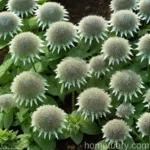
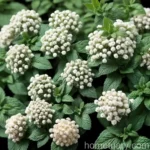
Pycnanthemum virginianum is a member of the mint family (Lamiaceae), and it is native to the eastern and central regions of North America. This herbaceous perennial plant is characterized by its square stems, opposite leaves, and dense clusters of small, white, pink, or pale purple flowers. The leaves and flowers of American mountain mint exude a delightful minty fragrance, making it a favorite among gardeners and wildlife alike. As an ecologically significant plant, American mountain mint plays a crucial role as a source of food and shelter for various pollinators, including butterflies and bees.
With its attractive appearance and multitude of uses, American mountain mint has become a sought-after plant for home gardens, landscaping, and conservation efforts. Understanding its cultural requirements, applications, and benefits can help enthusiasts and professionals alike make the most of this remarkable species.
Key Takeaways – American Mountain Mint (Pycnanthemum virginianum)
Culture
- Hardiness Zones: American mountain mint is well-suited for USDA hardiness zones 3 to 8.
- Growth Habit: It exhibits a clumping, upright growth habit, reaching heights of about 2 to 3 feet and spreading 1 to 2 feet wide.
- Life Cycle: As a perennial plant, it returns year after year, often growing larger and more robust with each passing season.
Uses
- Cultural: American mountain mint has historical and contemporary cultural significance due to its medicinal properties, culinary uses, and value in traditional practices.
- Ecological: It serves as a vital component of native ecosystems, providing sustenance and habitat for an array of wildlife, particularly pollinators.
- Aesthetic: Its visual appeal and fragrant blooms make it a desirable addition to gardens, natural landscapes, and floral arrangements.
Water
- Watering Needs: American mountain mint generally prefers moist, well-drained soils. Regular watering is recommended, especially during dry spells or in the early stages of establishment.
Sunlight
- Light Requirements: It thrives in full sun to partial shade. In warmer climates, providing some afternoon shade can be beneficial.
Fertilizer
- Fertilization: While American mountain mint is not overly demanding in terms of fertility, incorporating organic matter into the soil during planting can promote healthy growth. Occasional supplementation with a balanced fertilizer may be beneficial.
Soil
- Soil Type: It grows well in a range of soil types, including loamy, sandy, or clay soils, as long as they are well-drained.
- Soil pH: The plant demonstrates adaptability to various pH levels, but a slightly acidic to neutral range (pH 6.0 – 7.0) is generally preferred.
Pruning
- Maintenance: Occasional pruning can help control its growth and maintain a tidy appearance. Deadheading spent flowers can prolong the blooming period.
Propagation
- Propagation Methods: American mountain mint can be propagated through division, seeds, or cuttings. Each method has its own advantages and may be suited to different circumstances.
Container Popularity
- Container Gardening: It is well-suited for container cultivation, allowing individuals with limited outdoor space to enjoy its beauty and benefits.
Common Diseases
- Disease Resistance: American mountain mint exhibits good resistance to most common diseases and pests, particularly when grown in favorable conditions.
Disease Diagnosis
- Monitoring: Regular visual inspection can help identify any signs of disease or stress, enabling prompt intervention if necessary.
Common Pests
- Pest Management: While relatively low-maintenance, American mountain mint may occasionally attract aphids, spider mites, or other common garden pests. Integrated pest management strategies can effectively address such issues.
Botanist’s Tips
- Expert Insights: Professional botanists and horticulturists may offer valuable tips on cultivating and utilizing American mountain mint to its fullest potential.
Fun Facts
- Interesting Tidbits: Discover fascinating and lesser-known facts about the history, uses, and natural history of American mountain mint.
Links to External Resources
- Explore a curated selection of reputable sources providing additional insights, advice, and related content on American mountain mint.
Now that we have reviewed the key takeaways, let’s delve deeper into the various aspects of American mountain mint, gaining a comprehensive understanding of this captivating plant and how to best care for it.
American Mountain Mint (Pycnanthemum virginianum): In-Depth Analysis
American Mountain Mint Uses
The uses of Pycnanthemum virginianum are varied and extensive, encompassing cultural, ecological, and aesthetic applications. Understanding the diverse uses of this plant is essential for appreciating its value and potential contributions to gardens, landscapes, and conservation efforts.
Cultural Significance
American mountain mint has a rich history of use in traditional and folk medicine. The plant has been valued for its purported medicinal properties, which include digestive benefits, anti-inflammatory effects, and the potential to alleviate cold and flu symptoms. Its aromatic qualities have also made it a popular choice for herbal teas and aromatic infusions in various cultures.
In addition to its medicinal uses, American mountain mint holds cultural significance as a culinary herb. Its leaves and flowers can impart a refreshing minty flavor to a range of culinary creations, from teas and beverages to salads and desserts. Furthermore, the plant’s pleasant fragrance has contributed to its use in aromatherapy and natural perfumery.
Ecological Importance
From an ecological perspective, American mountain mint plays a vital role in supporting biodiversity and promoting healthy ecosystems. It is an invaluable resource for native pollinators, including bees, butterflies, and other beneficial insects. By providing nectar and serving as a host plant for the larvae of various butterfly species, this plant contributes to the conservation of pollinator populations and the overall balance of natural environments.
Benefits of Pycnanthemum virginianum
The benefits of Pycnanthemum virginianum extend beyond its cultural and ecological uses, encompassing its ornamental value, adaptability to diverse growing conditions, and considerable contributions to sustainable gardening and landscaping practices.
Ornamental Value
The attractive appearance and aromatic allure of American mountain mint make it a standout addition to gardens, meadows, and naturalistic landscapes. Its profusion of delicate, clustered flowers creates a visually captivating display, while its foliage imparts a fresh, minty scent that lingers in the air. As a visually appealing and fragrant plant, it has substantial ornamental value in residential and public settings.
Adaptability and Sustainability
American mountain mint’s adaptability to a range of soil types, light conditions, and climates makes it a flexible and resilient choice for diverse garden and landscape settings. Its preference for moist, well-drained soils aligns with sustainable gardening practices that emphasize water conservation and environmental stewardship. Furthermore, its role in attracting and supporting pollinators aligns with efforts to create pollinator-friendly habitats and promote ecological resilience.
Sustainable Landscaping
In the context of sustainable landscaping, American mountain mint contributes to the creation of biodiverse and resilient plant communities. It is well-suited for use in rain gardens, wildlife-friendly landscapes, and pollinator gardens, where it can enhance the visual appeal while providing essential resources for native fauna. By incorporating this plant into landscaping designs, individuals and professionals can promote sustainable and environmentally conscious practices.
American Mountain Mint Facts
Enrich your knowledge of American mountain mint with a collection of intriguing and informative facts about this remarkable plant, shedding light on its natural history, botanical characteristics, and cultural significance.
- Botanical Features: American mountain mint’s botanical features, such as its square stems, opposite leaves, and compact clusters of flowers, are distinctive traits that contribute to its appeal and identity.
- Fragrance: The delightful minty fragrance emitted by American mountain mint’s leaves and flowers has earned it recognition as a sensory delight in gardens and natural settings.
- Wildlife Interactions: Its role as a wildlife-friendly plant is underscored by its ability to attract butterflies, bees, and other pollinators, thereby enriching the surrounding ecosystem.
- Cultural Heritage: With a history of traditional medicine use and culinary applications, American mountain mint has maintained a place in cultural practices and holistic wellness traditions.
- Native Range: Pycnanthemum virginianum is indigenous to eastern and central North America, where it thrives in a variety of habitats, from woodlands to prairies and wetlands.
Pycnanthemum virginianum Care
Caring for American mountain mint involves attending to its specific requirements while harnessing its adaptive qualities to create an environment where it can thrive. From soil and sunlight to water and maintenance, understanding the nuances of its care is key to cultivating healthy and vibrant specimens.
Growing American Mountain Mint
The successful cultivation of American mountain mint entails considerations of its growth requirements, site selection, and planting techniques. The following guidelines can aid in the establishment of vigorous and resilient plants.
Location and Site Preparation
- Sunlight: Provide full sun to partial shade, ensuring a balance of light and potential shelter from intense midday sun, particularly in warmer climates.
- Soil Preparation: Incorporate organic matter, such as compost or well-rotted manure, into the soil to enhance fertility and improve water retention.
- Moisture Considerations: Select a location with adequate moisture or supplement with regular watering, especially during periods of drought and in the early stages of establishment.
Planting Techniques
- Plant Spacing: Space individual plants 18 to 24 inches apart to allow for proper air circulation and accommodate their mature size.
- Depth and Mulching: Plant American mountain mint at the same depth it was previously growing. Apply a layer of mulch to help conserve moisture and suppress weed growth.
How to Propagate Pycnanthemum virginianum
Propagating American mountain mint can be achieved through several methods, each suited to different situations or preferences. Whether through division, seeds, or cuttings, successful propagation can expand the presence of this plant in gardens and natural areas.
Division
- Time Frame: Perform division in spring or early fall to allow the plants to establish before the onset of extreme weather.
- Procedure: Dig up the plant, carefully divide the root ball into sections, and replant the divisions in prepared soil.
Seeds
- Collection and Sowing: Gather mature seeds from the plant and sow them in prepared seedbeds or containers, maintaining consistent moisture for germination.
Cuttings
- Season and Technique: Take softwood or semi-hardwood cuttings in spring or early summer, ensuring proper moisture and humidity to encourage root development.
American Mountain Mint Companion Plants
Embark on the journey of companion planting with American mountain mint, discovering the potential pairings and beneficial relationships it can form with various plants in the garden or landscape.
Pollinator-Friendly Companions
- Monarda (Bee Balm): Create a vibrant and pollinator-attracting display by pairing American mountain mint with Monarda, enriching the garden with nectar-rich blooms.
- Echinacea (Purple Coneflower): Enhance the visual appeal and ecological value of the garden by combining these two native perennials, which are favored by butterflies and bees.
Aromatic and Culinary Companions
- Lavandula (Lavender): Cultivate a fragrant and visually striking garden display by integrating the aromatic presence of lavender with American mountain mint’s minty allure.
- Thymus (Thyme): Create an enticing herb garden by combining the culinary potential of thyme with the flavorful leaves of American mountain mint.
Pycnanthemum virginianum Medicinal Properties
Explore the traditional and contemporary medicinal properties of Pycnanthemum virginianum, gaining insights into its potential therapeutic uses and cultural significance.
Digestive Support
- Tea Infusions: The leaves and flowers of American mountain mint can be used in herbal teas to promote digestive comfort and alleviate mild stomach upset.
Topical Applications
- Aromatic Compresses: Infuse the leaves in water to create a soothing and aromatic compress, offering relief from tension, minor aches, and discomfort.
American Mountain Mint Habitat
Uncover the natural habitat preferences of American mountain mint, including its native range, ecological associations, and adaptability to diverse environmental conditions.
Native Range
- Geographic Distribution: American mountain mint is indigenous to eastern and central North America, thriving in habitats ranging from open woodlands to meadows and wetlands.
Ecological Associations
- Wildlife Support: The plant serves as a vital resource for numerous pollinators, offering nectar, shelter, and potential host sites for butterfly larvae.
Habitat Adaptability
- Moisture Tolerance: Its preference for moist, well-drained soils enables it to thrive in a range of environments, from riverbanks to upland forests.
Pycnanthemum virginianum Varieties
Access information on the diverse varieties and cultivars of American mountain mint, exploring their unique traits and potential contributions to garden and landscape designs.
Cultivar Selection
- ‘Nativars’: Explore native cultivars bred for enhanced ornamental features, such as compact growth habits, extended bloom periods, or distinct flower colors.
Landscape Applications
- Design Considerations: Select varieties that align with specific aesthetic or ecological goals, such as attracting pollinators, providing cut flowers, or enhancing sensory experiences.
American Mountain Mint Gardening Tips
Gather practical tips and expert recommendations for successfully cultivating and harnessing the potential of American mountain mint in various garden and landscape settings.
Managing Growth
- Containment: If planting in garden beds, consider using edging or barriers to contain the plant’s spread, preventing it from encroaching on other nearby species.
Pollinator Support
- Succession Planting: Integrate American mountain mint with other pollinator-attracting plants to ensure a continuous and diverse array of resources for beneficial insects throughout the growing season.
Sustainable Practices
- Water Conservation: Incorporate American mountain mint into rain gardens or bioswales to help manage stormwater runoff and support environmental stewardship.
Pycnanthemum virginianum Uses in Landscaping
Explore the multifaceted applications of American mountain mint in landscaping, including its potential roles in ornamental displays, wildlife habitats, and sustainable design practices.
Ornamental Displays
- Perennial Borders: Incorporate American mountain mint into perennial borders, herb gardens, or mixed plantings to infuse visual appeal and aromatic charm.
Wildlife Habitats
- Pollinator Gardens: Design gardens specifically tailored to attract and support native pollinators, utilizing American mountain mint as a key component.
Sustainable Design Practices
- Rain Gardens: Utilize the plant’s moisture preferences to create attractive and functional rain gardens, fostering water retention, filtration, and pollinator support.
American Mountain Mint Pruning Techniques
Learn the principles of pruning American mountain mint, including timing, methods, and the benefits of regular maintenance to ensure healthy and vigorous growth.
Deadheading
- Extended Blooms: Remove spent flowers to encourage new blooms and prolong the flowering period, enhancing the plant’s ornamental value.
Controlling Growth
- Maintenance Pruning: Trim back excessive growth or mitigate spreading tendencies by selectively pruning stems and foliage as needed.
American Mountain Mint Benefits for Pollinators
Discover the significance of Pycnanthemum virginianum as a valuable resource for pollinators, particularly bees and butterflies, and its potential contributions to promoting biodiversity and ecological balance.
Nectar Source
- Pollinator Nutrition: The abundant nectar produced by American mountain mint provides sustenance for a variety of pollinators, contributing to their health and population stability.
Larval Host Plant
- Butterfly Habitat: As a host plant for the larvae of several butterfly species, American mountain mint supports the life cycle and conservation of these iconic pollinators.
Pycnanthemum virginianum for Herbal Remedies
Explore the herbal remedy potential of Pycnanthemum virginianum, unearthed through historical practices and contemporary applications in holistic wellness and herbal medicine.
Aromatic Infusions
- Herbal Teas: Infuse the leaves and flowers to create aromatic and soothing teas with potential digestive and relaxation benefits.
Topical Applications
- Herbal Compresses: Utilize the aromatic leaves in compresses or salves for topical relief and relaxation.
American Mountain Mint Pest Control
Address common pest concerns associated with American mountain mint, implementing integrated pest management strategies to foster plant health and resilience.
Pest Identification
- Vigilance: Regular monitoring can help identify early signs of pest presence, enabling timely intervention to prevent infestations.
Natural Predators
- Beneficial Insects: Encourage the presence of natural predators, such as ladybugs and predatory wasps, to help control aphids and other potential pests.
Pycnanthemum virginianum for Attracting Butterflies
Uncover the significance of American mountain mint as a butterfly-attracting plant, fostering interactions with these iconic pollinators and enriching garden and natural environments.
Host Plant Characteristics
- Larval Food Source: As a host plant for butterfly larvae, American mountain mint provides essential nutrition and habitat support for the development of butterfly populations.
Nectar-Rich Blooms
- Butterfly Magnet: The nectar-rich flowers attract adult butterflies, serving as a valuable resource for their nourishment and reproductive activities.
American Mountain Mint Soil Requirements
Understand the soil preferences and requirements of American mountain mint, ensuring optimal growing conditions and robust plant performance.
Soil Type
- Moisture Retention: American mountain mint thrives in soils with good moisture retention, such as loamy or silty soils, provided they are well-drained.
pH Range
- Acidic to Neutral: While adaptable to a range of pH levels, it generally prefers slightly acidic to neutral soils (pH 6.0 – 7.0) for optimal growth.
Pycnanthemum virginianum Culinary Uses
Explore the culinary potential of Pycnanthemum virginianum, discovering ways to incorporate its flavorful leaves and flowers into a variety of culinary creations.
Flavor Enhancement
- Minty Freshness: Infuse the leaves or flowers into teas, beverages, salads, and desserts to impart a refreshing and minty flavor.
Aromatic Infusions
- Herbal Blends: Combine American mountain mint with other herbs to create aromatic infusions and flavorful culinary accents.
American Mountain Mint Native Range
Traverse the native range of American mountain mint, gaining insight into its habitat diversity, regional associations, and natural adaptations.
Ecological Diversity
- Habitat Variability: American mountain mint exhibits adaptability to a range of habitats, from upland prairies and woodlands to riparian zones and wetlands.
Geographical Distribution
- Eastern and Central North America: The plant is indigenous to a broad expanse of the continent, with specific occurrences in