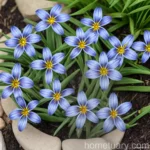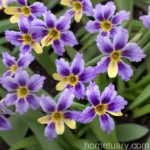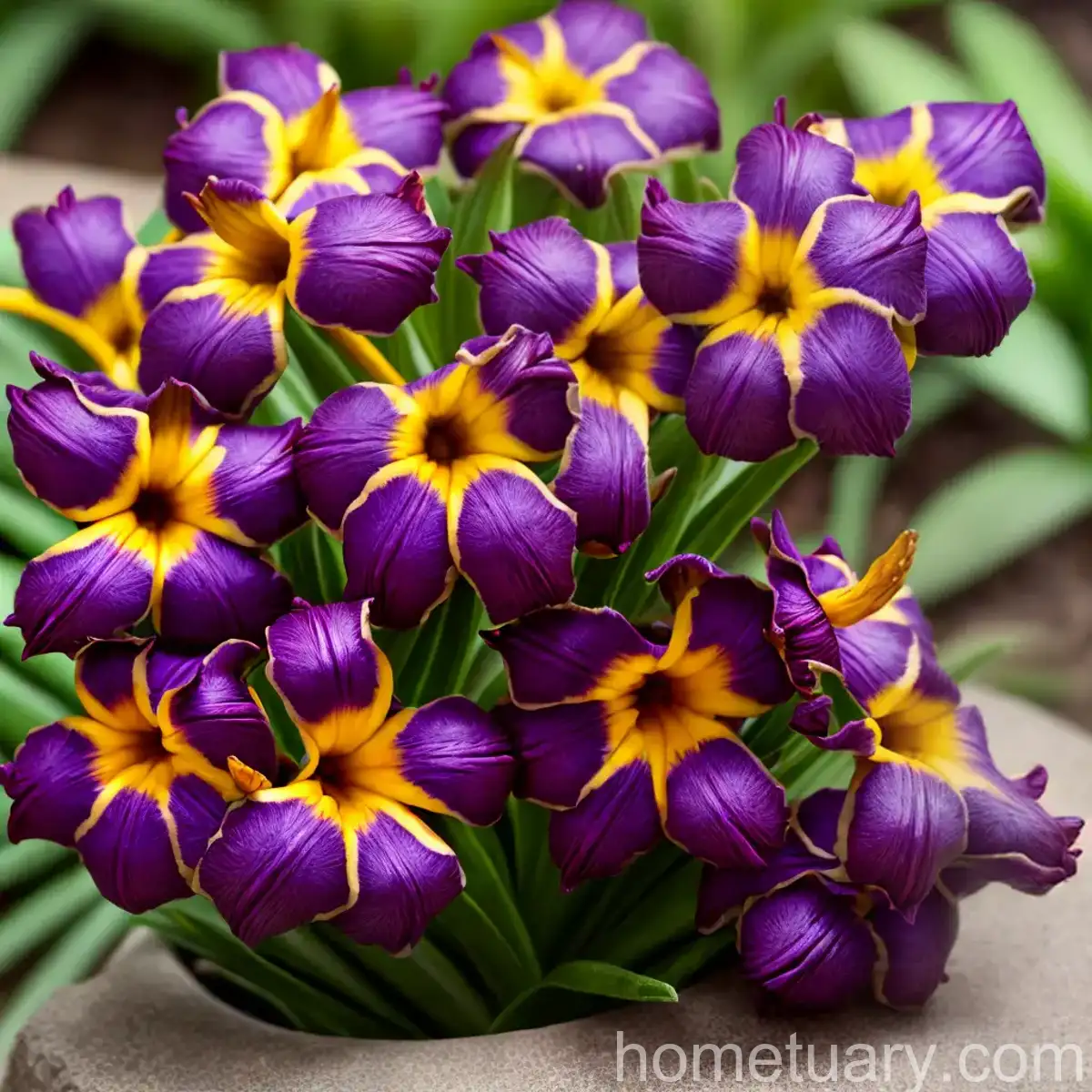
Plant Name: Sisyrinchium (Sisyrinchium ‘E. K. Balls’)
Sisyrinchium, commonly known as Blue-eyed grass, is a genus of plants in the Iris family. The ‘E.K. Balls’ variety is a popular perennial plant known for its striking blue flowers and grass-like foliage. In this blog post, we will explore the culture, uses, care, and characteristics of Sisyrinchium ‘E.K. Balls’, along with tips for cultivation and maintenance.
What is Sisyrinchium ‘E. K. Balls’?
Sisyrinchium ‘E.K. Balls’ is a cultivar of Sisyrinchium, which is a diverse genus consisting of more than 90 species. This specific variety is recognized for its delicate blue flowers and ornamental grass-like foliage. It is a native plant in North and South America, often found in grasslands, meadows, and open woodlands.
Key Takeaways – Sisyrinchium (Sisyrinchium ‘E. K. Balls’)
- Sisyrinchium ‘E.K. Balls’ is a perennial plant with vibrant blue flowers.
- It is well-suited for ornamental grasses, wildflower gardens, and landscaping.
- The plant is low-maintenance and drought-tolerant once established.
- Sisyrinchium ‘E.K. Balls’ is a sun-loving and hardy plant that adds natural beauty to gardens.
Now, let’s delve into the specific aspects of cultivating and caring for Sisyrinchium ‘E.K. Balls’.
Culture
Uses
Sisyrinchium ‘E.K. Balls’ has several uses in landscaping and garden design. Its striking blue flowers and grass-like foliage make it a valuable addition to the following settings:
- Ornamental grasses and wildflower gardens
- Landscape borders and edging
- Naturalized areas and meadows
- Container gardening and flower arrangements
- Pollinator-friendly and wildlife-friendly gardens
The plant’s versatility and aesthetic appeal contribute to its popularity among gardeners and landscapers.
Water
Sisyrinchium ‘E.K. Balls’ is a relatively low-maintenance plant when it comes to water requirements. It is well-suited to dry and well-drained soils, making it suitable for xeriscaping and drought-tolerant landscaping. When establishing new plants, regular watering is essential to help them develop a strong root system. Once established, the plant can thrive with minimal supplemental irrigation.
Sunlight
As a sun-loving plant, Sisyrinchium ‘E.K. Balls’ thrives in full sun to partial shade conditions. It performs best when provided with at least 6 hours of direct sunlight per day.
Fertilizer
Sisyrinchium ‘E.K. Balls’ generally does not require heavy fertilization. In nutrient-poor soils, a balanced fertilizer application in spring can help promote healthy growth and flowering. However, excessive fertilization can lead to lush foliage at the expense of flower production.
Soil
Well-drained soil is crucial for the successful cultivation of Sisyrinchium ‘E.K. Balls’. It prefers moderately fertile, sandy or loamy soils with a slightly acidic to neutral pH. Amending heavy clay soils with organic matter can improve drainage and create a more suitable growing environment for the plant.
Pruning
Pruning requirements for Sisyrinchium ‘E.K. Balls’ are minimal. Deadheading spent flowers can encourage prolonged blooming and prevent self-seeding in the garden. Additionally, removing old or damaged foliage during the growing season can help maintain the plant’s appearance.
Propagation
Sisyrinchium ‘E.K. Balls’ can be propagated through division or seed sowing. Division is the preferred method for maintaining the characteristics of the parent plant. It is best carried out in early spring or fall when the plant is not actively flowering. Seed sowing is another option, but it may result in slight variations from the original cultivar.
Container Popularity
Sisyrinchium ‘E.K. Balls’ is well-suited for container gardening, where its compact growth habit and striking flowers can be showcased on patios, balconies, or in small gardens. When grown in containers, the same cultural requirements apply regarding water, sunlight, and soil. Choosing a well-draining potting mix and providing adequate watering and sunlight are essential for container-grown specimens.
Common Diseases
Sisyrinchium ‘E.K. Balls’, like many other plants, can be susceptible to certain diseases. Understanding common diseases and their management is crucial for maintaining plant health and vigor.
Disease Diagnosis
Some common diseases that may affect Sisyrinchium ‘E.K. Balls’ include:
- Powdery Mildew: This fungal disease appears as a white powdery substance on the leaves and stems. It can be managed through proper air circulation, avoiding overhead watering, and applying fungicidal treatments when necessary.
- Leaf Spot: Leaf spot diseases can manifest as dark or discolored spots on the foliage. To manage leaf spot, it’s important to remove and destroy infected plant material, avoid overhead watering, and promote good air circulation around the plants.
Regular monitoring and prompt action can help mitigate the impact of these diseases on Sisyrinchium ‘E.K. Balls’.
Common Pests
While generally resistant to pests, Sisyrinchium ‘E.K. Balls’ may occasionally encounter pest issues in certain conditions.
Some common pests that may affect this plant include:
- Aphids: These small, soft-bodied insects can colonize the plant and cause damage to the foliage. Aphid infestations can often be managed through the use of natural predators, such as ladybugs, or through the application of insecticidal soaps.
- Slugs and Snails: These pests can feed on the tender foliage of Sisyrinchium ‘E.K. Balls’, leaving behind ragged edges and holes. Measures such as handpicking, barrier methods, or the use of iron phosphate-based baits can help control slug and snail populations in the garden.
Vigilance and early intervention can minimize the impact of these pests on the plant’s health and appearance.
Botanist’s Tips
To successfully cultivate and enjoy Sisyrinchium ‘E.K. Balls’, consider the following botanist’s tips:
- Native Plant Benefits: Emphasize the value of native plants in garden landscapes and their role in supporting local ecosystems and wildlife.
- Companion Planting: Explore suitable companion plants that complement the aesthetic and ecological attributes of Sisyrinchium ‘E.K. Balls’ in garden settings.
- Naturalistic Landscaping: Incorporate Sisyrinchium ‘E.K. Balls’ into naturalistic landscape designs that mimic native habitats and promote biodiversity.
- Bloom Period Enhancement: Consider interplanting with other flowering perennials to extend the overall bloom period and create visually dynamic garden displays.
Fun Facts
- Sisyrinchium ‘E.K. Balls’ is commonly known as Blue-eyed grass due to the appearance of its small, iris-like flowers.
- The plant’s delicate blue flowers attract pollinators, contributing to the biodiversity of the garden.
- Sisyrinchium ‘E.K. Balls’ has a symbolic association with optimism and new beginnings, making it a meaningful addition to garden landscapes.
Now that we have explored the culture, uses, care, and characteristics of Sisyrinchium ‘E.K. Balls’, you may find the following external resources helpful for further information and inspiration:
- The Royal Horticultural Society – Sisyrinchium Cultivation Guide
- University of Florida IFAS Extension – Sisyrinchium Genus Information
I hope this comprehensive guide provides valuable insights into the world of Sisyrinchium ‘E.K. Balls’ and inspires your journey in cultivating, enjoying, and appreciating this beautiful perennial plant. Happy gardening!