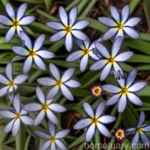
Blue-Eyed Grass (Sisyrinchium angustifolium ‘Lucerne’): A Beautiful Perennial for Your Garden
Introduction
Plants play a crucial role in our lives. They not only provide us with food, oxygen, and medicine but also add beauty and serenity to our surroundings. One such enchanting plant is the blue-eyed grass (Sisyrinchium angustifolium ‘Lucerne’), which belongs to the iris family and is native to North America. In this comprehensive guide, we will delve into the world of blue-eyed grass, exploring its cultural significance, uses, optimal growing conditions, propagation methods, common diseases and pests, and interesting facts.
What is Blue-Eyed Grass (Sisyrinchium angustifolium ‘Lucerne’)?
Blue-eyed grass, scientifically known as Sisyrinchium angustifolium, is a delightful perennial flower with striking blue petals that belong to the iris family. This captivating plant is often referred to as “narrow-leafed blue-eyed grass” and is native to North America, particularly regions like Missouri. It is a herbaceous ornamental plant revered for its small blue blooms and evergreen foliage, making it a popular choice for gardeners and landscapers alike.
Key Takeaways
Before we delve into the specifics of blue-eyed grass, let’s take a quick look at some key takeaways about this beautiful perennial:
- Plant Name: Sisyrinchium angustifolium ‘Lucerne’
- Perennial Flowers: Blue-eyed grass produces perennial flowers, meaning it will bloom year after year, adding a consistent burst of color to your garden.
- Iris Family: Belonging to the iris family, this plant shares characteristics with other well-known iris species.
- Native Wildflower: Blue-eyed grass is a native wildflower in North America and especially flourishes in the Midwest.
- Meadow Grass: This plant is often associated with meadow grass due to its grass-like foliage and naturalizing tendencies.
- Small Blooms: It is characterized by small, yet vibrantly colored blooms that add a touch of elegance to any landscape.
- Evergreen Foliage: This plant features evergreen foliage, ensuring that it maintains its lush appearance throughout the year.
- Lucerne Plant: Referred to as ‘Lucerne’, this plant is known for its enchanting blue-eyed beauty and versatility in garden design.
Culture
Understanding the cultural requirements of blue-eyed grass is essential for ensuring its optimal growth and blooming potential. Let’s take a closer look at the cultural considerations for this delightful perennial.
Water: Blue-eyed grass thrives in well-drained soil and prefers moderate watering. It is crucial to avoid overwatering, as excessive moisture can lead to root rot and other water-related issues. Once established, it exhibits some drought tolerance, making it an ideal choice for water-wise gardening.
Sunlight: This plant flourishes in full sun to partial shade, making it a versatile addition to various garden settings. However, to promote optimal flowering, it is recommended to provide it with at least 6 hours of direct sunlight per day.
Fertilizer: When it comes to fertilization, blue-eyed grass does not have high nutrient requirements. A balanced, slow-release fertilizer applied in spring can provide the necessary nutrients for healthy growth and prolific blooming.
Soil: Well-drained soil is vital for the successful cultivation of blue-eyed grass. It thrives in slightly acidic to neutral soil with good drainage. Amending the soil with organic matter can further enhance its growing conditions.
Uses
Blue-eyed grass holds significant value in garden and landscape design due to its aesthetic appeal and adaptability. Let’s explore some of the common uses of this stunning perennial:
- Garden Borders: Its low-growing foliage and eye-catching blooms make blue-eyed grass an excellent choice for garden borders, edging, and pathways.
- Rock Gardens: The vibrant blue flowers and grass-like foliage create a picturesque display in rockeries and wall gardens, adding a touch of color and texture.
- Meadow Garden Design: Due to its association with meadow grass and naturalizing tendencies, blue-eyed grass is a perfect fit for meadow-style garden designs.
- Cut Flower Gardens: The captivating blooms of blue-eyed grass make it a charming addition to cut flower gardens, where its long blooming period can be enjoyed indoors.
Pruning
Pruning is an essential aspect of maintaining the health and appearance of blue-eyed grass. While this plant generally requires minimal pruning, the following considerations should be kept in mind:
- Deadheading: Regular deadheading of spent blooms can encourage continuous flowering and promote a tidy appearance.
- Division: Over time, blue-eyed grass may benefit from division to rejuvenate its growth and prevent overcrowding. Dividing the plant every 2-3 years can help maintain its vigor.
Propagation
Blue-eyed grass can be propagated through various methods, allowing gardeners to expand their collection of these charming perennials. Some common propagation techniques include:
- Division: Dividing established clumps of blue-eyed grass is a straightforward method to propagate new plants. This is typically done in early spring.
- Seeds: Collecting and sowing seeds is another viable option for propagating blue-eyed grass. However, it’s important to note that this method may result in some variations in flower color and characteristics.
Container Popularity
Blue-eyed grass is a popular choice for container gardening due to its compact size, attractive flowers, and adaptability. When grown in containers, it adds a delightful touch of color and elegance to balconies, patios, and small outdoor spaces.
Container Common Diseases
While blue-eyed grass is relatively low-maintenance, it is susceptible to certain common diseases and pests that can affect its vitality and appearance. Understanding these potential issues is crucial for timely intervention and effective management.
Disease Diagnosis
| Disease | Symptoms | Management |
|---|---|---|
| Root Rot | Wilting, yellowing foliage, and stunted growth | Improve soil drainage, avoid overwatering, and consider fungicidal treatments |
| Powdery Mildew | White powdery spots on foliage and decreased plant vigor | Provide good air circulation, remove affected foliage, and consider fungicidal treatments |
Common Pests
Blue-eyed grass may also fall victim to certain pests that can compromise its health and vitality. Identifying and addressing these pests is essential for maintaining the vigor of the plant.
Pest Identification
- Aphids: These small, sap-sucking insects can congregate on the tender shoots and buds of blue-eyed grass, leading to distorted growth and reduced flowering. Insecticidal soaps or neem oil can be used to control aphid infestations.
- Snails and Slugs: These mollusks are known to feed on the foliage and blooms of blue-eyed grass, leaving behind ragged edges and holes. Manual removal and the use of organic slug and snail baits can help address these pests.
Botanist’s Tips
As a plant scientist deeply passionate about promoting the growth and well-being of botanical treasures like blue-eyed grass, here are some valuable tips for cultivating and appreciating this captivating perennial:
- Promote Pollinator Diversity: The vibrant blooms of blue-eyed grass attract various pollinators, making it an invaluable addition to pollinator-friendly gardens.
- Mulching: Applying a layer of organic mulch around blue-eyed grass can help retain soil moisture, suppress weeds, and provide a conducive environment for root development.
- Naturalize with Companions: Pairing blue-eyed grass with other native perennials and wildflowers can create harmonious and ecologically beneficial plant communities in gardens and naturalized settings.
Fun Facts
- The common name “blue-eyed grass” is somewhat of a misnomer, as this plant is not a true grass but rather belongs to the iris family.
- Blue-eyed grass has historically been used by indigenous communities for various medicinal purposes, including the treatment of eye ailments and as a source of traditional dyes.
- This plant’s striking blue blooms and low-maintenance nature have earned it a place in the hearts of gardeners, making it a sought-after addition to landscapes and naturalistic plantings.
Links to External Resources
For further exploration of blue-eyed grass and its horticultural significance, here are some recommended external resources:
- Missouri Botanical Garden – Sisyrinchium angustifolium
- Native Plant Society of Missouri
- Royal Horticultural Society – How to Grow Iris Family Plants
- University of Florida – Blue-Eyed Grass Production Guide
This comprehensive guide aims to shed light on the captivating allure and horticultural significance of blue-eyed grass (Sisyrinchium angustifolium ‘Lucerne’) as a cherished perennial plant. Whether adorning garden borders, rockeries, or container gardens, this charming species continues to captivate plant enthusiasts and gardeners with its mesmerizing blue petals and enduring beauty.
In conclusion, the world of blue-eyed grass is a testament to the timeless charm and ecological importance of native perennial plants, inspiring us to cherish and cultivate these botanical treasures for generations to come.