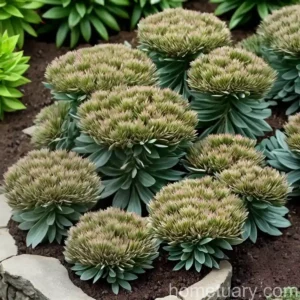
Plant Spotlight: Stonecrop (Sedum ‘Peace and Joy’)
Stonecrop (Sedum ‘Peace and Joy’) is a charming and low-maintenance succulent plant that has gained popularity among gardeners and landscape enthusiasts for its stunning foliage and vibrant flowers. This versatile plant can thrive in various environmental conditions and is favored for its easy cultivation and beautiful aesthetic. In this comprehensive guide, we will delve into the various aspects of stonecrop, including its culture, uses, care requirements, and much more.
What is Stonecrop (Sedum ‘Peace and Joy’)?
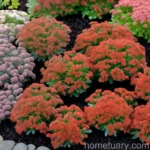
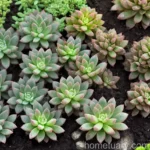
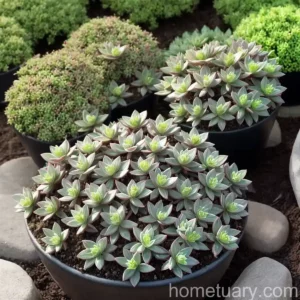
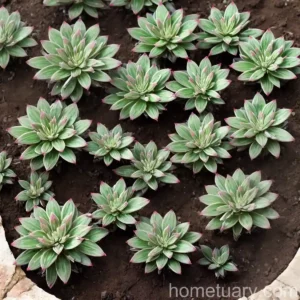
Sedum ‘Peace and Joy,’ commonly known as stonecrop, is a perennial succulent plant that belongs to the Sedum genus within the Crassulaceae family. This attractive plant is characterized by its fleshy, succulent leaves and clusters of star-shaped flowers that bloom in an array of colors, including shades of pink, red, white, and yellow. Stonecrop is known for its ability to thrive in harsh, rocky environments, making it an excellent choice for rock gardens, containers, and dry landscapes.
Key Takeaways – Stonecrop (Sedum ‘Peace and Joy’)
- Botanical Name: Sedum ‘Peace and Joy’
- Common Name: Stonecrop
- Plant Type: Perennial succulent
- Family: Crassulaceae
- Foliage: Fleshy, succulent leaves
- Flowers: Star-shaped, various colors
- Uses: Landscaping, containers, rock gardens
- Growth Habit: Low-maintenance, spreading
Now that we have an overview of stonecrop, let’s explore its culture, uses, and essential care requirements to help you cultivate and enjoy this delightful plant in your own garden or landscape.
Culture
Uses
Stonecrop (Sedum ‘Peace and Joy’) is a versatile plant that can be utilized in various landscaping and gardening applications. Some of its common uses include:
- Rock Gardens: Stonecrop’s low-growing and spreading nature makes it an ideal choice for rock gardens, where it can cascade over rocks and crevices, adding visual interest and texture.
- Containers: Due to its drought tolerance and low maintenance requirements, stonecrop is often planted in containers and hanging baskets, serving as a beautiful addition to patios, balconies, and indoor spaces.
- Ground Cover: In landscape design, stonecrop is used as a ground cover to create a carpet of succulent foliage, especially in areas with poor or rocky soil where other plants struggle to thrive.
Water
One of the appealing characteristics of stonecrop is its ability to withstand dry conditions and periods of drought. As a succulent plant, it stores water in its leaves, allowing it to survive extended periods without regular watering. When cultivating stonecrop, it is important to provide well-draining soil and allow the soil to dry out between waterings. Overwatering can lead to root rot and other moisture-related issues, so it is essential to practice moderation when watering your stonecrop plants.
Sunlight
Stonecrop thrives in full sun to partial shade, making it a suitable plant for a wide range of lighting conditions. However, to achieve the best growth and flowering performance, it is recommended to provide stonecrop with at least 6 hours of direct sunlight per day. In areas with intense heat, some afternoon shade may be beneficial to prevent sunscald and leaf damage. When grown indoors, place stonecrop near a sunny window or under grow lights to ensure adequate light exposure.
Fertilizer
Stonecrop is not a heavy feeder and generally thrives in nutrient-poor soils. Excessive fertilization can lead to overly lush growth and may reduce the plant’s natural resistance to drought. When fertilizing stonecrop, opt for a balanced, low-nitrogen fertilizer or a specialized succulent fertilizer diluted to half-strength. Apply the fertilizer sparingly during the growing season to support healthy growth and flower production. Avoid fertilizing stonecrop during the dormant winter months.
Soil
Well-draining soil is crucial for the successful cultivation of stonecrop. Whether planted in the ground or in containers, stonecrop plants require a porous and aerated growing medium to prevent waterlogging and root rot. A mixture of sandy soil, perlite, and peat moss can create an ideal growing medium for stonecrop, allowing excess moisture to drain away quickly while retaining some moisture for the plant’s needs. Additionally, a slightly alkaline to neutral pH range is suitable for stonecrop cultivation.
Pruning
Due to its low-maintenance nature, stonecrop generally requires minimal pruning. However, to encourage compact growth and maintain its desired shape, occasional pruning may be necessary, especially for overgrown or leggy plants. Trim back any dead or damaged foliage and spent flower spikes to promote a tidy appearance and encourage new growth. Pruning is typically performed in early spring before the active growing season begins.
Propagation
Stonecrop is easily propagated through several methods, including division, stem cuttings, and leaf cuttings. Here are some common propagation techniques for stonecrop:
- Division: Divide mature stonecrop plants in the spring or early summer by carefully separating the offsets or rooted sections and replanting them in well-draining soil.
- Stem Cuttings: Take 3-4 inch stem cuttings from healthy stonecrop plants and allow the cut ends to callus for a few days before planting them in a suitable propagation medium.
- Leaf Cuttings: Gently remove individual leaves from the plant and place them on top of a well-draining propagation mix. New plants will emerge from the base of the leaves over time.
Container Popularity
The versatile and compact nature of stonecrop makes it a popular choice for container gardening. Whether grown in individual containers or combined with other succulents and drought-tolerant plants, stonecrop adds an instant touch of charm and beauty to any container display. Its cascading growth habit and colorful foliage make it well-suited for hanging baskets, window boxes, and mixed succulent arrangements. When growing stonecrop in containers, it is essential to ensure proper drainage and select pots that allow excess water to escape easily.
Common Diseases
Sedum ‘Peace and Joy’ is relatively resistant to pests and diseases, especially when grown under favorable conditions. However, there are a few ailments that can affect this plant if proper care is not taken. Some common diseases that may impact stonecrop include:
- Powdery Mildew: A fungal disease that appears as a white powdery coating on the leaves, typically caused by poor air circulation and high humidity. To prevent powdery mildew, provide adequate spacing between plants and avoid overhead watering.
- Root Rot: Excessive moisture and poorly drained soil can lead to root rot in stonecrop. To prevent this, ensure that the soil is well-draining, and refrain from overwatering the plants.
- Stem Rot: Similar to root rot, stem rot can occur when the base of the plant becomes waterlogged, leading to decay and wilting. Proper watering practices and well-draining soil can help prevent stem rot.
Disease Diagnosis
When diagnosing potential diseases in stonecrop, it is important to closely inspect the plant for any signs of discoloration, wilting, or abnormal growth. Additionally, monitoring the surrounding environmental conditions, such as humidity levels, air circulation, and watering practices, can provide valuable insights into potential disease issues. Early detection and intervention can help mitigate the impact of diseases and prevent them from spreading to other plants in the vicinity.
Common Pests
As a resilient and drought-tolerant succulent, stonecrop is relatively resistant to pest infestations. However, certain pests may still pose a threat to the health of the plant if not properly managed. Common pests that may affect stonecrop include:
- Aphids: These tiny, soft-bodied insects can congregate on the undersides of leaves, sucking sap from the plant and causing distortion and discoloration. Regularly inspect the foliage for aphid infestations and use insecticidal soap to control their numbers.
- Mealybugs: Mealybugs are small, white, cottony insects that often cluster in protected areas of the plant, such as leaf axils and stem joints. Use a cotton swab dipped in rubbing alcohol to remove mealybugs from the plant and monitor for any recurring infestations.
- Spider Mites: These tiny arachnids can cause stippling and webbing on the leaves, leading to reduced plant vigor. Increase humidity levels and apply insecticidal soap to manage spider mite populations on stonecrop.
Botanist’s Tips
For optimal growth and care of stonecrop (Sedum ‘Peace and Joy’), consider the following expert tips:
- Well-Draining Soil: Ensure that the soil used for growing stonecrop is porous and allows excess water to drain away quickly. Incorporate perlite or coarse sand into the planting mix to improve drainage.
- Moderate Watering: Practice moderation when watering stonecrop, allowing the soil to dry out between waterings to prevent root rot and moisture-related issues. Adjust the frequency of watering based on environmental conditions and the moisture needs of the plant.
- Full Sun Exposure: Provide stonecrop with ample sunlight to promote robust growth and abundant flowering. In regions with intense heat, provide some afternoon shade to prevent leaf scorching.
- Avoid Overfertilization: Stonecrop thrives in nutrient-poor conditions, so refrain from overfertilizing the plant to prevent excessive growth and potential susceptibility to drought.
Fun Facts
- Stonecrop plants have been traditionally used in folk medicine for their purported healing properties. While further research is needed, some species of Sedum have shown potential medicinal benefits, including wound healing and anti-inflammatory effects.
- Stonecrop is a valuable nectar source for pollinators, attracting bees, butterflies, and other beneficial insects to the garden or landscape.
Links to External Resources
For further information on stonecrop (Sedum ‘Peace and Joy’) and related topics, explore the following external resources:
- Sedum ‘Peace and Joy’ – Plant Profiles (The Spruce)
- Growing Stonecrop: Tips at a Glance (Gardening Know How)
- Succulent Plant Care Guide (World of Succulents)
- Landscaping with Sedum – Design Ideas (HGTV)
- Sedum Ground Cover in the Garden (The Old Farmer’s Almanac)
Conclusion
Stonecrop (Sedum ‘Peace and Joy’) is a remarkable plant with captivating foliage, vibrant flowers, and exceptional resilience to various growing conditions. Whether used as a ground cover, container specimen, or rock garden accent, the versatility and charm of stonecrop make it a valuable addition to any garden or landscape setting. By understanding its culture, care requirements, and potential uses, you can cultivate and appreciate the beauty of stonecrop in your own outdoor spaces.
Intrigued by Sedum ‘Peace and Joy’? Ready to add this stunning succulent to your garden? Explore its growth habits, care tips, and landscaping potential to create a harmonious and joyful outdoor environment with the enchanting presence of stonecrop.