Sisyrinchium ‘Devon Skies’: A Delightful Addition to Your Garden
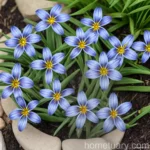
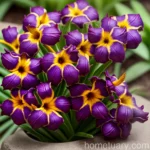
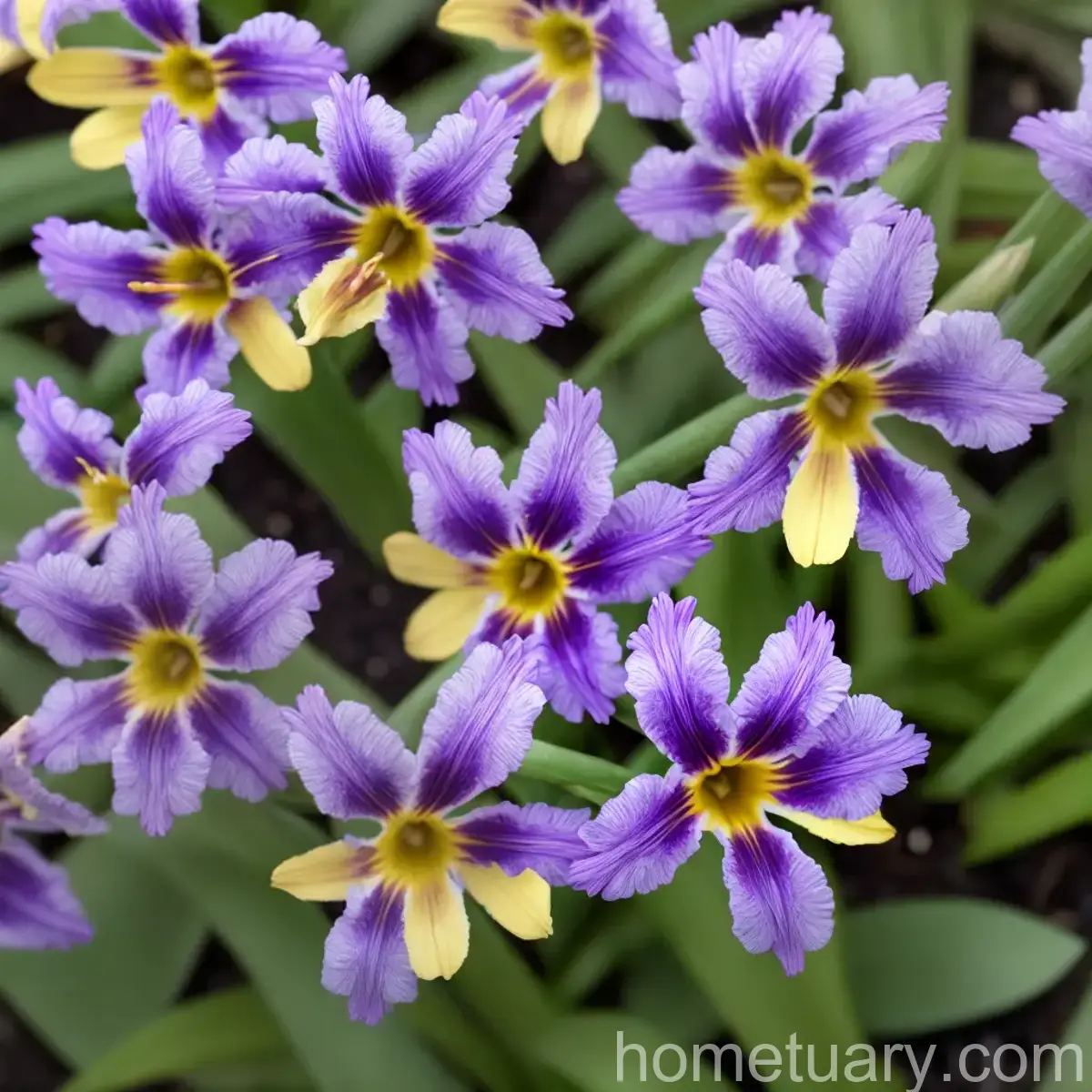
Sisyrinchium ‘Devon Skies’ is a charming perennial plant known for its delicate, star-shaped blue flowers and slender, grass-like foliage. This plant belongs to the Sisyrinchium genus and is a cultivar selected for its unique characteristics, making it a sought-after choice for gardeners looking to add beauty and visual interest to their landscapes.
In this comprehensive guide, we will explore the key aspects of Sisyrinchium ‘Devon Skies,’ including its cultural requirements, uses in landscaping, maintenance needs, propagation methods, common diseases and pests, and much more. Whether you are a seasoned gardener or a novice enthusiast, this article will provide you with valuable insights into cultivating and caring for this captivating plant.
What is Sisyrinchium ‘Devon Skies’?
Sisyrinchium ‘Devon Skies’ is a cultivar of Sisyrinchium, a genus of flowering plants in the family Iridaceae. The common name for Sisyrinchium is blue-eyed grass, although it is not a true grass but rather a member of the iris family. The ‘Devon Skies’ variety is particularly renowned for its striking sky-blue flowers and graceful appearance, making it a popular choice for ornamental gardens and landscape designs.
Key Takeaways – Sisyrinchium ‘Devon Skies’
Before diving into the specific aspects of cultivating Sisyrinchium ‘Devon Skies,’ let’s take a moment to outline the key takeaways associated with this delightful plant:
- Common Name: Devon Skies Sisyrinchium
- Botanical Name: Sisyrinchium ‘Devon Skies’
- Plant Type: Perennial
- Flower Color: Sky-blue
- Foliage: Slender, grass-like
- Uses: Borders, rock gardens, containers, edging plant, ground cover
- Water Needs: Moderate
- Sunlight: Full sun to partial shade
- Soil Preferences: Well-drained, fertile soil
- Hardiness Zone: 4-9
- Height: 8-12 inches
- Spread: 12-18 inches
Now that we have a broad overview of Sisyrinchium ‘Devon Skies,’ let’s delve into the specific cultural requirements, uses, and care guidelines for this enchanting plant.
Culture
Water
Sisyrinchium ‘Devon Skies’ thrives in moderately moist soil, and while it can tolerate short periods of drought, it is essential to maintain consistent soil moisture, especially during the active growing season. When established, this plant displays a good level of drought tolerance, making it suitable for landscapes with well-drained soils. However, during prolonged dry spells, it is advisable to provide supplemental watering to promote healthy growth and flowering.
Sunlight
In terms of sunlight requirements, Sisyrinchium ‘Devon Skies’ performs best in full sun to partial shade. Providing at least 6 hours of direct sunlight per day will encourage robust growth and prolific blooming. In regions with hot summers, providing some protection from intense afternoon sun can be beneficial, especially in ensuring the longevity of the delicate flowers.
Fertilizer
When it comes to fertilization, Sisyrinchium ‘Devon Skies’ appreciates a balanced, all-purpose fertilizer applied in early spring as new growth emerges. A slow-release granular fertilizer or a liquid formulation diluted to half-strength can provide the necessary nutrients to support healthy development and abundant flowering. It is important to avoid over-fertilization, as excessive nutrient levels can lead to lush foliage at the expense of flower production.
Soil
Sisyrinchium ‘Devon Skies’ thrives in well-drained, fertile soil with a slightly acidic to neutral pH. Amending the planting area with organic matter such as compost or well-rotted manure can improve soil structure and fertility, creating an optimal growing environment for this plant. Additionally, ensuring good drainage is crucial, as Sisyrinchium is susceptible to root rot in waterlogged conditions.
Pruning
Sisyrinchium ‘Devon Skies’ is relatively low-maintenance and does not require extensive pruning. However, removing spent flowers and shaping the plant can help maintain a tidy appearance and encourage additional bloom production. Additionally, in late fall or early spring, cutting back any dead or damaged foliage can promote healthy regrowth and prevent the accumulation of decaying plant material.
Propagation
Division
The most common method of propagating Sisyrinchium ‘Devon Skies’ is through division. This can be performed in early spring when new growth emerges or in the fall as the plant enters dormancy. The process involves carefully digging up the clumps of the plant, separating them into smaller sections, and replanting them in prepared soil. Divisions should include healthy shoots and roots to ensure successful establishment.
Seed Propagation
While less frequently utilized, Sisyrinchium ‘Devon Skies’ can also be propagated from seeds. To collect seeds, allow the spent flowers to form seed pods, which can be harvested once they have dried and turned brown. Sowing the seeds in a well-prepared seed-starting mix and providing consistent moisture and warmth can result in the germination of new plants. Keep in mind that seed-grown specimens may exhibit some natural variation compared to the parent plant.
Container Popularity
Sisyrinchium ‘Devon Skies’ is well-suited for container gardening, adding a touch of elegance to porches, patios, and balconies. When grown in containers, this plant can be positioned to highlight its delicate blooms and slender foliage, serving as a charming centerpiece or accent plant. Additionally, the portability of containers allows for easy repositioning to meet the plant’s sunlight and water requirements, making it a versatile choice for small-space gardens.
Container Care
When cultivating Sisyrinchium ‘Devon Skies’ in containers, it is crucial to select pots with adequate drainage holes to prevent waterlogging. Using a high-quality, well-draining potting mix and incorporating a slow-release fertilizer can provide the necessary nutrients for sustained growth and flowering. Regular monitoring of soil moisture and attentive watering are essential to ensure the plant’s well-being in a container environment.
Common Diseases
Like many garden plants, Sisyrinchium ‘Devon Skies’ is vulnerable to certain diseases and infections that can impact its overall health and appearance. Being aware of common ailments and their associated symptoms is crucial in implementing proactive measures to maintain plant vitality. Some of the potential diseases that can affect Sisyrinchium ‘Devon Skies’ include:
-
Leaf Spot: Characterized by the appearance of dark, water-soaked spots on the foliage, often leading to yellowing and premature leaf drop.
-
Root Rot: Caused by excessive soil moisture and poor drainage, leading to the decay of the plant’s root system and a decline in overall vigor.
-
Powdery Mildew: Manifests as a powdery, white coating on the leaves and stems, potentially inhibiting photosynthesis and weakening the plant.
These and other diseases can be managed through proper cultural practices, including adequate spacing to promote air circulation, moderate watering to prevent water-related issues, and prompt removal of infected plant material to limit the spread of pathogens.
Disease Diagnosis
Diagnosing plant diseases can be a challenging task, as symptoms often overlap, and multiple factors can contribute to a plant’s decline. When observing potential signs of disease on Sisyrinchium ‘Devon Skies,’ it is essential to accurately identify the specific symptoms, such as leaf discoloration, wilting, or abnormal growth. Consulting with local horticultural extension services, master gardeners, or plant pathology resources can aid in precise disease diagnosis and the implementation of effective treatment strategies.
Common Pests
In addition to diseases, Sisyrinchium ‘Devon Skies’ may be susceptible to insect pests that can impact its health and appearance. While this plant is relatively resistant to pest infestations, vigilance is essential in monitoring for signs of pest activity to prevent population buildup and subsequent damage. Some common pests that may affect Sisyrinchium ‘Devon Skies’ include:
-
Aphids: Small, soft-bodied insects that cluster on new growth, feeding on plant sap and potentially transmitting viral diseases.
-
Spider Mites: Tiny arachnids that can cause stippling and webbing on the leaves, leading to decreased photosynthetic efficiency.
-
Snails and Slugs: These mollusks can feed on Sisyrinchium foliage, leaving behind irregular holes and damage.
Regular inspection of the plant, particularly the undersides of leaves and the growing tips, can help detect early signs of pest presence, allowing for prompt intervention through targeted insecticidal soaps, horticultural oils, or other suitable control methods.
Botanist’s Tips
Here are some additional tips to ensure the successful cultivation and enjoyment of Sisyrinchium ‘Devon Skies’:
-
Companion Planting: Pair Sisyrinchium ‘Devon Skies’ with other low-growing perennials, such as sedum, dianthus, or creeping thyme, to create visually appealing combinations and enhance landscape diversity.
-
Wildlife Attraction: The delicate flowers of Sisyrinchium ‘Devon Skies’ can attract pollinators, such as bees and butterflies, adding ecological value to the garden and supporting beneficial insect populations.
-
Seasonal Interest: With its charming blooms and elegant foliage, Sisyrinchium ‘Devon Skies’ contributes visual interest throughout the growing season, adding a touch of allure to garden borders, rockeries, and container arrangements.
Fun Facts
For enthusiasts and curious gardeners, here are some intriguing facts about Sisyrinchium ‘Devon Skies’:
-
Native Habitat: Sisyrinchium ‘Devon Skies’ is native to parts of North and South America, where it thrives in open meadows, grasslands, and woodland edges.
-
Winter Care: While Sisyrinchium ‘Devon Skies’ is generally hardy, providing a layer of mulch around the plants in late fall can offer protection from extreme cold and fluctuating winter temperatures.
-
Landscape Focal Point: The vibrant blue flowers of Sisyrinchium ‘Devon Skies’ can serve as eye-catching focal points in garden beds, drawing attention and infusing color into the landscape.
Now that we have explored the various aspects of Sisyrinchium ‘Devon Skies,’ from its cultural requirements to its unique characteristics and uses, let’s take a look at some external resources for further information and insights on this captivating plant.
Links to External Resources
For additional guidance, inspiration, and in-depth information about Sisyrinchium ‘Devon Skies’ and its care, the following external resources can serve as valuable references:
- Royal Horticultural Society – Sisyrinchium ‘Devon Skies’
- Missouri Botanical Garden – Blue-Eyed Grass (Sisyrinchium Angustifolium)
- University of Florida IFAS Extension – Blue-Eyed Grass for the Home Garden
- North Carolina State University Extension – Sisyrinchium Species for Gardens
- American Conifer Society – Blue-Eyed Grass: A Native Anemone for the Garden
By utilizing these resources, gardeners can access a wealth of expert knowledge, cultivation techniques, and practical tips for successfully growing and enjoying Sisyrinchium ‘Devon Skies’ in their own landscapes.
Conclusion
Sisyrinchium ‘Devon Skies’ stands out as an enchanting perennial plant, adorning gardens with its sky-blue flowers and graceful foliage. From its moderate water and sunlight needs to its versatile uses in containers, borders, and rock gardens, this cultivar offers a blend of aesthetic appeal and low-maintenance charm.
By understanding and implementing the cultural guidelines, maintenance practices, and propagation methods discussed in this guide, gardeners can cultivate thriving displays of Sisyrinchium ‘Devon Skies,’ adding a touch of natural elegance and seasonal interest to their outdoor spaces.
With its adaptability, visual allure, and ecological significance in supporting pollinators, Sisyrinchium ‘Devon Skies’ exemplifies the enduring appeal of ornamental plants and the joy they bring to gardening enthusiasts around the world.
Keywords: Devon Skies Sisyrinchium, Sisyrinchium Devon Skies, Sisyrinchium flower, Sisyrinchium plant, Sisyrinchium cultivar, Sisyrinchium varieties, Sisyrinchium species, Devon Skies blue-eyed grass, Devon Skies plant, Sisyrinchium ‘Devon Skies’ review, Sisyrinchium characteristics, Sisyrinchium care, Sisyrinchium gardening tips, Devon Skies blue-eyed grass care, Sisyrinchium ‘Devon Skies’ planting, Sisyrinchium propagation, Sisyrinchium ‘Devon Skies’ flowers, Sisyrinchium ‘Devon Skies’ growth, Sisyrinchium ‘Devon Skies’ landscape, Sisyrinchium ‘Devon Skies’ perennial, Sisyrinchium ‘Devon Skies’ hardiness, Sisyrinchium ‘Devon Skies’ zone, Sisyrinchium ‘Devon Skies’ sunlight requirements, Sisyrinchium ‘Devon Skies’ soil preferences, Sisyrinchium ‘Devon Skies’ water needs, Sisyrinchium ‘Devon Skies’ drought tolerance, Sisyrinchium ‘Devon Skies’ companion plants, Sisyrinchium ‘Devon Skies’ container gardening, Sisyrinchium ‘Devon Skies’ landscape design, Sisyrinchium ‘Devon Skies’ wildlife attraction, Sisyrinchium ‘Devon Skies’ pollinator-friendly, Sisyrinchium ‘Devon Skies’ cut flowers, Sisyrinchium ‘Devon Skies’ garden borders, Sisyrinchium ‘Devon Skies’ ground cover, Sisyrinchium ‘Devon Skies’ rock gardens, Sisyrinchium ‘Devon Skies’ edging plant, Sisyrinchium ‘Devon Skies’ naturalizing, Sisyrinchium ‘Devon Skies’ low maintenance, Sisyrinchium ‘Devon Skies’ seasonal interest, Sisyrinchium ‘Devon Skies’ native habitat, Sisyrinchium ‘Devon Skies’ winter care, Sisyrinchium ‘Devon Skies’ border plant, Sisyrinchium ‘Devon Skies’ foliage color, Sisyrinchium ‘Devon Skies’ texture, Sisyrinchium ‘Devon Skies’ landscape focal point, Sisyrinchium ‘Devon Skies’ walking iris, Sisyrinchium ‘Devon Skies’ perennial garden, Sisyrinchium ‘Devon Skies’ drought-resistant plant, Sisyrinchium ‘Devon Skies’ xeric landscaping, Sisyrinchium ‘Devon Skies’ pollinator garden