Yew (Taxus x media ‘Hatfieldii’)
The yew (Taxus x media ‘Hatfieldii’) is an evergreen shrub that has been cultivated and cherished for centuries due to its striking appearance, versatility, and various cultural and medicinal uses. This blog post will provide a comprehensive overview of the yew plant (Taxus x media ‘Hatfieldii’), covering its culture, uses, water and sunlight requirements, fertilizer and soil preferences, pruning techniques, propagation methods, common diseases and pests, as well as some interesting botanist’s tips and fun facts about this remarkable plant. Furthermore, we will explore the historical significance and contemporary popularity of the yew (Taxus x media ‘Hatfieldii’), providing valuable information for both enthusiasts and horticultural professionals.
Key Takeaways – Yew (Taxus x media ‘Hatfieldii’)
Before delving into the detailed aspects of the yew plant, let’s explore the main key takeaways that will guide our comprehensive discussion:
- Plant Name: Yew (Taxus x media ‘Hatfieldii’)
- Botanical Classification: Taxus x media
- Common Name: Hatfieldii yew
- Type: Evergreen shrub
- Cultivar: Hatfieldii
- Cultural Uses
- Landscaping
- Medicinal purposes
- Water: Moderate
- Sunlight: Partial to full shade
- Fertilizer: Minimal
- Soil: Well-draining, acidic
- Pruning: Regular, to maintain shape and size
- Propagation: Stem cuttings
- Popularity: Widely cultivated
- Common Diseases: Root rot, canker
- Common Pests: Scale insects, mealybugs
- Botanist’s Tips
- Avoid ingestion of plant parts
- Prune carefully to avoid excessive exposure to toxic sap
- Fun Facts
- Historical significance in traditional medicine
- Symbolism in various cultures
Now, let’s delve into the various aspects of the yew (Taxus x media ‘Hatfieldii’) in detail.
What is Yew (Taxus x media ‘Hatfieldii’)?
The yew (Taxus x media ‘Hatfieldii’) is a versatile evergreen shrub that belongs to the Taxaceae family, known for its dark green foliage and vibrant red arils on its female cones. This cultivar, Hatfieldii, is a carefully selected variety that exhibits specific characteristics, making it a popular choice for ornamental and therapeutic purposes. The yew is widely cherished for its resilience, adaptability, and rich cultural history.
Culture
The yew (Taxus x media ‘Hatfieldii’) holds a special place in horticulture due to its widespread cultural uses. Whether it’s utilized for ornamental landscaping or harvested for its medicinal components, the yew remains an indispensable component of diverse cultural practices.
Uses
- Landscaping: The yew (Taxus x media ‘Hatfieldii’) is a favorite among landscapers and gardeners for its ability to create dense hedges and provide an elegant backdrop for other plants. Its dense, dark foliage makes it an ideal choice for creating privacy screens and defining garden spaces.
- Medicinal Purposes: The yew plant has a long history of medicinal use, particularly in traditional Chinese medicine and indigenous cultures. Its bark, needles, and seeds contain alkaloids with medicinal properties, although it’s important to note that these compounds can be toxic and should only be used under professional supervision.
Water
The yew (Taxus x media ‘Hatfieldii’) thrives in moderate watering conditions, preferring slightly moist but well-draining soil. It is essential to avoid over-watering, as waterlogged soil can lead to root rot and other detrimental effects. Monitoring soil moisture levels and adjusting watering frequency based on environmental conditions is crucial for maintaining the health and vitality of the yew plant.
Sunlight
When it comes to sunlight requirements, the yew (Taxus x media ‘Hatfieldii’) prefers partial to full shade. While it can tolerate some sunlight, especially in cooler climates, it generally thrives in shaded areas. This makes it an excellent choice for planting under tall trees or in areas with limited direct sunlight, where many other plants struggle to thrive.
Fertilizer
The yew (Taxus x media ‘Hatfieldii’) has minimal fertilizer requirements, making it relatively low-maintenance in terms of feeding. A balanced, slow-release fertilizer applied in early spring can provide the necessary nutrients for healthy growth. Excessive fertilization should be avoided, as it can lead to imbalanced growth and potential health issues for the plant.
Soil
The yew (Taxus x media ‘Hatfieldii’) thrives in well-draining, acidic soil. It is essential to ensure that the soil has good aeration and does not become waterlogged, as the yew is susceptible to root rot in poorly drained conditions. Amending the soil with organic matter, such as compost or peat moss, can help maintain an optimal growing environment for the yew plant.
Pruning
Regular pruning is essential for maintaining the desired shape and size of the yew (Taxus x media ‘Hatfieldii’). This evergreen shrub responds well to pruning and can be shaped into formal hedges, topiaries, or as a standalone ornamental specimen. Pruning also helps remove dead or diseased branches, promoting overall plant health and vigor.
Propagation
Propagation of the yew (Taxus x media ‘Hatfieldii’) is commonly done through stem cuttings. Taking semi-hardwood cuttings in late summer and rooting them in a well-draining propagation medium can yield new plants. It’s important to provide the right environmental conditions, such as adequate humidity and warmth, to enhance the success rate of propagation from cuttings.
Container Popularity
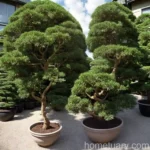
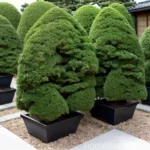
The yew (Taxus x media ‘Hatfieldii’) is well-suited for container gardening, making it a popular choice for individuals with limited garden space or those looking to add an evergreen accent to their patios, balconies, or outdoor living areas. Its adaptability to container growth and its ornamental value make it an attractive option for container gardening enthusiasts.
Common Diseases
The yew (Taxus x media ‘Hatfieldii’) is susceptible to certain diseases that can impact its overall health and longevity. Understanding these common diseases and their management is crucial for maintaining the vitality of the yew plant in various growing environments.
Disease Diagnosis
- Root Rot: Overly wet or waterlogged soil can lead to root rot in yew plants, causing symptoms such as wilting, yellowing foliage, and stunted growth. Proper drainage and balanced watering practices are essential for preventing and managing root rot.
- Canker: Canker diseases can affect the branches of yew plants, leading to sunken areas, dieback, and reduced vitality. Pruning out affected branches and promoting overall plant vigor through proper care can help mitigate the impact of canker diseases.
Common Pests
In addition to diseases, the yew (Taxus x media ‘Hatfieldii’) is vulnerable to certain pests that can affect its growth and appearance. Being vigilant about pest management and employing preventive measures can help protect the yew plant from harmful infestations.
Botanist’s Tips
- Avoid Ingestion of Plant Parts: It’s important to note that various parts of the yew plant, including the seeds and foliage, contain toxic compounds. Care should be taken to prevent accidental ingestion, especially by pets or children.
- Pruning Carefully: When pruning yew plants, it’s essential to wear protective clothing and take precautions to avoid excessive exposure to the toxic sap. While the toxicity of yew sap is primarily a concern during ingestion, contact with the skin should be minimized as well.
Fun Facts
- Historical Significance: The yew plant has a rich historical significance, often associated with ancient ceremonial and sacred practices. In various cultures, the yew has been revered for its longevity and symbolism, representing resilience and endurance.
- Symbolism: The yew has been a symbol of endurance and renewal, with its evergreen foliage and capacity for regeneration being deeply embedded in folklore and traditions. Its presence in graveyards and sacred spaces reflects its association with life and death.
The comprehensive overview provided above encompasses various aspects of the yew (Taxus x media ‘Hatfieldii’), including its characteristics, cultural uses, care requirements, and historical significance. By delving into the intricate details of this exceptional plant, we aim to provide valuable insights for both enthusiasts and horticultural professionals interested in exploring the world of yew cultivation and appreciation. Engaging with the diverse facets of the yew plant not only enhances our understanding of its horticultural value but also deepens our connection to the rich tapestry of botanical diversity that surrounds us.