Blue-Eyed Grass (Sisyrinchium angustifolium SASSY GRASS)
Introduction to Blue-Eyed Grass
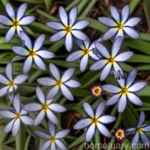
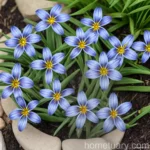
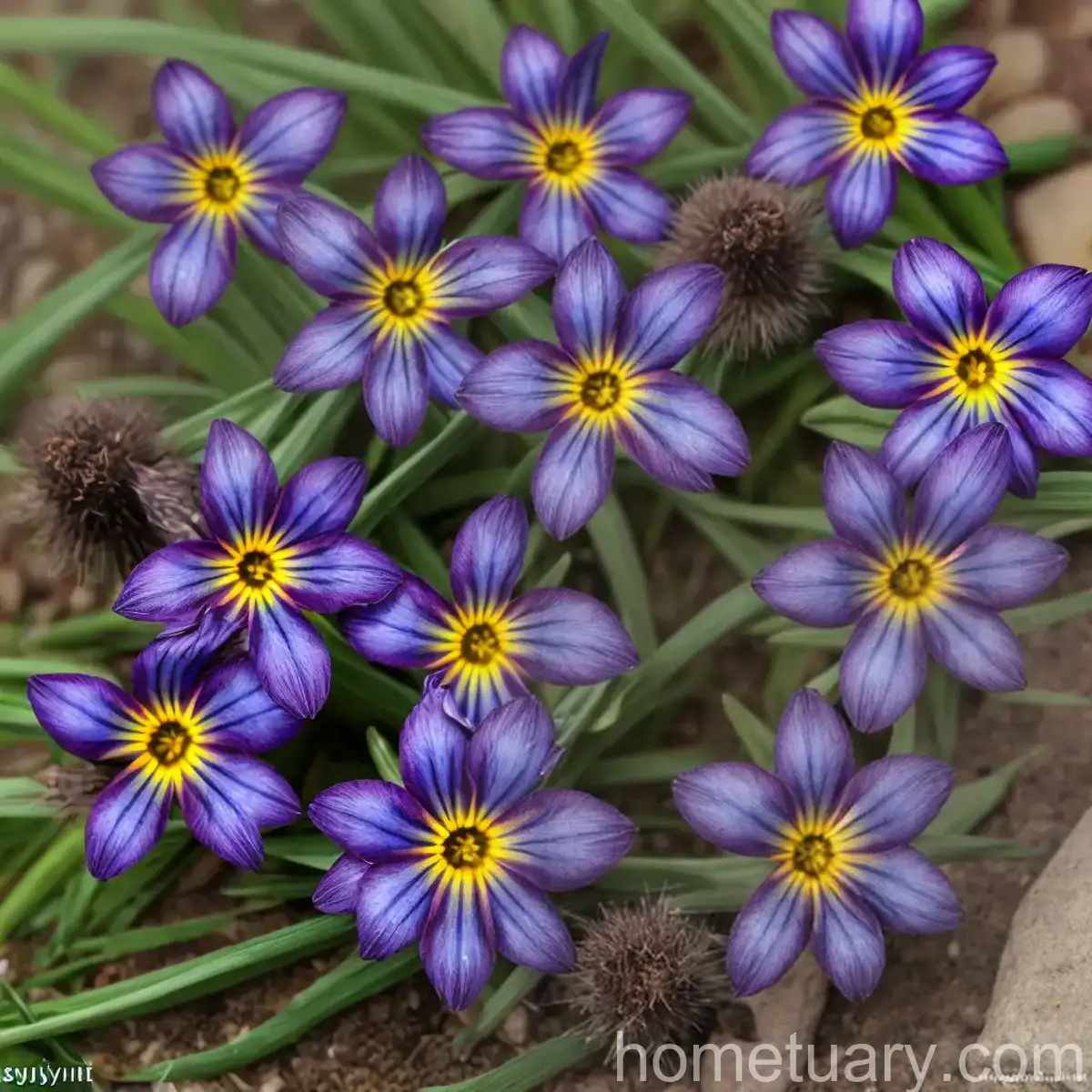
Blue-eyed grass is a charming and diminutive perennial plant that belongs to the iris family, Iridaceae, and is native to North America. It is scientifically known as Sisyrinchium angustifolium, and is also commonly referred to as Sassy Grass. The plant’s delicate blue-and-yellow flowers, reminiscent of tiny irises, earn it the name “blue-eyed grass,” although it is not actually a grass at all, but rather a member of the iris family. Blue-eyed grass is a favorite in the gardening world for its low-growing, tufted foliage and its ability to thrive in a range of garden settings, making it an ideal choice for rock gardens, borders, and naturalizing in meadows.
Sisyrinchium angustifolium, is valued not only for its visual appeal but also for its adaptability and low maintenance nature. Enthusiasts appreciate the ease with which it can be grown and its ability to attract pollinators such as bees and butterflies to the garden. In this comprehensive guide, we will explore the various aspects of Sassy Grass, including its cultivation, uses, care, and maintenance.
Key Takeaways – Blue-Eyed Grass (Sisyrinchium angustifolium SASSY GRASS)
- Scientific Name: Sisyrinchium angustifolium
- Common Name: Blue-eyed grass, Sassy grass
- Family: Iridaceae
- Type: Perennial
- Native Range: North America
- Height: 6-18 inches
- Spread: 12-24 inches
- Flower Color: Blue and yellow
- Sunlight: Full sun to part shade
- Water: Moderate
- Soil: Well-draining
- USDA Hardiness Zones: 4-9
- Uses: Borders, rock gardens, naturalizing, container gardening
- Attracts: Bees, butterflies
Culture and Characteristics of Blue-Eyed Grass
Few plants can match the charm and grace of blue-eyed grass in the garden. It is a hardy and versatile perennial, well-suited to a wide range of garden settings. Understanding its cultural requirements is essential for ensuring its successful growth and bloom.
Uses
Blue-eyed grass has a number of versatile uses in the garden, thanks to its adaptable nature and charming appearance. Some common uses include:
- Borders: The low-growing habit and delicate flowers of blue-eyed grass make it an excellent choice for lining garden borders. It adds a touch of elegance and visual interest to the edges of garden beds.
- Rock Gardens: Its compact size and tolerance for well-draining soil make it ideal for rock gardens, where it can thrive alongside other low-growing alpine plants, adding a pop of color to the landscape.
- Naturalizing: Blue-eyed grass can be allowed to naturalize in meadows and open areas, where its charming flowers contribute to a natural and wildflower-like aesthetic.
- Container Gardening: Due to its manageable size and adaptability to container culture, blue-eyed grass can be grown in pots and planters, adding a touch of whimsy to patios and balconies.
Water
While Sisyrinchium angustifolium is relatively tolerant of different moisture levels, it does appreciate consistent moisture, especially during the growing season. Adequate watering is essential for encouraging healthy growth and prolific flowering. However, it is important to ensure that the soil does not become waterlogged, as excessive moisture can lead to root rot. A good rule of thumb is to allow the soil to dry slightly between waterings, but not to the point of dehydration.
Sunlight
Blue-eyed grass thrives in a sunny or partially shaded location. It is best to provide it with at least 6 hours of sunlight each day for optimal growth and flowering. However, in regions with hot summers, providing some afternoon shade can be beneficial in preventing the plant from becoming stressed and scorched by the intense midday sun.
Fertilizer
For Sassy grass to thrive and produce an abundance of charming blooms, it is important to provide it with adequate nutrition. A balanced, all-purpose fertilizer can be applied in spring, as the plant begins its active growth phase. It is advisable to follow the manufacturer’s instructions regarding the rate and frequency of application to avoid over-fertilization, which can lead to excessive foliage growth at the expense of flowers.
Soil
Blue-eyed grass prefers well-draining soil that is rich in organic matter. It can tolerate a slightly acidic to neutral pH, ranging from 5.5 to 7.0. Soil that retains too much moisture can lead to root rot, so ensuring good drainage is essential. In heavy clay soils, amending with organic matter, such as compost or peat moss, can improve the soil’s structure and drainage, creating a more hospitable environment for the plant’s roots.
Pruning
Pruning is an important aspect of maintaining the health and appearance of Sisyrinchium angustifolium. While the plant is relatively low-maintenance, deadheading spent flowers can prolong the blooming season and prevent the plant from expending energy on seed production. Additionally, removing any yellowing or damaged foliage can help keep the plant looking tidy and vibrant.
Propagation
Blue-eyed grass can be propagated through division or seeds. Dividing established clumps in early spring allows the plant to rejuvenate and expand, while also providing new plants for the garden. When collecting seeds, it is best to do so when the seed capsules have dried on the plant. The seeds can then be sown in a prepared seedbed or containers and kept consistently moist until germination occurs.
Container Popularity
Sassy grass has gained popularity in container gardening due to its compact size, charming appearance, and adaptability to growing in pots and planters. Its ability to thrive in containers makes it a versatile option for adding color and texture to patios, decks, and balconies, where gardeners can enjoy its delightful blooms up close.
Common Diseases and Pests
As with any plant, blue-eyed grass is susceptible to certain diseases and pests that can impact its health and appearance. Being aware of these potential issues can help gardeners take proactive measures to prevent or address them.
Common Diseases
Sisyrinchium angustifolium is generally resistant to most diseases, especially when grown in favorable conditions. However, it can occasionally be affected by fungal diseases such as powdery mildew, particularly in environments with poor air circulation and high humidity. Proper spacing, adequate airflow, and avoiding overhead watering can help reduce the risk of fungal infections.
Common Pests
The charming blooms and foliage of blue-eyed grass can attract the attention of certain pests. Although the plant is relatively resistant to pest infestations, it may occasionally be targeted by aphids, spider mites, or snails and slugs. Regular monitoring of the plants, along with proactive pest management measures, such as hand-picking pests or using biological controls, can help prevent pest populations from escalating and causing significant damage.
Botanist’s Tips for Growing Blue-Eyed Grass
- Well-draining Soil: Ensure that the soil is well-draining to prevent waterlogging and root rot.
- Adequate Sunlight: Provide the plant with at least 6 hours of sunlight each day for prolific blooming.
- Consistent Moisture: While Sassy grass is adaptable to varying moisture levels, it benefits from consistent moisture during the growing season.
- Deadheading: Regularly remove spent flowers to encourage prolonged blooming and prevent the formation of seeds.
- Division: Periodically divide established clumps to rejuvenate the plant and obtain new specimens for the garden.
Fun Facts about Blue-Eyed Grass
- Blue-eyed grass belongs to the iris family, Iridaceae, and is not a true grass.
- The delicate blue-and-yellow flowers of blue-eyed grass resemble miniature irises.
- Blue-eyed grass is a native wildflower that contributes to the natural beauty of North American landscapes.
- The plant attracts pollinators such as bees and butterflies, contributing to the biodiversity of the garden.
Links to External Resources
For further information and resources about blue-eyed grass, please refer to the following:
- North Carolina Wildflower Preservation Society
- Lady Bird Johnson Wildflower Center
- Missouri Botanical Garden
- University of Florida IFAS Extension
- United States Department of Agriculture
With its delicate blooms and unassuming charm, blue-eyed grass (Sisyrinchium angustifolium) has captured the hearts of gardeners and plant enthusiasts alike. Its adaptable nature, low-maintenance requirements, and visual appeal make it a valuable addition to diverse garden settings. By understanding its cultural needs and implementing appropriate care practices, gardeners can ensure the health and vitality of this captivating perennial, allowing it to grace their landscapes with its delightful presence.