Sisyrinchium angustifolium ‘Lucerne’ (Blue-Eyed Grass) – An In-depth Plant Guide
Sisyrinchium angustifolium ‘Lucerne’, commonly known as Blue-Eyed Grass, is a charming perennial plant that captivates with its delicate blue flowers and grass-like foliage. This plant is a member of the iris family and is native to North America. In this comprehensive guide, we will explore the key aspects of the care, cultivation, characteristics, and uses of Sisyrinchium angustifolium ‘Lucerne’. Whether you are an experienced gardener or a novice plant enthusiast, this article is designed to provide you with valuable insights into nurturing and appreciating this beautiful plant.
What is Sisyrinchium angustifolium ‘Lucerne’ (Blue-Eyed Grass)?
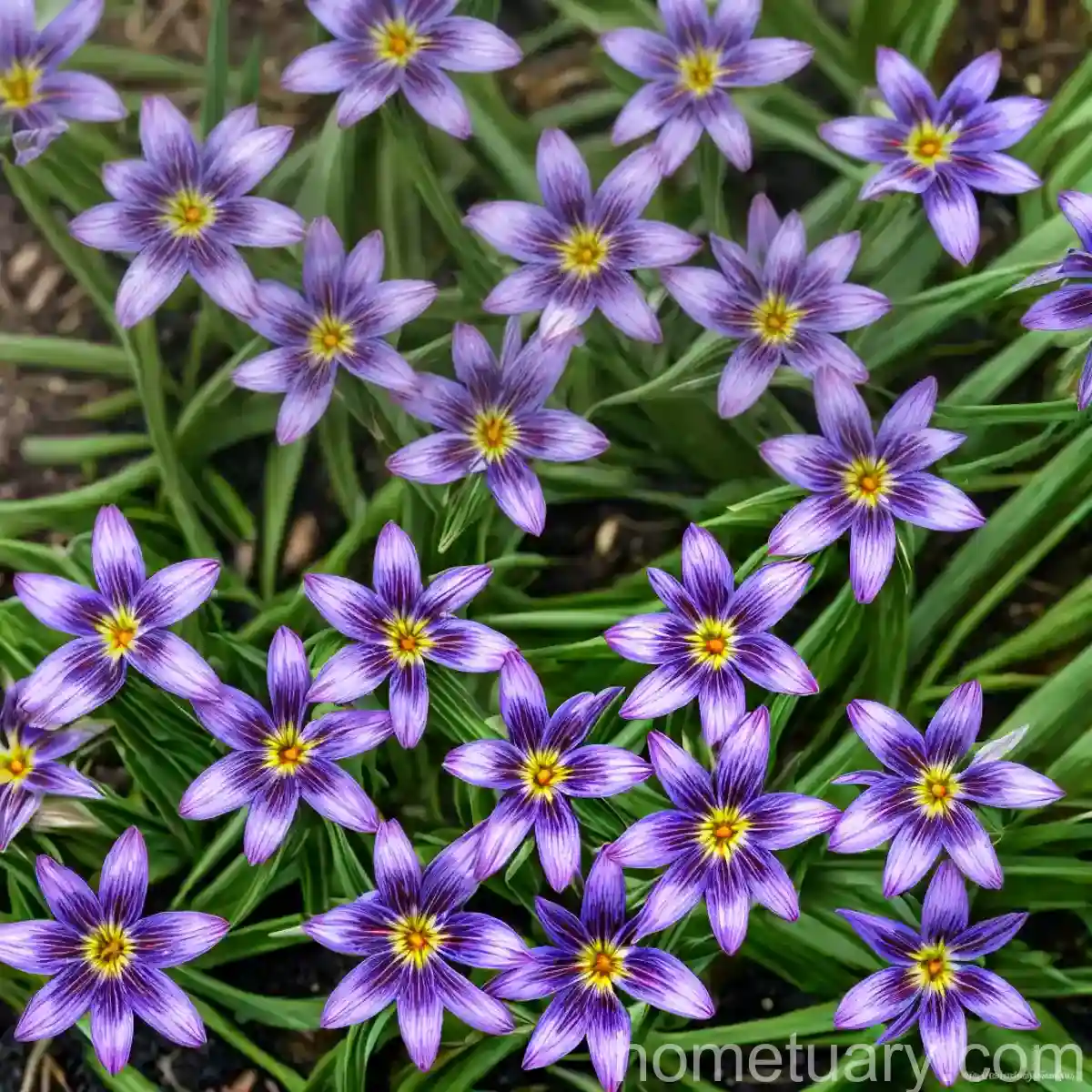
Sisyrinchium angustifolium ‘Lucerne’, commonly referred to as Blue-Eyed Grass, is a herbaceous perennial plant that belongs to the family Iridaceae. Despite its common name, Blue-Eyed Grass is not a grass but rather a member of the iris family, characterized by its slender, grass-like leaves and delicate, star-shaped, pale blue flowers with distinct yellow centers. This plant typically reaches a height of 12 to 18 inches (30 to 45 cm) and is known for its clumping nature, making it an excellent choice for borders, rock gardens, and naturalized plantings.
Blue-Eyed Grass is a native species to the eastern and central regions of North America, where it can be found in a variety of habitats, including meadows, prairies, and open woodlands. Its adaptability to different growing conditions makes it an attractive choice for gardeners seeking to enhance the visual appeal of their outdoor spaces with a native, low-maintenance plant.
Key Takeaways – Sisyrinchium angustifolium ‘Lucerne’ (Blue-Eyed Grass)
- Botanical Name: Sisyrinchium angustifolium ‘Lucerne’
- Common Name: Blue-Eyed Grass
- Family: Iridaceae
- Plant Type: Herbaceous perennial
- Mature Height: 12 to 18 inches (30 to 45 cm)
- Native Range: Eastern and central North America
- Flower Color: Pale blue with yellow centers
- Foliage: Grass-like, slender leaves
- Growth Habit: Clumping
- Growing Zones: 3 to 9
Now that we have an overview of Sisyrinchium angustifolium ‘Lucerne’, let’s delve into the specific aspects of its cultivation, care, and maintenance to ensure its optimal growth and health in various garden settings.
Culture
Cultivating Sisyrinchium angustifolium ‘Lucerne’ requires an understanding of its preferred growing conditions, including soil, sunlight, water, and fertilizer requirements. By providing the appropriate cultural care, you can promote the plant’s vigor and floral display while minimizing the risk of common pests and diseases.
Uses
The versatile nature of Blue-Eyed Grass allows for a range of uses in garden landscapes, from mass plantings to container gardening. Understanding the diverse applications of Sisyrinchium angustifolium ‘Lucerne’ can inspire creative design choices and landscaping ideas.
Water
Proper watering is essential for the health and vitality of Sisyrinchium angustifolium ‘Lucerne’. By establishing an appropriate watering regimen, you can support the plant’s growth and resilience, particularly during periods of drought or excessive rainfall.
Sunlight
As with many plants, sunlight plays a crucial role in the growth and blooming patterns of Sisyrinchium angustifolium ‘Lucerne’. Understanding its sunlight requirements can guide you in selecting the ideal location for planting and promoting abundant flowering.
Fertilizer
While Blue-Eyed Grass is relatively low-maintenance, providing balanced nutrition through fertilization can contribute to its overall vigor and floral abundance. Learning about the appropriate fertilizer application for Sisyrinchium angustifolium ‘Lucerne’ can optimize its growth and blooming performance.
Soil
The soil composition and quality directly impact the health and establishment of Sisyrinchium angustifolium ‘Lucerne’. Familiarizing yourself with the plant’s soil preferences and potential challenges can aid in creating an optimal growing environment for this captivating perennial.
Pruning
Pruning is an essential aspect of Blue-Eyed Grass maintenance, enabling you to manage its growth, remove spent blooms, and rejuvenate the plant as needed. Understanding the proper pruning techniques for Sisyrinchium angustifolium ‘Lucerne’ can contribute to its long-term health and visual appeal.
Propagation
Expanding your Blue-Eyed Grass collection or sharing its beauty with others can be achieved through successful propagation methods. By learning about the propagation techniques suited to Sisyrinchium angustifolium ‘Lucerne’, you can propagate the plant with confidence and ensure its continued presence in your garden or landscape.
Container Popularity
Sisyrinchium angustifolium ‘Lucerne’ is increasingly popular for container gardening, offering a charming and low-maintenance ornamental option for various outdoor and indoor settings. Exploring its container gardening potential can inspire innovative display ideas and expand the plant’s versatility in horticulture.
Container Common Diseases
While Blue-Eyed Grass is generally resilient, it is important to be aware of potential diseases that may affect the plant when grown in containers. Understanding and identifying common container diseases can support proactive management and preservation of the plant’s health.
Disease Diagnosis
Recognizing and diagnosing diseases that may affect Sisyrinchium angustifolium ‘Lucerne’ is crucial for implementing timely and effective treatment strategies. By familiarizing yourself with common plant diseases and their symptoms, you can safeguard the vitality of Blue-Eyed Grass in your garden or landscape.
Common Pests
As with many ornamental plants, Blue-Eyed Grass may be susceptible to certain pests that can impact its growth and aesthetic appeal. Learning about common pests and their management approaches is essential for protecting Sisyrinchium angustifolium ‘Lucerne’ from potential infestations.
Botanist’s Tips
Gaining insights and recommendations from botanical experts can enhance your understanding and appreciation of Sisyrinchium angustifolium ‘Lucerne’. By incorporating botanist’s tips into your cultivation practices, you can nurture the plant with attentiveness and expertise, fostering its optimal development and beauty.
Fun Facts
Exploring the unique and fascinating aspects of Blue-Eyed Grass can deepen your connection to this remarkable plant and enrich your gardening experience. Uncovering fun facts about Sisyrinchium angustifolium ‘Lucerne’ can inspire curiosity and a sense of wonder, elevating your appreciation for its botanical charm.
Conclusion
Sisyrinchium angustifolium ‘Lucerne’ (Blue-Eyed Grass) offers a captivating combination of delicate beauty, adaptability, and low-maintenance qualities, making it a valuable addition to garden landscapes and horticultural projects. By delving into the specific care, cultivation, and uses of this perennial plant, you can gain the knowledge and skills needed to foster its health, vitality, and aesthetic impact in a variety of settings.
In the following sections, we will explore each aspect in detail, providing practical insights and valuable tips to support the successful cultivation and enjoyment of Sisyrinchium angustifolium ‘Lucerne’. Whether you are a gardening enthusiast, a landscape designer, or a nature lover, this comprehensive guide aims to enrich your understanding and admiration of this enchanting plant, empowering you to cultivate and showcase its charm with confidence and finesse.
For references, use the following links:
– Missouri Botanical Garden – Sisyrinchium angustifolium ‘Lucerne’
– University of Florida IFAS Extension – Blue-Eyed Grass
– North Carolina State University Extension – Blue-Eyed Grass