Olsynium douglasii (Grass Widow): A Comprehensive Care Guide
Plants are not just a beautiful addition to our surroundings; they also play a crucial role in our ecosystem. They provide us with oxygen, food, and medicine, making them an integral part of our lives. In this blog post, I will be discussing Olsynium douglasii, commonly known as Grass Widow, a stunning plant that has captured the hearts of many gardening enthusiasts. This comprehensive care guide will cover all aspects of caring for this beautiful plant, from its cultural needs to its propagation and common diseases.
What is Olsynium douglasii (Grass Widow)?
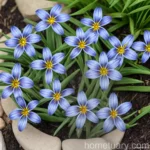
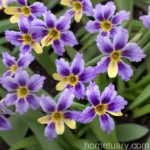
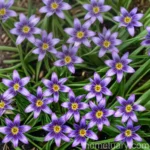
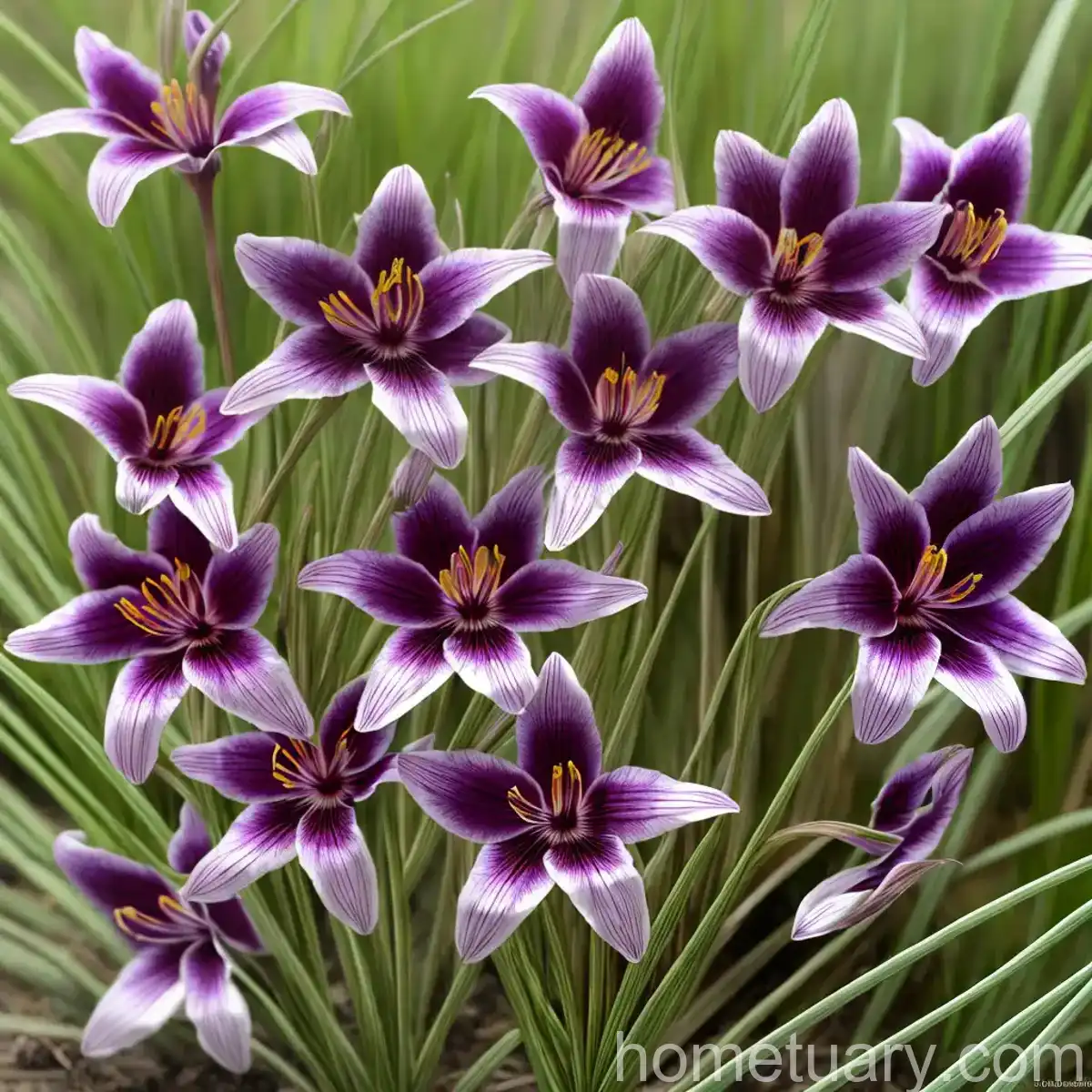
Olsynium douglasii is a flowering perennial plant native to western North America. It belongs to the family Iridaceae and is known for its stunning display of vibrant flowers. The plant is commonly referred to as Grass Widow due to its ability to thrive in grassy and open areas. Olsynium douglasii is valued for its delicate and colorful blooms, making it a popular choice for gardeners looking to add a touch of elegance to their landscapes.
Key Takeaways – Olsynium douglasii (Grass Widow)
Before delving into the detailed care guide for Olsynium douglasii, let’s take a look at the key takeaways for this captivating plant.
- Plant Name: Olsynium douglasii (Grass Widow)
- Family: Iridaceae
- Common Name: Grass Widow
- Native Habitat: Western North America
- Flower Color: Various shades of violet, blue, and pink
- Growth Habit: Perennial
- Sun Requirements: Full sun to partial shade
- Water Needs: Moderate
- Soil Preferences: Well-draining soil
- Hardiness Zones: 5-9
- Landscape Uses: Borders, rock gardens, and containers
Now that we have an overview of Olsynium douglasii, let’s explore the specific care requirements for this enchanting plant.
Culture
Cultivating Olsynium douglasii involves understanding its specific cultural needs, including its preferred growing conditions and maintenance practices.
Uses
Olsynium douglasii is valued for its ornamental and aesthetic appeal. The plant’s vibrant flowers make it a popular choice for landscaping and garden design. Additionally, Olsynium douglasii serves as a beautiful addition to rock gardens, borders, and container displays. Its versatile nature allows it to thrive in various garden settings, enhancing the overall visual appeal of the landscape.
Water
When it comes to watering Olsynium douglasii, it is essential to strike a balance to ensure optimal growth and blooming. The plant prefers moderate watering, allowing the soil to partially dry out between waterings. Overwatering should be avoided, as it can lead to root rot and other moisture-related issues. During periods of extreme heat or drought, supplemental watering may be necessary to support the plant’s vitality.
Sunlight
Olsynium douglasii thrives in full sun to partial shade. It performs best when provided with ample sunlight, which contributes to robust growth and prolific flowering. When grown in regions with intense sunlight, providing afternoon shade can help protect the plant from excessive heat stress. Understanding the sun requirements of Olsynium douglasii is crucial for establishing an optimal growing environment for this captivating species.
Fertilizer
Proper fertilization plays a vital role in promoting the health and vigor of Olsynium douglasii. While the plant is not excessively demanding in terms of fertilization, providing a balanced, low-nitrogen fertilizer during the growing season can support its overall growth and blooming capacity. It is essential to follow recommended application rates and avoid overfertilization, as excessive nutrients can lead to adverse effects on the plant’s development.
Soil
Olsynium douglasii thrives in well-draining soil with a slightly acidic to neutral pH. Amending the soil with organic matter, such as compost or well-rotted manure, can improve its drainage and fertility. Additionally, ensuring proper aeration and structure of the soil promotes healthy root development and overall plant growth. Understanding the soil preferences of Olsynium douglasii is essential for creating an optimal growing environment that supports its long-term vitality.
Pruning
Pruning Olsynium douglasii primarily involves the removal of spent flowers and any dead or damaged foliage. This practice not only maintains the plant’s aesthetic appeal but also encourages continued blooming. Regular deadheading, which entails the removal of faded flowers, can extend the flowering period and promote the production of new blooms. By incorporating proper pruning techniques, gardeners can enhance the overall appearance and health of Olsynium douglasii.
Propagation
The propagation of Olsynium douglasii can be achieved through several methods, including division and seed propagation. Dividing established clumps of the plant allows gardeners to create new specimens and expand the plant’s presence in the garden. Additionally, collecting and sowing seeds can be a rewarding way to propagate Olsynium douglasii, offering an opportunity to witness the complete lifecycle of the plant. Understanding the different propagation techniques enables gardeners to propagate Olsynium douglasii effectively.
Container Popularity
Olsynium douglasii is well-suited for container gardening, as its compact size and vibrant flowers make it an ideal choice for patio displays and small garden spaces. When selecting containers for Olsynium douglasii, it is essential to choose options with adequate drainage to prevent waterlogging. Container-grown Olsynium douglasii can add a splash of color and elegance to outdoor living areas, creating captivating focal points and accents within the garden.
Common Diseases
Despite its resilience, Olsynium douglasii is susceptible to certain diseases and pests that can impact its health and vigor.
Disease Diagnosis
Common diseases that may affect Olsynium douglasii include fungal infections such as powdery mildew and root rot. Powdery mildew appears as a white, powdery coating on the plant’s foliage, while root rot manifests as rotting and browning of the roots. Timely diagnosis and intervention are crucial for effectively managing and preventing the spread of diseases in Olsynium douglasii. By identifying the symptoms and implementing appropriate control measures, the impact of diseases can be mitigated.
Common Pests
Pests that can pose a threat to Olsynium douglasii include aphids, spider mites, and thrips. These pests can cause damage to the plant by feeding on its foliage and disrupting its overall physiological functions. Implementing proactive pest management strategies, such as regular monitoring and the use of insecticidal soaps, can help prevent pest infestations and minimize their impact on Olsynium douglasii. By addressing pest issues promptly, gardeners can safeguard the plant’s health and preserve its ornamental value.
Botanist’s Tips
As botanists, understanding the unique characteristics and requirements of Olsynium douglasii is essential for effectively caring for this remarkable plant.
- Soil Amendment Tips: Amending the soil with organic matter, such as compost or well-rotted manure, can enhance its fertility and structure, creating an optimal growing medium for Olsynium douglasii.
- Water Conservation: Incorporating water-saving practices, such as mulching and targeted watering, can support water conservation efforts while meeting the moisture needs of Olsynium douglasii.
- Companion Plants: Pairing Olsynium douglasii with compatible companion plants, such as low-growing perennials and ornamental grasses, can create visually appealing and harmonious garden compositions.
Fun Facts
Uncovering interesting and unique facts about Olsynium douglasii adds an extra layer of fascination to this captivating plant species.
- Olsynium douglasii is named after Scottish botanist David Douglas, who played a significant role in exploring and documenting North American plant species.
- The flowers of Olsynium douglasii exhibit a range of colors, including shades of violet, blue, and pink, adding a delightful visual dimension to garden landscapes.
- In its natural habitat, Olsynium douglasii thrives in grassy and open areas, adapting to diverse ecological niches and exhibiting remarkable resilience.
Links to External Resources
To further enrich your understanding of Olsynium douglasii and expand your knowledge of plant care, consider exploring the following external resources:
- The American Iris Society
- North American Rock Garden Society
- Royal Horticultural Society – Growing Bulbs
- Integrated Pest Management for Home Gardeners
- Plant Propagation Techniques
In conclusion, Olsynium douglasii, or Grass Widow, stands out as a captivating and resilient plant that adds color and charm to garden landscapes. By understanding its cultural needs, propagation techniques, and pest and disease management strategies, gardeners can cultivate and showcase the beauty of Olsynium douglasii to its fullest potential. Incorporating this comprehensive care guide into your gardening practices can elevate your experience of nurturing and enjoying this remarkable plant.
Now that you have gained valuable insights into the world of Olsynium douglasii, it’s time to embark on your own journey of cultivating and appreciating the allure of this enchanting plant.
Remember to stay curious, observant, and nurturing as you explore the fascinating realm of Olsynium douglasii and its botanical wonders. Happy gardening!
References
- American Iris Society. “The American Iris Society.” https://www.irises.org
- North American Rock Garden Society. “North American Rock Garden Society.” https://www.nargs.org
- Royal Horticultural Society. “Growing Bulbs.” https://www.rhs.org.uk/advice/profile?pid=373
- University of California Statewide Integrated Pest Management Program. “Integrated Pest Management for Home Gardeners.” https://www.ipm.ucanr.edu/HOME_GARDEN/
- University of Minnesota Extension. “Plant Propagation Techniques.” https://extension.umn.edu/planting-and-growing-guides/plant-propagation-techniques