Sisyrinchium angustifolium (Blue-Eyed Grass): A Comprehensive Guide
Sisyrinchium angustifolium, commonly known as blue-eyed grass, is a captivating and versatile perennial plant that has been cherished by gardeners and botanists alike for its striking blue flowers and ornamental value. While it is named “blue-eyed grass,” it is essential to note that this plant is not a grass at all, but rather a member of the iris family, Iridaceae. In this comprehensive guide, we will explore the various aspects of Sisyrinchium angustifolium, from its characteristics and cultivation to its uses and maintenance.
What is Sisyrinchium angustifolium?
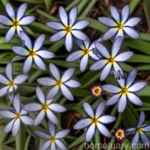
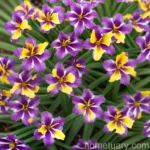
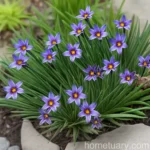
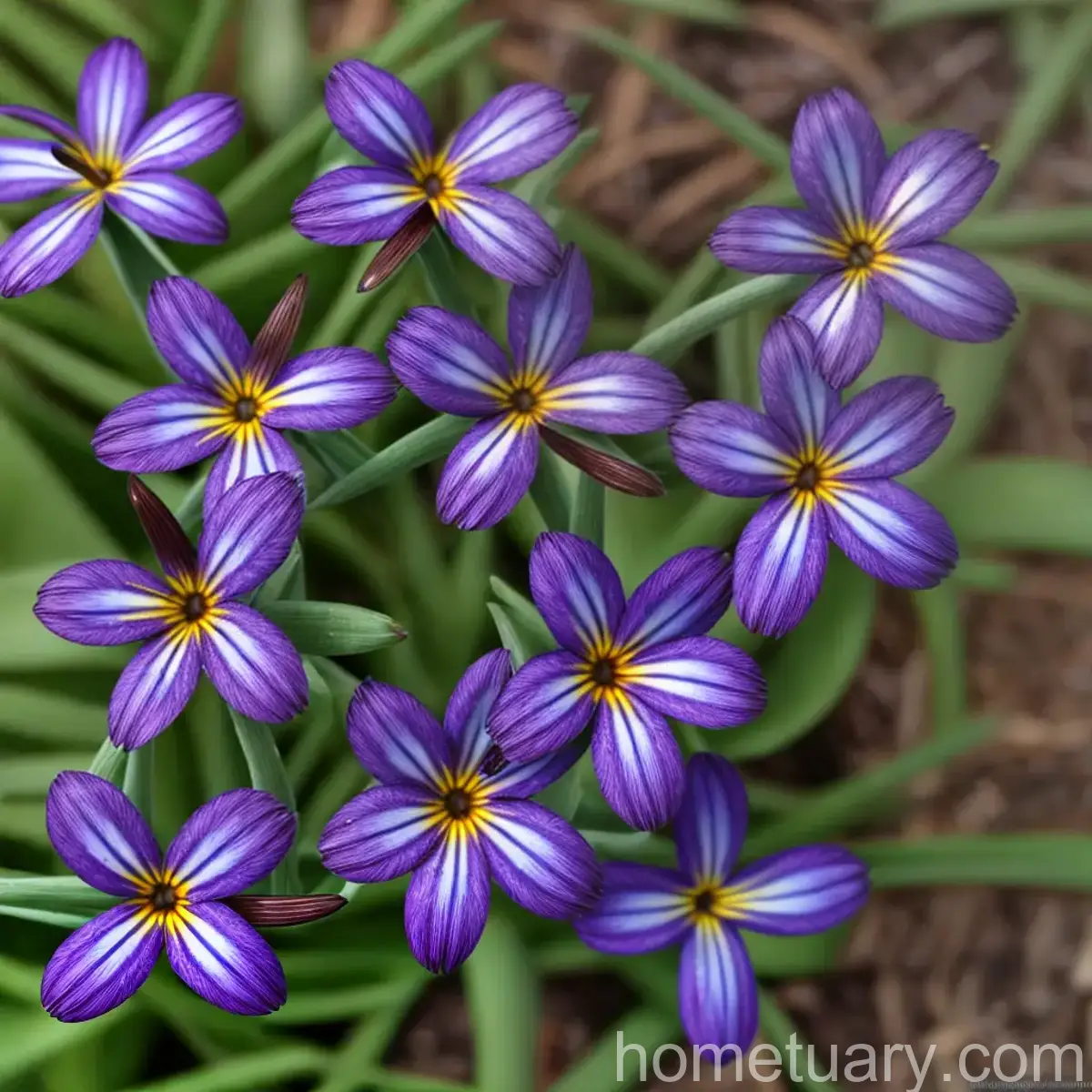
Sisyrinchium angustifolium, or blue-eyed grass, is a herbaceous perennial plant native to North America. It is known for its delicate, star-shaped blue flowers with striking yellow centers, resembling the appearance of an eye, hence the common name “blue-eyed grass.” This plant typically grows in clumps and features slender, grass-like foliage, adding a unique texture to garden landscapes. While it thrives in the wild, it has also become a popular choice for garden beds, borders, and containers, offering an attractive and low-maintenance ornamental option for gardeners.
Key Takeaways – Sisyrinchium angustifolium (Blue-Eyed Grass)
Key takeaways for Sisyrinchium angustifolium include its cultural significance, uses, water and sunlight requirements, fertilizer needs, soil preferences, pruning techniques, propagation methods, common diseases, pests, and interesting fun facts. In this guide, we will delve into each of these aspects to provide a comprehensive understanding of this captivating plant.
Culture
- Cultural Significance: Sisyrinchium angustifolium holds cultural significance as a native North American plant that has been admired for its beauty and ecosystem benefits. Its presence in natural habitats and gardens contributes to biodiversity and offers aesthetic appeal.
Uses
- Ornamental Value: Blue-eyed grass is primarily cultivated for its ornamental value. It is popularly used in perennial borders, rock gardens, and containers, adding a splash of vibrant color to the landscape.
Water
- Water Requirements: Sisyrinchium angustifolium thrives in well-drained soil and prefers regular watering, especially during dry periods. While it tolerates some drought, consistent moisture is beneficial for optimal growth and flowering.
Sunlight
- Sunlight Needs: This plant flourishes in full sun to partial shade, making it adaptable to various lighting conditions in garden settings.
Fertilizer
- Fertilization: While not excessively demanding, Sisyrinchium angustifolium benefits from a balanced, all-purpose fertilizer applied in early spring to support healthy growth and blooming.
Soil
- Soil Preferences: Blue-eyed grass thrives in moderately fertile, well-drained soil with a slightly acidic to neutral pH. Amending the soil with organic matter can further improve its growing environment.
Pruning
- Pruning Techniques: Minimal pruning is generally required for Sisyrinchium angustifolium. Removing spent flowers and trimming back the foliage in late fall can help maintain its neat appearance and encourage new growth.
Propagation
- Propagation Methods: This species can be propagated through division or by collecting and sowing its seeds. Dividing established clumps in early spring or autumn allows for the creation of new plants that can be transplanted or shared with other gardening enthusiasts.
Container Popularity
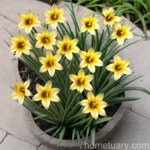
- Container Gardening: Blue-eyed grass is well-suited for container gardening, offering an attractive option for patio displays, balcony gardens, and other confined spaces. Its compact growth habit makes it an appealing choice for container cultivation.
Common Diseases
- Disease Susceptibility: While relatively resilient, Sisyrinchium angustifolium may be susceptible to fungal diseases such as leaf spots or root rots, particularly in overly wet conditions.
Disease Diagnosis
- Diagnosing Issues: Regular monitoring for signs of discoloration, wilting, or unusual spots on the foliage can help in early disease diagnosis and prompt intervention through appropriate measures, such as adjusting watering practices or applying fungicidal treatments if necessary.
Common Pests
- Pest Management: Blue-eyed grass is generally resistant to most pests. However, occasional pest issues may involve aphids or spider mites, which can be addressed through natural predators, insecticidal soaps, or horticultural oils.
Botanist’s Tips
- Expert Advice: Botanists recommend planting Sisyrinchium angustifolium in well-drained soil enriched with organic matter and providing consistent moisture for optimal growth and flowering. Additionally, ensuring adequate air circulation can contribute to the plant’s overall health.
Fun Facts
- Unique Traits: Despite its name, Sisyrinchium angustifolium is not a true grass but rather a member of the iris family. Additionally, its charming blue flowers, which resemble miniature irises, are a magnet for pollinators such as bees and butterflies, enhancing the ecological value of this plant.
Sisyrinchium angustifolium Information
Sisyrinchium angustifolium, also known as blue-eyed grass, belongs to the iris family, Iridaceae, and is regarded as a distinctive perennial plant native to North America. Its charming blue flowers and grass-like foliage make it a sought-after addition to gardens and natural landscapes, offering both aesthetic appeal and ecological benefits. In the following sections, we will delve into various aspects of blue-eyed grass, including its characteristics, growing conditions, care tips, maintenance, varieties, wildlife habitat, and much more.
Blue-Eyed Grass Facts
- Distinctive Features: The delicate blue flowers with yellow centers of Sisyrinchium angustifolium make it a standout in garden settings, while its slender, grass-like foliage adds an intriguing texture to the landscape.
Sisyrinchium angustifolium Characteristics
- Characteristics: Sisyrinchium angustifolium displays a clumping growth habit and typically reaches a height of 12 to 18 inches. Its flowers emerge in late spring or early summer, providing a delightful display of color and attracting pollinators.
Blue-Eyed Grass Care Tips
- Care Guidelines: Providing well-drained soil, adequate moisture, and suitable sunlight exposure are essential care tips for Sisyrinchium angustifolium. Additionally, regular deadheading and light pruning can help maintain its appearance.
Sisyrinchium angustifolium Growing Conditions
- Growing Preferences: Blue-eyed grass thrives in locations with full sun to partial shade and requires well-drained, moderately fertile soil to support its growth and blooming.
Blue-Eyed Grass Planting Guide
- Planting Recommendations: When planting Sisyrinchium angustifolium, ensure proper spacing to accommodate its clumping growth habit and consider incorporating organic matter into the soil to enhance its quality.
Sisyrinchium angustifolium Care Instructions
- Care Guidelines: To ensure the optimal development of blue-eyed grass, provide consistent moisture, avoid waterlogged conditions, and carry out light pruning as needed to maintain its appearance.
Blue-Eyed Grass Maintenance
- Maintenance Practices: Regular deadheading of spent flowers and removing any damaged or discolored foliage supports the overall maintenance of Sisyrinchium angustifolium, promoting its vigor and aesthetic appeal.
Sisyrinchium angustifolium Varieties
- Varietal Diversity: While Sisyrinchium angustifolium is the primary species, there are also cultivated varieties with variations in flower color and size, offering additional options for gardeners seeking specific ornamental traits.
Blue-Eyed Grass Species
- Species Diversity: The genus Sisyrinchium encompasses numerous species, each with its unique characteristics and geographical distribution, contributing to the biodiversity of the iris family.
Sisyrinchium angustifolium Cultivation
- Cultivation Practices: Cultivating Sisyrinchium angustifolium involves providing suitable growing conditions, regular care, and a favorable environment for its natural growth and development.
Blue-Eyed Grass Garden Ideas
- Garden Applications: Blue-eyed grass is often utilized in various garden settings, including perennial borders, naturalistic plantings, and mixed container arrangements, offering versatility and visual interest.
Sisyrinchium angustifolium Landscaping
- Landscaping Uses: Incorporating Sisyrinchium angustifolium into landscaping designs can introduce captivating color and texture while contributing to sustainable and environmentally conscious gardening practices.
Blue-Eyed Grass Perennial Plant
- Perennial Nature: As a perennial plant, Sisyrinchium angustifolium returns year after year, providing enduring beauty and contributing to the stability and resilience of garden landscapes.
Sisyrinchium angustifolium Flowering Season
- Flowering Period: Blue-eyed grass typically blooms in late spring to early summer, showcasing its charming blue flowers and enhancing the visual appeal of garden beds and borders.
Blue-Eyed Grass Wildlife Habitat
- Ecological Role: Sisyrinchium angustifolium serves as a valuable wildlife habitat, attracting pollinators such as bees and butterflies and contributing to the overall biodiversity of its surroundings.
Sisyrinchium angustifolium Pollinator Plant
- Pollinator Attraction: The nectar-rich flowers of Sisyrinchium angustifolium attract pollinators, supporting their foraging needs and contributing to the vital role of these species in ecosystem health.
Blue-Eyed Grass Invasive Species
- Invasive Potential: While Sisyrinchium angustifolium is not considered invasive, it is important to prevent its escape into natural habitats where it may outcompete native flora.
Sisyrinchium angustifolium Native Habitat
- Native Range: Blue-eyed grass is indigenous to various regions of North America, where it thrives in diverse ecosystems and contributes to the natural beauty of its native habitats.
Blue-Eyed Grass Water Requirements
- Water Needs: Maintaining adequate soil moisture, particularly during dry periods, is crucial for sustaining the health and vitality of Sisyrinchium angustifolium.
Sisyrinchium angustifolium Sunlight Needs
- Sunlight Preferences: This plant prefers full sun to partial shade, adapting to different light conditions and requirements in garden settings.
Blue-Eyed Grass Soil pH
- Soil Acidity: Sisyrinchium angustifolium favors slightly acidic to neutral soil pH, and amending the soil as needed can help create an optimal growing environment for this species.
Sisyrinchium angustifolium Drought-Tolerant
- Drought Resistance: While it exhibits some tolerance to drought, providing consistent moisture is beneficial for supporting healthy growth and prolific flowering.
Blue-Eyed Grass Companion Plants
- Companion Planting: Blue-eyed grass complements a variety of companion plants, including other perennials, annuals, and ornamental grasses, creating harmonious and visually appealing garden compositions.
Sisyrinchium angustifolium Medicinal Uses
- Medicinal Potential: Traditionally, Sisyrinchium angustifolium has been used for its purported medicinal properties, although it is essential to consult reliable sources for accurate information regarding its applications.
Blue-Eyed Grass Culinary Applications
- Culinary Context: While not commonly utilized for culinary purposes, some historical references mention the use of Sisyrinchium angustifolium for certain culinary applications, emphasizing the importance of accurate and informed knowledge in such contexts.
Sisyrinchium angustifolium Wildlife Benefits
- Wildlife Value: Blue-eyed grass serves as a valuable resource for wildlife, offering nectar to pollinators and contributing to the overall biodiversity and ecological balance of its habitat.
Blue-Eyed Grass Garden Design
- Garden Integration: Incorporating Sisyrinchium angustifolium into garden designs adds a touch of elegance and charm, contributing to the creation of visually appealing and ecologically conscious landscapes.
Sisyrinchium angustifolium Container Gardening
- Container Cultivation: Blue-eyed grass is well-suited for container gardening, providing an attractive and versatile option for individuals with limited gardening space or those seeking portable ornamental displays.
Blue-Eyed Grass Landscaping Ideas
- Landscape Applications: Utilizing Sisyrinchium angustifolium in landscaping designs presents numerous opportunities for enhancing outdoor spaces, including garden borders, naturalized areas, and rain gardens, among others.
Sisyrinchium angustifolium Pruning Techniques
- Pruning Practices: Adopting appropriate pruning techniques, such as deadheading spent flowers and removing any damaged or discolored foliage, supports the aesthetic and structural integrity of blue-eyed grass.
Blue-Eyed Grass Pest Control
- Pest Management: While generally resilient to most pests, occasional management strategies may be necessary to address potential issues involving aphids or spider mites, ensuring the plant’s continued health and vitality.
Sisyrinchium angustifolium Disease Prevention
- Disease Management: Implementing proactive measures, such as optimizing growing conditions and monitoring for signs of disease, helps prevent potential issues and supports the overall well-being of Sisyrinchium angustifolium.
Blue-Eyed Grass Propagation Methods
- Propagation Techniques: Blue-eyed grass can be propagated through division or from collected seeds, providing opportunities to expand its presence and share its ornamental value with other gardening enthusiasts.
Sisyrinchium angustifolium Indoor Cultivation
- Indoor Environments: While primarily cultivated in outdoor settings, blue-eyed grass may also thrive in suitable indoor environments with adequate light and care, offering an attractive option for indoor gardening enthusiasts.
Blue-Eyed Grass Outdoor Planting
- Outdoor Integration: When planted in outdoor environments, Sisyrinchium angustifolium adds natural beauty and ecological benefits, contributing to the overall appeal and sustainability of garden landscapes.
Sisyrinchium angustifolium Seasonal Care
- Seasonal Considerations: Adapting care practices to seasonal changes, such as adjusting watering and pruning routines, supports the plant’s resilience and ensures its continued well-being throughout the year.
Blue-Eyed Grass Winter Protection
- Winter Preparations: Providing adequate winter protection, especially in regions with cold temperatures, helps safeguard Sisyrinchium angustifolium and promotes its vigor and vitality in the following growing season.
Sisyrinchium angustifolium Rain Garden Plant
- Rain Garden Inclusion: Blue-eyed grass is well-suited for rain gardens, where its ability to tolerate fluctuating moisture levels and its ecological value make it a valuable addition to sustainable landscaping practices.
Blue-Eyed Grass Erosion Control
- Erosion Mitigation: Utilizing Sisyrinchium angustifolium in erosion-prone areas contributes to soil stabilization and erosion control, enhancing the environmental resilience of the landscape.
Sisyrinchium angustifolium Landscape Maintenance
- Landscape Care: Incorporating blue-eyed grass into landscape maintenance practices, such as regular monitoring and prudent care, supports its long-term vitality and ornamental value.
Blue-Eyed Grass Groundcover Options
- Groundcover Function: With its clumping growth habit and low maintenance requirements, Sisyrinchium angustifolium serves as an attractive groundcover option, adding visual interest and ecological benefits to garden landscapes.
Sisyrinchium angustifolium Flower Arrangement
- Ornamental Displays: The charming blue flowers of Sisyrinchium angustifolium are suitable for floral arrangements, providing a fresh and natural touch to bouquets and decorative displays.
Blue-Eyed Grass Cut Flowers
- Floral Applications: The cut flowers of Sisyrinchium angustifolium can be utilized in floral arrangements, offering a unique and captivating addition to various decorative and artistic expressions.
Sisyrinchium angustifolium Wildlife Habitat Restoration
- Ecological Restoration: Incorporating Sisyrinchium angustifolium into habitat restoration initiatives contributes to the conservation of native plant species, wildlife preservation, and ecological balance.
Blue-Eyed Grass Naturalization
- Naturalization Efforts: Blue-eyed grass can be utilized in naturalization projects, where its ability to thrive in natural habitats contributes to the overall sustainability and environmental stability of the area.
Sisyrinchium angustifolium Garden Border Plant
- Border Integration: Incorporating Sisyrinchium angustifolium into garden borders enriches the visual appeal and ecological value of the landscape, creating vibrant and harmonious transitions between different garden areas.
Blue-Eyed Grass Groundcover for Slopes
- Slope Application: Utilizing blue-eyed grass as a groundcover for slopes contributes to erosion control and stabilizes soil, adding functionality and aesthetic appeal to sloped landscapes.
Sisyrinchium angustifolium Xeriscaping
- Xeriscape Suitability: Blue-eyed grass is well-suited for xeriscaping, where its drought tolerance and ornamental value contribute to water-efficient and sustainable landscaping practices.
Blue-Eyed Grass Ornamental Grass Substitute
- Substitution Potential: As a non-grass plant with a grass-like appearance, Sisyrinchium angustifolium serves as a unique and captivating substitute for traditional ornamental grasses, adding diversity and visual interest to garden landscapes.
Links to External Resources
For additional information on Sisyrinchium angustifolium, please refer to the following external resources:
- North American Native Plant Society – Sisyrinchium angustifolium
- Missouri Botanical Garden – Sisyrinchium angustifolium
- Lady Bird Johnson Wildflower Center – Sisyrinchium angustifolium
- USDA Plants Database – Sisyrinchium angustifolium
- Royal Horticultural Society – Blue-Eyed Grass Care
In conclusion, Sisyrinchium angustifolium, or blue-eyed grass, is a captivating perennial plant that offers exceptional ornamental value, ecological benefits, and cultural significance. As we have explored in this comprehensive guide, understanding its characteristics, cultivation, uses, and maintenance considerations can enhance the appreciation and successful integration of this charming plant into diverse garden landscapes.
The blog post provides a comprehensive overview of