What is “Rubus fruticosus ‘Navaho’ (Blackberry)”?
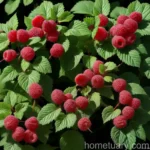
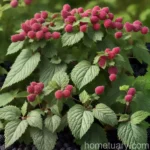
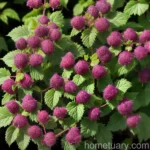
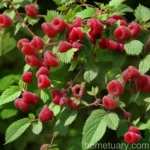
Rubus fruticosus ‘Navaho’, commonly known as the Navaho blackberry, is a popular and widely cultivated variety of blackberry plant. It is a member of the Rosaceae family and is valued for its delicious and nutritious fruits, as well as its ornamental qualities. This cultivar is known for its thornless canes, making it easier to manage and harvest. With proper care and attention, Navaho blackberries can thrive in various climates and provide an abundant harvest of flavorful berries.
Key Takeaways – Rubus fruticosus ‘Navaho’ (Blackberry)
Culture
- Scientific Name: Rubus fruticosus ‘Navaho’
- Common Names: Navaho blackberry, thornless blackberry
- Family: Rosaceae
- Type: Perennial shrub
Uses
- Edible fruits
- Ornamental purposes
- Health benefits
Water
- Regular watering during the growing season
- Adequate moisture for fruit development
Sunlight
- Full sun for optimal fruit production
- Tolerant of partial shade
Fertilizer
- Balanced fertilizer in early spring
- Additional applications based on soil nutrient levels
Soil
- Well-draining, loamy soil
- pH range of 5.5 to 7.0
Pruning
- Annual pruning to manage plant size and promote fruiting
- Spring or winter pruning for maintenance
Propagation
- Division of rhizomes
- Stem cuttings
Container Popularity
- Suitable for container gardening
- Compact growth habit
Common Diseases
- Anthracnose
- Botrytis fruit rot
- Powdery mildew
Disease Diagnosis
- Visual symptoms
- Laboratory testing for accurate diagnosis
Common Pests
- Aphids
- Spider mites
- Japanese beetles
Botanist’s Tips
- Proper support for trailing canes
- Regular monitoring for pests and diseases
Fun Facts
- The Navaho blackberry was developed by the University of Arkansas.
- The plant is thornless, making it more user-friendly for gardeners and harvesters.
Links to External Resources
- University of Arkansas Division of Agriculture – Navaho Blackberry
- USDA Plant Profile: Rubus fruticosus
Now, let’s delve into the details of cultivating and caring for the Rubus fruticosus ‘Navaho’ (Blackberry) to ensure a successful and bountiful harvest.
Cultivation and Care of Rubus fruticosus ‘Navaho’ (Blackberry)
The cultivation and care of Rubus fruticosus ‘Navaho’ involve several critical factors, including water, sunlight, fertilizer, soil, pruning, and propagation. In addition, understanding common diseases, pests, and botanist’s tips can contribute to the overall health and productivity of the plants. Let’s explore each of these aspects in detail.
Water
Proper watering is essential for the growth and development of Navaho blackberries. Adequate moisture ensures healthy fruit set and prevents issues such as berry shrink and poor fruit formation. Here are some key considerations for watering Navaho blackberries:
-
Regular Watering: During the growing season, it is important to provide regular and consistent watering, especially during dry periods. While blackberries are relatively drought-tolerant, consistent moisture is crucial for optimal fruit development.
-
Moisture for Fruit Development: Ensuring adequate moisture is particularly important during the flowering and fruiting stages. A consistent water supply during these critical periods can contribute to larger and juicier berries.
Sunlight
Navaho blackberries thrive in full sun conditions and benefit from exposure to at least 6-8 hours of sunlight per day. Adequate sunlight is essential for robust growth, flowering, and fruiting. Additionally, sunlight exposure directly influences the flavor and sweetness of the berries, making it a crucial factor in achieving high-quality fruit. While the plants can tolerate partial shade, full sun conditions are optimal for maximizing fruit production.
Fertilizer
Appropriate fertilization supports the vigorous growth and fruiting of Navaho blackberries. A balanced fertilizer application in early spring provides essential nutrients for plant development. Consider the following fertilizer practices for optimal blackberry cultivation:
-
Balanced Fertilizer: Prior to the growing season, apply a balanced fertilizer with an even ratio of nitrogen, phosphorus, and potassium. This helps promote healthy foliage growth, flowering, and fruit set.
-
Additional Applications: Assess the nutrient levels in the soil through periodic testing. Based on the results, additional fertilizer applications may be necessary to address specific deficiencies and support overall plant health.
Soil
The choice of soil and its properties significantly impact the growth and productivity of Navaho blackberries. Well-draining, loamy soil with a slightly acidic to neutral pH range provides an ideal environment for these plants. Consider the following soil characteristics for successful blackberry cultivation:
-
Well-Draining Soil: Ensure that the planting site has well-draining soil to prevent waterlogging, which can lead to root rot and other detrimental conditions.
-
pH Range: Aim for a soil pH range between 5.5 and 7.0, as blackberries thrive in slightly acidic to neutral conditions. Conduct a soil test to determine the pH level and make any necessary adjustments to optimize soil acidity.
Pruning
Proper pruning is essential for managing the size of the plants, promoting fruiting, and maintaining overall plant health. Annual pruning of Navaho blackberries helps remove non-productive canes, encourages new growth, and facilitates air circulation within the plant canopy. Consider the following pruning guidelines for Navaho blackberries:
-
Annual Maintenance: Schedule annual pruning during the dormant season, either in late winter or early spring, before new growth emerges. This timing allows for the removal of dead or weak canes and the promotion of vigorous new growth.
-
Fruit-Bearing Canes: Identify and retain the fruit-bearing canes, as they will produce the following season’s berries. Prune out older canes to make room for new, productive growth.
Propagation
Navaho blackberries can be propagated through division of rhizomes and stem cuttings. Propagation offers the opportunity to expand blackberry plantings and rejuvenate older patches. Here are the key methods of propagation for Navaho blackberries:
-
Division of Rhizomes: Separate and replant sections of the underground rhizomes to establish new plantings. This method allows for the rapid expansion of blackberry patches and the creation of new, productive plants.
-
Stem Cuttings: Take semi-hardwood stem cuttings from healthy, disease-free plants for propagation. Root the cuttings in a suitable growing medium to establish new, genetically identical plants.
Container Popularity
The compact growth habit and thornless nature of Navaho blackberries make them well-suited for container gardening. Cultivating blackberries in containers offers several advantages, including space flexibility, ease of maintenance, and the ability to control growing conditions. Container cultivation can be particularly beneficial for gardeners with limited garden space or those seeking to introduce blackberries to patio or balcony settings.
While Navaho blackberries can thrive in containers, several important considerations should be kept in mind to ensure their successful growth in this environment. Adequate container size, appropriate soil mix, and regular maintenance are essential factors for container cultivation.
Common Diseases
Navaho blackberries are susceptible to several common diseases that can impact plant health and fruit production. Recognizing and addressing these diseases promptly is crucial for maintaining the overall well-being of the plants. Here are some prevalent diseases that may affect Navaho blackberries:
-
Anthracnose (Elsinoe veneta): This fungal disease can lead to the development of dark, sunken lesions on the berries, affecting their quality and marketability. Anthracnose can also cause premature fruit drop and impact overall plant vigor.
-
Botrytis Fruit Rot (Botrytis cinerea): Also known as gray mold, this fungal disease can affect various parts of the plant, including the flowers and berries. It manifests as a gray, fuzzy growth on infected tissues and can lead to significant crop losses if left unmanaged.
-
Powdery Mildew (Podosphaera aphanis): Powdery mildew can affect the foliage of Navaho blackberries, leading to a powdery, white growth on the leaves. Severe infestations can impact photosynthesis and weaken the plants over time.
Disease Diagnosis
Timely and accurate diagnosis of diseases affecting Navaho blackberries is crucial for implementing effective management strategies. Visual symptoms and laboratory testing can aid in the identification of specific diseases and guide appropriate treatment measures. Understanding the signs and symptoms of common blackberry diseases is essential for proactive disease management. In cases of uncertainty, consulting with a plant pathologist or agricultural extension specialist can provide valuable insights and support accurate disease diagnosis.
Common Pests
Navaho blackberries may also face challenges from various pests that can diminish plant vitality and reduce fruit quality. Pests such as aphids, spider mites, and Japanese beetles can pose significant threats to blackberry plants. Implementing integrated pest management (IPM) practices and regular monitoring can help minimize pest damage and maintain plant health.
Botanist’s Tips
As a plant scientist, I recommend the following tips to enhance the cultivation and care of Navaho blackberries:
-
Proper Support: Provide adequate support for trailing canes, especially in trellised systems, to prevent the plants from sprawling on the ground and facilitate efficient management.
-
Monitoring for Pests and Diseases: Regularly monitor the plants for signs of pest infestations and disease symptoms. Early detection and intervention can significantly reduce the impact of pests and diseases on plant health.
Fun Facts
-
The development of the Navaho blackberry was a remarkable achievement by the University of Arkansas, resulting in a thornless variety that offers greater accessibility for growers and consumers.
-
The thornless nature of the Navaho blackberry not only simplifies maintenance and harvesting but also enhances safety for gardeners and farmworkers.
With a deeper understanding of the cultivation and care requirements for Rubus fruticosus ‘Navaho’ (Blackberry), it is possible to create thriving and productive blackberry plantings. Implementing appropriate cultural practices, disease management strategies, and pest control measures can contribute to the successful cultivation of Navaho blackberries and the enjoyment of their delicious fruits.
In addition to the key aspects of cultivation and care, it is important to explore the characteristics, benefits, and potential uses of Navaho blackberries in various settings, including home gardens, commercial orchards, and urban landscapes. Let’s further delve into the characteristics and benefits of Navaho blackberries, along with their culinary and health-related potential.
Characteristics and Benefits of Navaho Blackberries
The Navaho blackberry, a cultivar of Rubus fruticosus, possesses a unique set of characteristics that make it a desirable addition to home gardens and commercial fruit production. From its thornless canes to its disease resistance and exceptional fruit quality, the Navaho blackberry offers numerous benefits for growers and consumers alike. Understanding these characteristics and benefits can provide valuable insights into the potential uses and advantages of cultivating Navaho blackberries.
Characteristics
Navaho Thornless Blackberry
The defining feature of the Navaho blackberry is its thornless canes, which distinguish it from many other blackberry varieties. The absence of thorns simplifies maintenance tasks such as pruning, harvesting, and general plant care. Additionally, the thornless nature enhances the safety and accessibility of Navaho blackberries, making them well-suited for family-friendly gardens and u-pick operations.
Disease Resistance
Navaho blackberries exhibit strong resistance to certain diseases, including anthracnose and double blossom, enhancing their overall vigor and longevity. This resistance contributes to the plant’s ability to withstand common disease pressures and maintain consistent productivity over time.
Fruit Quality
The berries of the Navaho blackberry are known for their exceptional quality, characterized by a sweet and tangy flavor profile. The firm texture and rich color of the berries make them ideal for fresh consumption, baking, and processing into various culinary products. The superior fruit quality of Navaho blackberries positions them as a favored choice for discerning consumers and culinary enthusiasts.
Vigorous Growth
The Navaho blackberry exhibits vigorous growth and produces abundant yields under favorable growing conditions. The plant’s robust growth habit, coupled with its thornless canes, makes it a practical and rewarding addition to diverse garden settings, from backyard landscapes to commercial fruit orchards.
Benefits
Home Gardening
For home gardeners, the Navaho blackberry offers an attractive and low-maintenance option for incorporating fresh fruit into the landscape. Its thornless canes and disease resistance make it an inviting choice for those seeking to cultivate blackberries without the challenges traditionally associated with thorny varieties.
Commercial Production
In commercial fruit production, the Navaho blackberry’s exceptional fruit quality, disease resistance, and consistent yields contribute to its appeal for orchard managers and fruit producers. The potential for high-quality, marketable berries enhances the commercial viability of Navaho blackberries in diverse agricultural settings.
Culinary Applications
Navaho blackberries are prized for their culinary versatility, lending themselves to various culinary applications, including fresh consumption, baking, jams, jellies, and desserts. The exceptional flavor and texture of the berries make them an appealing ingredient for culinary enthusiasts and food artisans.
Health Benefits
Beyond their culinary uses, Navaho blackberries offer valuable health benefits as a rich source of essential vitamins, minerals, and antioxidants. The consumption of blackberries is associated with potential health advantages, including immune support, inflammation reduction, and cardiovascular health promotion.
Potential Uses of Navaho Blackberries
The diverse characteristics and benefits of Navaho blackberries impart a wide range of potential uses in different contexts, from culinary and nutritional applications to landscaping and community engagement. By exploring the potential uses of Navaho blackberries, it becomes evident that these versatile plants contribute to various aspects of human well-being and environmental stewardship.
Culinary and Nutritional Uses
Navaho blackberries are well-suited for culinary and nutritional uses due to their exceptional flavor, texture, and nutrient content, offering the following potential applications:
-
Fresh Consumption: The juicy and flavorful berries are enjoyable for fresh snacking and culinary use, adding sweetness and vibrancy to dishes and desserts.
-
Culinary Production: From pies and cobblers to jams and preserves, Navaho blackberries are an esteemed ingredient in a wide array of culinary creations, showcasing their rich flavor and versatility.
-
Nutritional Benefits: The nutritional density of blackberries makes them an excellent source of essential vitamins, minerals, and antioxidants that support overall health and well-being.
Landscaping and Ornamental Uses
Beyond their culinary and nutritional attributes, Navaho blackberries possess ornamental qualities that can enhance landscaping and outdoor environments, offering the following potential uses:
-
Ornamental Plantings: The lush foliage, seasonal blooms, and bountiful berries of the Navaho blackberry contribute to its role as an ornamental plant in residential and commercial landscapes.
-
Edible Landscaping: Incorporating Navaho blackberries into edible landscaping designs allows for the integration of functional, productive plants with aesthetic appeal, adding visual interest and practical benefits to outdoor spaces.
Community Engagement and Education
Navaho blackberries can serve as valuable assets for community engagement, education, and sustainable living initiatives, providing the following potential uses:
-
Community Gardens: Including Navaho blackberries in community garden projects fosters collaborative cultivation and provides access to fresh, locally grown fruit for participants and surrounding communities.
-
Educational Programs: Utilizing Navaho blackberries in educational programs and demonstration gardens offers opportunities for hands-on learning, horticultural exploration, and environmental stewardship.
Wildlife Habitat and Biodiversity Promotion
The cultivation of Navaho blackberries can contribute to wildlife habitat creation and biodiversity enhancement, supporting the following potential uses:
-
Wildlife Foraging: The berries of the Navaho blackberry attract a range of beneficial wildlife species, including birds and pollinators, contributing to local ecosystem health and diversity.
-
Biodiversity Support: Integrating Navaho blackberries into ecological restoration and habitat enhancement efforts promotes biodiversity and contributes to the vitality of native plant communities.
Conclusion
In conclusion, Rubus fruticosus ‘Navaho’ (Blackberry) represents a valuable and multifaceted plant species with diverse attributes and potential applications. From its cultivation and care requirements to its culinary, nutritional, and ecological uses, the Navaho blackberry offers numerous benefits for growers, consumers, and the environment. By understanding and appreciating the characteristics, benefits, and potential uses of Navaho blackberries, individuals and communities can harness the full potential of this exceptional fruit-bearing plant and its contributions to sustainable living, culinary creativity, and environmental stewardship.
As a plant scientist, I encourage enthusiasts, gardeners, and agricultural professionals to explore the cultivation, uses, and benefits of Navaho blackberries, recognizing the wealth of opportunities they offer for enhancing landscapes, promoting health, and fostering ecological resilience. By embracing the potential of the Navaho blackberry, we advance the cultivation of flavorful fruit, the stewardship of natural resources, and the celebration of diverse plant species in our lives and communities.
References:
1. University of Arkansas Division of Agriculture – Navaho Blackberry. Retrieved from https://fruit-crops.com/blackberries/
2. USDA Plant Profile: Rubus fruticosus. Retrieved from https://plants.usda.gov/core/profile?symbol=RUFR5