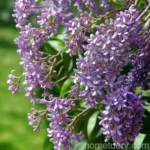
Persian Lilac (Syringa x persica): A Definitive Plant Guide
As a plant scientist, I am often captivated by the diversity and beauty of plant life. One such plant that has always fascinated me is the Persian lilac (Syringa x persica). With its delicate flowers and captivating fragrance, the Persian lilac has carved a special place in gardens and landscapes around the world. In this comprehensive guide, we will delve into the intricate details of this enchanting shrub, covering everything from its cultural significance to its care and maintenance.
What is Persian Lilac (Syringa x persica)?
The Persian lilac, scientifically known as Syringa x persica, is a deciduous shrub that belongs to the Oleaceae family. This stunning shrub is a hybrid between Syringa laciniata and Syringa afghanica, both native to the Middle East. It boasts an elegant and compact growth habit, making it a popular choice for gardens and landscapes.
Key Takeaways – Persian Lilac (Syringa x persica)
Before we delve into the intricacies of understanding and caring for Persian lilac, here are some key takeaways about this charming plant:
- Scientific Name: Syringa x persica
- Family: Oleaceae
- Native Habitat: Middle East
- Growth Habit: Deciduous shrub
- Flowering: Springtime
- Fragrance: Sweet, delicate scent
Culture
Understanding the cultural preferences of the Persian lilac is crucial for ensuring its optimal growth and development. From soil requirements to pruning techniques, let’s explore the cultural aspects of caring for this beautiful shrub.
Uses
The Persian lilac holds significant cultural and horticultural value, offering a myriad of uses.
1. Ornamental Use
The most common use of Persian lilac is for ornamental purposes. Its lush green foliage and fragrant blossoms make it a charming addition to any garden or landscape.
2. Medicinal Properties
In traditional medicine, parts of the Persian lilac have been used for their medicinal properties. From treating skin ailments to promoting relaxation, this plant has a rich history of traditional uses.
3. Fragrance Production
The delicate and sweet fragrance of Persian lilac flowers has made it a popular choice for perfumery and aromatic products.
Water
Proper watering is crucial for the health and vitality of the Persian lilac. Understanding the water requirements of this shrub is essential for its overall well-being.
– Watering Tips for Persian Lilac
- Established Plants: Once established, Persian lilacs are relatively drought-tolerant. However, regular watering, especially during dry spells, is recommended to promote healthy growth and prolific flowering.
- Young Plants: Newly planted Persian lilacs require regular watering to help them establish strong root systems. Be mindful of overwatering, as it can lead to waterlogged conditions.
Sunlight
Sunlight plays a pivotal role in the growth and blooming of Persian lilacs. Understanding its sunlight preferences is essential for ensuring a bountiful display of flowers.
– Sunlight Requirements
- Full Sun: Persian lilacs thrive in full sunlight, requiring at least 6-8 hours of direct sunlight daily to promote robust growth and abundant flowering.
- Light Shade: While they prefer full sun, Persian lilacs can tolerate light shade, especially in regions with intense summer heat.
Fertilizer
Providing the right nutrients at the right time is essential for the health of Persian lilac shrubs. Proper fertilization promotes vigorous growth and encourages the development of abundant flowers.
– Fertilization Tips
- Timing: Apply a balanced fertilizer in early spring, just before the new growth begins. Avoid fertilizing in late summer or fall, as this can stimulate tender growth that may be damaged by winter frost.
- Application: Use a slow-release, balanced fertilizer with an NPK ratio of 10-10-10 or similar. Apply according to the manufacturer’s guidelines, and water the shrub thoroughly after application.
Soil
The soil composition and quality play a critical role in the overall health and vigor of Persian lilac shrubs. Understanding the soil preferences of this plant is essential for successful cultivation.
– Ideal Soil Conditions
- Well-Drained: Persian lilacs thrive in well-drained soil, as they are susceptible to root rot in waterlogged conditions.
- pH Level: They prefer slightly alkaline to neutral soil with a pH range of 6.5 to 7.5. Amending overly acidic soil with lime can help create a more favorable growing environment.
Pruning
Pruning is an essential component of Persian lilac care, as it helps maintain the shrub’s shape, encourages flowering, and removes dead or diseased wood.
– Pruning Guidelines
- Timing: Prune Persian lilacs immediately after they finish flowering, typically in late spring or early summer. This allows time for new growth to develop and flower buds to form for the following year.
- Technique: Remove spent flower clusters by cutting just above a set of leaves or an outward-facing bud. Thin out crowded branches to improve air circulation and reduce the risk of disease.
Propagation
Propagating Persian lilac allows for the expansion of its presence in gardens and landscapes. Understanding the propagation methods is essential for growing new plants.
– Propagation Techniques
- Softwood Cuttings: Take softwood cuttings in early summer and root them in a well-draining propagation medium. Provide bottom heat to encourage rooting.
- Division: Divide mature Persian lilac plants in early spring before new growth emerges. Replant the divisions in prepared soil and water thoroughly.
Container Popularity
While Persian lilacs are commonly planted in garden beds, they also make stunning additions to container gardens.
– Container Gardening Tips
- Container Selection: Choose a large, sturdy container that allows for ample root growth. Ensure that the container has drainage holes to prevent waterlogging.
- Soil Mix: Use a well-draining potting mix formulated for shrubs and trees. Consider adding perlite or coarse sand to improve drainage.
Common Diseases
Persian lilacs, like many plants, are susceptible to certain diseases that can impact their health and appearance.
– Disease Prevention and Management
- Powdery Mildew: Provide adequate air circulation and avoid overhead watering to minimize the risk of powdery mildew. Fungicidal sprays may be necessary for severe infestations.
- Bacterial Blight: Prune out and destroy infected branches, and disinfect pruning tools between cuts to prevent the spread of bacterial blight.
Disease Diagnosis
Diagnosing and identifying potential diseases in Persian lilacs is essential for implementing timely and effective treatment.
– Recognizing Disease Symptoms
- Leaf Spots: Keep an eye out for irregular spots or lesions on the leaves, which may indicate fungal or bacterial diseases.
- Wilting and Dieback: Sudden wilting or dieback of branches could signal the presence of vascular diseases.
Common Pests
Various pests can pose a threat to the health and vitality of Persian lilac shrubs, requiring proactive management strategies.
– Pest Control Measures
- Aphids: Use a strong jet of water to dislodge aphids from the plant. Consider introducing natural predators such as ladybugs to keep their populations in check.
- Lilac Borers: Monitor the base of the shrub for signs of borer activity, as indicated by sawdust-like frass and entry holes. Prune out and destroy affected wood.
Botanist’s Tips
Here are some additional tips for successfully growing and enjoying Persian lilacs:
- Mulching: Apply a layer of organic mulch around the base of the shrub to conserve moisture, suppress weeds, and insulate the roots from temperature extremes.
- Deadheading: Regularly remove spent flower clusters to promote continuous blooming and prevent the formation of seeds, which can divert the plant’s energy from flower production.
Fun Facts
- Despite its name, Persian lilac is not native to Persia (modern-day Iran) but is a hybrid species developed from parent plants native to the Middle East.
- The sweet fragrance of Persian lilac flowers has made them a popular choice for perfumes and scented products for centuries.
- In folklore, the lilac is often associated with the arrival of spring and is said to symbolize renewal and the promise of new beginnings.
As we navigate through the intricate details of growing and caring for the enchanting Persian lilac, it becomes apparent that this shrub holds immense cultural significance and horticultural value. From its delicate flowers to its rich history of traditional uses, the Persian lilac continues to captivate and inspire.
Links to External Resources
For further information and insights into Persian lilac care and cultivation, consider exploring the following resources:
- The Spruce – Growing Persian Lilac
- Royal Horticultural Society – Syringa x persica
- University of Vermont Extension – Lilacs
From practical gardening advice to historical and cultural insights, these resources offer a wealth of knowledge and inspiration for anyone seeking to delve deeper into the world of Persian lilacs.
In conclusion, the Persian lilac stands as a testament to the enduring allure of plants and the valuable role they play in our lives. Whether gracing gardens with its stunning blooms or scenting the air with its sweet fragrance, this captivating shrub continues to leave an indelible mark on the horticultural world. As we cultivate and cherish Persian lilacs, we also celebrate the profound connections between plants, culture, and human creativity.
Keywords: Persian lilac plant care, Growing Persian lilac, Syringa x persica plant guide, Persian lilac shrub, Syringa x persica species, Persian lilac landscaping, Tips for planting Persian lilac, Persian lilac pruning, How to propagate Persian lilac, Persian lilac varieties, Persian lilac disease prevention, Syringa x persica pests, Persian lilac flower colors, Persian lilac blooming season, Best soil for Persian lilac, Persian lilac sunlight requirements, Persian lilac growth rate, Watering Persian lilac, Persian lilac leaf problems, Syringa x persica fragrance, Persian lilac medicinal uses, Persian lilac symbolism, Persian lilac in traditional medicine, Persian lilac essential oil, Persian lilac natural remedies, Persian lilac in landscaping designs, Persian lilac for attracting pollinators, Persian lilac as a cut flower, Persian lilac companion plants, Persian lilac garden ideas, Persian lilac decorative uses, Persian lilac in different climates, Persian lilac as a privacy hedge, Persian lilac as a windbreak, Persian lilac wildlife habitat, Persian lilac historical significance, Persian lilac folklore, Persian lilac cultural references, Persian lilac myths and legends, Persian lilac in Persian literature, Persian lilac in art and paintings, Persian lilac in poetry, Persian lilac as a gift plant, Persian lilac container gardening, Persian lilac landscape focal point, Persian lilac in traditional ceremonies, Persian lilac in cottage gardens, Persian lilac climate tolerance, Persian lilac for urban gardens, Persian lilac garden design inspiration