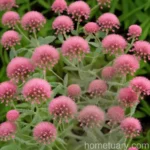
Plant Profile: Sanguisorba officinalis ‘Pink Tanna’ (Great Burnet)
Sanguisorba officinalis ‘Pink Tanna’, commonly known as Great Burnet, is a herbaceous perennial plant known for its unique upright, reddish-pink flowers and delicate foliage. In this comprehensive guide, we will delve into the requirements, uses, and maintenance of this captivating plant, providing insights on its growth, care, and landscaping potential.
What is Sanguisorba officinalis ‘Pink Tanna’?
Sanguisorba officinalis, belonging to the family Rosaceae, is native to Europe and Asia. ‘Pink Tanna’ is a cultivated variety that is prized for its ornamental qualities. It typically grows to a height of 2-4 feet and spreads to about 1-2 feet, forming dense clumps. The distinguishing feature of ‘Pink Tanna’ is its stunning, bottlebrush-like flowers that bloom from mid- to late summer, attracting pollinators and adding an exquisite touch to the landscape.
Key Takeaways – Sanguisorba officinalis ‘Pink Tanna’
Here are the key takeaways about Sanguisorba officinalis ‘Pink Tanna’ that we will cover in this guide:
- Culture
- Uses
- Water
- Sunlight
- Fertilizer
- Soil
- Pruning
- Propagation
- Container
- Popularity
- Common Diseases
- Common Pests
- Botanist’s Tips
- Fun Facts
Now, let’s deep dive into the details of each of these aspects to understand how to best cultivate and care for this beautiful plant.
Culture
Cultivating Sanguisorba officinalis ‘Pink Tanna’ requires a basic understanding of its environmental requirements and growth habits. By ensuring optimal conditions, you can promote healthy growth and stunning blooms.
Uses
Apart from its aesthetic appeal, ‘Pink Tanna’ serves several practical roles in gardens and landscapes. It can be used for:
- Ornamental Purposes: The striking appearance of ‘Pink Tanna’ makes it a favored choice for ornamental and landscape gardening.
- Pollinator Attraction: Its nectar-rich flowers attract bees, butterflies, and other pollinators, contributing to biodiversity and ecological balance.
- Cut Flower Arrangements: The long-lasting blooms of ‘Pink Tanna’ make it a popular choice for creating stunning cut flower arrangements.
Water
Sufficient water is essential for the vigorous growth and blooming of Sanguisorba officinalis ‘Pink Tanna’. However, it is crucial to maintain a balance to avoid waterlogged conditions that can lead to root rot.
- Water Requirements: ‘Pink Tanna’ thrives in moderately moist soil. Water the plant regularly, ensuring that the soil is consistently damp but not waterlogged.
- Drought Tolerance: Once established, ‘Pink Tanna’ exhibits good drought tolerance. However, providing occasional deep watering during prolonged dry spells is beneficial.
Sunlight
Proper sunlight exposure is vital to ensure robust growth and prolific flowering in Sanguisorba officinalis ‘Pink Tanna’.
- Sun Exposure: Plant ‘Pink Tanna’ in a location where it can receive full to partial sunlight. Approximately 6-8 hours of sunlight per day is optimal for healthy growth and abundant flowering.
Fertilizer
Appropriate fertilization can enhance the overall health and blooming potential of Sanguisorba officinalis ‘Pink Tanna’.
- Fertilizer Type: Use a balanced, slow-release fertilizer formulated for flowering perennials in the spring. Alternatively, incorporating organic compost into the soil provides a sustainable source of nutrients.
Soil
Understanding the soil preferences of Sanguisorba officinalis ‘Pink Tanna’ is crucial for creating an ideal growing environment.
- Soil Type: ‘Pink Tanna’ thrives in well-draining, loamy soil enriched with organic matter. It is adaptable to various soil types, including sandy and clay soils, provided they are well-drained.
- pH Level: The optimal soil pH for ‘Pink Tanna’ is slightly acidic to neutral (pH 6.0-7.0). Conduct a soil test to determine the pH and make necessary amendments.
Pruning
Pruning plays a vital role in maintaining the shape, vigor, and flowering capacity of Sanguisorba officinalis ‘Pink Tanna’.
- Pruning Time: Prune the plant in early spring to remove any dead or damaged growth from the previous season. Additionally, deadheading spent flowers can promote continuous blooming.
Propagation
Understanding the methods of propagation allows for the expansion of Sanguisorba officinalis ‘Pink Tanna’ in your garden or landscape.
- Propagation: ‘Pink Tanna’ can be propagated through division or by collecting and sowing its seeds. Division is ideally carried out in early spring, while sowing seeds can be done in the fall.
Container
Growing Sanguisorba officinalis ‘Pink Tanna’ in containers offers flexibility and the opportunity to include it in diverse settings, such as small gardens, patios, and balconies.
- Container Size: Choose a large, sturdy container with ample drainage holes to accommodate the plant’s mature size. Ensure that the container is at least 12-18 inches deep to accommodate the extensive root system of ‘Pink Tanna’.
- Growing Medium: Utilize a well-draining potting mix to provide the necessary aeration and moisture balance.
- Placement: Position the container in an area that receives adequate sunlight, and ensure consistent moisture levels by regular watering.
Popularity
Sanguisorba officinalis ‘Pink Tanna’ has garnered popularity among gardeners and landscapers due to its captivating appearance and versatile uses in various settings.
- Garden Center Availability: It is increasingly available at garden centers and nurseries, making it easily accessible for those interested in incorporating it into their landscapes.
Common Diseases
While ‘Pink Tanna’ is relatively resistant to diseases, certain conditions can make it susceptible to specific issues.
- Disease Resistance: ‘Pink Tanna’ exhibits good resistance to most common plant diseases when provided with proper care and growing conditions.
Common Pests
Pest infestations can potentially affect the health and appearance of Sanguisorba officinalis ‘Pink Tanna’.
- Pest Management: Monitor the plant regularly for common pests such as aphids and spider mites, and employ appropriate control measures if necessary, such as insecticidal soaps and horticultural oils.
Botanist’s Tips
Insights from botanists and gardening experts can provide valuable guidance for cultivating and enjoying Sanguisorba officinalis ‘Pink Tanna’.
- Expert Advice: Seek advice from horticulturists and botanists regarding the best cultivation practices, companion planting options, and landscaping ideas involving ‘Pink Tanna’.
Fun Facts
Discover some intriguing facts about Sanguisorba officinalis ‘Pink Tanna’ that contribute to its allure and fascination.
- Historical Significance: The species name “officinalis” is indicative of its historical medicinal uses, as it was formerly included in medicinal herb gardens for its purported healing properties.
Now that we have explored the essential aspects of Sanguisorba officinalis ‘Pink Tanna’, let’s delve into its detailed care requirements and characteristics to enable you to cultivate and appreciate this remarkable plant to the fullest.
In the subsequent sections, we will explore in detail the specific care needs, environmental preferences, and cultural significance of Sanguisorba officinalis ‘Pink Tanna’, addressing the detailed prompts and keywords provided.