Sanguisorba minor (Salad Burnet): A Complete Guide
Sanguisorba minor, commonly known as Salad Burnet, is a versatile herb that has been cultivated for centuries for its culinary and medicinal uses. In this comprehensive guide, we will delve into the various aspects of this unique plant, including its cultural requirements, uses, benefits, and much more. Whether you are an avid gardener, a culinary enthusiast, or a plant lover, this article will provide you with all the information you need to cultivate and appreciate Sanguisorba minor in all its glory.
What is Sanguisorba minor (Salad Burnet)?
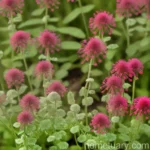
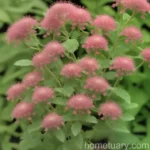
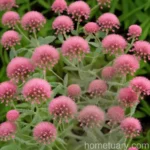
Sanguisorba minor is a perennial herbaceous plant that belongs to the Rosaceae family. It is native to Europe and Western Asia and is known for its delicate, fern-like foliage and unique, cucumber-like flavor. The plant typically grows to a height of 12-18 inches and produces small, red-tinged flowers that add a touch of elegance to any garden or landscape.
Key Takeaways – Sanguisorba minor (Salad Burnet)
Before we delve deeper into the various aspects of Salad Burnet, let’s take a quick look at the key takeaways that we will explore in this guide:
- Culture
- Uses
- Water
- Sunlight
- Fertilizer
- Soil
- Pruning
- Propagation
- Container
- Common Diseases
- Common Pests
- Botanist’s Tips
- Fun Facts
- Links to External Resources
Now, let’s explore each of these aspects in detail.
Culture
Cultivating Salad Burnet is a rewarding experience, and understanding its cultural requirements is key to ensuring its optimal growth and development. From choosing the right location to providing the necessary care, here’s what you need to know about the culture of Sanguisorba minor.
- Uses
Sanguisorba minor holds significant value due to its diverse uses. While it is primarily cultivated for its culinary applications, it also boasts medicinal properties that have been recognized for centuries. Let’s explore the various uses of Salad Burnet.
1.1 Culinary Uses
Salad Burnet is a popular herb in culinary circles, prized for its refreshing, cucumber-like flavor. The young leaves of the plant are often used to impart a subtle, fresh taste to salads, cold soups, beverages, and vinegar. Moreover, the delicate, red-tinged flowers of the plant serve as an attractive and edible garnish for a wide range of dishes.
1.2 Medicinal Uses
In addition to its culinary applications, Sanguisorba minor has a long history of use in traditional medicine. The herb is believed to possess astringent, diuretic, and anti-inflammatory properties, making it valuable in herbal remedies for various ailments. It has been used to treat digestive issues, urinary problems, and skin conditions, among other health concerns.
- Water
Proper watering is crucial for the health and vitality of Sanguisorba minor. While the plant exhibits a good level of drought tolerance once established, it still requires regular watering, especially during dry periods. Here are some key points to consider regarding the water requirements of Salad Burnet:
- Young Plants: Newly planted Salad Burnet should be watered regularly to facilitate root establishment. Ensure that the soil is consistently moist but not waterlogged.
-
Established Plants: Once the plant is established, it is important to water it deeply but infrequently. Allow the soil to dry out slightly between watering sessions to avoid waterlogging and root rot.
-
Sunlight
Sanguisorba minor thrives in locations with ample sunlight, although it can also tolerate partial shade. When choosing a spot to grow Salad Burnet, consider the following sunlight requirements:
- Full Sun: The plant will perform best when grown in full sun, receiving at least 6-8 hours of direct sunlight each day.
-
Partial Shade: If full sun exposure is not feasible, Salad Burnet can tolerate partial shade, especially in regions with intense summer heat.
-
Fertilizer
While Salad Burnet is not particularly demanding when it comes to fertilizer, providing a nutrient boost can promote healthier growth and enhance its flavor. Here are some tips for fertilizing Sanguisorba minor:
- Organic Matter: Incorporate well-rotted organic matter, such as compost or aged manure, into the soil before planting to enrich it with essential nutrients.
-
Minimal Fertilization: Once established, Salad Burnet typically does not require frequent fertilization. However, applying a balanced, organic fertilizer in spring can support its overall growth and vigor.
-
Soil
The right soil conditions are essential for the successful cultivation of Sanguisorba minor. Understanding the soil preferences of Salad Burnet is crucial for providing an optimal growing environment. Here’s what you need to know about the soil requirements for Salad Burnet:
- Well-Drained Soil: Salad Burnet thrives in well-drained soil with good aeration. Avoid waterlogged or compacted soil, as it can lead to root rot and other issues.
-
pH Level: The plant prefers slightly alkaline to neutral soil, with a pH range of 6.5-7.5 being ideal. Conduct a soil test to determine the pH of the planting area and make amendments as needed to achieve the desired pH level.
-
Pruning
Regular pruning helps maintain the shape and vitality of Sanguisorba minor while also promoting continuous growth and the production of fresh foliage. Here are some pruning tips for Salad Burnet:
- Deadheading: Remove spent flowers regularly to encourage the plant to produce new blooms. Deadheading also prevents the plant from self-seeding excessively.
-
Trimming: Trim back the plant in late spring to promote bushier growth and a more compact form. Use clean, sharp pruners to avoid damaging the stems.
-
Propagation
Propagating Salad Burnet allows you to expand your plant collection and share the beauty and benefits of Sanguisorba minor with others. Here are the common methods of propagating Salad Burnet:
- Divisions: Divide mature plants in early spring or fall to create new specimens. Ensure that each division has a good root system and ample foliage to support its growth.
-
Seeds: Sow seeds directly in the garden in early spring or late summer. Keep the soil consistently moist until the seeds germinate, and provide adequate care for the young seedlings.
-
Container
Sanguisorba minor can be grown in containers, making it a versatile option for gardens, patios, and balconies with limited space. When growing Salad Burnet in containers, consider the following tips:
- Pot Size: Choose a container that provides ample room for the plant’s roots to spread. A pot with a diameter of at least 12 inches is recommended for accommodating the root system of Salad Burnet.
-
Drainage: Ensure that the container has adequate drainage holes to prevent waterlogging. Use a well-draining potting mix to promote healthy root development.
-
Common Diseases
Like all plants, Sanguisorba minor is susceptible to certain diseases and conditions that can affect its health. Understanding the common diseases that may affect Salad Burnet is essential for implementing preventive measures and timely treatment. Here are some common diseases that can impact the health of Salad Burnet:
-
Powdery Mildew: This fungal disease can cause a powdery, white coating on the foliage of the plant, leading to stunted growth and reduced vigor. Ensure good air circulation and avoid overhead watering to minimize the risk of powdery mildew.
-
Common Pests
Several pests may target Sanguisorba minor, potentially causing damage to its foliage, flowers, or overall health. Implementing pest control measures and monitoring the plant regularly can help prevent pest infestations. Here are some common pests that may affect Salad Burnet:
-
Aphids: These small, sap-sucking insects can congregate on the new growth of Salad Burnet, causing distortion of the leaves and the potential spread of viral diseases. Use insecticidal soap or neem oil to control aphid infestations.
-
Botanist’s Tips
Harness the wisdom of experienced botanists and plant enthusiasts to enhance your understanding of Sanguisorba minor and cultivate it successfully. Here are some valuable tips from botanists for growing Salad Burnet:
-
Companion Planting: Consider companion planting Sanguisorba minor with other herbs, such as thyme, chives, and parsley, to create a harmonious and mutually beneficial planting scheme in your garden.
-
Fun Facts
Discover fascinating and little-known facts about Sanguisorba minor that showcase its unique characteristics and contributions to the natural world. Here are some fun facts about Salad Burnet:
- Historical Significance: Salad Burnet has been cultivated since ancient times and has been featured in traditional European gardens for its culinary and ornamental value.
Now that we have explored the cultural requirements, uses, and interesting facts about Salad Burnet, let’s dive deeper into some of the aspects mentioned above to provide a more comprehensive understanding of this versatile herb.
To be continued…