Sanguisorba obtusa (Japanese Burnet): A Complete Guide to Cultivation and Care
Sanguisorba obtusa, commonly known as Japanese Burnet, is a stunning perennial plant that is native to East Asia, particularly Japan. This unique plant is renowned for its striking flower spikes and attractive foliage, making it a valuable addition to gardens and landscapes. In this comprehensive guide, we will delve into the various aspects of cultivating and caring for Sanguisorba obtusa, including its identification, cultural requirements, uses, diseases, pests, and propagation methods. Whether you are a novice gardener or a seasoned horticultural enthusiast, this guide will equip you with the knowledge to successfully grow and maintain this beautiful plant.
What is Sanguisorba obtusa (Japanese Burnet)?
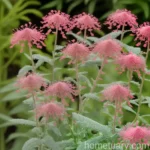
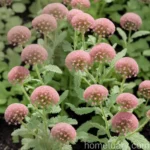
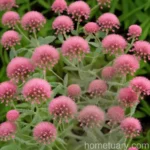
Sanguisorba obtusa, a member of the Rosaceae family, is an herbaceous perennial that typically reaches a height of 2 to 3 feet (60 to 90 cm). It is characterized by its upright, clump-forming growth habit and pinnate, toothed leaves that lend an airy texture to the plant. One of its most remarkable features is the unique, bottlebrush-like flowers that emerge in late spring to early summer, adding a distinctive visual appeal to garden landscapes.
Key Takeaways – Sanguisorba obtusa (Japanese Burnet)
Before diving into the specifics of caring for Sanguisorba obtusa, it is essential to understand its fundamental cultural requirements and characteristics. Here are the key takeaways to consider when cultivating Japanese Burnet:
- Plant Name: Sanguisorba obtusa (Japanese Burnet)
- Family: Rosaceae
- Height: 2 to 3 feet (60 to 90 cm)
- Flowering Period: Late spring to early summer
- Growth Habit: Upright and clump-forming
- Distinctive Feature: Bottlebrush-like flowers
- Origin: East Asia, particularly Japan
With these essential details in mind, let’s explore the specific aspects of caring for Sanguisorba obtusa in greater detail.
Culture
Cultivating Sanguisorba obtusa successfully requires an understanding of its cultural preferences, including its requirements for water, sunlight, soil, and fertilizer.
Water
Japanese Burnet thrives in moist, well-draining soil. While it tolerates periods of moderate drought once established, consistent moisture is beneficial for promoting vigorous growth and prolific flowering. It is advisable to water the plant deeply whenever the soil surface feels dry to the touch, particularly during periods of intense heat or prolonged dry spells.
Sunlight
When selecting a planting site for Sanguisorba obtusa, prioritize locations that receive partial to full sunlight. While it can tolerate partial shade, providing ample sunlight will encourage robust growth and profuse flowering. In regions with scorching summers, providing some afternoon shade can help prevent the plant from wilting under excessive heat.
Fertilizer
To support the growth and blooming potential of Sanguisorba obtusa, apply a balanced, slow-release fertilizer in early spring as the new growth emerges. Opt for a fertilizer with a formulation such as 10-10-10 or 12-12-12 to provide a well-rounded blend of essential nutrients without promoting excessive foliage growth at the expense of flowering.
Soil
The ideal soil for Sanguisorba obtusa is rich, loamy, and well-draining, with a slightly acidic to neutral pH range. Amending the planting area with organic matter such as compost or well-rotted manure can improve soil structure and fertility, promoting healthy growth and abundant flowering.
Pruning
Pruning Sanguisorba obtusa is relatively minimal, primarily focusing on deadheading spent flowers to prolong the blooming period and maintain a tidy appearance. In late fall or early spring, trim back any dead or damaged stems to encourage fresh growth and remove any lingering debris to prevent the onset of diseases.
Propagation
Japanese Burnet can be propagated through division or by sowing seeds. Division is typically carried out in early spring, with mature clumps carefully separated and replanted in suitable locations. Alternatively, seeds can be sown in a prepared seedbed in early spring, with the resulting seedlings transplanted to their permanent positions once they have developed sufficient foliage and root systems.
Container Popularity
Sanguisorba obtusa is well-suited to container cultivation, making it an excellent choice for gardeners with limited space or those seeking to showcase the plant’s unique beauty on patios, balconies, or terraces. When selecting a container for Japanese Burnet, choose one with adequate drainage holes and fill it with a high-quality potting mix that offers excellent drainage and moisture retention.
Common Diseases
While generally resistant to most diseases, Sanguisorba obtusa may occasionally encounter issues such as powdery mildew or rust, particularly in conditions of high humidity and poor air circulation. Ensuring proper spacing between plants, promoting good air circulation, and avoiding overhead watering can help prevent the onset of these fungal diseases.
Disease Diagnosis
When inspecting Sanguisorba obtusa for signs of disease, keep an eye out for the following symptoms:
- Powdery Mildew: The presence of a whitish, powdery coating on the leaves and stems.
- Rust: The development of orange-brown or reddish-brown pustules on the undersides of the leaves.
Early intervention with appropriate fungicidal treatments or cultural adjustments can effectively manage these issues and restore the plant to health.
Common Pests
Sanguisorba obtusa is relatively resistant to pest infestations; however, it may occasionally attract aphids or spider mites, particularly during periods of warm, dry weather. If pest activity is detected, physically removing the insects with a strong blast of water or employing insecticidal soaps can effectively control infestations without harming beneficial pollinators and other wildlife.
Botanist’s Tips
To maximize the health and vigor of Sanguisorba obtusa, consider the following expert tips:
- Mulching: Apply a layer of organic mulch around the base of the plant to conserve soil moisture, suppress weed growth, and insulate the roots from temperature fluctuations.
- Companion Planting: Pair Sanguisorba obtusa with complementary perennials and ornamental grasses to create visually appealing combinations that offer mutual benefits in terms of growth and aesthetics.
Fun Facts
- Wildlife Attraction: Japanese Burnet is a valuable source of nectar for pollinators, attracting butterflies, bees, and other beneficial insects to the garden.
- Medicinal History: In traditional medicine, certain species of Sanguisorba have been utilized for their purported medicinal properties, including the treatment of wounds and gastrointestinal ailments.
Links to External Resources
To further enrich your understanding of Sanguisorba obtusa and expand your horticultural knowledge, consider exploring the following resources:
- Royal Horticultural Society – Sanguisorba obtusa
- Missouri Botanical Garden – Japanese Burnet
- University of Florida IFAS Extension – Sanguisorba obtusa
By referring to these reputable sources, you can access a wealth of valuable information, including plant profiles, cultivation guidelines, and potential landscape applications for Sanguisorba obtusa.
In conclusion, Sanguisorba obtusa (Japanese Burnet) is a captivating plant that offers both aesthetic and ecological benefits in garden landscapes. By addressing its specific cultural requirements, recognizing potential issues, and implementing proactive care strategies, you can cultivate thriving specimens that grace your outdoor spaces with their beauty and vitality.
As you embark on the journey of growing and caring for Sanguisorba obtusa, may this guide serve as a comprehensive and insightful resource to support your endeavors, whether you are a dedicated gardening enthusiast, landscape designer, or simply someone who appreciates the wonders of nature. Happy gardening!