Sanguisorba officinalis (Great Burnet): The Ultimate Guide for Plant Enthusiasts
Introduction
Sanguisorba officinalis, commonly known as Great Burnet, is a herbaceous perennial plant that belongs to the Rosaceae family. This plant is native to Europe and western Asia and has been cultivated for centuries for its various medicinal and ornamental properties.
In this comprehensive guide, we will explore the various aspects of Sanguisorba officinalis, including its cultural requirements, uses, and maintenance. Whether you are a seasoned gardener or a novice plant enthusiast, this guide aims to provide you with all the information you need to successfully cultivate and appreciate the beauty of Sanguisorba officinalis in your garden or landscape.
What is Sanguisorba officinalis (Great Burnet)?
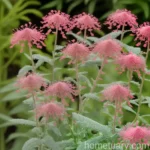
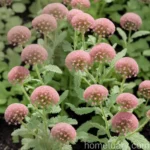
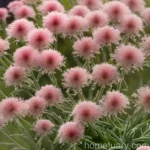
Sanguisorba officinalis is a clump-forming perennial that typically grows to a height of 2 to 4 feet. It is characterized by its attractive basal rosette of pinnate leaves and unique bottlebrush-like flowers that emerge in summer. The flowers, which are commonly red or maroon in color, are arranged in dense cylindrical spikes atop slender stems, adding a touch of elegance to the plant.
The genus name “Sanguisorba” is derived from the Latin words “sanguis” and “sorbeo,” which refer to the plant’s historical use in stopping bleeding or hemorrhage. The species name “officinalis” indicates that the plant has been recognized for its medicinal properties and has been used in traditional herbal medicine.
Key Takeaways – Sanguisorba officinalis (Great Burnet)
This section will highlight the main characteristics and key points related to the cultivation and maintenance of Sanguisorba officinalis.
Culture
Cultivating Sanguisorba officinalis requires an understanding of its specific cultural needs. Let’s delve into the cultural requirements necessary for the successful growth of this plant.
Uses
Sanguisorba officinalis has been valued for its various uses, including:
- Medicinal: The plant has a long history of use in traditional medicine for its astringent and hemostatic properties. It has been used to treat wounds, diarrhea, and other ailments.
- Ornamental: The attractive foliage and unique flowers make Sanguisorba officinalis an excellent choice for ornamental gardens and landscapes.
Water
Sanguisorba officinalis thrives in moist to wet soil conditions. Adequate watering is essential, especially during the establishment phase. Once established, the plant can tolerate short periods of drought, but consistent moisture is ideal for optimal growth and flowering.
Sunlight
In terms of sunlight requirements, Sanguisorba officinalis prefers full to partial sun. It thrives in locations with ample sunlight, but it can also tolerate partially shaded areas, albeit with potentially reduced flowering.
Fertilizer
While Sanguisorba officinalis can grow in relatively nutrient-poor soils, applying a balanced, slow-release fertilizer in early spring can promote healthy growth and abundant flowering. Incorporating organic matter into the soil can also enhance the plant’s overall vigor.
Soil
The ideal soil for Sanguisorba officinalis is well-draining, loamy soil with a slightly acidic to neutral pH. Additionally, the plant thrives in moist to wet soil conditions, making it suitable for rain gardens and other wetland settings.
Pruning
Minimal pruning is required for Sanguisorba officinalis. Deadheading the spent flowers can encourage prolonged flowering, while removing any damaged or diseased foliage can promote overall plant health.
Propagation
Sanguisorba officinalis can be propagated through division or by sowing seeds. Division is typically carried out in early spring, whereas seed sowing can be done in late winter to early spring.
Container Popularity
While Sanguisorba officinalis is primarily grown in garden beds and borders, it can also thrive in large containers or planters. This flexibility makes it a versatile choice for gardeners with limited space or those looking to create attractive container displays.
Common Diseases
Sanguisorba officinalis is generally resistant to many common plant diseases. However, preventive measures, such as providing adaquate air circulation and avoiding overwatering, can help mitigate the risk of fungal diseases, such as powdery mildew.
Disease Diagnosis
Monitoring the plant for any signs of unusual discoloration, wilting, or fungal growth can aid in the early detection and diagnosis of potential diseases. Prompt action, such as removing affected plant parts or adjusting cultural practices, can help manage and prevent diseases from spreading.
Common Pests
Sanguisorba officinalis is relatively resistant to many pests, but occasional infestations of aphids, spider mites, or leafhoppers may occur. Regular inspection and the use of natural predators or organic pest control methods can help manage pest populations without harming beneficial insects.
Botanist’s Tips
To ensure the successful cultivation of Sanguisorba officinalis, consider the following tips:
- Provide consistent moisture, especially during the plant’s establishment phase.
- Avoid compacted or waterlogged soils, as they can lead to root rot and other issues.
- Monitor the plant for signs of stress, such as wilting or yellowing, and adjust cultural practices accordingly.
Fun Facts about Sanguisorba officinalis
- Great Burnet, along with its ornamental value, has been historically used in traditional medicine for its astringent and hemostatic properties.
- The unique bottlebrush-like flowers of Sanguisorba officinalis are attractive to pollinators, making it a beneficial plant for wildlife gardens.
- Sanguisorba officinalis is a versatile plant that can thrive in various settings, from rain gardens to traditional borders.
Links to External Resources
For additional information about Sanguisorba officinalis, consider exploring the following resources:
- Royal Horticultural Society – Sanguisorba officinalis
- Missouri Botanical Garden – Great Burnet
- University of Wisconsin-Madison – Sanguisorba officinalis
- The Plant List – Sanguisorba officinalis
In conclusion, Sanguisorba officinalis, or Great Burnet, is a fascinating and valuable plant with a rich history of medicinal and ornamental uses. Whether you are interested in its cultural requirements, ornamental value, or medicinal properties, this comprehensive guide aims to provide you with the insight and knowledge needed to appreciate and cultivate this remarkable plant.
By understanding the specific needs of Sanguisorba officinalis and implementing appropriate care practices, you can create a thriving and visually stunning display in your garden while also contributing to the conservation of this valuable species.
Remember, the key to successful cultivation lies in providing the right growing conditions, understanding the plant’s uses, and actively maintaining its health and vigor. Sanguisorba officinalis, with its rich folklore, ecological importance, and sustainable gardening benefits, exemplifies the beauty and utility of plants in our natural world.
Happy gardening and may your journey with Sanguisorba officinalis be filled with joy, beauty, and botanical discoveries!