Sanguisorba tenuifolia ‘Pink Elephant’ (Burnet): A Comprehensive Guide
Plants are an integral part of the world we live in. They provide us with oxygen, food, medicine, and contribute to the overall beauty of our environment. Understanding plants, their characteristics, and how to care for them is essential for both plant enthusiasts and professionals in the field of horticulture. In this comprehensive guide, we will delve into the world of Sanguisorba tenuifolia ‘Pink Elephant’ commonly known as Burnet. This beautiful herbaceous plant has gained attention for its ornamental and functional uses. We will explore its unique characteristics, cultivation techniques, medicinal properties, landscaping potential, and much more. So, let’s embark on this journey to unravel the many facets of Sanguisorba tenuifolia ‘Pink Elephant’.
What is Sanguisorba tenuifolia ‘Pink Elephant’ (Burnet)?
Sanguisorba tenuifolia ‘Pink Elephant’, commonly known as Burnet, is an herbaceous perennial plant known for its striking pink flower spikes and ornamental foliage. This plant belongs to the family Rosaceae and is native to Eastern Asia, including China, Japan, and Korea. The genus name Sanguisorba is derived from the Latin words “sanguis” meaning blood and “sorbeo” meaning to staunch or check, which alludes to the plant’s historical use in staunching bleeding wounds. The specific epithet tenuifolia refers to the plant’s finely cut or delicate foliage, while the cultivar name ‘Pink Elephant’ highlights its distinct pink flowers.
-
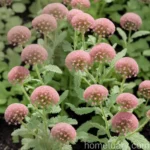
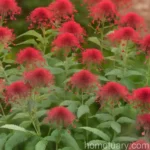
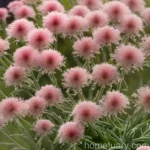
Sanguisorba tenuifolia ‘Pink Elephant’ is characterized by its upright clumps of deeply cut, dark green foliage and tall, erect stems topped with striking, bottlebrush-like pink flower spikes. These flowers bloom in mid to late summer, adding a touch of elegance to gardens and landscapes. The plant reaches a mature height of about 3 to 4 feet and a spread of 2 to 3 feet, making it a commanding presence in any setting. The architectural form of Sanguisorba tenuifolia ‘Pink Elephant’ lends itself well to mixed perennial borders, cottage gardens, and naturalistic plantings.
-
Sanguisorba tenuifolia ‘Pink Elephant’ is not only cherished for its aesthetic appeal but also for its functional uses. It has a rich history of medicinal and culinary applications. The leaves and roots of the plant have been traditionally used in herbal medicine to treat a range of ailments. Moreover, its flowers and foliage make lovely additions to floral arrangements, and its young leaves can be used in salads or as a garnish, adding a subtle earthy flavor to culinary creations.
Now that we have acquainted ourselves with the basics of Sanguisorba tenuifolia ‘Pink Elephant’, let’s delve deeper into its key characteristics, cultural requirements, uses, and horticultural practices.
Key Takeaways – Sanguisorba tenuifolia ‘Pink Elephant’ (Burnet)
Before we embark on the specifics of cultivating and caring for Sanguisorba tenuifolia ‘Pink Elephant’, let’s summarize the essential aspects of this remarkable plant.
Culture
- Sanguisorba tenuifolia ‘Pink Elephant’ is an herbaceous perennial with finely cut, dark green foliage and tall, erect stems topped with bottlebrush-like pink flower spikes.
- It is native to Eastern Asia and belongs to the family Rosaceae.
- The plant blooms in mid to late summer, reaching a mature height of about 3 to 4 feet and a spread of 2 to 3 feet.
- Sanguisorba tenuifolia ‘Pink Elephant’ has both ornamental and functional applications, being used in traditional medicine and culinary pursuits.
- Its architectural form makes it a striking addition to mixed perennial borders, cottage gardens, and naturalistic plantings.
Uses
- Medicinal: Sanguisorba tenuifolia has a history of use in herbal medicine for its astringent and styptic properties, often employed to staunch bleeding and treat conditions related to excessive bleeding.
- Culinary: The young leaves of Sanguisorba tenuifolia can be used in salads or as a garnish, adding a subtle earthy flavor to culinary creations.
- Ornamental: The striking pink flower spikes and finely cut foliage make it an attractive addition to floral arrangements and a beautiful feature in garden landscapes.
These key takeaways provide a foundational understanding of the plant and its attributes. As we explore its cultural requirements, uses, and horticultural practices, we will uncover a wealth of information that will enrich our appreciation for Sanguisorba tenuifolia ‘Pink Elephant’.
Cultural Requirements of Sanguisorba tenuifolia ‘Pink Elephant’
Cultivating Sanguisorba tenuifolia ‘Pink Elephant’ successfully requires an understanding of its specific cultural requirements. These encompass the plant’s needs in terms of water, sunlight, soil, fertilizer, and pruning. Let’s delve into each of these aspects to gain a comprehensive understanding of how to best support the growth and vitality of this beautiful plant.
Water
- Sufficient moisture is essential for the healthy growth of Sanguisorba tenuifolia ‘Pink Elephant’.
- The plant thrives in consistently moist, well-draining soil.
- During periods of dry weather, regular watering is crucial to support the plant’s moisture needs.
- Adequate water management is especially important during the establishment phase and in hot summer conditions.
Sunlight
- Sanguisorba tenuifolia ‘Pink Elephant’ thrives in partial to full sun.
- It requires a minimum of 4-6 hours of direct sunlight per day for optimal growth and flowering.
- In regions with intense heat, partial shade during the hottest part of the day can be beneficial in preventing foliage wilting and sunscald.
Fertilizer
- Sanguisorba tenuifolia is not particularly demanding in terms of fertilizer needs.
- Applying a balanced, slow-release fertilizer in spring can help to support healthy growth and abundant flowering.
- It is important to avoid over-fertilization, which can lead to excessive foliage at the expense of flowers.
Soil
- The ideal soil for Sanguisorba tenuifolia ‘Pink Elephant’ is well-draining, fertile, and moisture-retentive.
- A neutral to slightly acidic pH range of 6.0-7.0 is favorable for the plant’s growth.
- Amending the soil with organic matter such as compost or well-rotted manure can help improve its structure and fertility.
Pruning
- Pruning Sanguisorba tenuifolia ‘Pink Elephant’ is primarily focused on deadheading spent flowers to encourage continuous blooming and prevent self-seeding.
- In late fall or early spring, cutting back the spent stems to ground level can promote vigorous regrowth and a tidy appearance.
- Removing any damaged or discolored foliage can also contribute to the plant’s overall health and aesthetics.
Understanding these cultural requirements is fundamental to providing the right growing conditions for Sanguisorba tenuifolia ‘Pink Elephant’. By addressing the plant’s needs for water, sunlight, soil, fertilizer, and pruning, we pave the way for its optimal development and performance.
Propagation of Sanguisorba tenuifolia ‘Pink Elephant’
The propagation of Sanguisorba tenuifolia ‘Pink Elephant’ can be achieved through various methods, each offering its own advantages and considerations. Whether through division, seed sowing, or stem cuttings, propagating this plant can be a rewarding activity for both garden enthusiasts and horticultural professionals. Let’s explore the different propagation techniques for Sanguisorba tenuifolia ‘Pink Elephant’ to understand the processes involved and the opportunities they present.
Division
- Division is a commonly used method for propagating Sanguisorba tenuifolia ‘Pink Elephant’.
- It is best carried out in early spring as new growth emerges or in early fall to allow the plants to establish before winter.
- The process involves carefully digging up the plant and dividing the clumps into smaller sections, ensuring that each division has sufficient roots and shoots.
- Replanting the divisions in prepared soil and providing adequate moisture and care supports their successful establishment.
Seed Sowing
- Propagating Sanguisorba tenuifolia ‘Pink Elephant’ from seeds offers the opportunity to grow a large number of plants with genetic diversity.
- The seeds can be sown directly in the garden in fall or spring, or indoors in seed trays for subsequent transplanting.
- Stratifying the seeds by cold treatment can enhance germination rates, particularly for species that require a period of dormancy before germinating.
- Providing consistent moisture and favorable temperatures supports the germination and early growth of the seedlings.
Stem Cuttings
- Stem cuttings can be used to propagate specific cultivars of Sanguisorba tenuifolia ‘Pink Elephant’ to ensure the retention of their unique characteristics.
- Selecting healthy, non-flowering shoots and preparing them by removing lower leaves and making clean cuts promotes successful rooting.
- The prepared cuttings are then planted in a well-draining rooting medium and kept under high humidity to encourage root development.
- Careful monitoring of moisture levels and providing suitable environmental conditions are essential for the successful establishment of cuttings.
Container Gardening with Sanguisorba tenuifolia ‘Pink Elephant’
-
Sanguisorba tenuifolia ‘Pink Elephant’ can be an excellent choice for container gardening, allowing individuals with limited space or specific aesthetic preferences to enjoy its beauty and functionality on patios, balconies, or urban settings.
-
Selecting a spacious container with adequate drainage holes is crucial to support the growth of Sanguisorba tenuifolia ‘Pink Elephant’. A container with a minimum diameter of 18 inches can provide sufficient space for the plant’s root system to develop.
-
Using a well-draining potting mix enriched with organic matter contributes to the plant’s vigor and health in a container environment. Regular monitoring of soil moisture and appropriate watering practices are essential to prevent waterlogged or parched conditions.
-
Positioning the container in a location that receives at least 4-6 hours of sunlight per day, with some protection from intense midday heat, supports the plant’s growth and flowering. In regions with hot summers, providing partial shade during the hottest part of the day can benefit the plant.
-
Regular fertilization with a balanced, water-soluble fertilizer during the growing season can help offset the nutrient depletion that occurs in containerized plants. It is important to follow the manufacturer’s recommendations and avoid over-fertilization, which can lead to nutrient imbalances and potential damage to the plant.
-
Container-grown Sanguisorba tenuifolia ‘Pink Elephant’ may have distinct water requirements compared to plants in the ground, as containers can experience faster drying of the soil. Regular monitoring of soil moisture and adjusting the watering frequency accordingly are crucial for sustaining the plant’s health and vitality.
-
Incorporating Sanguisorba tenuifolia ‘Pink Elephant’ into container garden designs can offer opportunities for creative expression and diverse displays. Pairing it with contrasting foliage plants, cascading ornamentals, or compact companions can create visually captivating arrangements that showcase the plant’s unique features and contribute to an engaging overall composition.
Popularity of Sanguisorba tenuifolia ‘Pink Elephant’
-
Sanguisorba tenuifolia ‘Pink Elephant’ has been gaining popularity among gardeners, landscape designers, and horticultural enthusiasts due to its striking appearance, functional uses, and adaptability in various growing conditions.
-
The plant’s distinctive bottlebrush-like pink flower spikes and finely cut foliage make it a visually captivating addition to garden landscapes, drawing attention and admiration from observers.
-
The medicinal and culinary applications of Sanguisorba tenuifolia contribute to its appeal, as it offers functional benefits along with its ornamental value. The historical use of the plant in herbal medicine and its potential in culinary creations add depth to its popularity.
-
As an herbaceous perennial that is relatively low-maintenance and adaptable to a range of soil and light conditions, Sanguisorba tenuifolia ‘Pink Elephant’ appeals to individuals seeking resilient, yet visually appealing, plants for their gardens and landscapes.
-
The growing interest in native and pollinator-friendly plants has also contributed to the popularity of Sanguisorba tenuifolia ‘Pink Elephant’. Its potential to support beneficial insect populations and contribute to sustainable gardening practices aligns with the preferences of many environmentally conscious gardeners and landscape designers.
-
The plant’s suitability for various garden styles, including cottage gardens, naturalistic plantings, and mixed perennial borders, further enhances its appeal and contributes to its increasing popularity in horticultural and gardening circles.
Common Diseases of Sanguisorba tenuifolia ‘Pink Elephant’
In the cultivation of Sanguisorba tenuifolia ‘Pink Elephant’, it is important to be aware of potential diseases that can affect the plant. While Sanguisorba tenuifolia is generally resilient, certain conditions or environmental factors can make it susceptible to specific diseases. Understanding these potential issues and their management is crucial for maintaining the plant’s health and vitality.
Disease Diagnosis
-
Powdery Mildew: Powdery mildew, caused by fungal pathogens, can manifest as a white, powdery coating on the foliage and stems of Sanguisorba tenuifolia ‘Pink Elephant’. It thrives in conditions of high humidity and poor air circulation, making proper plant spacing and ventilation essential for prevention.
-
Root Rot: Excessive soil moisture or poorly drained conditions can lead to the development of root rot in Sanguisorba tenuifolia ‘Pink Elephant’. Symptoms include wilting, yellowing foliage, and stunted growth. Improving soil drainage and avoiding overwatering can help mitigate the risk of root rot.
-
Crown Rot: Crown rot, often caused by fungal pathogens, can affect the base of the plant, leading to decay and collapse of the crown tissue. This can be exacerbated by overly moist conditions and poor air circulation. Avoiding excessive mulching around the plant and ensuring proper soil drainage can aid in preventing crown rot.
Disease Management
-
To manage powdery mildew, adopting cultural practices that promote good air circulation, such as proper plant spacing and selective pruning, can help reduce the prevalence of the disease. Additionally, applying horticultural oils or fungicidal sprays labeled for powdery mildew control can aid in managing existing infections.
-
Preventing root rot and crown rot involves ensuring well-draining soil, proper irrigation practices, and avoiding waterlogged conditions that can predispose the plant to these diseases. Selecting disease-resistant cultivars or species adapted to local growing conditions can also contribute to disease management.
-
Monitoring the plant for any signs of disease, promptly removing and discarding affected plant parts, and practicing good garden hygiene can help prevent the spread of diseases within the garden and mitigate their impact on Sanguisorba tenuifolia ‘Pink Elephant’.
-
It is important to consider the underlying factors contributing to disease development, such as environmental conditions, cultural practices, and plant health, to implement holistic and effective disease management strategies for Sanguisorba tenuifolia ‘Pink Elephant’.
Common Pests Affecting Sanguisorba tenuifolia ‘Pink Elephant’
While Sanguisorba tenuifolia ‘Pink Elephant’ is generally resistant to most pests, certain insects and mites can pose potential challenges to its health and vigor. Being vigilant for signs of pest infestation and understanding the management techniques can help safeguard the plant from pest-related damage.
Common Pests
-
Aphids: Aphids, small sap-sucking insects, may infest the foliage and stems of Sanguisorba tenuifolia ‘Pink Elephant’, potentially causing leaf distortion, honeydew excretion, and sooty mold development. They can be managed through insecticidal soaps, horticultural oils, or natural predators such as ladybugs.
-
Spider Mites: Spider mites, tiny arachnids that feed on plant juices, can cause stippling, webbing, and general decline of plant health. Increasing humidity, using insecticidal sprays, and regularly hosing down the foliage can help manage spider mite populations.
-
Slugs and Snails: These nocturnal pests can consume the foliage of Sanguisorba tenuifolia ‘Pink Elephant’, leading to ragged edges and unsightly damage. Non-toxic slug and snail baits, physical barriers, and cultural practices such as removing their hiding places can aid in their control.
Pest Management
-
Regularly inspecting Sanguisorba tenuifolia ‘Pink Elephant’ for any signs of pest activity and intervening at the early stages of infestation can prevent pests from establishing large populations and causing significant damage.
-
Implementing cultural practices that promote plant vigor, such as adequate watering, balanced nutrition, and appropriate planting density, can enhance the plant’s resilience to pest pressure and reduce the susceptibility to infestations.
-
Using natural predators and biological controls, such as releasing beneficial insects or employing microbial insecticides, can help manage pest populations in an environmentally friendly manner without harming non-target organisms.
-
When resorting to chemical controls, it is important to select products labeled for the specific pests affecting Sanguisorba tenuifolia ‘Pink Elephant’ and to follow the application instructions and safety precautions outlined by the manufacturer.
By being proactive in pest monitoring and employing integrated pest management strategies, gardeners and horticulturalists can help protect Sanguisorba tenuifolia ‘Pink Elephant’ from potential pest-related threats and support its overall health and vitality.
Botanist’s Tips for Growing Sanguisorba tenuifolia ‘Pink Elephant’
Drawing from the collective wisdom of botanical experts and horticultural practitioners, here are some valuable tips for successfully growing Sanguisorba tenuifolia ‘Pink Elephant’ and maximizing its aesthetic and functional potential.
-
Selecting the Right Site: Choose a well-drained location with partial to full sun for planting Sanguisorba tenuifolia ‘Pink Elephant’. Ensure adequate spacing to allow for proper air circulation and avoid overly crowded conditions.
-
Optimizing Soil Conditions: Amend the soil with organic matter such as compost or well-rotted manure to enhance its fertility and structure. A slightly acidic to neutral pH range of 6.0-7.0 is favorable for the plant’s growth.
-
Appropriate Watering: Maintain consistent soil moisture, especially during dry periods, to support the growth and flowering of Sanguisorba tenuifolia ‘Pink Elephant’. Avoid waterlogging or prolonged periods of drought.
-
Pruning for Aesthetic and Health: Regular deadheading of spent flowers and removal of any damaged or discolored foliage can promote continuous blooming and contribute to the overall health and appearance of the plant.
-
Integration into Garden Designs: Incorporate Sanguisorba tenuifolia ‘Pink Elephant’ into various garden styles and settings, leveraging its ornamental and functional attributes to create visually compelling and ecologically beneficial landscapes.
-
Pest and Disease Management: Practice vigilance in monitoring for pests and diseases, intervening promptly to prevent their escalation and implementing cultural and biological controls to manage pest and disease