Sanguisorba albiflora (White-Flowered Burnet): A Plant Scientist’s Comprehensive Guide
Sanguisorba albiflora, commonly known as White-Flowered Burnet, is a stunning perennial plant that is revered for its elegant white blooms and ornamental foliage. This botanical marvel belongs to the Rosaceae family and is native to regions with temperate climates. With its distinctive aesthetic appeal and several practical uses, Sanguisorba albiflora has secured a special place in gardens, landscapes, and even traditional herbal medicine.
As a plant scientist, it is essential to delve into the intricacies of Sanguisorba albiflora, exploring its growth requirements, maintenance practices, and the invaluable contributions it offers to both nature and human life. In this comprehensive guide, we will uncover the diverse facets of Sanguisorba albiflora, providing insights into its cultivation, characteristics, uses, and the intriguing world of plant biology that it represents.
What is Sanguisorba albiflora (White-Flowered Burnet)?
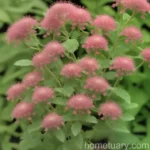
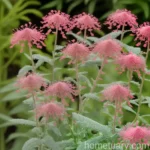
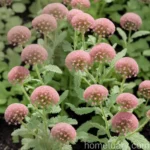
Sanguisorba albiflora, also referred to as White-Flowered Burnet, is a captivating herbaceous perennial plant that typically reaches heights of 60 to 90 centimeters. This plant is identifiable by its attractive pinnate foliage and delicate spires of white flowers, which elevate the visual interest of any garden or landscape.
Sanguisorba albiflora Description
The leaves of Sanguisorba albiflora are composed of multiple leaflets arranged in a feather-like pattern, imparting a lush and vibrant appeal to the plant. The inflorescences of the White-Flowered Burnet are characterized by small, densely packed flowers that form elongated spikes, creating a picturesque effect when in full bloom.
The distinctly white flowers of Sanguisorba albiflora emerge during the summer months, attracting pollinators and adding a touch of elegance to the surroundings. Its botanical name, “Sanguisorba,” is derived from the Latin words “sanguis” (blood) and “sorbeo” (to staunch or to soak up), alluding to its historical medicinal uses in stopping bleeding.
Key Takeaways – Sanguisorba albiflora (White-Flowered Burnet)
Before delving into the specific aspects of cultivation, maintenance, and uses of Sanguisorba albiflora, let’s highlight some key takeaways concerning this exquisite plant:
-
White-Flowered Burnet Characteristics: Sanguisorba albiflora is characterized by its feathery pinnate foliage and slender spikes of white flowers, making it a visually captivating addition to gardens and landscapes.
-
Cultivation and Habitat: Sanguisorba albiflora thrives in temperate climates and well-drained soils, and its natural habitat encompasses regions with adequate sunlight and moderate moisture levels.
-
Maintenance and Uses: This versatile plant not only contributes to the aesthetic appeal of floral arrangements and landscaping but also holds significance in traditional medicine and as a habitat for beneficial wildlife.
Now, let’s journey into the world of Sanguisorba albiflora, exploring its cultural requirements, practical uses, and the manifold ways in which it enriches the plant kingdom and human life.
Culture
Cultivating Sanguisorba albiflora successfully requires a thorough understanding of its cultural preferences, encompassing aspects such as water, sunlight, fertilizer, soil, and pruning. Let’s explore each of these cultural elements in detail.
Water
Sanguisorba albiflora thrives in well-drained soil that maintains consistent moisture levels. While this plant appreciates adequate hydration, it is essential to avoid waterlogging, as excess moisture can lead to root rot and other detrimental conditions. Regular but moderate watering, especially during dry spells, is recommended to ensure the optimal growth and health of Sanguisorba albiflora.
Sunlight
In terms of sunlight, Sanguisorba albiflora flourishes in locations with partial shade to full sun exposure. It is crucial to provide adequate sunlight for the plant’s photosynthetic processes while also offering some protection from intense midday rays, especially in hotter climates.
Fertilizer
When it comes to fertilizer application, Sanguisorba albiflora benefits from organic, well-balanced fertilizers that provide essential nutrients without overwhelming the soil. An annual application of a slow-release fertilizer in the spring can support the plant’s growth and flowering, contributing to its overall vigor and resilience.
Soil
Sanguisorba albiflora displays a preference for well-drained, nutrient-rich soils with a slightly acidic to neutral pH range. Amending the soil with organic matter such as compost or well-rotted manure can enhance its structure and fertility, creating an optimal growing environment for the White-Flowered Burnet.
Pruning
Pruning is an integral part of Sanguisorba albiflora’s maintenance routine, especially to promote a tidy appearance, control its growth, and stimulate vigorous flowering. Removing spent flowers and trimming back any damaged or unruly growth can encourage the plant to redirect its energy towards producing new blooms and maintaining a compact, attractive form.
Uses
Sanguisorba albiflora offers a myriad of practical and aesthetic uses, ranging from its role in ornamental gardening to its historical and contemporary applications in herbal medicine. Let’s explore the diverse uses of the White-Flowered Burnet in greater detail.
Ornamental Value
One of the primary uses of Sanguisorba albiflora lies in its ornamental value, as it serves as a visually striking addition to gardens, borders, and naturalistic plantings. The feathery foliage and elegant white flowers of this plant lend themselves well to various landscape designs, from cottage gardens to contemporary urban landscapes.
Floral Arrangements
The delicate, airy appearance of Sanguisorba albiflora’s flowers makes them a coveted addition to floral arrangements and bouquets. Their graceful presence adds a touch of charm and sophistication to cut flower displays, enhancing the overall appeal of any floral composition.
Medicinal Applications
In traditional herbal medicine, various parts of Sanguisorba albiflora, including its roots and leaves, have been utilized for their astringent and anti-inflammatory properties. Historical records indicate its use in managing conditions such as diarrhea, gastrointestinal disorders, and external wounds, pointing to the plant’s historical significance in promoting human health and well-being.
Wildlife Habitat
The ecological significance of Sanguisorba albiflora is underscored by its role as a valuable resource for pollinators and beneficial insects. The nectar-rich flowers attract bees, butterflies, and other pollinators, contributing to the biodiversity and ecological balance of the surrounding landscape.
Erosion Control
Due to its deep root system and clumping growth habit, Sanguisorba albiflora can also be employed in erosion control and slope stabilization projects. The dense root network helps bind soil particles together, preventing erosion and supporting the ecological integrity of vulnerable landscapes.
Propagation
The propagation of Sanguisorba albiflora can be achieved through several methods, including division, seed sowing, and stem cuttings. Each approach offers unique advantages and considerations, allowing for flexibility in expanding the presence of this captivating plant in various settings.
Division
Dividing mature clumps of Sanguisorba albiflora in the early spring or autumn presents an efficient method of propagation. By carefully separating the plant’s rhizomes and ensuring that each division retains sufficient roots and growing points, individuals can be established with a high success rate.
Seed Sowing
Sowing Sanguisorba albiflora seeds in a prepared seedbed or individual containers during the late summer or autumn allows for the cultivation of new plants from seed. Stratifying the seeds by refrigeration for several weeks prior to sowing can enhance germination rates and promote robust seedling development.
Stem Cuttings
Softwood or semi-hardwood stem cuttings taken from healthy Sanguisorba albiflora specimens offer another avenue for propagation. By providing the appropriate environmental conditions and care, these cuttings can root and develop into independent plants, preserving the unique traits and characteristics of the parent plant.
Container Popularity
Given its adaptable nature and ornamental appeal, Sanguisorba albiflora has gained popularity as a container plant, thriving in appropriately sized containers and enjoying a prominent place in urban and suburban landscapes. The following are key considerations for cultivating Sanguisorba albiflora in containers:
- Use well-draining potting mix tailored to perennial plants to ensure optimal soil conditions.
- Select containers with adequate drainage holes, allowing excess moisture to escape and preventing waterlogged soil.
- Position the containers in locations that offer the preferred sunlight conditions for Sanguisorba albiflora, balancing exposure with protection from scorching heat.
Common Diseases
While Sanguisorba albiflora is generally resilient, it is susceptible to certain diseases and issues that can impact its health and vigor. Understanding these potential challenges is essential for implementing effective preventive measures and treatments. Some common diseases that may affect Sanguisorba albiflora include:
-
Powdery Mildew: This fungal disease manifests as a powdery, white coating on the foliage, causing distortion and discoloration. Adequate air circulation and the use of fungicidal treatments can help manage and prevent powdery mildew.
-
Root Rot: Excessive moisture or poorly drained soil can lead to root rot, resulting in wilting, yellowing leaves, and stunted growth. Ensuring proper drainage and avoiding overwatering are crucial for preventing this issue.
-
Leaf Spot: Leaf spot diseases can cause the formation of circular or irregular lesions on the foliage, negatively affecting the plant’s photosynthetic capacity. Prompt removal of affected plant material and the application of fungicidal treatments can aid in controlling leaf spot.
Disease Diagnosis
Diagnosing diseases in Sanguisorba albiflora involves careful observation of the plant’s symptoms, including changes in leaf color, texture, and overall vigor. Additionally, conducting thorough inspections for telltale signs such as powdery coatings, lesions, and wilting can aid in identifying specific diseases.
Upon noticing potential disease symptoms, it is advisable to consult with local horticultural experts or plant health professionals to accurately diagnose the issue and receive targeted recommendations for managing and mitigating the disease’s impact on Sanguisorba albiflora.
Common Pests
Similar to many ornamental plants, Sanguisorba albiflora can face pest pressures that require vigilant monitoring and intervention. Some common pests that may target this plant include:
-
Aphids: These small, sap-sucking insects can colonize the foliage of Sanguisorba albiflora, leading to distorted growth and the secretion of honeydew. Natural predators, horticultural oils, and insecticidal treatments can help control aphid populations.
-
Slugs and Snails: These mollusks can cause damage by feeding on the leaves and tender growth of Sanguisorba albiflora, leaving behind ragged edges and unsightly feeding marks. Use of physical barriers, baits, and cultural practices can aid in managing slug and snail infestations.
-
Spider Mites: Infestations of spider mites can result in stippled or discolored foliage as a result of their feeding activities. Regular monitoring, misting to increase humidity, and targeted miticides can help alleviate spider mite issues.
Botanist’s Tips
As a plant scientist deeply familiar with the intricate world of botanical wonders, I would like to share some valuable tips for cultivating Sanguisorba albiflora and enhancing the overall gardening experience:
-
Companion Planting: Utilize the compatibility and synergistic benefits of companion planting by pairing Sanguisorba albiflora with species that offer complementary attributes, such as color contrast, pollinator appeal, or soil enhancement.
-
Sustainable Gardening Practices: Embrace sustainable gardening techniques, such as mulching, water-wise irrigation, and organic soil amendments, to foster a resilient and eco-friendly growing environment for Sanguisorba albiflora and other plants.
-
Biodiversity Promotion: Encourage biodiversity and wildlife habitat creation by incorporating diverse plant species, providing shelter and food sources, and minimizing the use of chemical inputs that may affect beneficial organisms.
Fun Facts
To further illuminate the captivating allure and botanical significance of Sanguisorba albiflora, here are some fun and intriguing facts about this remarkable plant:
- The genus name “Sanguisorba” is derived from the Latin words “sanguis” (blood) and “sorbeo” (to staunch), alluding to historical uses in stopping bleeding and promoting wound healing.
- Sanguisorba albiflora is celebrated for its architectural presence, with its tall, slender flower spikes adding vertical interest and structural elegance to garden compositions.
- Indigenous cultures have attributed Sanguisorba albiflora with various folklore and symbolic meanings, associating the plant with concepts such as protection, resilience, and natural balance.
Links to External Resources
For a deeper exploration of Sanguisorba albiflora and related topics, here are some valuable resources and references that offer comprehensive insights and practical guidance:
- Royal Horticultural Society – Sanguisorba albiflora
- Missouri Botanical Garden – White-Flowered Burnet
- American Horticultural Society – Growing Sanguisorba albiflora
- University of Maryland Extension – Sanguisorba albiflora Cultivation Guide
In conclusion, Sanguisorba albiflora, or White-Flowered Burnet, is a captivating and versatile plant that transcends mere ornamental value, offering a myriad of uses, ecological contributions, and symbolic significance. Its presence in gardens and landscapes not only adds aesthetic charm but also enriches ecosystems and connects us to the timeless allure of the natural world. By understanding and celebrating the diverse attributes of Sanguisorba albiflora, we can embrace its botanical magic and contribute to the preservation and appreciation of horticultural diversity.
Remember to share this guide with fellow plant enthusiasts and aspiring gardeners, spreading the joy and knowledge of Sanguisorba albiflora far and wide.
Happy gardening and botanical exploration!
[End of Bog Post]