Sanguisorba hakusanensis (Korean Burnet): A Complete Guide to Cultivation and Care
Sanguisorba hakusanensis, commonly known as Korean Burnet, is a stunning perennial plant that belongs to the Rosaceae family. Its native habitat includes regions of Japan, Korea, and China, where it thrives in moist, mountainous areas. This article will provide an in-depth exploration of the cultivation and care of this beautiful plant, covering its characteristics, uses, cultivation requirements, and much more.
Key Takeaways
Before delving into the specifics of Sanguisorba hakusanensis, let’s summarize the key takeaways of this plant:
- Cultivation: Sanguisorba hakusanensis requires consistently moist soil and partial shade to flourish.
- Uses: This plant is valued for its ornamental foliage and its potential medicinal properties.
- Water: Regular watering is essential, especially during the dry summer months.
- Sunlight: It thrives in partial shade, making it an excellent choice for shaded gardens.
- Fertilizer: A balanced, organic fertilizer in spring can promote healthy growth.
- Soil: Well-draining, humus-rich soil is ideal for Korean Burnet.
- Pruning: Light pruning in late winter or early spring can help maintain its shape.
- Propagation: It can be propagated through division or by sowing seeds.
- Container: Sanguisorba hakusanensis can be grown in containers, provided they offer ample space for root development.
- Common Diseases: Keep an eye out for potential leaf spot diseases and rust.
- Common Pests: Aphids and spider mites can occasionally trouble Korean Burnet.
With these key points in mind, let’s explore the intricacies of cultivating and caring for Sanguisorba hakusanensis.
What is Sanguisorba hakusanensis?
Description
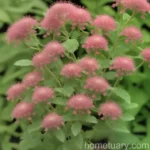
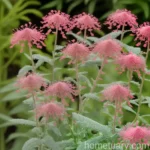
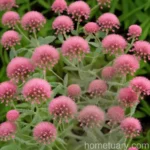
Sanguisorba hakusanensis is an herbaceous perennial with attractive pinnate leaves and unique flowers. It typically reaches a height of 60-90 cm and forms clumps of foliage, making it an excellent choice for adding texture and visual interest to garden beds. The flowers, which appear in summer, are slender, cylindrical spikes that can reach up to 30 cm in length. They are a vibrant red color, adding a bright splash to the garden.
Characteristics
- Foliage: The pinnate leaves are dark green and deeply serrated, contributing to the plant’s ornamental appeal even when not in bloom.
- Flowers: The slender, intense red flower spikes are the main attraction of this plant and are highly attractive to pollinators.
- Habitat: Sanguisorba hakusanensis is native to mountainous regions in Asia, where it thrives in moist, well-drained soils.
Cultivars
There are several cultivars of Sanguisorba hakusanensis available, each offering unique characteristics. Some cultivars exhibit variations in flower color, height, or leaf shape, providing gardeners with options to suit their specific preferences and design requirements.
Benefits
Aside from its sheer aesthetic appeal, Sanguisorba hakusanensis offers additional benefits:
- Wildlife Value: The flowers attract bees, butterflies, and other pollinators, making it a valuable addition to wildlife-friendly gardens.
- Medicinal Properties: In some traditional medicine practices, Sanguisorba species are used for their potential medicinal properties. While specific research on Sanguisorba hakusanensis is limited, various Sanguisorba species have been linked to anti-inflammatory and antioxidant properties.
Cultivation
Successful cultivation of Sanguisorba hakusanensis requires an understanding of its specific cultural requirements. From soil preferences to sunlight exposure, providing the optimal growing conditions is essential for this plant to thrive.
Sunlight
Sanguisorba hakusanensis prefers partial shade, particularly in areas with hot summers. In its native habitat, it is often found growing beneath the canopy of trees or on the edges of woodland areas, where dappled sunlight filters through. When cultivated in gardens, replicating this partial shade environment is crucial for its overall health and vigor.
Water
Consistently moist soil is vital for the well-being of Sanguisorba hakusanensis. While it does not tolerate waterlogged conditions, it thrives when the soil is consistently damp. This is especially important during the summer months when prolonged dry spells can be detrimental to the plant’s health. Mulching around the base of the plant can help retain soil moisture, particularly during hot weather.
Soil
Korean Burnet thrives in rich, well-draining soil with a good amount of organic matter. A loamy, humus-rich soil is ideal for supporting healthy growth and development. Additionally, its preference for slightly acidic to neutral soil (pH 6.0-7.0) should be taken into consideration when selecting a planting location or amending the soil.
Fertilizer
In early spring, applying a balanced, organic fertilizer can provide a nutrient boost as the plant enters its active growth phase. This can help support healthy foliage development and robust flowering later in the season. However, excessive fertilization should be avoided, as it can lead to overly lush foliage at the expense of flower production.
Pruning
Minimal pruning is required for Sanguisorba hakusanensis. Lightly tidying up the plant in late winter or early spring can help maintain its shape and remove any dead or damaged foliage. However, substantial cutting back is generally unnecessary and may disrupt the plant’s natural growth pattern.
Propagation
Korean Burnet can be propagated through division or by sowing seeds. Division is best carried out in spring or early autumn, while seeds can be sown in containers in a controlled environment and then transplanted into the garden once established.
Container Gardening
Sanguisorba hakusanensis can be successfully grown in containers, provided certain conditions are met. Select a container that offers ample space for root development, as Korean Burnet has a spreading growth habit. Additionally, ensure that the container has adequate drainage to prevent waterlogging, as this can be particularly detrimental in a container environment.
Uses
Ornamental Uses
The striking appearance of Sanguisorba hakusanensis makes it a popular choice for ornamental plantings. Its unique foliage and vibrant red flower spikes add texture and color to perennial borders, woodland gardens, and naturalistic landscapes. Additionally, it can be a valuable addition to cut flower arrangements, providing vertical interest and a bold hue.
Medicinal Potential
While specific research on the medicinal properties of Sanguisorba hakusanensis is limited, various Sanguisorba species have been utilized in traditional medicine for their potential health benefits. In some cultures, Sanguisorba plants are believed to possess anti-inflammatory and antioxidant properties, and their roots have been used in herbal remedies. As with any medicinal plant, it is essential to consult a healthcare professional before using it for medicinal purposes.
Common Diseases and Pests
Despite being relatively low-maintenance, Sanguisorba hakusanensis can be afflicted by a few common diseases and pests.
Diseases
- Leaf Spot Diseases: Keep an eye out for foliar diseases such as anthracnose or powdery mildew, particularly in humid or wet conditions. Ensuring good air circulation around the plant and avoiding overhead watering can help prevent these issues.
- Rust: Some Sanguisorba species are susceptible to rust, a fungal disease that can cause yellow or orange pustules on the undersides of leaves. When noticed, affected plant material should be carefully removed and disposed of to prevent the spread of the disease.
Pests
- Aphids: These small, sap-sucking insects can occasionally be found on the new growth of Sanguisorba hakusanensis. Early detection and the use of insecticidal soap or horticultural oil can effectively manage aphid populations.
- Spider Mites: Hot, dry conditions can create an ideal environment for spider mites, which may infest the plant and cause stippling and discoloration of the foliage. Regularly hosing down the plant with water can help deter these pests.
Botanist’s Tips
To ensure the successful cultivation of Sanguisorba hakusanensis, consider the following tips from botanists and experienced gardeners:
- Mulching: Applying a layer of organic mulch around the base of the plant can help retain soil moisture and suppress the growth of weeds, contributing to the plant’s overall health.
- Fertility Management: While organic fertilizers can be beneficial, it’s important to avoid excessive fertilization, as this can lead to overly vigorous growth at the expense of flowering.
- Pruning Guidance: Light periodic pruning is generally all that is required. Avoid excessive pruning, as Sanguisorba hakusanensis typically forms an attractive clump without extensive intervention.
Fun Facts
Here are some interesting tidbits about Sanguisorba hakusanensis:
- Pollinator Paradise: The red flower spikes are highly attractive to bees, butterflies, and other pollinators, making it a valuable addition to wildlife-friendly gardens.
- Mountain Dwellers: In its native range, Sanguisorba hakusanensis is found in mountainous regions, where it thrives in the cool, moist conditions.
- Ornamental Potential: Korean Burnet’s striking appearance makes it a favorite among gardeners seeking unique and visually appealing plants for their landscapes.
Links to External Resources
For further information on Sanguisorba hakusanensis, its cultivation, and potential uses, explore the following resources:
In conclusion, Sanguisorba hakusanensis, or Korean Burnet, is a captivating plant with ornamental and potentially medicinal value. By providing the right growing conditions and understanding its unique cultural requirements, gardeners can cultivate this beautiful perennial with confidence, adding a touch of elegance and ecological value to their outdoor spaces.
Now, let’s move onto the references:
References
- Royal Horticultural Society. “Sanguisorba Hakusanensis.” RHS, www.rhs.org.uk/Plants/120562/Sanguisorba-hakusanensis/Details.
- Missouri Botanical Garden. “Sanguisorba Hakusanensis.” Missouri Botanical Garden, www.missouribotanicalgarden.org/PlantFinder/PlantFinderDetails.aspx?taxonid=284432.
- American Society of Plant Biologists. “Resources.” ASPB, aspb.org/community-connections/resources/.