Tropaeolum Majus ‘Empress Of India’ (Nasturtium)
Tropaeolum majus, commonly known as nasturtium, is a flowering plant species that belongs to the Tropaeolaceae family. The ‘Empress of India’ is a.
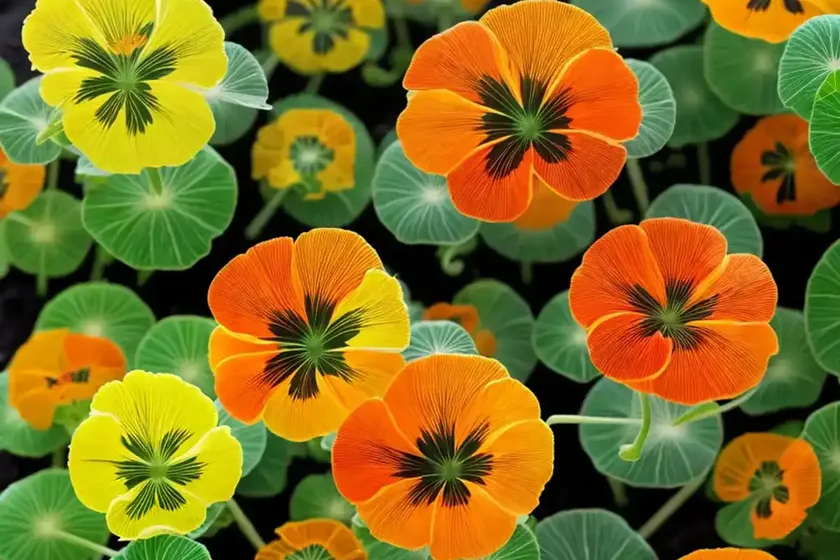

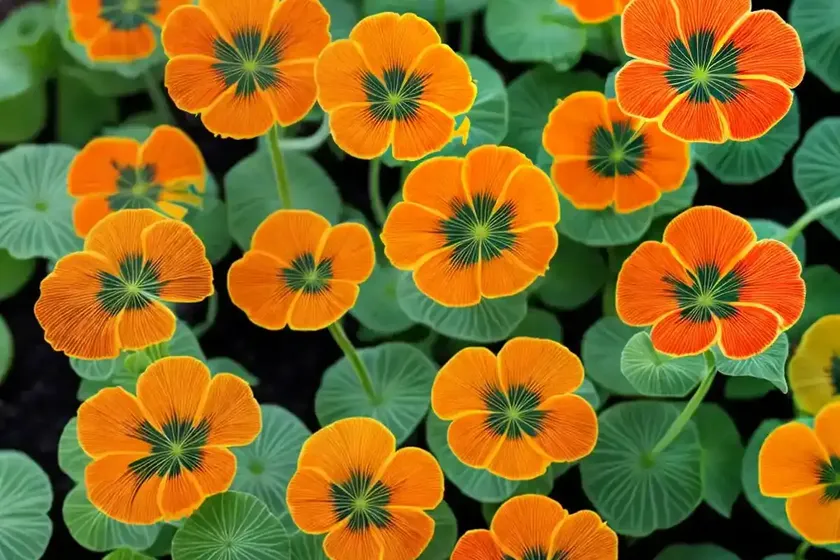
Tropaeolum majus, commonly known as nasturtium, is a flowering plant species that belongs to the Tropaeolaceae family. The ‘Empress of India’ is a particular cultivar of Tropaeolum majus that is known for its striking deep crimson flowers and distinctively dark foliage. Nasturtium plants are prized for their ornamental value as well as their culinary and medicinal uses. In this comprehensive guide, we will explore the various aspects of Tropaeolum majus ‘Empress of India’ – from its cultural requirements and uses to its propagation, common diseases, and maintenance tips.
Key Takeaways – Tropaeolum majus ‘Empress of India’ (Nasturtium)
Before delving into the specifics of growing and caring for Tropaeolum majus ‘Empress of India’, let’s take a brief look at the key takeaways that will be covered in this guide.
- Culture
-
The cultural requirements and growth habits of Tropaeolum majus ‘Empress of India’.
-
Uses
-
The diverse uses of the Nasturtium plant, ranging from ornamental and culinary to medicinal.
-
Water
-
Guidelines for watering the Empress of India plant to ensure optimal growth and health.
-
Sunlight
-
Understanding the sunlight requirements for Tropaeolum majus ‘Empress of India’ cultivation.
-
Fertilizer
-
The role of fertilizers in nourishing and supporting the growth of Nasturtium plants.
-
Soil
-
Understanding the ideal soil conditions for cultivating Tropaeolum majus ‘Empress of India’.
-
Pruning
-
Recommendations for effectively pruning and maintaining Nasturtium plants.
-
Propagation
-
Techniques for propagating Tropaeolum majus ‘Empress of India’ to expand your garden.
-
Container Popularity
-
Exploring the popularity and suitability of growing Nasturtium in containers.
-
Common Diseases
-
Identification and management of common diseases that affect Tropaeolum majus ‘Empress of India’.
-
Common Pests
-
Recognizing and effectively controlling pests that can impact the health of Nasturtium plants.
-
Botanist’s Tips
-
Valuable insights and tips from botanists for successfully growing Tropaeolum majus ‘Empress of India’.
-
Fun Facts
-
Interesting and lesser-known facts about the Empress of India plant.
-
Links to External Resources
- Curated list of external resources for further reading and information about Tropaeolum majus ‘Empress of India’.
With these key takeaways in mind, let’s embark on an in-depth exploration of Tropaeolum majus ‘Empress of India’ and gain a comprehensive understanding of this remarkable plant.
Growing Tropaeolum majus ‘Empress of India’
Tropaeolum majus ‘Empress of India’ is an easy-to-grow annual plant that thrives in various environments, making it an excellent choice for both novice and experienced gardeners. Understanding its cultural preferences is key to supporting healthy growth and vibrant flowering.
-
Plant Characteristics: The ‘Empress of India’ variety is renowned for its vibrant, deep crimson flowers and dark foliage, adding a striking visual appeal to gardens and landscapes.
-
Growth Habit: Nasturtium plants exhibit trailing or climbing growth habits, making them suitable for a range of planting scenarios, including hanging baskets, containers, and garden beds.
-
Hardiness Zones: Tropaeolum majus ‘Empress of India’ is well-suited to USDA hardiness zones 2 to 11, enabling its cultivation across a broad geographic range.
-
Suitable Climates: This Nasturtium cultivar flourishes in temperate to warmer climates, thriving in both sunny and partially shaded locations.
-
Watering Needs: While Nasturtium plants are relatively drought-tolerant, they benefit from consistent moisture, particularly during the early stages of growth and flowering.
-
Sun Requirements: Adequate sunlight is essential for promoting robust growth and abundant flowering in Tropaeolum majus ‘Empress of India’. Providing at least 6-8 hours of daily sunlight is ideal for optimal performance.
Color Variations and Blooming Season
The conspicuously deep crimson flowers of Tropaeolum majus ‘Empress of India’ are a defining feature of this cultivar. The striking coloration adds a bold and captivating element to gardens and landscapes, making it a sought-after choice for ornamental purposes. The blooming season typically spans from late spring to early fall, with the plant producing an abundance of vibrant flowers that continue to adorn the surroundings throughout the season.
Ornamental and Landscaping Benefits
The ‘Empress of India’ Nasturtium variety offers multifaceted uses, adding both visual appeal and functional benefits to various settings.
-
Garden Plants: Tropaeolum majus ‘Empress of India’ serves as an excellent choice for garden borders, where the deep crimson blooms and lush foliage create a visually striking display.
-
Container Gardening: The trailing and climbing growth habits of Nasturtium make it an ideal candidate for container gardening, adding charm and color to balconies, patios, and other outdoor spaces.
-
Hanging Baskets: The trailing habit of this cultivar lends itself well to hanging baskets, where the vivid flowers cascade gracefully, creating an eye-catching ornamental feature.
-
Ground Cover: When allowed to spread, the Nasturtium plant can function as an effective ground cover, filling in bare patches with its lush foliage and radiant blooms.
Culinary and Medicinal Uses
Beyond its ornamental value, Tropaeolum majus ‘Empress of India’ offers various culinary and medicinal uses that make it a versatile and valuable addition to home gardens.
-
Edible Flowers: Both the flowers and leaves of Nasturtium plants are edible, offering a mildly peppery flavor that adds a unique zest to salads, garnishes, and culinary creations.
-
Medicinal Properties: In addition to its culinary applications, Nasturtium possesses medicinal properties, with traditional uses ranging from antibacterial and expectorant properties to its potential role in supporting respiratory health.
Wildlife Attraction
The presence of Tropaeolum majus ‘Empress of India’ can attract pollinators such as bees and butterflies, contributing to the biodiversity and ecological balance of gardens and natural landscapes.
- Pollinator Support: The brightly colored flowers of Nasturtium serve as a nectar source for bees and butterflies, fostering a supportive environment for these vital pollinators.
Watering Guidelines for Tropaeolum majus ‘Empress of India’
Proper watering practices are essential for supporting the health and vigor of Nasturtium plants, ensuring robust growth and abundant flowering.
-
Establishment Phase: During the initial stages of growth, Tropaeolum majus ‘Empress of India’ benefits from consistent moisture to facilitate strong root development. Maintain slightly moist soil to support early establishment.
-
Drought Tolerance: Once established, Nasturtium plants exhibit moderate drought tolerance and can withstand brief periods of reduced moisture. However, consistent watering is recommended for optimal vigor and flowering.
-
Watering Frequency: In general, providing water when the top inch of soil feels dry to the touch is a suitable guideline for maintaining adequate moisture levels. Avoid overwatering, as excessive moisture can lead to root rot and other issues.
-
Container Gardening: When growing Tropaeolum majus ‘Empress of India’ in containers, it’s important to monitor soil moisture levels more closely, as containers may dry out more rapidly than garden beds. Adjust watering frequency as per the specific conditions and environmental factors.
-
Water Quality: In areas with hard water or high mineral content, consider using purified or collected rainwater for watering Nasturtium plants to prevent potential adverse effects from mineral buildup in the soil.
By adhering to appropriate watering practices, gardeners can ensure the robust and flourishing growth of Tropaeolum majus ‘Empress of India’, allowing the plant to thrive and showcase its captivating blooms.
Sunlight Requirements for Tropaeolum majus ‘Empress of India’
Sunlight plays a crucial role in shaping the growth, flowering, and overall performance of Nasturtium plants, making it essential to understand their specific sunlight requirements.
-
Optimal Sun Exposure: Tropaeolum majus ‘Empress of India’ thrives when provided with full sun to partial shade, with at least 6-8 hours of direct sunlight per day being ideal for promoting vigorous growth and abundant flowering.
-
Effect on Flowering: Adequate sunlight exposure is directly linked to the profusion of flowers in Nasturtium plants. Insufficient sunlight may result in reduced blooming and less vibrant flower coloration.
-
Shade Tolerance: While Nasturtium plants favor ample sunlight, they also exhibit moderate tolerance to partial shade, making them adaptable to a range of growing conditions. In areas with intense heat, providing some afternoon shade can be beneficial.
-
Seasonal Adjustments: In regions with extreme heat, adjusting the plant’s positioning to receive partial shade during the hottest part of the day can help prevent stress and potential sunscald.
Understanding and meeting the sunlight requirements of Tropaeolum majus ‘Empress of India’ is essential for maximizing its ornamental value and ensuring robust growth throughout the growing season.
Nourishing Tropaeolum majus ‘Empress of India’
Proper fertilization is instrumental in providing the essential nutrients that support the vigorous growth and blooming of Nasturtium plants. Selecting appropriate fertilizers and applying them at the right intervals can significantly enhance the plant’s overall health and vitality.
-
Fertilizer Selection: When fertilizing Tropaeolum majus ‘Empress of India’, opt for a balanced, all-purpose fertilizer with a formulation such as 10-10-10 or 20-20-20. These balanced fertilizers provide a mix of essential macro and micronutrients to promote overall plant health and flowering.
-
Application Timing: Begin fertilizing Nasturtium plants when they have established a strong root system and started active growth. Applying the first round of fertilizer at the beginning of the growing season, followed by subsequent applications every 4-6 weeks, can support consistent blooming and foliage development.
-
Dosage and Dilution: Follow the manufacturer’s instructions for the recommended dosage and dilution ratios when applying fertilizer. Avoid over-fertilizing, as excessive nutrients can lead to issues such as nutrient toxicity and adverse impacts on flowering.
-
Water-Soluble Fertilizers: Water-soluble fertilizers provide an efficient means of delivering nutrients to Tropaeolum majus ‘Empress of India’, allowing for rapid uptake and utilization by the plant. Dilute the fertilizer in water and apply as directed for effective nutrient supplementation.
-
Organic Options: For gardeners preferring organic approaches, organic fertilizers such as compost, fish emulsion, or seaweed extract can serve as natural alternatives for nourishing Nasturtium plants without the use of synthetic chemicals.
Effective fertilization practices can contribute to the enduring health, vigor, and abundant flowering of Tropaeolum majus ‘Empress of India’, enhancing its visual impact in gardens and landscapes.
The Ideal Soil Environment for Tropaeolum majus ‘Empress of India’
Creating an optimal soil environment is pivotal for fostering the robust growth, flowering, and overall well-being of Nasturtium plants. Understanding the soil preferences of Tropaeolum majus ‘Empress of India’ is crucial for providing a nurturing foundation for the plant’s development.
-
Well-Draining Soil: Nasturtium plants thrive in well-draining soil that prevents waterlogging and facilitates adequate aeration to the root system. Soil with excellent drainage capabilities helps prevent issues such as root rot and waterlogged conditions.
-
Soil pH: Tropaeolum majus ‘Empress of India’ prefers slightly acidic to neutral soil with a pH range of 6.0 to 7.0. Testing the soil pH and amending it as needed can help create an optimal growing environment for the plant.
-
Organic Matter: Incorporating organic matter such as compost, well-rotted manure, or peat moss into the soil can enhance its structure, fertility, and moisture retention capabilities, creating an enriched substrate for Nasturtium cultivation.
-
Soil Compaction: Preventing soil compaction through regular cultivation and the addition of organic amendments supports root development and overall plant vigor, ensuring that Tropaeolum majus ‘Empress of India’ can thrive in loose, friable soil conditions.
-
Container Medium: When growing Tropaeolum majus ‘Empress of India’ in containers, utilize a well-draining potting mix with added perlite or coarse sand to enhance drainage and aeration, supporting healthy root development within the confined space of the container.
By creating a soil environment that aligns with the preferences of Tropaeolum majus ‘Empress of India’, gardeners can provide the necessary foundation for robust growth, bountiful flowering, and overall plant vitality.
Pruning Tips for Tropaeolum majus ‘Empress of India’
Applying appropriate pruning techniques is instrumental in maintaining the attractive appearance and health of Nasturtium plants, promoting continual flowering and managing the plant’s growth habit.
-
Removal of Spent Flowers: Regularly deadheading or removing faded and spent flowers from Tropaeolum majus ‘Empress of India’ encourages the continuous production of new blooms, supporting a prolonged flowering season and preventing seed formation.
-
Trailing Vines: If growing the trailing variety of Nasturtium, prune excessively long or tangled vines to maintain a tidy and well-manicured appearance. Trimming back wayward growth also helps direct the plant’s energy towards new growth and flowering.
-
Leggy Growth: In instances of leggy growth where the plant exhibits disproportionate elongation, selectively pruning back the stems to encourage bushier growth can help create a more compact and lush appearance.
-
Diseased or Damaged Foliage: Promptly removing any diseased, damaged, or yellowing foliage from Tropaeolum majus ‘Empress of India’ mitigates the potential spread of diseases and maintains the plant’s overall health and vitality.
-
Maintenance Pruning: Periodic light pruning to shape the plant, remove overcrowded growth, and maintain an open, well-ventilated canopy supports the plant’s aesthetic appeal and ensures optimal air circulation around the foliage.
By incorporating these pruning practices into the care routine for Tropaeolum majus ‘Empress of India’, gardeners can effectively manage the plant’s growth, enhance its appearance, and foster continual flowering throughout the growing season.
Propagating Tropaeolum majus ‘Empress of India’
Propagation enables gardeners to expand their collection of Nasturtium plants, creating new additions to their gardens from existing specimens. Understanding the various methods of propagation for Tropaeolum majus ‘Empress of India’ provides opportunities for increasing plant numbers and enhancing the floral display in outdoor spaces.
-
Seed Propagation: Tropaeolum majus ‘Empress of India’ can be readily propagated from seeds, which are easily collected from mature pods formed after flowering. Sow the seeds directly into prepared soil in the desired planting location, following the recommended planting depth and spacing guidelines.
-
Direct Sowing: For gardeners seeking a low-maintenance approach, directly sowing Nasturtium seeds into the garden bed or container in the early spring allows the plants to establish and flourish in their designated growing area.
-
Container Propagation: To foster controlled growth and establish new Nasturtium plants in containers, sow the seeds in suitable potting mix within individual containers, providing the necessary care and environmental conditions for seed germination and seedling development.
-
Transplanting Seedlings: Potted seedlings obtained from seed propagation can be transplanted into the garden or larger containers once they have developed a strong root system and several sets of true leaves, ensuring their successful establishment in the new growing environment.
-
Division and Cuttings: While Tropaeolum majus ‘Empress of India’ is primarily propagated from seeds, division of mature plants or taking stem cuttings can also be practiced to create new starts for further propagation, enabling gardeners to expand their Nasturtium collection.
By harnessing the power of propagation and leveraging various methods to multiply Tropaeolum majus ‘Empress of India’, gardeners can enrich their gardens with an abundance of lush foliage and vibrant flowers, elevating the aesthetic appeal of their outdoor spaces.
Growing Tropaeolum majus ‘Empress of India’ in Containers
The ‘Empress of India’ variety of Tropaeolum majus is particularly well-suited to container gardening, offering versatility, color, and charm to balconies, patios, and other outdoor living spaces.
-
Container Selection: Choose well-draining containers of sufficient size to accommodate the growth habit of Tropaeolum majus ‘Empress of India’, ensuring that the container allows for adequate root space and supports stable anchoring for climbing or trailing growth.
-
Potting Mix: Utilize a high-quality potting mix specifically formulated for container gardening, providing the necessary balance of moisture retention, aeration, and nutrient content to sustain the vigorous growth of Nasturtium plants.
-
Watering Considerations: When growing Nasturtium in containers, monitor soil moisture levels closely and adjust watering frequency as needed to prevent drought stress or waterlogging, maintaining optimal conditions for the plant’s growth and flowering.
-
Placement and Support: Position containers of Tropaeolum majus ‘Empress of India’ in locations that receive ample sunlight, providing supports such as trellises or stakes for climbing varieties to encourage upward growth and prevent entanglement with other plants.
-
Maintenance: Regularly inspect and maintain container-grown Nasturtium plants, addressing any signs of overcrowding, adjusting supports as needed, and optimizing their growing environment to ensure continued vitality and attractive flowering.
By harnessing the charm and adaptability of Tropaeolum majus ‘Empress of India’ in container gardening, individuals can create captivating displays of vivid blooms and lush foliage, elevating the visual allure of their outdoor living spaces.
Identifying and Managing Common Diseases Affecting Tropaeolum majus ‘Empress of India’
Despite their robust nature, Nasturtium plants are susceptible to certain diseases that can impact their health and overall vigor. Being able to recognize the symptoms of common ailments and implementing appropriate management strategies is essential for safeguarding Tropaeolum majus ‘Empress of India’ from potential disease-related issues.
-
Powdery Mildew: Powdery mildew, characterized by the presence of a white, powdery coating on the foliage, can affect Tropaeolum majus ‘Empress of India’, particularly during periods of high humidity. Fungicidal treatments or neem oil applications can help address this fungal disease.
-
Downy Mildew: Downy mildew may manifest as yellow patches on the upper leaf surfaces and a fuzzy, grayish growth on the undersides, posing a threat to the health of Nasturtium plants. Improving air circulation, avoiding overhead watering,


