Schisandra chinensis (Magnolia Vine)
Schisandra chinensis, commonly known as Magnolia Vine, is a woody vine native to East Asia. It is a fascinating plant that has been revered for its.
Schisandra chinensis, commonly known as Magnolia Vine, is a woody vine native to East Asia. It is a fascinating plant that has been revered for its medicinal, culinary, and ornamental properties for centuries. In this comprehensive guide, we will delve into the cultural significance, uses, care requirements, and interesting facts about the Schisandra chinensis plant. Whether you are an avid gardener, a herbal enthusiast, or simply intrigued by the wonders of the natural world, this guide will provide valuable insights into the captivating world of Magnolia Vine.
What is Schisandra chinensis (Magnolia Vine)?
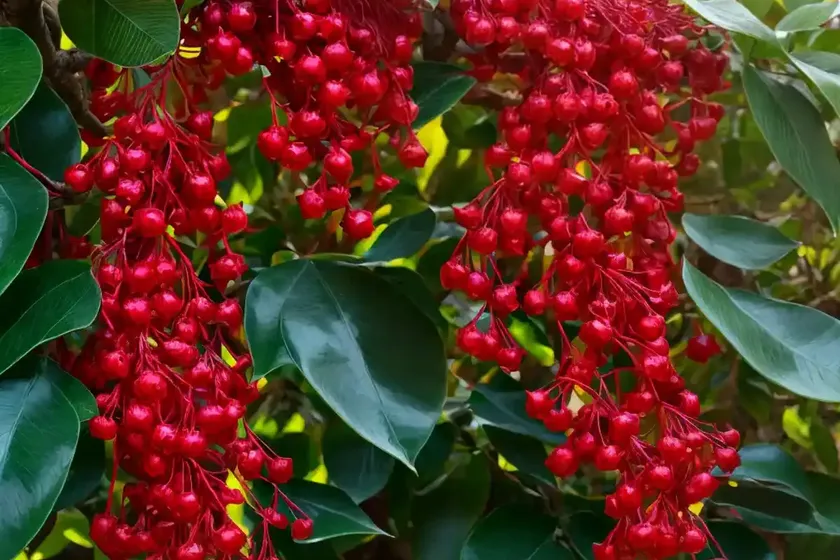
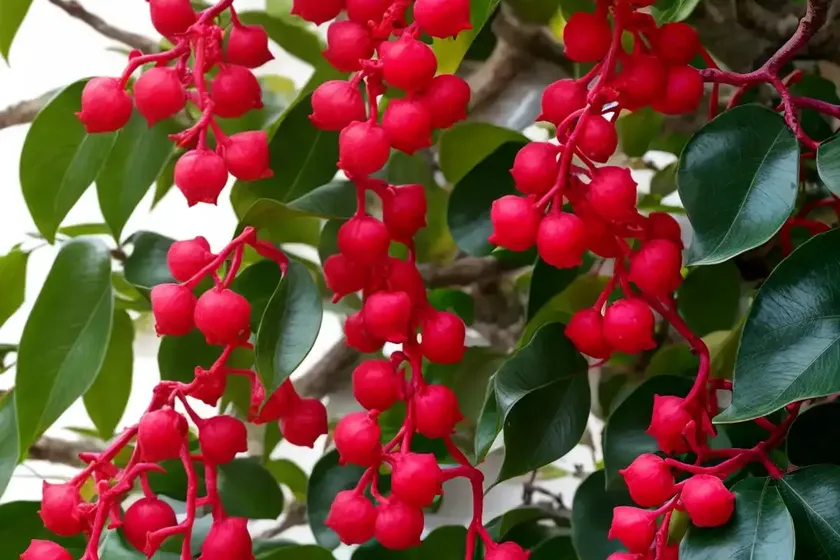
Schisandra chinensis, belonging to the family Schisandraceae, is a deciduous climbing vine that is highly valued for its vibrant red berries and aromatic foliage. It is a dioecious plant, meaning that male and female flowers are borne on separate plants. The plant’s berries are renowned for their unique flavor profile, which encompasses all five tastes: sweet, sour, salty, bitter, and pungent, earning it the nickname “Five Flavor Berry” in Chinese herbalism.
The historical significance of Schisandra chinensis extends beyond its culinary and ornamental appeal. It has been a staple in traditional Chinese medicine for centuries, where it is revered for its adaptogenic properties and is believed to promote overall health and vitality.
Key Takeaways – Schisandra chinensis (Magnolia Vine)
Before delving into the details of Schisandra chinensis, here are the key takeaways that will be explored in this comprehensive guide:
- Culture
-
Overview of the plant’s cultural significance and historical uses.
-
Uses
-
Exploration of the diverse uses of Schisandra chinensis, encompassing medicinal, culinary, and ornamental applications.
-
Water
-
Guidelines for effectively watering the Magnolia Vine plant for optimal growth and health.
-
Sunlight
-
Understanding the sunlight requirements crucial for the robust development of Schisandra chinensis.
-
Fertilizer
-
Insights into the fertilization needs of the Magnolia Vine and suitable fertilizers for nourishing the plant.
-
Soil
-
Recommendations for selecting and preparing the ideal soil for Schisandra chinensis cultivation.
-
Pruning
-
Techniques for pruning the plant to maintain its desired shape and promote fruit production.
-
Propagation
-
Methods for propagating Schisandra chinensis to expand your plant collection or share it with fellow gardening enthusiasts.
-
Container Popularity
-
Advantages and considerations for growing Magnolia Vine in containers.
-
Container Common Diseases
-
Identification and management of common diseases that affect container-grown Schisandra chinensis.
-
Disease Diagnosis
-
Recognizing symptoms of common diseases and implementing measures for disease prevention and control.
-
Common Pests
-
Identification and management of pests that can impact the health of the Magnolia Vine plant.
-
Botanist’s Tips
-
Insights and tips from botanists and horticultural experts for successful cultivation of Schisandra chinensis.
-
Fun Facts
-
Intriguing and lesser-known facts about the Magnolia Vine plant that showcase its unique characteristics and cultural significance.
-
Links to External Resources
- Further reading and external resources for an in-depth exploration of Schisandra chinensis.
Culture
Cultural Significance of Schisandra chinensis
Schisandra chinensis holds immense cultural significance, particularly in East Asian countries such as China and Japan. It has traditionally been revered for its medicinal properties, and its berries are regarded as a symbol of health and vitality. In Chinese medicine, Schisandra chinensis is classified as an adaptogen, a natural substance that is believed to help the body adapt to stress and promote balance. This has contributed to its widespread use in herbal remedies aimed at enhancing overall well-being.
Apart from its medicinal importance, Schisandra chinensis has also been integrated into traditional folklore and mythology. In some East Asian cultures, the plant is associated with legends and stories, adding to its mystique and cultural relevance.
Historical Uses
The historical uses of Schisandra chinensis are diverse and reflect the plant’s versatility. It has been utilized in traditional Chinese medicine for centuries, where it is prescribed for a wide range of health conditions, including fatigue, stress, and liver disorders. The berries of Schisandra chinensis are particularly valued for their purported adaptogenic and tonic properties, which are believed to fortify the body and enhance resilience.
Moreover, the berries of the Magnolia Vine plant have long been incorporated into culinary practices, especially in East Asia. They are used in traditional Chinese cuisine to prepare teas, preserves, and tonics, adding a unique flavor and nutritional benefits to the dishes.
Uses
Medicinal Uses
Adaptogenic Properties
Schisandra chinensis is renowned for its adaptogenic properties, which have made it a prized herb in traditional Chinese medicine. Adaptogens are natural substances that are believed to help the body adapt to stress and maintain physiological balance. As an adaptogen, Schisandra chinensis is purported to support the body’s resilience and overall vitality. It is commonly used to combat fatigue, boost mental clarity, and improve endurance.
Liver Health
In traditional herbalism, Schisandra chinensis is also associated with liver health. It is believed to have hepatoprotective effects, meaning that it may help protect the liver from damage and support its detoxification functions. This has led to its use in formulations aimed at promoting liver health and addressing liver-related concerns.
Mental Well-being
The use of Schisandra chinensis in herbal remedies is often linked to its potential to enhance cognitive function and mental well-being. It is regarded as a brain tonic and is used to support mental clarity, concentration, and memory.
Culinary Uses
Flavorful Berries
The berries of Schisandra chinensis are a prized ingredient in traditional Chinese cuisine. They are valued for their unique flavor profile, which encompasses all five tastes – sweet, sour, salty, bitter, and pungent. This distinctive blend of tastes makes the berries a sought-after addition to teas, preserves, and culinary dishes. The berries can be used to prepare a refreshing and aromatic tea, or they can be incorporated into jams, sauces, and desserts, imparting their complex and captivating flavors.
Nutritional Benefits
Apart from their flavor, the berries of Schisandra chinensis also offer nutritional benefits. They are a rich source of antioxidants, vitamins, and minerals, further enhancing their appeal in culinary use.
Ornamental Uses
Landscape Plant
In addition to its medicinal and culinary uses, Schisandra chinensis is also valued as an ornamental plant. Its climbing habit, lush foliage, and clusters of vibrant berries make it an eye-catching addition to gardens and landscapes. The plant’s ability to climb and cover trellises, arbors, and fences adds vertical interest to garden spaces and creates a charming visual impact.
Seasonal Interest
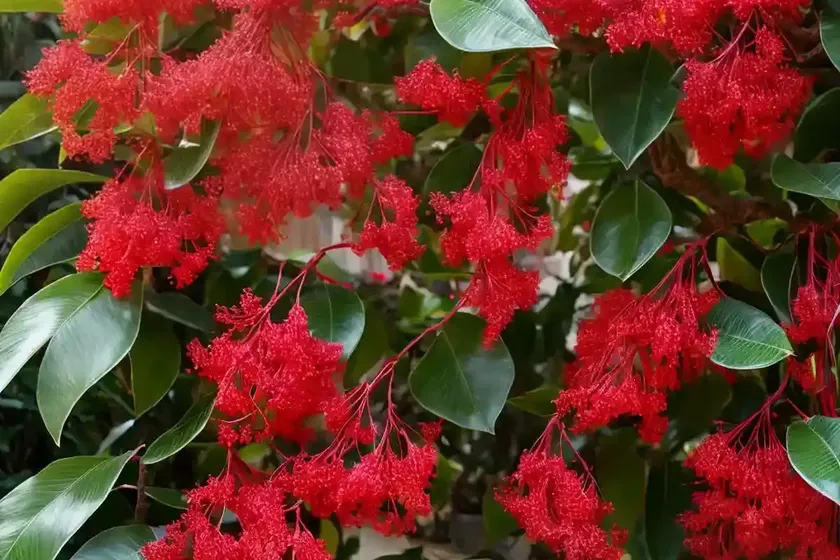
The ornamental appeal of Schisandra chinensis extends to its seasonal interest. In spring, the plant produces delicate, fragrant white flowers that transition into clusters of bright red berries in late summer and fall. This progression of blooms and fruits contributes to the plant’s visual appeal and adds variety to garden landscapes.
Water
Watering Guidelines
Effective watering is essential for the health and vitality of Schisandra chinensis. Proper moisture levels promote vigorous growth and fruit production, while also preventing water-related stress in the plant.
Well-Draining Soil
Schisandra chinensis thrives in well-draining soil, and it is crucial to maintain consistent soil moisture without waterlogging the root zone. The ideal approach is to water the plant thoroughly, allowing excess water to drain away. Once the top inch of soil feels dry to the touch, the plant can be watered again.
Moisture Considerations
During the growing season, Schisandra chinensis benefits from regular watering, especially during periods of dry weather. Adequate moisture is particularly vital for young plants and newly established vines, as they are more susceptible to water stress.
Drought Tolerance
While Schisandra chinensis appreciates consistent moisture, it also exhibits a degree of drought tolerance once established. Mature plants can withstand brief periods of drought, but prolonged water scarcity can impact the plant’s growth and fruit production.
Sunlight
Sunlight Requirements
Schisandra chinensis thrives in a position that receives ample sunlight, preferably partial shade to full sun. Adequate sunlight is crucial for promoting healthy growth, abundant blooming, and the development of flavorful berries.
Partial Shade
In regions with intense summer heat, providing partial shade during the hottest part of the day can protect the plant from sunburn and excessive heat stress. However, the plant should still receive several hours of direct sunlight to support its energy production and fruiting capacity.
Indoor Cultivation
For indoor cultivation, it is essential to position Schisandra chinensis in a well-lit area that receives bright, indirect sunlight. Placing the plant near a south-facing window or under supplemental grow lights can facilitate robust growth and flowering.
Fertilizer
Fertilization Needs
Appropriate fertilization supports the overall health and productivity of Schisandra chinensis. As a woody vine that expends substantial energy in producing fruits and foliage, it benefits from periodic fertilization during the growing season.
Balanced Fertilizer
A balanced fertilizer with a composition of N-P-K (nitrogen, phosphorus, and potassium) in the ratio of 10-10-10 or similar is suitable for Schisandra chinensis. This type of fertilizer provides a blend of essential nutrients that fortify the plant’s growth, flowering, and fruiting.
Application Frequency
Fertilizer can be applied to the plant in early spring, as new growth commences, and then again in early summer to sustain the plant’s nutrient requirements during the active growing period.
Avoiding Excess
It is important not to over-fertilize Schisandra chinensis, as excessive nutrients can lead to excessive vegetative growth at the expense of fruiting. Following the recommended application rates and guidelines is crucial for preventing fertilizer-induced imbalances.
Soil
Ideal Soil Composition
Selecting the right soil composition is critical for the successful cultivation of Schisandra chinensis. The plant thrives in fertile, well-draining soil that provides the necessary support and nourishment for robust growth.
Loamy Soil
A loamy soil type, characterized by a balanced blend of sand, silt, and clay, is well-suited to Schisandra chinensis. Loamy soil offers good drainage, ample aeration, and adequate moisture retention, creating favorable growing conditions for the plant.
pH Range
The ideal soil pH for Schisandra chinensis falls within the slightly acidic to neutral range, approximately 5.5 to 7.0. This pH range supports optimal nutrient uptake and ensures that essential minerals are readily available to the plant.
Organic Matter
Incorporating organic matter such as compost or well-rotted manure into the soil improves its structure and fertility. Organic matter enhances nutrient retention, promotes microbial activity, and contributes to the long-term health of the plant.
Pruning
Pruning Techniques
Pruning is a valuable practice for maintaining the health, vigor, and aesthetic appeal of Schisandra chinensis. Proper pruning helps manage the plant’s growth, shape, and fruiting, ensuring that it remains productive and visually pleasing.
Removing Deadwood
Regularly inspect the plant for dead, damaged, or diseased wood, and promptly remove these unhealthy elements. This minimizes the risk of disease spread and enhances the overall vitality of the plant.
Training Vines
Schisandra chinensis can be trained to climb trellises, arbors, or walls, and pruning helps to guide the growth of the vines. As the plant establishes its framework, selectively prune to encourage the desired form and structure, directing the growth and promoting flowering and fruiting along the trained supports.
Fruit Spur Pruning
To maintain optimal fruit production, consider performing fruit spur pruning on Schisandra chinensis. This involves thinning out excessive growth and eliminating overcrowded or weak fruiting wood, allowing the remaining spurs to develop robust berries.
Propagation
Propagation Methods
Schisandra chinensis can be propagated through several techniques, providing opportunities to expand your plant collection or share the plant with fellow gardening enthusiasts.
Seed Propagation
Propagating Schisandra chinensis from seeds is a viable method for conserving plant genetics or generating new plants. Seeds can be collected from ripe berries and sown in well-prepared seed-starting mix. Provide consistent moisture and warmth, and the seeds will germinate to produce new seedlings.
Layering
Layering is an effective propagation method for Schisandra chinensis, particularly when you want to propagate specific clones or variants. Select a healthy and flexible stem, and gently wound a section of the stem before burying it in a prepared rooting medium. Over time, roots will develop at the wounded area, and the rooted stem can be separated to form a new plant.
Softwood Cuttings
Softwood cuttings taken from young, vigorous shoots of Schisandra chinensis can be rooted to produce new plants. Select healthy cuttings with several nodes, remove the lower leaves, and place the cuttings in a rooting medium. With the appropriate care and conditions, the cuttings will root and develop into independent plants.
Container Popularity
Advantages of Container Cultivation
Growing Schisandra chinensis in containers offers several advantages and opens up opportunities for cultivating the plant in diverse settings.
Limited Space
For gardeners with limited outdoor space, container cultivation allows them to grow Schisandra chinensis on patios, balconies, or small urban gardens. The vine’s climbing habit makes it particularly suitable for vertical gardening and utilizing limited space effectively.
Mobility
Containers provide the flexibility to move Schisandra chinensis to optimal growing locations based on seasonal sunlight, temperature, and weather conditions. This adaptability enables gardeners to provide the plant with the most favorable environment throughout the year.
Pest Management
Container cultivation can serve as a strategy for managing pest infestations and diseases, as it allows for easier monitoring and control of potential issues. Additionally, it can prevent the spread of invasive roots in the garden, particularly for gardeners concerned about the potential for the plant to naturalize in their region.
Container Common Diseases
Disease Management in Containers
While container cultivation offers advantages in pest and disease management, it is important to remain vigilant for potential diseases that can affect Schisandra chinensis.
Root Rot
Over-watering or poorly draining soil in containers can predispose Schisandra chinensis to root rot diseases caused by fungi. To prevent root rot, ensure that the container has adequate drainage and that the plant is not subjected to prolonged waterlogged conditions.
Powdery Mildew
Powdery mildew, a common fungal disease, can affect Schisandra chinensis, particularly in humid conditions. Proper air circulation, controlled humidity, and the use of preventive fungicidal sprays can help manage and prevent powdery mildew in container-grown plants.
Leaf Spot
Fungal and bacterial leaf spot diseases can occasionally impact Schisandra chinensis in containers. Practice good sanitation, avoid overhead watering, and ensure that plants are not overcrowded, as these measures can reduce the risk of leaf spot diseases.
Disease Diagnosis
Recognizing Common Diseases
Diagnosing and identifying diseases early is crucial for implementing effective management strategies and preventing the spread of infections in Schisandra chinensis.
Symptoms of Root Rot
Signs of root rot in Schisandra chinensis include wilting, yellowing foliage, and stunted growth. Additionally, if the soil surrounding the plant smells foul and is excessively moist, it may indicate the presence of root rot pathogens.
Powdery Mildew Indicators
Powdery mildew can manifest as a white, powdery coating on the leaves and shoots of Schisandra chinensis. As the disease progresses, affected areas may become distorted or discolored, and premature leaf drop can occur.
Leaf Spot Characteristics
Leaf spot diseases in Schisandra chinensis are characterized by the presence of dark, water-soaked lesions on the foliage. These lesions may expand and coalesce, leading to widespread defoliation and reduced vitality in the plant.
Common Pests
Pest Identification
Several pests have the potential to affect Schisandra chinensis, and early detection is essential for minimizing their impact on the plant.
Aphids
Aphids are common pests that can infest Schisandra chinensis, particularly on new growth and the undersides of leaves. They can cause distortion, yellowing, and stunted growth in affected plants.
Spider Mites
Spider mites are microscopic pests that feed on the sap of Schisandra chinensis, leading to stippled or bronzed foliage. Severe infestations can cause substantial damage and weaken the plant.
Scale Insects
Scale insects can attach themselves to the stems and foliage of Schisandra chinensis, sucking sap and impairing the plant’s vigor. They often appear as small, immobile bumps with a waxy coating.
Botanist’s Tips
Insights from Botanists
-
Soil Preparation: Prior to planting Schisandra chinensis, amend the soil with organic matter such as compost to enhance its fertility and structure. This creates an ideal growing environment for the plant.
-
Training Vines: When training Schisandra chinensis to climb trellises or supports, gently guide the new growth to ensure that it follows the desired path. This encourages an aesthetically pleasing and manageable growth habit.
-
Monitoring Moisture: Regularly inspect the soil moisture level around Schisandra chinensis, particularly in containers. Adjust watering frequency based on the plant’s needs and the prevailing weather conditions.
-
Integrated Pest Management: Implement a holistic approach to pest management, incorporating natural predators, beneficial insects, and cultural controls to minimize the impact of pests on Schisandra chinensis.
Fun Facts
Intriguing Information about Schisandra chinensis
-
Adaptogenic Plant: Schisandra chinensis is classified as an adaptogen, a natural substance that is believed to help the body adapt to stress and promote physiological balance.
-
Five Flavor Berry: The berries of Schisandra chinensis are known as the “Five Flavor Berry” in traditional Chinese medicine due to their unique blend of sweet, sour, salty, bitter, and pungent tastes.
-
Culinary Delicacy: The berries of Schisandra chinensis are used in traditional Chinese cuisine to create teas, preserves, and tonics, imparting their distinctive flavors and nutritional benefits to culinary dishes.
-
Ornamental Charm: Schisandra chinensis is valued as an ornamental plant for its climbing habit, attractive foliage, and clusters of vibrant red berries, adding visual appeal to garden landscapes.
Links to External Resources
For further exploration of Schisandra chinensis, its cultivation, and cultural significance, consider referring to the following external resources:
- Royal Horticultural Society – Schisandra chinensis
- Missouri Botanical Garden – Schisandra chinensis
- [Plants for a Future – Schisandra chinensis](https://pfaf.org/user


