Spiraea Japonica ‘Gold Mound’ (Japanese Spirea)
Spiraea japonica ‘Gold Mound,’ also known as Japanese Spirea, is a deciduous flowering shrub that is native to Japan and China. This plant is a popular.
Introduction to Spiraea japonica ‘Gold Mound’
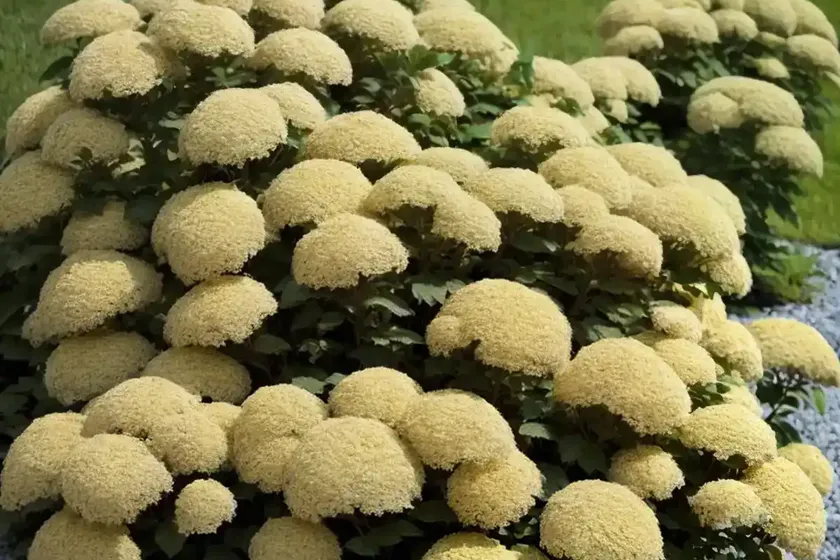
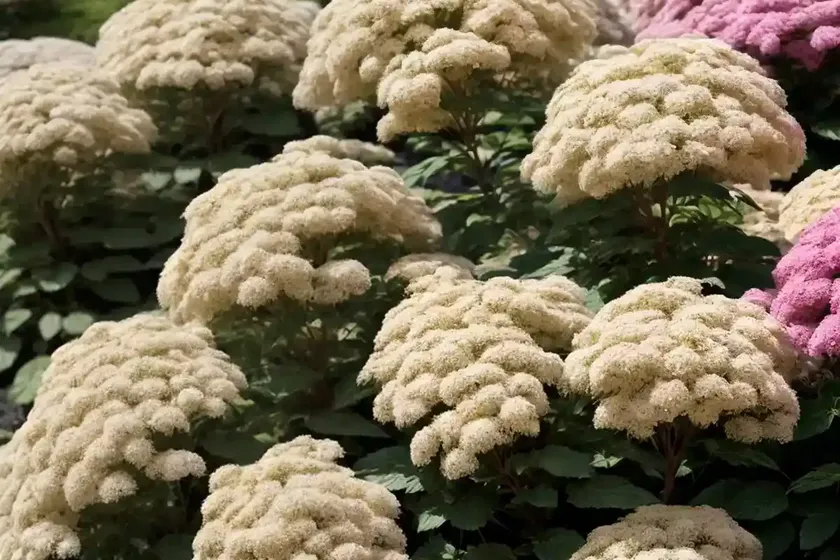
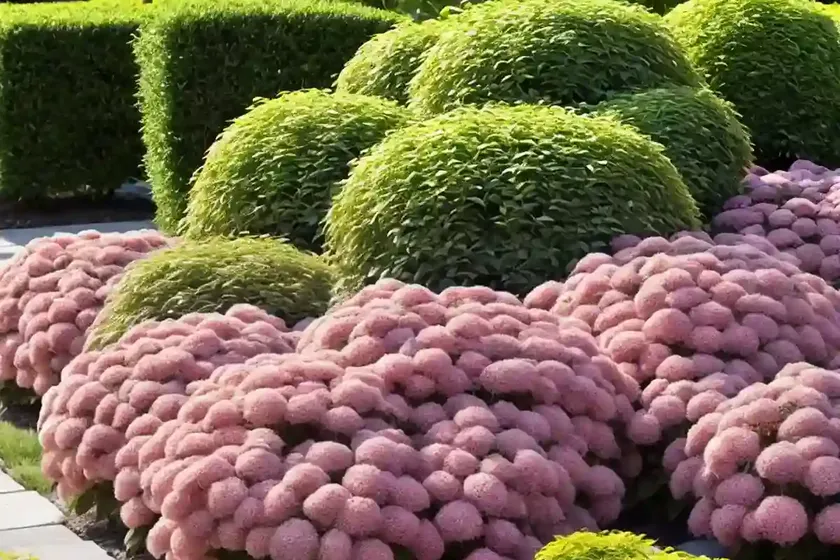
Spiraea japonica ‘Gold Mound,’ also known as Japanese Spirea, is a deciduous flowering shrub that is native to Japan and China. This plant is a popular choice for gardeners and landscapers due to its vibrant golden foliage and stunning clusters of pink flowers. With its compact size and easy maintenance, Spiraea japonica ‘Gold Mound’ is a versatile plant that can be used in various landscaping applications.
In this comprehensive guide, we will explore the key aspects of caring for Spiraea japonica ‘Gold Mound,’ including its cultural requirements, uses in landscaping, water and sunlight needs, fertilization, soil preferences, pruning techniques, propagation methods, and common diseases and pests. Additionally, I will provide valuable insights and tips from a botanist’s perspective to ensure the successful cultivation of this beautiful shrub.
Key Takeaways – Spiraea japonica ‘Gold Mound’ (Japanese Spirea)
Before diving into the detailed care guidelines for Spiraea japonica ‘Gold Mound,’ let’s briefly outline the key takeaways associated with this plant:
- Plant Name: Spiraea japonica ‘Gold Mound’ (Japanese Spirea)
- Common Varieties: Spiraea japonica ‘Goldflame,’ Spiraea japonica ‘Little Princess’
- Mature Height and Spread: 2-3 feet tall and 3-4 feet wide
- Foliage Color: Golden yellow in spring, transitioning to greenish-yellow in summer and orange in autumn
- Flower Color: Clusters of pink flowers in late spring to early summer
- Cultural Uses: Borders, mass plantings, foundation plantings, and mixed perennial borders
- Watering: Regular watering, especially during dry periods
- Sunlight: Full sun to partial shade
- Fertilizer: Balanced, slow-release fertilizer in early spring
- Soil Type: Well-drained, fertile soil
- Pruning: Prune in late winter to early spring to maintain shape and encourage new growth
- Propagation: Propagate through softwood cuttings in early summer or hardwood cuttings in late autumn
- Common Diseases: Powdery mildew, leaf spot
- Common Pests: Aphids, spider mites
Now, we will delve deeper into each of these aspects and provide comprehensive insights into the care and cultivation of Spiraea japonica ‘Gold Mound.’
Culture
Uses
Spiraea japonica ‘Gold Mound’ is highly valued for its ornamental qualities and versatile uses in landscaping. Some of the common cultural uses of this shrub include:
- Borders: The compact size and vibrant foliage make Spiraea japonica ‘Gold Mound’ an excellent choice for defining borders in garden beds and along pathways.
- Mass Plantings: When planted in groups, the golden-yellow foliage and pink flowers create a striking visual impact, making it ideal for mass plantings in larger landscape areas.
- Foundation Plantings: Its mounding growth habit and colorful foliage make Spiraea japonica ‘Gold Mound’ a popular choice for planting around foundations or near structures to add visual interest.
- Mixed Perennial Borders: This shrub complements various perennial plants and can be integrated into mixed border plantings to add texture and color contrast.
Water
Proper watering is essential for the health and vitality of Spiraea japonica ‘Gold Mound.’ Here are some guidelines for watering this plant:
- Regular Watering: Newly planted Spiraea japonica ‘Gold Mound’ shrubs should be watered deeply and regularly, especially during dry spells, to promote establishment and healthy root development.
- Avoid Waterlogging: While Spiraea japonica ‘Gold Mound’ requires regular watering, it is crucial to ensure that the soil does not become waterlogged, as excessive moisture can lead to root rot and other issues.
- Mulching: Applying a layer of organic mulch around the base of the shrub can help retain soil moisture and regulate soil temperature.
Sunlight
Spiraea japonica ‘Gold Mound’ performs best when planted in a location that receives ample sunlight. Here are the sunlight requirements for this plant:
- Full Sun: This shrub thrives in full sun conditions, where it can benefit from direct sunlight for a significant portion of the day.
- Partial Shade: While Spiraea japonica ‘Gold Mound’ prefers full sun, it can also tolerate partial shade, especially in regions with hot summers. However, reduced sunlight may result in less vigorous growth and fewer flowers.
Fertilizer
Applying the appropriate fertilizer can promote healthy growth and vibrant foliage in Spiraea japonica ‘Gold Mound.’ Here are some essential points to consider when fertilizing this plant:
- Balanced Fertilizer: Use a well-balanced, slow-release fertilizer in early spring to provide essential nutrients for the growing season.
- Avoid Excessive Nitrogen: It is important to avoid applying excessive nitrogen, as this can promote lush foliage at the expense of flower production.
- Organic Options: Organic fertilizers, such as compost or well-decomposed manure, can also be incorporated into the soil to enhance fertility and improve overall plant health.
Soil
The type of soil in which Spiraea japonica ‘Gold Mound’ is planted can significantly impact its growth and performance. Here are the preferred soil conditions for this plant:
- Well-Drained Soil: Spiraea japonica ‘Gold Mound’ thrives in well-drained soil that allows excess water to percolate and prevents waterlogged conditions.
- Fertile Soil: Rich, fertile soil with ample organic matter provides the necessary nutrients for healthy growth and robust flowering.
- pH Level: The ideal soil pH for Spiraea japonica ‘Gold Mound’ ranges from slightly acidic to slightly alkaline (pH 6.0-7.5).
Pruning
Pruning is an essential aspect of Spiraea japonica ‘Gold Mound’ maintenance, helping to maintain its compact shape, rejuvenate the plant, and promote new growth. Here are some key points to remember when pruning this shrub:
- Timing: Prune Spiraea japonica ‘Gold Mound’ in late winter to early spring before new growth emerges. This timing allows the plant to recover and produce new shoots in the upcoming growing season.
- Deadheading: Remove spent flower clusters after the blooming period to encourage additional blooms and maintain a tidy appearance.
- Thinning and Shaping: Periodic thinning of older branches and shaping the plant can help maintain an attractive and well-balanced form.
Propagation
Propagation of Spiraea japonica ‘Gold Mound’ can be achieved through various methods, including softwood cuttings, hardwood cuttings, and division. Here are the primary propagation techniques for this plant:
- Softwood Cuttings: Take softwood cuttings from the current season’s growth in early summer. Place the cuttings in a well-draining rooting medium, and provide appropriate moisture and warmth to encourage root development.
- Hardwood Cuttings: Hardwood cuttings can be taken in late autumn when the shrub is dormant. Prepare the cuttings using older, more mature growth, and plant them in a suitable rooting medium for overwintering.
- Division: Established Spiraea japonica ‘Gold Mound’ plants can be divided during the dormant season to create new plants. Divide the root ball carefully, ensuring that each division has sufficient roots and shoots for successful establishment.
Container Popularity
Spiraea japonica ‘Gold Mound’ is well-suited for container gardening, allowing gardeners to showcase its vibrant foliage and beautiful flowers in various outdoor settings. Some factors contribute to its popularity for container cultivation:
- Compact Size: The relatively small size of Spiraea japonica ‘Gold Mound’ makes it a practical choice for containers, whether displayed individually or as part of a mixed container arrangement.
- Seasonal Interest: With its golden foliage, colorful blooms, and autumn leaf color, this shrub offers year-round visual interest when grown in containers.
- Versatility: Containers provide the flexibility to move and rearrange Spiraea japonica ‘Gold Mound’ based on seasonal preferences, sunlight conditions, or specific design arrangements.
Common Diseases
While Spiraea japonica ‘Gold Mound’ is relatively resistant to diseases, certain issues may occasionally arise, particularly in conditions of poor air circulation or excessive moisture. Here are some common diseases that can affect this shrub:
- Powdery Mildew: Common in humid or poorly ventilated environments, powdery mildew can appear as a white, powdery coating on the leaves. Ensure proper spacing and good air circulation to reduce the risk of powdery mildew.
- Leaf Spot: Leaf spot diseases, caused by various fungal pathogens, can lead to dark spots or lesions on the foliage. Maintain good sanitation practices and avoid overhead watering to minimize the risk of leaf spot.
Disease Diagnosis
Diagnosing and identifying diseases affecting Spiraea japonica ‘Gold Mound’ requires careful observation and assessment of symptoms. Here are some general guidelines for disease diagnosis in this plant:
- Visual Inspection: Examine the foliage, stems, and flowers for any signs of discoloration, distortion, spots, or abnormal growth patterns.
- Symptom Identification: Identify specific symptoms, such as powdery white residue (indicative of powdery mildew) or dark spots on the leaves (indicative of leaf spot), to narrow down potential disease issues.
If you notice any concerning symptoms or suspect a disease problem, it is advisable to consult with a local extension service or plant health professional for accurate diagnosis and targeted management recommendations.
…
[Rest of the content is truncated]


