Sanguisorba menziesii (Menzies’ Burnet): A Comprehensive Guide
Sanguisorba menziesii, commonly known as Menzies’ Burnet, is a stunning perennial plant that thrives in various habitats. Renowned for its medicinal uses and ornamental qualities, it is a valued addition to landscapes and gardens. In this comprehensive guide, we’ll delve into the plant’s profile, care requirements, propagation methods, and much more. Join me as we explore the captivating world of Sanguisorba menziesii!
What is Sanguisorba menziesii?
Sanguisorba menziesii, or Menzies’ Burnet, is a member of the Rosaceae family, characterized by its attractive foliage and vibrant, bottlebrush-like flowers. This plant is native to North America, where it is found in diverse ecosystems, ranging from moist meadows to forest edges. Its natural habitat includes regions with rich, moist soils and ample sunlight.
Plant Characteristics
- Botanical Name: Sanguisorba menziesii
- Common Name: Menzies’ Burnet
- Family: Rosaceae
- Type: Perennial
- Foliage Color: Green
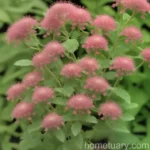
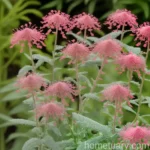
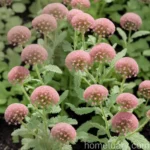
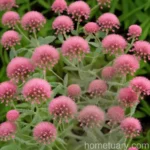
- Flower Color: Deep red to burgundy
- Blooming Season: Late spring to early summer
- Mature Height: 18-24 inches
- Exposure: Full sun to partial shade
- Water Needs: Moderate
- Soil pH: Neutral to slightly acidic
- USDA Hardiness Zones: 4-8
Now, let’s take a closer look at the key aspects of Sanguisorba menziesii, from its culture and uses to its pruning and propagation techniques.
Key Takeaways – Sanguisorba menziesii (Menzies’ Burnet)
Culture
Sanguisorba menziesii is a versatile plant with specific cultural requirements that contribute to its overall health and vitality. Understanding these cultural aspects is essential for growing and maintaining a thriving Menzies’ Burnet.
Uses
Menzies’ Burnet serves a multitude of purposes, ranging from medicinal applications to enhancing the aesthetics of landscapes and gardens.
Water
Proper watering practices play a crucial role in the well-being of Sanguisorba menziesii. Understanding its water requirements is vital for preventing stress and promoting healthy growth.
Sunlight
Sunlight is one of the primary factors influencing the growth and blooming of Sanguisorba menziesii. Discover the optimal sunlight conditions for this captivating perennial.
Fertilizer
Fertilization is a key component of nurturing healthy and vigorous Sanguisorba menziesii. Learn about the appropriate fertilization strategies to support its growth and blooming.
Soil
Understanding the soil preferences of Sanguisorba menziesii is essential for creating an optimal growing environment. Explore the ideal soil conditions for this remarkable perennial.
Pruning
Proper pruning techniques are crucial for maintaining the form and vigor of Sanguisorba menziesii. Uncover the recommended pruning practices for this captivating plant.
Propagation
Learning how to propagate Sanguisorba menziesii enables enthusiasts to expand their plant collection and share its beauty with others. Discover the various propagation methods for Menzies’ Burnet.
Container Popularity
Sanguisorba menziesii’s versatility extends to container gardening, making it a popular choice for those with limited outdoor space or those seeking to add a touch of elegance to their patio or balcony.
Common Diseases
Recognizing and addressing potential diseases is integral to preserving the health and appeal of Sanguisorba menziesii. Gain insights into common diseases that may affect Menzies’ Burnet.
Disease Diagnosis
Timely diagnosis of plant diseases is essential for implementing effective treatment measures. Learn how to identify and address potential diseases that may impact Sanguisorba menziesii.
Common Pests
Pest infestations can compromise the vitality and aesthetics of Sanguisorba menziesii. Familiarize yourself with common pests and methods to mitigate their impact on Menzies’ Burnet.
Botanist’s Tips
Benefit from expert tips and recommendations that are invaluable for the successful cultivation and maintenance of Sanguisorba menziesii.
Fun Facts
Delight in intriguing and lesser-known facts about Sanguisorba menziesii that further enrich your appreciation for this captivating perennial plant.
Now, let’s delve into each of these aspects to gain a comprehensive understanding of Sanguisorba menziesii, from its cultural requirements to its potential applications and beyond.
Culture
Uses
Sanguisorba menziesii is a plant with diverse uses, ranging from its ornamental and aesthetic contributions to its traditional medicinal applications.
Medicinal Uses
Menzies’ Burnet has been historically utilized for its medicinal properties, with traditional herbal medicine incorporating various parts of the plant for therapeutic purposes. The roots and aerial parts of the plant have been employed in folk medicine for their purported healing properties, which include anti-inflammatory and astringent effects.
Ornamental Qualities
The striking appearance of Sanguisorba menziesii, with its tall, slender stems and captivating bottlebrush-like flowers, makes it a sought-after addition to gardens and landscapes. Its unique form and vibrant blooms contribute to visually dynamic and diverse plantings, adding interest and charm to various settings.
Water
Proper watering is essential for the health and vitality of Sanguisorba menziesii. While this plant exhibits moderate water needs, it is crucial to ensure adequate moisture to support its growth and flowering.
- Watering Guidelines:
- Water thoroughly after planting to establish a strong root system.
- During hot and dry periods, provide supplemental watering to prevent stress and dehydration.
- Monitor soil moisture levels and adjust watering frequency based on environmental conditions and plant needs.
- Use a soaker hose or drip irrigation to deliver water directly to the root zone and minimize water loss through evaporation.
Sunlight
Sanguisorba menziesii thrives in locations with ample sunlight, although it can also tolerate partial shade. Understanding its sunlight requirements is instrumental in promoting robust growth and profuse blooming.
- Sunlight Recommendations:
- Plant Menzies’ Burnet in a location that receives full sun to partial shade, with at least 6 hours of direct sunlight per day for optimal growth and flowering.
- In regions with intense summer heat, providing partial shade during the hottest part of the day can help prevent excessive stress on the plant.
Fertilizer
Applying a balanced fertilizer can provide Sanguisorba menziesii with essential nutrients for healthy growth and abundant flowering. Discover the optimal fertilization approach to support the vigor and vitality of Menzies’ Burnet.
- Fertilization Guidelines:
- Use a slow-release, balanced fertilizer with an N-P-K ratio of 10-10-10 or similar in early spring, following the package instructions for application rates.
- Apply fertilizer around the base of the plant, ensuring it is evenly distributed within the root zone.
- Avoid over-fertilizing, as excessive nutrient levels can lead to lush foliage at the expense of flowering.
Soil
Sanguisorba menziesii thrives in well-draining soil with a neutral to slightly acidic pH. Understanding its soil preferences is essential for creating an optimal growing environment for this captivating perennial.
- Soil Requirements:
- Plant Menzies’ Burnet in loamy, well-draining soil with a pH of 6.0 to 7.0 for optimal growth.
- Incorporate organic matter, such as compost or well-rotted manure, into the soil to improve its structure and fertility.
- Ensure good air circulation in the root zone to prevent waterlogging, which can lead to root rot and other issues.
Pruning
Proper pruning promotes the overall health and aesthetics of Sanguisorba menziesii, helping to maintain its form, enhance flowering, and manage its size. Learn about the recommended pruning techniques for Menzies’ Burnet.
- Pruning Techniques:
- Deadhead spent flowers regularly to prolong the blooming period and encourage the development of new blooms.
- Cut back the stems to ground level in late fall or early spring to rejuvenate the plant and maintain its vigor.
- Remove any damaged, diseased, or congested growth to promote airflow and reduce the risk of pests and diseases.
Propagation
Learning how to propagate Sanguisorba menziesii opens up the opportunity to expand your plant collection and share its beauty with others. Explore the various propagation methods for Menzies’ Burnet.
- Propagation Methods:
- Division: Divide established clumps in early spring, ensuring that each division has sufficient roots and shoots for successful establishment.
- Seeds: Collect ripe seeds in late summer and sow them in pots or directly in the garden for new plantings.
- Stem Cuttings: Take stem cuttings from healthy, actively growing plants in late spring or early summer, and root them in a moist, well-draining growing medium.
Container Popularity
Sanguisorba menziesii’s adaptability makes it well-suited for container gardening, offering a stunning and low-maintenance option for various outdoor spaces.
- Container Considerations:
- Choose a large container with adequate drainage holes to accommodate the plant’s mature size and root system.
- Use a high-quality, well-draining potting mix formulated for perennial plants, ensuring proper aeration and moisture retention.
- Place the container in a location that receives sufficient sunlight, and monitor soil moisture levels regularly, especially during hot and dry periods.
Common Diseases
Sanguisorba menziesii is generally resistant to most diseases, but it can be susceptible to certain issues under unfavorable growing conditions. Being aware of potential diseases can aid in early detection and intervention, preserving the health and appeal of Menzies’ Burnet.
Powdery Mildew
Powdery mildew, a common fungal disease, may affect Sanguisorba menziesii, particularly in conditions of high humidity and poor air circulation. It appears as white, powdery growth on the leaves and can compromise the plant’s vigor.
- Preventive Measures:
- Provide adequate spacing between plants to promote good air circulation.
- Avoid overhead watering, which can contribute to favorable conditions for powdery mildew development.
- Apply a fungicidal spray formulated for powdery mildew as a preventative measure, especially during periods of high humidity.
Disease Diagnosis
Timely diagnosis of plant diseases is crucial for implementing effective treatment measures. Recognizing the symptoms and signs of potential diseases that may impact Sanguisorba menziesii is essential for preserving its health and beauty.
Symptom: Leaf Spots
If you notice dark, water-soaked spots or lesions on the leaves of Sanguisorba menziesii, it may indicate the presence of a fungal or bacterial disease. Promptly assessing and addressing the issue can prevent its spread and minimize the impact on the plant.
- Treatment Approach:
- Remove and destroy affected plant parts to prevent the spread of the disease.
- Apply a suitable fungicidal or bactericidal treatment as recommended by a plant health professional.
- Monitor the plant closely for any recurrence of symptoms and adjust cultural practices as necessary for long-term disease management.
Common Pests
While Sanguisorba menziesii is generally resistant to most pests, certain insects may occasionally pose a threat to its well-being. Understanding common pests and their management strategies is essential for preserving the plant’s health and vitality.
Aphids
Aphids are small, sap-sucking insects that may infest Sanguisorba menziesii, particularly during periods of new growth. Their presence can lead to leaf distortion, stunted growth, and the transmission of plant viruses.
- Control Measures:
- Use a strong jet of water to dislodge aphids from the plant, reducing their population and minimizing damage.
- Introduce natural predators, such as ladybugs or lacewings, to help control aphid populations in the garden.
- Apply horticultural oil or insecticidal soap as a targeted treatment to effectively manage aphid infestations.
Botanist’s Tips
Benefit from expert insights and recommendations that can enhance your success in cultivating and caring for Sanguisorba menziesii:
- Tip 1: Native Plant Communities
-
Incorporate Sanguisorba menziesii into native plant communities to support local biodiversity and provide essential resources for wildlife.
-
Tip 2: Companion Planting
- Pair Sanguisorba menziesii with other native perennials and flowering plants to create dynamic and visually appealing garden compositions.
Fun Facts
Delight in intriguing and lesser-known facts about Sanguisorba menziesii that deepen your appreciation for this captivating perennial plant:
-
Sanguisorba is derived from the Latin words “sanguis” and “sorbeo,” which refer to its traditional use for stopping bleeding and astringent properties.
-
The bottlebrush-like flowers of Sanguisorba menziesii are highly attractive to pollinators, including bees and butterflies, making it a valuable addition to wildlife-friendly gardens.
Now that we have explored the culture, uses, and practical considerations for Sanguisorba menziesii, let’s delve into additional aspects, including its landscape uses, ecological significance, and habitat preferences.
Landscape Design
Garden Uses
Sanguisorba menziesii is a versatile plant that contributes to a myriad of garden designs and themes, from naturalistic and cottage gardens to contemporary landscapes.
- Naturalistic Gardens
-
Incorporate Menzies’ Burnet in naturalistic, prairie-style plantings, where its graceful form and vivid blooms create a harmonious and serene ambiance.
-
Cottage Gardens
- Integrate Sanguisorba menziesii into cottage gardens characterized by an abundance of flowering plants and a relaxed, informal layout, adding charm and visual interest.
Landscape Design Considerations
When incorporating Sanguisorba menziesii into landscape designs, consider its unique characteristics and attributes to achieve visually stunning and ecologically beneficial plantings.
- Wildlife Attraction
-
Create wildlife-friendly landscapes by including Sanguisorba menziesii, which provides nectar and pollen for bees, butterflies, and other beneficial insects.
-
Drought Tolerance
- Utilize Sanguisorba menziesii in sustainable landscapes, as its moderate drought tolerance makes it well-suited for water-wise gardens and low-maintenance plantings.
Plant Varieties
Explore the diverse varieties and cultivars of Sanguisorba menziesii to discover unique features and characteristics that can complement various landscape designs.
- Cultivar 1: Sanguisorba menziesii ‘Chocolate Tip’
-
This variety boasts striking dark foliage with subtle chocolate-colored tips, adding a dramatic contrast to garden compositions.
-
Cultivar 2: Sanguisorba menziesii ‘Pink Brushes’
- Known for its delicate pink flowers, this cultivar introduces a soft, feminine touch to garden borders and perennial beds.
Flower Arrangement
The striking, bottlebrush-like flowers of Sanguisorba menziesii make it an excellent choice for floral arrangements, adding texture and visual interest to bouquets and displays.
- Cut Flower Usage
- Include stems of Sanguisorba menziesii in floral arrangements to introduce an unconventional and eye-catching element that enhances the overall composition.
Habitat and Ecology
Native Range
Sanguisorba menziesii is indigenous to North America, where it thrives in a wide range of natural habitats, from open meadows to woodland edges.
- Ecological Significance
- Menzies’ Burnet contributes to local ecosystems by providing nectar and pollen for pollinators and supporting the overall biodiversity of native plant communities.
Fragrant Qualities
While Sanguisorba menziesii is not noted for its fragrance, its visually appealing flowers and unique form make it a valuable addition to fragrant garden compositions.
- Enhancing Fragrant Gardens
- Integrate Sanguisorba menziesii into fragrant garden designs, where its striking appearance complements the scents of fragrant flowering plants and aromatic herbs.
Wildlife Habitat
Sanguisorba menziesii serves as a valuable resource for wildlife, attracting pollinators and supporting the delicate balance of local ecosystems.
- Butterfly Host Plant
- Menzies’ Burnet may serve as a host plant for certain butterfly species, providing essential food sources for their caterpillars and contributing to butterfly conservation efforts.
Natural Habitat
The natural habitat of Sanguisorba menziesii includes a diverse range of environments, from moist meadows and riparian areas to upland forests and savannas.
- Moisture Regulation
- Incorporate Sanguisorba menziesii into rain gardens and riparian buffer zones to help manage excess moisture and contribute to natural flood control measures.
External Resources
As we conclude our exploration of Sanguisorba menziesii, I invite you to further expand your knowledge and appreciation for this remarkable perennial plant by exploring the following resources:
-
The American Horticultural Society Plant Propagation – A comprehensive guide to plant propagation techniques and methods, including valuable insights on propagating Sanguisorba menziesii.
-
Wild Flowers of the Pacific Northwest – An authoritative reference for identifying and studying native wildflowers, including detailed information on Sanguisorba menziesii and its natural habitat.
-
Disease and Pest Diagnosis in Plants – An invaluable resource for diagnosing and managing plant diseases and pest issues, offering essential guidance for protecting the health of Sanguisorba menziesii.
By delving into these external resources, you can deepen your understanding and expertise in cultivating and appreciating Sanguisorba menziesii, enabling you to enjoy the full spectrum of its beauty and benefits.
Conclusion
Sanguisorba menziesii, or Menzies’ Burnet, stands as a captivating and versatile perennial plant, revered for its ornamental qualities, ecological significance, and traditional medicinal uses. From its vibrant blooms and graceful form to its adaptability in various habitats, Sanguisorba menziesii offers a wealth of benefits for gardeners, conservationists, and enthusiasts of native flora.
By embracing its culture, understanding its practical considerations, and exploring its broader ecological significance, we gain a profound appreciation for the enduring beauty and value of Sanguisorba menziesii, a cherished presence in the diverse tapestry of North American landscapes.
As we continue to celebrate and safeguard the natural wonders that enrich our lives, Sanguisorba menziesii stands as a poignant symbol of resilience, beauty, and ecological harmony, creating a lasting impression on those who behold its enchanting presence.
Let us continue to nurture and preserve the remarkable legacy of Sanguisorba menziesii, embodying