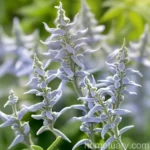
What is Meadow Sage ‘Indigo’ (Salvia pratensis ‘Indigo’)?
Meadow Sage ‘Indigo’ (Salvia pratensis ‘Indigo’) is a stunning, ornamental perennial plant known for its vibrant blooms and its ability to attract pollinators. This beautiful plant belongs to the Salvia genus, which comprises a diverse group of herbaceous and woody plants that are widely cultivated for their ornamental and medicinal properties. Meadow Sage ‘Indigo’ is a popular choice for gardeners seeking to add a splash of color to their gardens while also supporting local pollinator populations.
The following sections will delve into the key aspects of this remarkable plant, including its characteristics, cultural requirements, uses, and maintenance tips, providing valuable insights for both novice and experienced gardeners.
Key Takeaways – Salvia pratensis ‘Indigo’ (Meadow Sage)
Here are some key takeaways about Salvia pratensis ‘Indigo’:
- Botanical Name: Salvia pratensis ‘Indigo’
- Common Name: Meadow Sage ‘Indigo’
- Plant Type: Herbaceous perennial
- Blooms: Showy indigo-blue flowers
- Habitat: Typically found in meadows, grasslands, and open woodlands
- Growth Habit: Clump-forming, upright
- Foliage: Deep green, lance-shaped
- Growth Zones: Suitable for USDA Hardiness Zones 4-8
- Attributes: Attracts pollinators, excellent cut flower, deer-resistant
- Maintenance: Low-maintenance, long blooming period
Now, let’s explore each of these aspects in more detail to gain a comprehensive understanding of Meadow Sage ‘Indigo’.
Culture
Uses
Salvia pratensis ‘Indigo’ holds a special place in gardening landscapes and is valued for the following uses:
-
Ornamental Purposes: Meadow Sage ‘Indigo’ is primarily grown for its visually striking and long-lasting blooms, which make it an excellent addition to perennial borders, mixed herbaceous borders, cottage gardens, and rock gardens. The indigo-blue flowers serve as a colorful focal point in the garden and can be used in cut flower arrangements to bring the beauty of the outdoors indoors.
-
Wildlife Gardens: The nectar-rich blooms of Meadow Sage ‘Indigo’ attract a variety of pollinators, including bees, butterflies, and hummingbirds, making it an invaluable addition to wildlife-friendly gardens. By planting Salvia pratensis ‘Indigo’, gardeners can contribute to the support and conservation of pollinator populations within their local ecosystems.
-
Medicinal Uses: Salvia species have a long history of medicinal use, and while Meadow Sage ‘Indigo’ is primarily grown for ornamental purposes, some gardeners may choose to explore traditional and modern medicinal applications of the plant.
Water
When it comes to watering Meadow Sage ‘Indigo’, it is essential to strike a balance, as this plant prefers moist, well-drained soil. Overwatering can lead to root rot and other moisture-related issues, while inadequate watering can result in stressed and limited blooming. As a general rule of thumb, it is advisable to water the plant deeply but infrequently, especially during dry spells. A layer of organic mulch can help retain soil moisture and regulate the temperature around the roots.
Sunlight
Meadow Sage ‘Indigo’ thrives in full sun to partial shade, making it a versatile addition to a range of garden settings. In areas with hot summers, providing some afternoon shade can offer protection from excessive heat and help prolong the blooming period. However, for optimal flowering and overall vigor, a minimum of 6 hours of direct sunlight per day is generally recommended.
Fertilizer
When it comes to fertilizing Meadow Sage ‘Indigo’, a balanced and organic approach is often the most beneficial. Prior to planting, amending the soil with well-rotted compost or aged manure can provide the plant with essential nutrients and improve soil structure. During the growing season, a light application of a balanced, slow-release fertilizer can help support healthy growth and abundant flowering without leading to excessive vegetative development.
Soil
Salvia pratensis ‘Indigo’ thrives in well-drained, moderately fertile soil with a slightly alkaline to neutral pH. While it is adaptable to various soil types, ensuring good drainage is crucial, as waterlogged conditions can compromise the plant’s health and vitality. Additionally, incorporating organic matter into the soil can enhance its fertility and improve its overall structure, ultimately benefiting the growth and performance of Meadow Sage ‘Indigo’.
Pruning
Proper pruning plays a critical role in maintaining the health, appearance, and longevity of Meadow Sage ‘Indigo’. The following pruning guidelines can help gardeners optimize the performance of this perennial plant:
-
Deadheading: Regular deadheading – removing spent flowers – can encourage prolonged blooming and prevent the formation of seeds, thus promoting the continuous production of fresh blooms throughout the growing season.
-
Cutting back: In early spring, trimming the plant back to its basal foliage can help stimulate new growth and rejuvenate the plant for the upcoming growing season. Additionally, removing any leggy or unsightly growth can enhance the overall aesthetics of the plant.
-
Division: Every few years, dividing mature clumps of Meadow Sage ‘Indigo’ can help invigorate the plant, control its size, and prevent overcrowding. Division is typically carried out in early spring or late summer, ensuring that each new division retains a healthy root system and adequate foliage.
Propagation
Propagating Meadow Sage ‘Indigo’ can be a rewarding endeavor for gardeners seeking to expand their plant collection or share this beautiful plant with friends and fellow enthusiasts. The following methods can be employed for successful propagation:
-
Seed Propagation: Meadow Sage ‘Indigo’ can be propagated from seeds, which are typically sown indoors in late winter to early spring. The seeds should be sown in a well-draining seed starting mix, kept consistently moist, and provided with bright, indirect light until they germinate. Once the seedlings have developed several sets of true leaves, they can be gradually acclimated to outdoor conditions and transplanted into the garden.
-
Division: As mentioned earlier, dividing established clumps of Meadow Sage ‘Indigo’ is an effective method of propagation. This can be done in early spring or late summer, ensuring that each division possesses viable roots and healthy growth points.
-
Cutting Propagation: Stem cuttings can also be utilized to propagate Meadow Sage ‘Indigo’. By taking 4-6 inch cuttings from the plant’s healthy, non-flowering shoots and treating them with a rooting hormone, gardeners can encourage the development of new roots. Once rooted, the cuttings can be potted up and nurtured until they are ready for transplanting.
Container Popularity
While Meadow Sage ‘Indigo’ is commonly grown in garden beds and borders, it also thrives in containers, making it a versatile option for both garden and patio settings. The striking indigo-blue flowers and lush foliage of this plant can create eye-catching container displays, adding a burst of color to outdoor living spaces, balconies, and patios. When growing Meadow Sage ‘Indigo’ in containers, it is essential to select a well-draining potting mix, provide adequate water and sunlight, and monitor the plant’s growth to prevent it from becoming root-bound.
Common Diseases
Similar to many garden plants, Meadow Sage ‘Indigo’ is susceptible to certain diseases and health issues. Understanding common diseases and their prevention and management can help gardeners promote the overall health and vigor of this beautiful plant. Some common diseases that may affect Meadow Sage ‘Indigo’ include:
-
Powdery Mildew: This fungal disease presents as a white, powdery growth on the plant’s foliage, leading to reduced photosynthesis and overall plant vitality. To prevent powdery mildew, it is advisable to provide good air circulation, avoid overhead watering, and select mildew-resistant varieties where possible.
-
Root Rot: Prolonged wet conditions can contribute to the development of root rot in Meadow Sage ‘Indigo’. To minimize the risk of root rot, ensuring well-drained soil and avoiding overwatering are crucial. Additionally, removing and disposing of infected plants and maintaining proper soil hygiene can help prevent the spread of this disease.
-
Gray Mold (Botrytis): Gray mold can affect the flowers, stems, and foliage of Meadow Sage ‘Indigo’, causing a fuzzy, grayish fungal growth. Proper sanitation, adequate spacing between plants, and avoidance of overhead watering can help reduce the risk of gray mold and minimize its impact on the plant.
By staying vigilant and addressing any signs of disease promptly, gardeners can take proactive measures to protect their Meadow Sage ‘Indigo’ plants and minimize the impact of potential diseases.
Disease Diagnosis
When observing potential signs of disease or stress in Meadow Sage ‘Indigo’, a systematic diagnosis approach is beneficial for identifying and addressing the underlying issues. The following steps can guide gardeners in diagnosing potential diseases affecting their plants:
-
Symptom Observation: Carefully observing the plant for symptoms such as leaf discoloration, wilting, abnormal growths, or unusual patterns can provide valuable clues about the nature of the problem.
-
Environmental Assessment: Considering environmental factors such as soil moisture, sunlight exposure, and air circulation can help determine if the plant’s symptoms are linked to abiotic stressors or disease pressure.
-
Pathogen Examination: Where applicable, inspecting the plant for signs of pathogens, including fungal growth, bacterial lesions, or pest activity, can aid in identifying the specific disease affecting the plant.
-
Consultation and Research: Seeking advice from local agricultural extension services, plant diagnostic laboratories, or trusted horticultural resources can provide expert guidance on disease identification and management strategies.
By taking a proactive and informed approach to disease diagnosis, gardeners can better protect their Meadow Sage ‘Indigo’ plants and maintain their overall health and resilience.
Common Pests
In addition to diseases, Meadow Sage ‘Indigo’ can also be susceptible to various pests that may impact its growth and performance. Understanding the common pests that may affect this plant and implementing appropriate pest management strategies can help preserve its vitality. Some common pests that may pose a threat to Meadow Sage ‘Indigo’ include:
-
Aphids: These small, sap-sucking insects can congregate on the plant’s tender shoots and flower buds, leading to distorted growth and the development of sticky honeydew. Regular monitoring and the introduction of natural predators such as ladybugs can help control aphid populations.
-
Spider Mites: Spider mites are tiny arachnids that can cause stippling and discoloration on the plant’s foliage by piercing and feeding on the plant cells. Increasing humidity, regular foliage misting, and the introduction of predatory mites can aid in managing spider mite infestations.
-
Slugs and Snails: These voracious herbivores can feed on the tender foliage of Meadow Sage ‘Indigo’, leaving behind distinctive feeding marks and slime trails. Implementing physical barriers, such as copper tape or diatomaceous earth, and encouraging natural predators such as ground beetles can help protect the plant from slug and snail damage.
By remaining vigilant, implementing integrated pest management practices, and fostering a healthy garden ecosystem, gardeners can effectively mitigate the impact of common pests on their Meadow Sage ‘Indigo’ plants.
Botanist’s Tips
To ensure the successful cultivation of Meadow Sage ‘Indigo’ and the optimal performance of this captivating plant, the following botanist’s tips can serve as a valuable guide for gardeners:
-
Plant Selection: When selecting Meadow Sage ‘Indigo’ plants for the garden, opt for healthy, well-branched specimens with vibrant foliage and signs of vigorous growth. Choosing high-quality plants from reputable sources can set the stage for successful cultivation and long-term enjoyment of this perennial beauty.
-
Soil Preparation: Prior to planting Meadow Sage ‘Indigo’, amending the soil with organic matter such as compost, well-rotted manure, or peat moss can enhance its fertility, drainage, and overall structure. Soil preparation is a critical step that can lay the foundation for healthy plant growth and development.
-
Mulching: Applying a layer of organic mulch around the base of Meadow Sage ‘Indigo’ can provide numerous benefits, including moisture regulation, weed suppression, and soil insulation. Organic mulch materials such as shredded bark, cocoa bean hulls, or straw can help conserve soil moisture and create a favorable microclimate for the plant.
-
Adequate Watering: While maintaining consistent soil moisture is important for Meadow Sage ‘Indigo’, it is equally essential to avoid waterlogged conditions and overwatering. When watering the plant, aim to deliver deep, thorough irrigation to encourage robust root development and overall plant resilience.
-
Seasonal Care: Providing appropriate care throughout the seasons, including regular watering, fertilization, and pruning as needed, can support the ongoing health and performance of Meadow Sage ‘Indigo’ and ensure its enduring beauty in the garden.
By incorporating these botanist’s tips into the cultivation and maintenance of Meadow Sage ‘Indigo’, gardeners can foster thriving, floriferous plants that enrich their outdoor spaces and contribute to the local ecosystem.
Fun Facts
-
Butterfly Magnet: The vibrant indigo blooms of Meadow Sage ‘Indigo’ are irresistible to butterflies, making the plant a delightful addition to butterfly gardens and habitats. By attracting these beautiful pollinators, Meadow Sage ‘Indigo’ adds vibrancy and life to the garden landscape.
-
Deer-Resistant: Meadow Sage ‘Indigo’ is known for its resistance to deer browsing, making it an excellent choice for gardens located in deer-prone areas.
-
Long Blooming Period: When provided with proper care and growing conditions, Meadow Sage ‘Indigo’ can exhibit a long blooming period, offering a continuous display of captivating indigo-blue flowers throughout the season.
-
Heritage and Tradition: Salvia species, including Meadow Sage ‘Indigo’, have been revered in various cultures and traditions for their ornamental, aromatic, and medicinal properties, adding a layer of historical significance to the plant’s presence in gardens.
Given its captivating characteristics and the myriad of benefits it offers, Meadow Sage ‘Indigo’ is undoubtedly a standout perennial plant that shines in a variety of garden settings, from formal landscapes to naturalistic plantings.
Links to External Resources
For further information on Meadow Sage ‘Indigo’ and related topics, the following external resources can offer valuable insights and guidance:
- Royal Horticultural Society – Salvia pratensis ‘Indigo’
- University of Wisconsin-Madison Extension – Growing Salvia
- American Horticultural Society – Salvia Growing Guide
- The Spruce – Meadow Sage Growing Tips
These resources provide comprehensive information on gardening, plant care, and specific details related to Meadow Sage ‘Indigo’, offering a wealth of knowledge for both novice and experienced gardeners.
In conclusion, the allure of Meadow Sage ‘Indigo’ lies not only in its captivating indigo-blue blooms but also in its versatility, ease of care, and significant contributions to garden ecology. By embracing this enchanting perennial plant in the garden, gardeners can elevate the beauty of their outdoor spaces while providing valuable support to pollinators and enjoying the numerous pleasures that Meadow Sage ‘Indigo’ has to offer.
As a plant scientist, I find great joy in sharing the wonders of Meadow Sage ‘Indigo’ and empowering fellow enthusiasts to cultivate and appreciate this extraordinary plant. Whether planted in ornamental beds, wildlife gardens, or container displays, Meadow Sage ‘Indigo’ stands as a testament to the enduring charm and ecological importance of garden flora.
Let the vibrant indigo blooms of Meadow Sage ‘Indigo’ grace your garden, enchant your senses, and inspire a profound connection to the natural world.