Tibouchina Urvilleana (Princess Flower)
Tibouchina urvilleana, more commonly known as Princess Flower, is a striking ornamental plant celebrated for its vibrant purple blossoms and lush foliage..
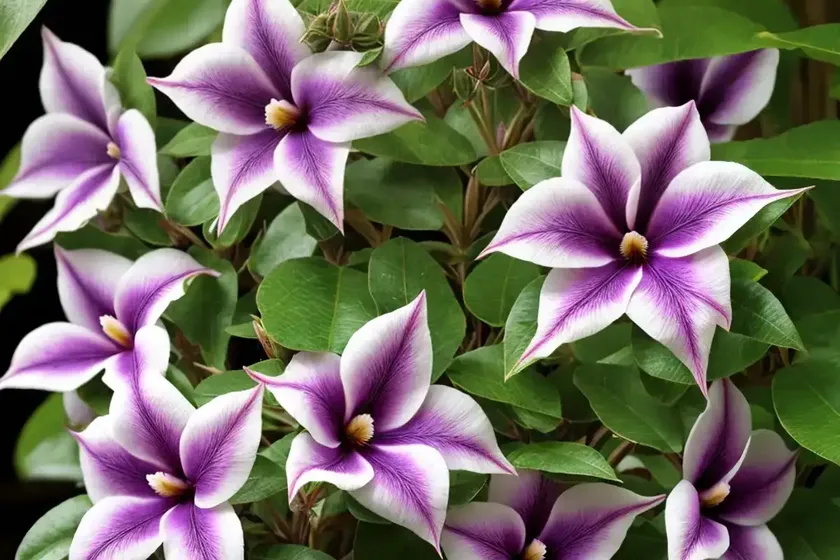
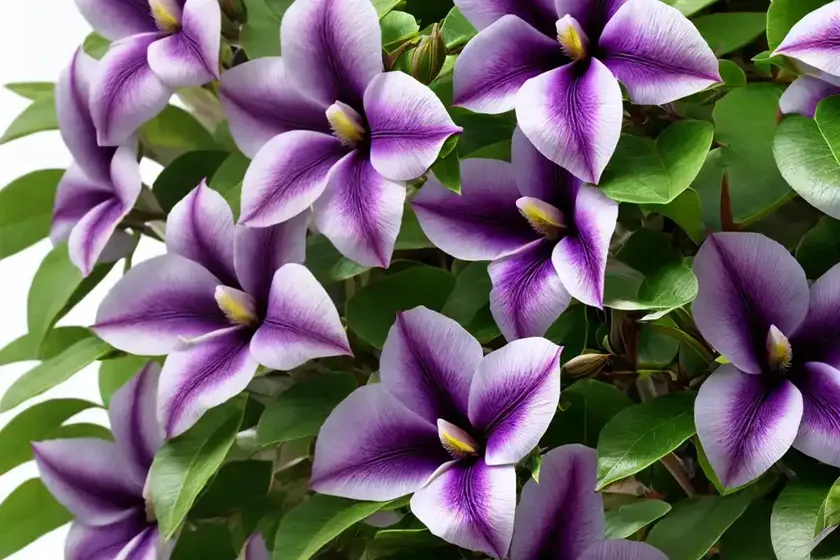
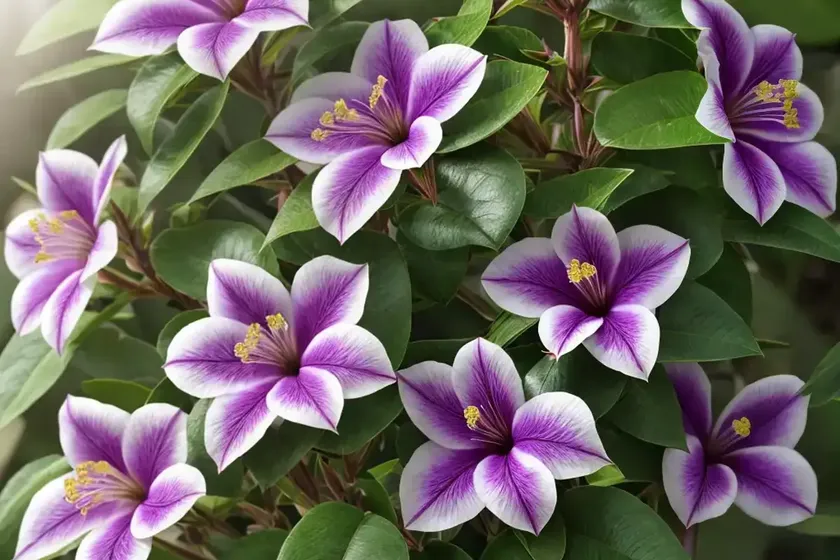
Tibouchina urvilleana, more commonly known as Princess Flower, is a striking ornamental plant celebrated for its vibrant purple blossoms and lush foliage. Widespread in subtropical and tropical regions, this plant captivates gardeners and homeowners alike, adding a touch of royalty to gardens, landscapes, and containers.
In this comprehensive guide, we will delve into the nuanced care requirements and horticultural allure of Tibouchina urvilleana, exploring its culture, uses, growth conditions, and common pests and diseases that affect its well-being. Whether you’re a seasoned horticulturist or an enthusiastic green thumb, this resource will equip you with the essential knowledge to grow and maintain a resplendent Princess Flower.
What is Tibouchina urvilleana?
Botanical Background
Tibouchina urvilleana, a member of the Melastomataceae family, is an evergreen shrub or small tree indigenous to Brazil. It flourishes in frost-free habitats, such as along the Atlantic coast, where it receives abundant rainfall and warm temperatures. The genus name “Tibouchina” is derived from a term used for the plant in Guyana, while “urvilleana” pays homage to Charles Urvillé, a prominent 19th-century French botanical artist.
The notable feature of Tibouchina urvilleana is its exquisite, velvety, and iridescent flowers, which range in color from deep purple to violet. The ornate blooms emerge from attractive, lush foliage, creating a stunning visual impact that elevates any garden or landscape.
Key Takeaways – Tibouchina urvilleana
Before delving into the specific aspects of caring for Tibouchina urvilleana, let’s highlight the key takeaways:
- Princess Flower (Tibouchina urvilleana): A tropical and subtropical evergreen shrub or small tree celebrated for its vibrant purple blossoms and lustrous foliage.
- Botanical Family: Belongs to the Melastomataceae family and is native to Brazil, thriving in frost-free environments with ample moisture and warmth.
- Attractive Florals: Noted for its spectacular velvety flowers that range from deep purple to violet, creating a captivating display.
- Preferred Habitat: Flourishes in regions with abundant rainfall and warm temperatures, particularly along the Atlantic coast of Brazil.
Culture
To cultivate a thriving Tibouchina urvilleana, it’s crucial to understand and address its specific cultural requirements. From sunlight and watering needs to soil and fertilizer preferences, mastering the cultural nuances of Princess Flower is paramount to fostering its health and ornamental charm.
Water
Proper watering practices are instrumental in supporting the robust growth and resplendent blossoms of Tibouchina urvilleana. While it has a moderate drought tolerance once established, consistent and adequate moisture is vital, especially during the initial establishment phase and in periods of dry weather.
- Watering Needs: Princess Flower thrives in moist, well-drained soil and benefits from regular watering to sustain its lush foliage and prolific blooms.
- Watering Frequency: In the absence of ample rainfall, aim to water the plant deeply at least once a week, ensuring the root zone is adequately hydrated.
- Moisture Monitoring: Regularly check the soil moisture, particularly during warm spells, to ascertain if additional watering is necessary to maintain optimal growing conditions.
Sunlight
As a tropical and subtropical specimen, Tibouchina urvilleana relishes in abundant sunlight, which is fundamental for fostering robust growth and promoting prolific flowering. Adequate exposure to sunlight is a non-negotiable element in the cultivation of this striking ornamental plant.
- Sun Preference: Position Princess Flower in a site that receives full to partial sunlight, ensuring it benefits from at least 6 hours of direct sunlight per day.
- Shade Considerations: While tolerant of partial shade, reduced sunlight exposure may lead to diminished flowering and overall vitality, so favor sunnier locations when feasible.
Fertilizer
Optimizing the nutrient content of the soil through strategic and timely fertilization empowers Tibouchina urvilleana to thrive and exhibit its full ornamental potential. Sensitive to certain soil conditions, providing the proper nutrients is crucial for bolstering its health and ensuring striking floral displays.
- Fertilizer Types: Utilize a balanced, slow-release fertilizer formulated for flowering ornamentals, applying it in spring and late summer to fortify plant vigor and flowering performance.
- Application Guidelines: Follow manufacturer instructions for dosage and application procedures, distributing the fertilizer evenly over the root zone and watering it in thoroughly to facilitate absorption.
Soil
The soil composition and drainage capabilities profoundly influence the well-being of Tibouchina urvilleana, making soil considerations an integral facet of its successful cultivation. By understanding the ideal soil type and drainage prerequisites, you can create an optimal growth environment for Princess Flower.
- Soil Type: A rich, well-draining soil mix with ample organic matter content is ideal for Princess Flower, facilitating adequate moisture retention and nutrient accessibility.
- pH Preference: Maintain a slightly acidic to neutral soil pH range, typically between 5.5 and 6.5, to accommodate the plant’s nutritional uptake and physiological processes.
Pruning
Strategic and timely pruning interventions are pivotal for shaping, rejuvenating, and maintaining the structural integrity of Tibouchina urvilleana. By adhering to prudent pruning practices, you can sculpt an aesthetically pleasing form and bolster the plant’s overall health and vigor.
- Pruning Time: Conduct major pruning endeavors in early spring, prior to the onset of new growth, to remove damaged, wayward, or congested branches and promote an open and balanced framework.
- Pruning Techniques: Employ clean, sharp pruning shears to execute precise cuts, removing spent blossoms and executing moderate shaping to refine the plant’s silhouette and optimize floral emergence.
Propagation
The propagation of Tibouchina urvilleana presents opportunities to expand its presence in your garden or share its splendor with fellow enthusiasts. Whether through seeds or vegetative techniques, successful propagation initiatives enable you to foster new generations of Princess Flower with relative ease.
- Seed Propagation: While viable seeds are obtainable from mature pods, the germination process necessitates proper environmental conditions, including consistent moisture and warmth, for successful establishment.
- Cutting Propagation: Utilize semi-hardwood cuttings taken in spring or early summer, treating them with a rooting hormone before planting them in a well-draining, sterile growth medium to encourage root development.
Container Popularity
Embracing the versatility of container gardening, Tibouchina urvilleana thrives as a captivating specimen in containers and ornamental pots, introducing its vibrant florals and luxuriant foliage to patios, balconies, and indoor spaces. Harnessing its charisma in a portable format, Princess Flower emerges as a compelling ornamental accent for diverse settings.
- Container Selection: Choose spacious containers with adequate drainage holes to accommodate the plant’s root system and ensure moisture regulation, opting for materials like terracotta or fiberglass.
- Indoor Considerations: Position containers in well-lit indoor areas with access to sunlight or adjacent to bright windows to satisfy the plant’s sunlight requirements and maintain its vitality.
Common Diseases
Vigilance in monitoring for potential diseases and implementing proactive mitigation strategies is paramount for safeguarding the health and aesthetics of Tibouchina urvilleana. By recognizing common diseases and their diagnostic markers, you can swiftly intervene to preserve the well-being of Princess Flower.
Disease Diagnosis
- Anthracnose: Identified by dark, sunken lesions on leaves and stems, anthracnose is a fungal disease that thrives in humid conditions and can lead to defoliation and diminished vigor.
- Powdery Mildew: Manifesting as a white, powdery coating on leaves, powdery mildew can compromise photosynthetic activity and overall aesthetic appeal, necessitating prompt intervention to curtail its progression.
Common Pests
Mitigating the impact of common pests is essential in upholding the pristine allure and vitality of Tibouchina urvilleana. By identifying prevalent pests and deploying targeted pest control strategies, you can shield Princess Flower from the detrimental effects of infestations.
Pest Identification
- Spider Mites: These diminutive arachnids induce stippling and discoloration on leaves, sapping vital juices and compromising the plant’s vigor, particularly in hot, dry conditions.
- Aphids: Small, soft-bodied insects that congregate on tender shoots and foliage, aphids can distort new growth and excrete honeydew, fostering the development of sooty mold.
Botanist’s Tips
A nuanced understanding of the intricacies of Tibouchina urvilleana cultivation is indispensable for nurturing its resplendent charm and fostering its sustained health. Heed these insightful botanist’s tips to optimize the growing conditions and ornamental allure of Princess Flower:
- Careful Moisture Management: Strike a balance in watering, allowing the soil to partially dry between waterings to deter waterlogging while ensuring consistent moisture supply.
- Vigilant Pest Monitoring: Regularly inspect the plant for signs of pest activity, intervening promptly at the first indications of infestation to prevent widespread damage and stress.
Fun Facts
Uncover the intriguing facets of Tibouchina urvilleana with these captivating fun facts that illuminate its botanical marvel and cultural significance:
- Symbolic Significance: In its native Brazil, Tibouchina urvilleana is esteemed as a symbol of good fortune and prosperity, gracing celebrations and festive occasions with its radiant blossoms.
- Pollinator Magnet: The vibrant blossoms of Princess Flower entice diverse pollinators, including butterflies and bees, enriching garden ecosystems and fostering biodiversity.
Links to External Resources
For a deeper dive into the enchanting world of Tibouchina urvilleana and horticultural pursuits, explore the following external resources:
In conclusion, Tibouchina urvilleana, or Princess Flower, stands as a mesmerizing botanical gem with its resplendent flowers, lush foliage, and ornamental allure. By embracing the insights shared in this comprehensive guide, you can cultivate and cherish the regal elegance of this tropical and subtropical ornamental, elevating your gardening endeavors and cultivating a source of perpetual fascination and beauty.


