Sage (Salvia X Superba ‘Merleau’)
Sage (Salvia x superba ‘Merleau’) is an exquisite perennial herbaceous plant renowned for its fragrant foliage and captivating flowers. This remarkable.
Introduction
Sage (Salvia x superba ‘Merleau’) is an exquisite perennial herbaceous plant renowned for its fragrant foliage and captivating flowers. This remarkable plant has captivated gardeners and plant enthusiasts worldwide due to its multi-faceted attributes. The Salvia x superba ‘Merleau,’ commonly known as sage, belongs to the Lamiaceae family and is a hybrid of different Salvia species. This article aims to explore the vast spectrum of this exceptional plant, providing insights into its culture, uses, care, and much more.
Key Takeaways – Sage (Salvia x superba ‘Merleau’)
- Sage (Salvia x superba ‘Merleau’) is a hardy perennial herbaceous plant renowned for its fragrant foliage and striking flowers.
- Its botanical name is Salvia x superba ‘Merleau,’ and it belongs to the Lamiaceae family.
- The ‘Merleau’ sage plant is valued for its diverse uses, including culinary, ornamental, and medicinal purposes.
- It thrives in well-draining soil, ample sunlight, and moderate watering, making it an ideal choice for low-maintenance landscapes.
- The ‘Merleau’ sage is relatively resistant to pests and diseases, requiring minimal intervention for its maintenance.
What is Sage (Salvia x superba ‘Merleau’)?
Overview
Sage (Salvia x superba ‘Merleau’) is a hybrid perennial plant that presents a delightful fusion of ornamental and culinary attributes. This plant is a standout feature in any garden, offering versatility and aesthetic appeal. Its characteristic foliage and vibrant flowers make it an excellent choice for landscaping and garden design, while its culinary and medicinal uses further enhance its value.
Botanical Characteristics
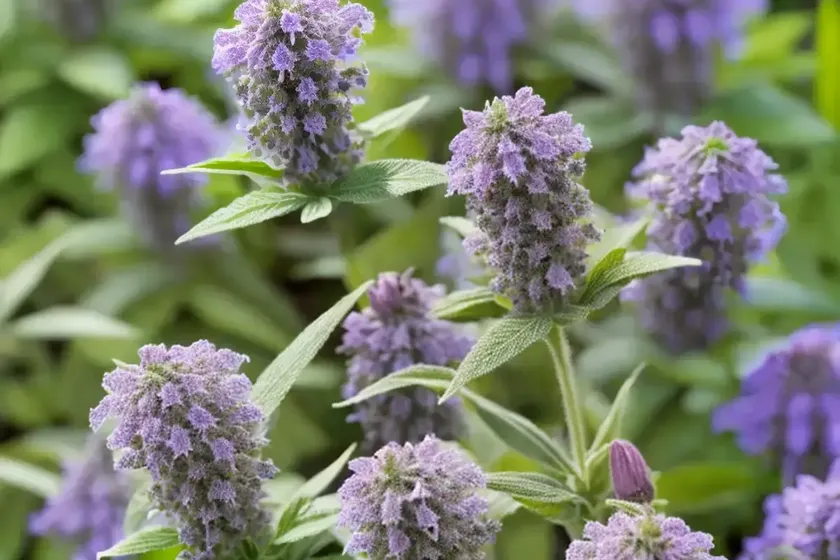
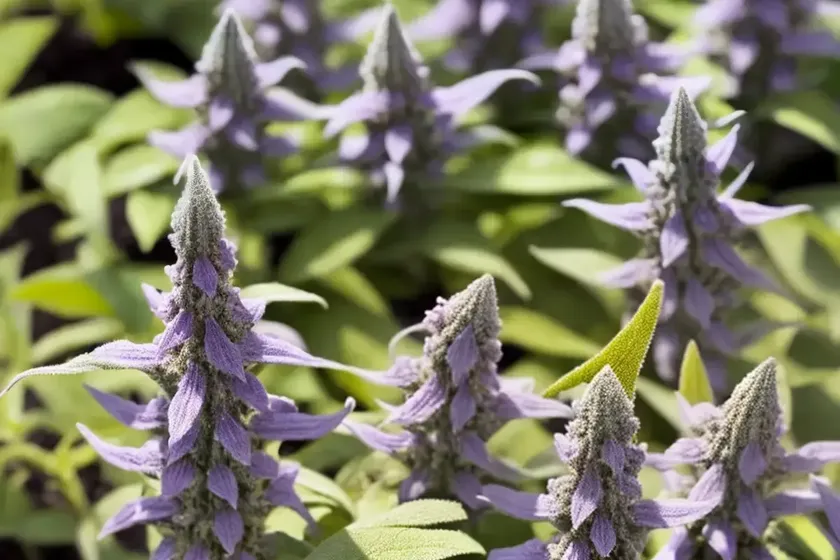
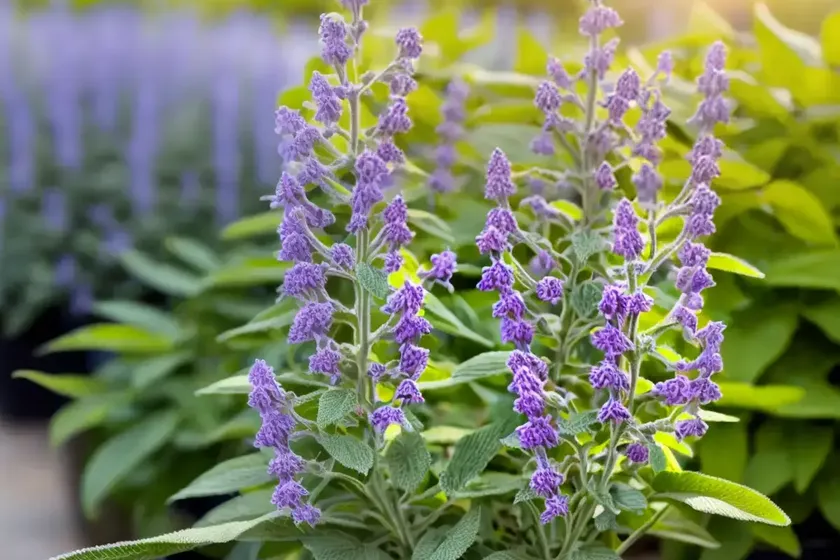
The Salvia x superba ‘Merleau’ is characterized by its upright growth habit, reaching a height of approximately 18-24 inches and spreading up to 24-36 inches. The plant’s foliage consists of lance-shaped, aromatic leaves with a silvery-green hue, adding an ethereal quality to its overall appearance. The flowers, which bloom in summer, form dense, upright spikes adorned with tubular, two-lipped blossoms in varying shades of lavender, pink, or purple, attracting an array of pollinators.
Historical Significance
Sage plants have a rich history and were traditionally revered for their medicinal properties and cultural significance. Throughout history, different sage species have been utilized for their therapeutic benefits, culinary uses, and as symbolic elements in rituals and ceremonies. This legacy continues with the ‘Merleau’ sage, which carries forward the esteemed reputation of the Salvia genus.
Notable Varieties
The genus Salvia encompasses a wide range of species and cultivars, each with its unique characteristics and growing requirements. Alongside Salvia x superba ‘Merleau,’ various other sage varieties have gained popularity among gardeners and horticulturists, contributing to the diversity within the Salvia genus.
Culture
Uses
Sage (Salvia x superba ‘Merleau’) is celebrated for its multifaceted uses, catering to diverse purposes ranging from culinary applications to ornamental and medicinal roles.
-
Culinary Uses: The aromatic leaves of the ‘Merleau’ sage impart a distinct flavor to culinary creations, particularly in Mediterranean and Italian cuisines. Its leaves are utilized fresh or dried, adding a savory essence to dishes such as stuffing, sauces, roasts, and salads. Additionally, the herb’s edible flowers serve as an attractive garnish, enhancing the visual appeal of various culinary preparations.
-
Ornamental Value: Beyond its culinary prowess, the ‘Merleau’ sage is favored for its ornamental allure. The plant’s vibrant flowers and silver-green foliage make it a prized addition to gardens, borders, and containers, elevating the aesthetic appeal of outdoor spaces.
-
Medicinal Properties: Sage has long been esteemed for its medicinal properties, attributed to its rich concentration of essential oils and beneficial compounds. Its leaves are harnessed for various wellness applications, such as herbal teas, tinctures, and essential oils, linked to antimicrobial, anti-inflammatory, and antioxidant properties.
Water
Establishing an appropriate watering regimen is vital for the optimal growth and development of Salvia x superba ‘Merleau.’ While sage plants possess a degree of drought tolerance, consistent moisture is paramount, particularly during the establishment phase and periods of prolonged heat.
-
Young Plants: Newly planted sage specimens necessitate frequent watering to facilitate root establishment. Ensuring adequate soil moisture, without waterlogging, is crucial in promoting robust growth.
-
Established Plants: Once established, sage plants exhibit resilience to dry conditions. However, regular watering is still imperative, especially during extended dry spells. It is essential to monitor soil moisture levels and provide supplementary irrigation as needed, preventing prolonged periods of drought stress.
Sunlight
Sage (Salvia x superba ‘Merleau’) thrives in environments that offer abundant sunlight, displaying enhanced vigor and flowering prowess under optimal light conditions.
-
Full Sun: The ‘Merleau’ sage excels in full sun exposure, basking in at least 6-8 hours of direct sunlight daily. When situated in an open, sunny location, the plant showcases its full splendor, promoting prolific flowering and robust growth.
-
Partial Shade: While the ‘Merleau’ sage prefers full sun, it can tolerate partial shade, especially in regions with intense summer heat. Providing some respite from the scorching midday sun can benefit the plant, ensuring its well-being during the hottest months.
Fertilizer
Strategic fertilization plays a pivotal role in nurturing the growth and vitality of Salvia x superba ‘Merleau,’ supplying essential nutrients for optimum performance.
-
Balanced Fertilizer: Utilizing a balanced, slow-release fertilizer formulated for flowering perennials is beneficial for sage plants. This type of fertilizer supports steady growth and flowering, delivering a consistent supply of nutrients over an extended period.
-
Application Frequency: Applying fertilizer in early spring or late winter, as the growing season commences, is advantageous. Subsequent applications, if deemed necessary, can be carried out at intervals of 6-8 weeks, providing supplemental nourishment during the plant’s active growth phases.
Soil
The selection of suitable soil conditions is instrumental in the successful cultivation of Salvia x superba ‘Merleau,’ influencing its vitality and overall performance.
-
Well-Drained Soil: Sage plants thrive in well-draining soil with good aeration, discouraging waterlogging and potential root suffocation. Sandy or loamy soil textures are well-suited to the ‘Merleau’ sage, preventing excessive water retention and promoting optimal root development.
-
Soil pH: Maintaining a slightly acidic to neutral soil pH level within the range of 6.0-7.0 is conducive to the well-being of Salvia x superba ‘Merleau.’ This pH range facilitates nutrient availability and root health, ensuring favorable conditions for the plant’s growth.
Pruning
Pruning procedures are pivotal in maintaining the form, vigor, and longevity of Salvia x superba ‘Merleau,’ prompting abundant flowering and foliage renewal.
-
Seasonal Pruning: Post-flowering, conducting selective pruning helps manage the plant’s size, encourage branching, and stimulate the production of new flowering stems. Trimming spent flower spikes and shaping the plant’s overall structure are essential tasks to perform after the blooming phase.
-
Overwintering Trimming: In regions with cold winters, trimming sage plants in late fall or early winter aids in tidying the foliage and preparing the plant for dormancy. Removing any damaged or withered foliage can mitigate the risk of disease and promote the plant’s resilience during the dormant phase.
Propagation
The propagation of Salvia x superba ‘Merleau’ enables the expansion of its presence in the garden and facilitates the preservation of favored cultivars.
-
Division: Dividing established sage clumps in early spring provides an effective means of propagation. Gently separating the root mass into smaller sections, each containing viable roots and shoots, facilitates the creation of new, independent plants for transplantation.
-
Softwood Cuttings: Propagating ‘Merleau’ sage through softwood cuttings offers an expedient method of generating new plants. Selecting healthy, non-flowering stem segments and fostering their root development in a suitable growing medium yields viable cuttings for subsequent cultivation.
Container Popularity
Salvia x superba ‘Merleau’ holds widespread appeal as a container garden subject, offering an array of benefits for both novice and seasoned gardeners.
-
Space-Conscious Solution: Cultivating ‘Merleau’ sage in containers is ideal for individuals with limited garden space, enabling them to enjoy the plant’s beauty in compact urban settings, balconies, or patios.
-
Versatile Display: Containers accentuate the ornamental prowess of the ‘Merleau’ sage, allowing for flexible placement and mobility within outdoor spaces. Their portability facilitates creative design arrangements and seasonal positioning, catering to diverse aesthetic preferences.
Container Common Diseases
While containerized sage plants are generally resilient, certain diseases may pose challenges, necessitating vigilant monitoring and proactive management.
-
Root Rot: Inadequate drainage and overwatering in containers can predispose sage plants to root rot, compromising their health and vitality. Employing well-draining potting media and exercising moderation in watering mitigates the risk of this detrimental fungal condition.
-
Powdery Mildew: Container-grown sage plants may be susceptible to powdery mildew, manifesting as a white, powdery coating on the foliage. Maintaining proper air circulation around the plant, avoiding overhead watering, and applying preventive fungicidal treatments help safeguard against this affliction.
Disease Diagnosis
Identifying and addressing potential diseases affecting Salvia x superba ‘Merleau’ is crucial in preserving the plant’s robustness and visual appeal.
-
Symptoms Recognition: Vigilant observation of the plant’s foliage, stems, and overall vigor aids in detecting signs of disease. Symptoms such as wilting, yellowing leaves, abnormal growths, or discoloration warrant further examination to ascertain the underlying cause.
-
Professional Consultation: Consulting with local horticultural experts or plant health specialists can provide valuable insights into disease diagnosis and management specific to the prevailing regional conditions.
Common Pests
Sage (Salvia x superba ‘Merleau’) is relatively resilient against pest infestations; however, certain common insects may pose occasional challenges.
-
Aphids: Aphids are a prevalent pest affecting sage plants, congregating on the foliage and sap-sucking, leading to distortion and stunted growth. Implementing insecticidal soap or horticultural oils serves as an effective means of controlling aphid populations.
-
Spider Mites: In hot, dry conditions, spider mites may target sage plants, causing stippling and webbing on the foliage. Utilizing targeted miticides and maintaining adequate humidity levels deter these arachnids and ensure the plant’s well-being.
Botanist’s Tips
Optimal Positioning
Choosing a well-ventilated, sunny site for planting Salvia x superba ‘Merleau’ is advantageous, fostering robust growth and profuse flowering. Positioning the plant in a location with sufficient air circulation curtails the risk of foliar diseases and promotes the overall vigor of the ‘Merleau’ sage.
Companion Planting
Integrating complementary plant species with the ‘Merleau’ sage augments its appeal and provides ecological benefits within the garden setting. Selecting pollinator-friendly companions, such as lavender, bee balm, and coneflowers, supports biodiversity and enhances the pollination dynamics of the garden.
Winter Protection
In regions characterized by harsh winter conditions, implementing protective measures, such as mulching and providing frost cover, safeguards the ‘Merleau’ sage from cold-induced damage. Shielding the plant’s crown and roots from extreme temperatures ensures its perennial resilience and aids in early spring regrowth.
Fun Facts
- The Salvia genus encompasses over 900 distinct species, showcasing an extraordinary diversity of form, color, and utility.
- In ancient societies, sage plants were revered for their purported mystical and protective properties, associated with warding off negative energies and promoting wisdom.
- The aromatic essence of sage leaves has been linked to sensory stimulation and cognitive enhancement, contributing to its historical usage in ceremonial and ritualistic contexts.
- Alongside its traditional uses, sage has found contemporary applications in aromatherapy, natural cosmetics, and organic gardening, embodying its enduring relevance across diverse domains.
Links to External Resources
To delve deeper into the world of Salvia x superba ‘Merleau’ and broaden your understanding of this captivating plant, explore the following links:
- Royal Horticultural Society – Salvia x superba
- Missouri Botanical Garden – Salvia x superba ‘Merleau’
- University of Florida – Salvia x superba
Conclusion
Conclusively, the allure of Salvia x superba ‘Merleau’ transcends its captivating flowers and aromatic foliage, encompassing a rich tapestry of cultural, culinary, and horticultural significance. Whether adorning garden landscapes, enriching culinary endeavors, or contributing to holistic wellness practices, the ‘Merleau’ sage emerges as an emblem of enduring value and timeless appeal. Embracing the essence of this exceptional plant unlocks an enriching journey marked by botanical wonders, aromatic delights, and a tapestry of ornamental splendor. As we immerse ourselves in the allure of Salvia x superba ‘Merleau,’ we embark on a transformative odyssey brimming with horticultural marvels and enchanting experiences.
Remember, the ‘Merleau’ sage invites us to partake in its multifaceted realm, offering a bounty of sensory pleasures, culinary inspirations, and a profound connection with nature’s enduring beauty.
This comprehensive guide aims to provide an insightful exploration of the captivating Salvia x superba ‘Merleau’ and its wide-ranging attributes, encapsulating a wealth of knowledge and practical insights for plant enthusiasts and horticultural aficionados. With its ornamental allure, culinary prowess, and botanical intrigue, the ‘Merleau’ sage stands as a symbol of perennial grace and enduring fascination, enveloping us in a luminous tapestry of natural wonders and timeless enchantment.


