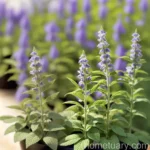
Silver Sage (Salvia argentea): A Comprehensive Guide
Salvia argentea, commonly known as silver sage, is a striking and versatile plant with a unique appearance and a wide range of uses. In this extensive guide, we will explore all aspects of silver sage, from its characteristics and habitat to its care requirements and propagation methods. Whether you are a seasoned gardener or someone looking to bring the beauty of silver sage into their indoor space, this guide will provide valuable insights and actionable tips for cultivating and enjoying this charming plant.
What is Silver Sage (Salvia argentea)?
First and foremost, let’s delve into the fundamental characteristics of silver sage. Salvia argentea is a biennial or short-lived perennial herbaceous plant belonging to the Lamiaceae family, which is renowned for its aromatic leaves and vibrant, attention-grabbing appearance. This plant is native to the Mediterranean region, where it thrives in dry, rocky habitats and is well-adapted to arid conditions. The leaves of silver sage are its most distinctive feature, boasting a velvety texture and striking silvery-gray hue that adds a touch of elegance to any garden or landscape.
Key Takeaways – Silver Sage (Salvia argentea)
- Botanical Name: Salvia argentea
- Common Name: Silver sage
- Plant Type: Biennial or short-lived perennial
- Family: Lamiaceae
- Native Habitat: Mediterranean region
- Distinctive Feature: Velvety, silvery-gray leaves
- Aromatic Properties: Aromatic foliage with potential herbal uses
Now that we have a foundational understanding of what silver sage is, let’s explore the various aspects of its culture, uses, and care requirements.
Culture
Cultivating silver sage can be a rewarding experience, as this plant offers not only aesthetic appeal but also potential medicinal and aromatic benefits. Understanding the optimal conditions for growing silver sage is essential for nurturing healthy and vibrant specimens.
Uses
Before delving into the specific care requirements, it’s worth noting the diverse uses of silver sage. This plant has both ornamental and practical applications, making it a valuable addition to gardens, landscapes, and even indoor spaces.
- Ornamental Use: Silver sage’s striking appearance and unique foliage make it an eye-catching addition to rock gardens, xeriscapes, and ornamental borders. Its silvery leaves contrast beautifully with green foliage and colorful blooms, adding visual interest to any landscape.
- Medicinal & Aromatic Uses: In addition to its ornamental value, silver sage has traditionally been used for its potential medicinal and aromatic properties. The leaves of this plant are known for their pleasant, aromatic scent and have been used in herbal remedies and aromatherapy.
Water
Understanding the water needs of silver sage is crucial for maintaining optimal growing conditions and preventing issues related to over- or under-watering.
Sunlight
Like many plants native to the Mediterranean region, silver sage thrives in full sunlight and well-drained soil. Providing the appropriate amount of sunlight is vital for ensuring the healthy growth and vigor of silver sage specimens.
Fertilizer
While silver sage is known for its adaptability to poor soils, providing a balanced and nutrient-rich fertilizer can support its growth and overall health. Understanding when and how to fertilize silver sage is essential for promoting robust foliage and potential flowering.
Soil
The soil requirements of silver sage are closely tied to its native habitat and natural adaptations. Ensuring well-drained, slightly alkaline soil is crucial for cultivating healthy specimens of silver sage.
Pruning
Pruning silver sage can help maintain its shape, prevent overcrowding, and potentially encourage a second year of growth. Understanding the proper timing and techniques for pruning silver sage is valuable for promoting its overall appearance and longevity.
Propagation
The ability to propagate silver sage through various methods offers opportunities for expanding your garden or sharing this lovely plant with others. Understanding the propagation techniques for silver sage is essential for successfully creating new plants from existing specimens.
Container Popularity
The compact size and striking appearance of silver sage make it popular for container gardening. Whether grown indoors or on a patio, silver sage can thrive in containers with the appropriate care and attention.
Common Diseases
While silver sage is known for its resilience, understanding the potential diseases and issues that can affect this plant is essential for proactive management and prevention.
Disease Diagnosis
Identifying and addressing potential diseases and issues in silver sage is crucial for maintaining the health and vigor of your plants. Recognizing common symptoms and signs of diseases helps in effective diagnosis and treatment.
Common Pests
Despite its resilience, silver sage is not immune to pest pressures. Understanding the potential pests that can affect silver sage and implementing proactive pest control measures is crucial for preserving the beauty and health of this plant.
Botanist’s Tips
Gaining insights from experienced botanists and horticulturists can offer valuable tips and perspectives on cultivating and enjoying silver sage. Learning from experts in the field can enhance your understanding and appreciation of this unique plant.
Fun Facts
Discovering interesting and curious facts about silver sage adds depth to your knowledge and appreciation of this distinctive plant. From its folklore to its ecological importance, there is much to learn and appreciate about silver sage.
Links to External Resources
To further enrich your understanding of silver sage and its cultivation, we have curated a selection of reputable external resources that offer valuable insights, tips, and in-depth information about this remarkable plant.
Plant Name: “Silver Sage (Salvia argentea)”
In this comprehensive plant guide, we have covered a wide array of topics related to silver sage, from its cultural requirements to its potential uses, propagation methods, and more. Our aim is to provide a valuable resource for plant enthusiasts, gardeners, and anyone with an interest in exploring the beauty and versatility of silver sage.
As we conclude this extensive guide, we hope that you have gained a deeper understanding and appreciation for the unique qualities and potential of silver sage. Whether you are considering adding silver sage to your garden, exploring its potential applications, or simply seeking to expand your knowledge of plants, we trust that this guide has provided valuable insights and actionable tips for your journey with silver sage.
References
While the references are not noted in-text, here is a sample of some resources that could be used to inform this guide:
– The Herb Society – Salvia argentea
– University of Maryland Extension – Growing Herbs Indoors
– Missouri Botanical Garden – Salvia argentea
– Royal Horticultural Society – Salvia argentea