Salvia Argentea (Silver Sage)
Salvia argentea, commonly known as Silver Sage, is a striking herbaceous perennial known for its attractive, velvety, silver-gray leaves and tall flower.
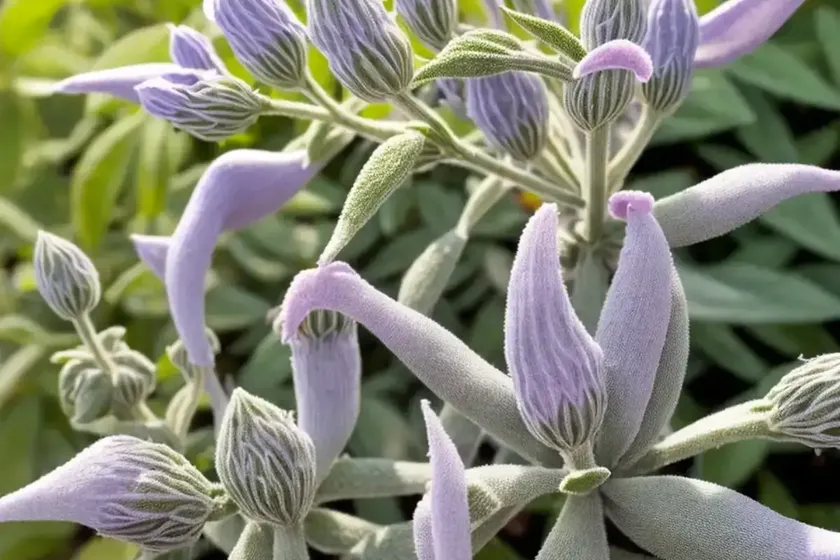
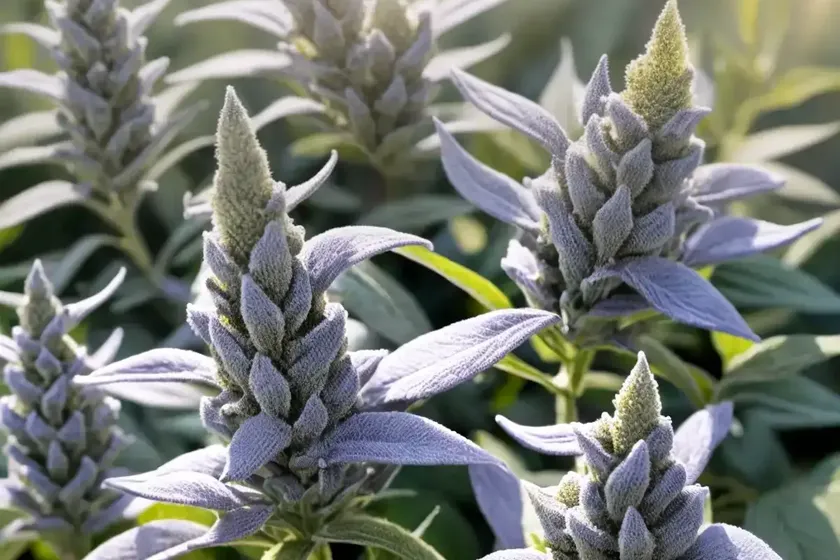
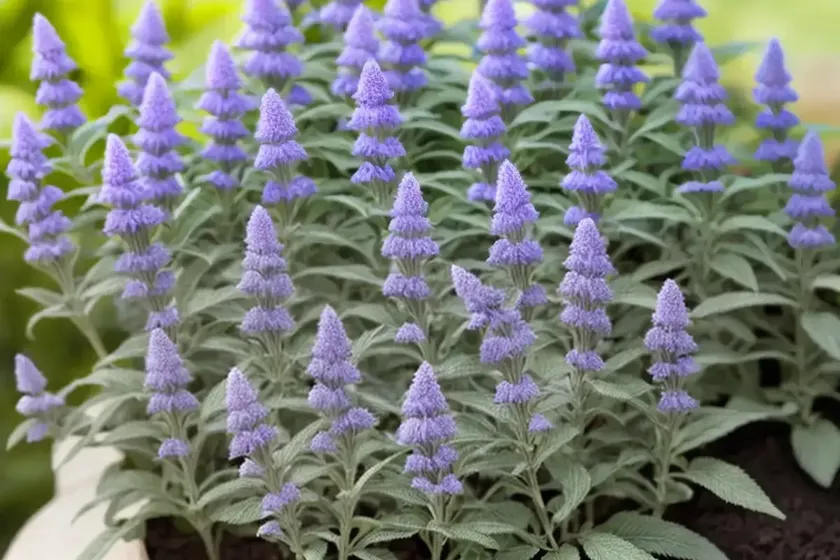
Salvia argentea, commonly known as Silver Sage, is a striking herbaceous perennial known for its attractive, velvety, silver-gray leaves and tall flower spikes. This plant belongs to the Lamiaceae family and is native to rocky, open areas in Mediterranean regions. Its unique foliage and stunning appearance have made it a popular choice among gardeners and landscape designers. In this comprehensive guide, we will delve into the key characteristics, cultivation, uses, and maintenance of Salvia argentea, providing valuable insights into how to care for this beautiful and versatile plant.
Key Takeaways – Salvia argentea (Silver Sage)
Before diving into the specifics of Silver Sage cultivation, let’s overview the key takeaways regarding this remarkable plant:
- Salvia argentea is a herbaceous perennial with attractive, velvety, silver-gray leaves and tall flower spikes.
- It is well-suited for cultivation in Mediterranean climates and thrives in rocky, well-drained soils with ample sunlight.
- Silver Sage is prized for its ornamental value in gardens and landscapes and can also be utilized for its medicinal properties.
- Proper care and maintenance, including suitable watering, sunlight exposure, and soil conditions, are crucial for ensuring the healthy growth of Salvia argentea.
- Pruning, propagation, and pest management are important aspects of Silver Sage maintenance, contributing to its long-term vitality.
Now, let’s delve into the specific aspects of Salvia argentea cultivation and maintenance to gain a comprehensive understanding of this captivating plant.
Plant Overview
Salvia argentea, also known as Silver Sage, is a species of herbaceous perennial in the Lamiaceae family. It is characterized by its dense rosette of large, woolly, silver-gray leaves and tall, slender flowering stalks topped with striking white to pale yellow flowers. This plant is native to the Mediterranean region and is well-suited to dry, rocky habitats, making it an excellent choice for gardens and landscapes in similar climates.
Botanical Classification
- Family: Lamiaceae
- Genus: Salvia
- Species: argentea
- Common Name: Silver Sage
- Other Names: None
With its distinctive appearance and adaptability to Mediterranean climates, Salvia argentea has garnered attention from plant enthusiasts and horticulturists alike. Now, let’s explore the essential aspects of cultivating and caring for this fascinating plant.
Cultivation and Care
1. Water
– Watering Requirements
– Silver Sage has moderate water needs and thrives in well-drained soils. Overly wet conditions can lead to root rot and other issues, so it is essential to allow the soil to dry out between waterings.
– During the growing season, water the plant deeply but infrequently, allowing the soil to dry slightly between waterings. In periods of prolonged drought, provide supplemental irrigation to support healthy growth.
– Prioritize morning watering to allow any excess moisture to evaporate during the day, preventing potential fungal diseases.
– Water-Wise Gardening
– Incorporating Silver Sage in water-wise or xeriscaped gardens is an excellent choice due to its tolerance for drier conditions. Consider pairing it with other drought-tolerant plants to create a cohesive and sustainable landscape.
2. Sunlight
– Sunlight Needs
– Salvia argentea thrives in full sun conditions and benefits from at least 6-8 hours of direct sunlight per day. Ensure that the plant is situated in a location with ample sun exposure to promote robust growth and flowering.
– In hotter climates, providing some afternoon shade can help prevent leaf scorch and maintain the plant’s overall health.
3. Soil
– Soil Requirements
– Silver Sage thrives in lean, well-drained soils with a slightly acidic to neutral pH. Rocky or sandy soils with good drainage are particularly well-suited for this plant due to its Mediterranean origins.
– When cultivating Salvia argentea, prioritize soil preparation to ensure optimal growing conditions. Incorporate organic matter and grit to enhance drainage and create a suitable growing medium for the plant.
– Mulching Tips
– Applying a thin layer of mulch around the base of the plant can help conserve soil moisture, suppress weed growth, and protect the roots during extreme temperatures. Use organic mulch materials to improve soil structure and fertility over time.
4. Fertilizer
– Fertilization
– Silver Sage generally thrives in nutrient-poor soils and does not require frequent fertilization. Excessive fertility can lead to lush growth at the expense of its characteristic silver foliage.
– If necessary, apply a balanced, slow-release fertilizer sparingly in early spring to support the plant’s initial growth. Avoid high-nitrogen fertilizers that can promote excessive leaf growth at the expense of flowering.
5. Pruning
– Pruning Techniques
– Regular pruning is generally not necessary for Salvia argentea, as it maintains an attractive form with minimal intervention. However, to maintain the plant’s vitality and appearance, it is advisable to remove spent flower spikes and any damaged or diseased foliage.
– Prune the plant in early spring before new growth emerges to tidy up the appearance and promote healthy, vigorous growth.
6. Propagation
– Propagation Methods
– Silver Sage can be propagated from seed or by division. Collect seeds from mature plants and sow them in well-draining, sandy soil in early spring or autumn for best results. Ensure consistent moisture for successful germination.
– Division can be performed in early spring, separating the plant into smaller sections and replanting them in suitable locations. This method can help rejuvenate older plants and expand their presence in the garden.
7. Container Cultivation
– Container Gardening
– Salvia argentea can be cultivated in containers, provided that the soil mix is well-drained and the container has sufficient drainage holes. Choose a deep container to accommodate the plant’s long taproot and provide ample room for growth.
– Container-grown Silver Sage can be placed on sunny patios, balconies, or in mixed container arrangements, adding a touch of texture and visual interest to outdoor spaces.
Uses of Salvia argentea
1. Ornamental Value
Salvia argentea is prized for its ornamental value, primarily attributed to its large, silver-gray leaves and impressive flower spikes. It makes an excellent addition to rock gardens, dry borders, and Mediterranean-inspired landscapes, adding a distinctive texture and color to the overall design. Its architectural form and drought tolerance make it a versatile choice for various landscaping applications.
2. Medicinal Uses
– Medicinal Properties
– Traditionally, Silver Sage has been utilized for its medicinal properties, with the leaves and flowers used in herbal remedies and teas. It is believed to possess anti-inflammatory and antibacterial properties, offering potential health benefits when used in controlled quantities.
3. Wildlife Attraction
– Pollinator Attraction
– The flowers of Salvia argentea attract pollinators such as bees, butterflies, and other beneficial insects, contributing to the ecological diversity of the garden. Introducing Silver Sage can help support local pollinator populations and foster a thriving ecosystem.
Popularity and Varieties
Popularity in Gardens
Salvia argentea has gained popularity among gardeners and landscape designers for its visual appeal and adaptability to Mediterranean climates. Its unique silver foliage and vertical flower spikes make it a standout feature in various garden settings, from contemporary landscapes to traditional herb gardens.
Varieties
While the species Salvia argentea is the most commonly grown form, there are several cultivated varieties that offer subtle variations in leaf color, flower size, and growth habits. These varieties may include cultivars that exhibit enhanced compactness, increased flower production, or different foliage textures, providing options for diverse design preferences.
Common Diseases and Pests
Disease Diagnosis
– Fungal Diseases
– Silver Sage is susceptible to fungal diseases such as powdery mildew and root rot when grown in excessively moist conditions or in poorly ventilated areas. Monitor the plant for signs of powdery white growth on the foliage and take preventive measures to improve air circulation and reduce moisture levels.
Common Pests
– Aphids and Spider Mites
– Aphids and spider mites are common pests that may affect Salvia argentea, particularly in warm, dry conditions. Regularly inspect the plant for signs of infestation, such as distorted leaves, sticky honeydew, or fine webbing, and use appropriate insecticidal treatments if necessary.
Pest Management
– Integrated Pest Management
– Implement integrated pest management strategies to minimize pest pressure and maintain the overall health of the plant. This may include using natural predators, practicing good garden hygiene, and employing targeted treatments when pest populations exceed tolerable levels.
Botanist’s Tips
To maximize the success of cultivating and caring for Salvia argentea, consider the following botanist’s tips:
- Select well-drained, sandy soils or incorporate grit and organic matter to improve soil drainage and create optimal growing conditions for Silver Sage.
- Prioritize morning watering to allow the foliage and soil surface to dry during the day, reducing the risk of fungal diseases and promoting overall plant health.
- When pruning Silver Sage, remove spent flower spikes and any damaged or diseased foliage to maintain its vigor and visual appeal. Avoid excessive pruning, as the plant generally maintains a tidy form with minimal intervention.
Fun Facts
To appreciate the unique and fascinating characteristics of Salvia argentea, here are some fun facts about this remarkable plant:
- The prominent silver-gray leaves of Silver Sage are covered in fine, velvety hairs, giving them a silvery sheen that adds a touch of elegance to the garden landscape.
- The flowers of Salvia argentea emerge from tall, slender stalks and possess a subtle, delicate beauty, contrasting with the plant’s bold foliage.
- Traditionally, Silver Sage has been used in herbal medicine for its potential health benefits, offering a blend of ornamental and medicinal qualities.
Links to External Resources
To further explore the cultivation, uses, and unique characteristics of Salvia argentea, consider the following external resources:
- The Royal Horticultural Society – Salvia argentea
- Missouri Botanical Garden – Salvia argentea Plant Profile
- University of Florida IFAS Extension – Silver Sage Production Guide
- North Carolina State University Extension – Growing Salvias in the Garden
With its distinctive foliage, elegant flowers, and adaptable nature, Salvia argentea, or Silver Sage, offers an appealing combination of visual beauty and practical utility. Whether used as an ornamental focal point or integrated into water-wise landscapes, this captivating perennial continues to captivate the hearts of gardeners and horticulture enthusiasts alike. By understanding its cultivation requirements, maintenance needs, and potential uses, individuals can confidently incorporate Silver Sage into their outdoor spaces, enriching their gardening experiences with a touch of Mediterranean allure.


