Stachys Palustris (Marsh Betony)
Stachys palustris, commonly known as Marsh Betony, is a delightful perennial flowering plant that belongs to the Lamiaceae family. This enchanting plant.
Introduction
Stachys palustris, commonly known as Marsh Betony, is a delightful perennial flowering plant that belongs to the Lamiaceae family. This enchanting plant can be a valuable addition to any garden due to its vibrant flowers and low-maintenance requirements. In this comprehensive guide, we will explore the various aspects of cultivating and caring for Stachys palustris, including its cultural requirements, uses in landscaping, water and sunlight needs, fertilizer and soil preferences, and much more.
What is Stachys palustris (Marsh Betony)?
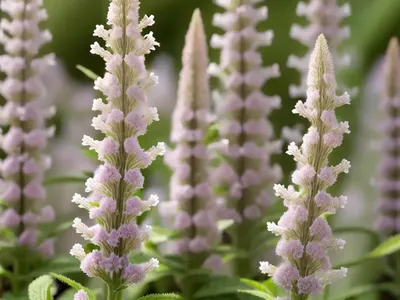
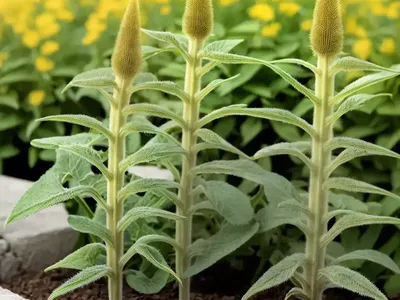
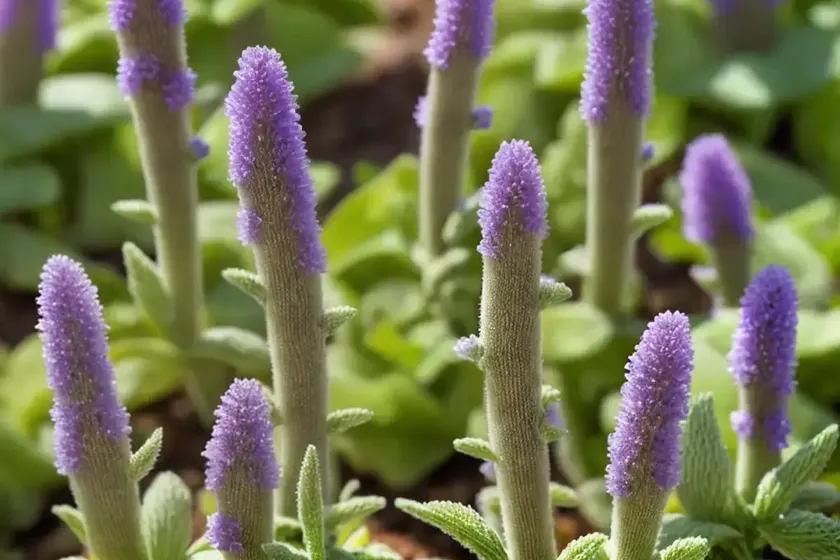
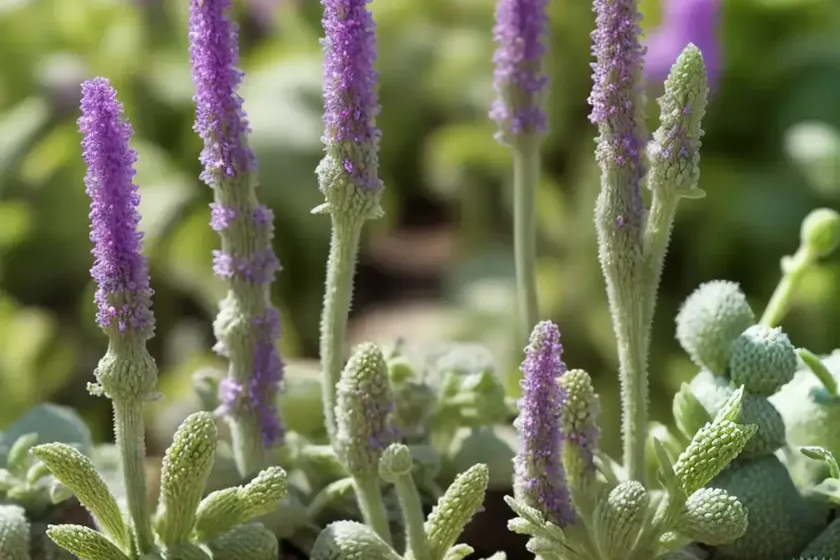
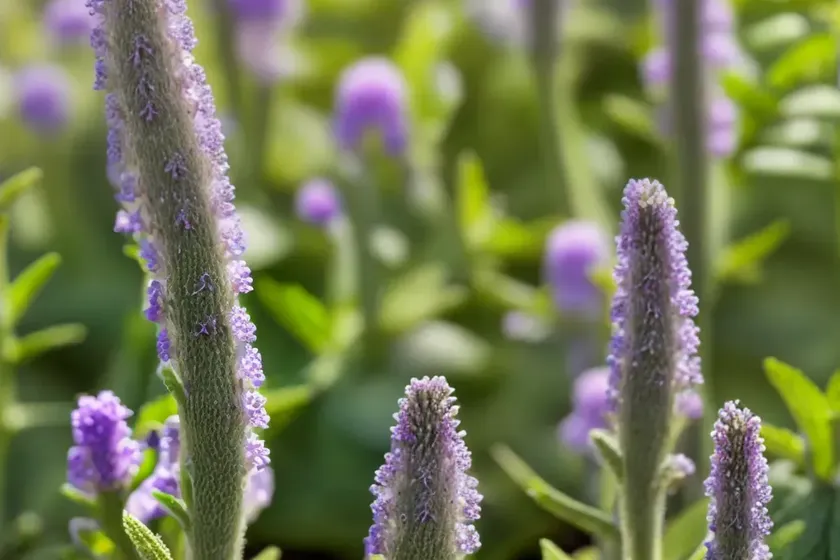
Stachys palustris, also known as Marsh Woundwort, is a herbaceous perennial plant that is native to damp and grassy habitats in Europe, Asia, and North America. The plant is characterized by its erect, square stems, and toothed, oval-shaped leaves. During the summer months, it produces striking spikes of tubular, purple flowers, which are highly attractive to bees and other pollinators.
The plant is valued not only for its aesthetic appeal but also for its various traditional medicinal uses. It has been used historically for treating wounds, digestive issues, and respiratory ailments. Furthermore, it is known to have antibacterial and anti-inflammatory properties, adding to its significance in herbal medicine.
Key Takeaways – Stachys palustris (Marsh Betony)
Before delving into the specific care and cultivation aspects of Stachys palustris, let’s take a look at the core features and takeaways related to this remarkable plant.
Culture
- Stachys palustris is a herbaceous perennial plant that thrives in damp, grassy habitats.
- It is characterized by its erect square stems and toothed, oval-shaped leaves.
- The plant blooms in summer, producing striking spikes of tubular, purple flowers.
Uses
- Stachys palustris holds cultural significance due to its traditional medicinal uses.
- It has been utilized for treating wounds, digestive issues, and respiratory ailments.
- The plant is highly attractive to bees and other pollinators, making it an asset to any wildlife garden.
Water
- Stachys palustris prefers consistently moist soil and is well-suited to boggy areas and water gardens.
- Adequate water is essential, especially during the initial stages of growth and establishment.
Sunlight
- Marsh Betony flourishes in partial to full sunlight, making it adaptable to various light conditions in the garden.
Fertilizer
- While Stachys palustris is not overly demanding in its fertilizer requirements, a balanced, all-purpose fertilizer can be beneficial during the growing season.
Soil
- The plant thrives in moist, well-drained soil with a slightly acidic to neutral pH.
- Rich, loamy soil with good organic content is ideal for optimal growth and flowering.
Pruning
- Regular deadheading of spent flowers can encourage prolonged blooming and maintain the plant’s appearance.
- Severe pruning should be avoided, as it may hinder the following year’s growth and flowering.
Stachys palustris Care: A Detailed Guide
Water
The water needs of Stachys palustris are notably centered around maintaining consistently moist soil. This makes the plant particularly suitable for boggy areas, rain gardens, and water features. Here are some specific guidelines for watering:
- Establishment: During the initial growth phase, it is crucial to ensure that the plant is adequately watered to support root development and overall vigor. This is especially important in the first growing season after planting.
- Mature Plants: While the plant is established, it still requires regular moisture, particularly during hot and dry periods. Although it is tolerant of damp conditions, it is essential to prevent waterlogging, as this can lead to root rot.
To maintain optimal moisture levels, a layer of organic mulch can be applied around the base of the plant. This not only helps retain soil moisture but also regulates temperature and suppresses weed growth.
Sunlight
Stachys palustris exhibits a high level of adaptability in terms of sunlight requirements. It thrives in partial shade to full sunlight, making it suitable for a wide range of garden environments. Understanding its sunlight preferences enables gardeners to effectively integrate it with other plants based on their light requirements.
In regions with intense, direct sunlight, providing some afternoon shade can benefit the plant, preventing stress from excessive heat and sunlight exposure. Additionally, proper sunlight conditions contribute to robust growth and vibrant flowering.
Fertilizer
Stachys palustris is generally considered to be a low-maintenance plant when it comes to fertilizer requirements. However, the application of a balanced, all-purpose fertilizer during the active growing season can support the plant’s overall health and vigor. Here are some key points to consider:
- Timing: Fertilizer application is best carried out in early spring, before the plant enters its active growth phase. This provides a nutrient boost to support the upcoming flowering season.
- Type: A general-purpose, slow-release fertilizer with an equal balance of nitrogen, phosphorus, and potassium can adequately meet the nutritional needs of Stachys palustris. As with any fertilizer application, it is essential to follow the manufacturer’s recommendations regarding both quantity and frequency.
Soil
The quality and composition of the soil significantly contribute to the successful cultivation of Stachys palustris. As a plant that thrives in moist, well-drained conditions, the following soil considerations are crucial:
- Moisture Retention: The soil should possess the ability to retain moisture without becoming waterlogged. Organic matter, such as compost, can be incorporated into the soil to improve water retention and provide essential nutrients for the plant.
- pH Level: Stachys palustris prefers slightly acidic to neutral soil, with a pH level ranging from 6.0 to 7.0. Conducting a soil test can help determine the existing pH level and guide necessary amendments for optimal growing conditions.
- Texture: A loamy texture is ideal for Marsh Betony, as it offers a balanced combination of sand, silt, and clay, promoting both adequate drainage and moisture retention.
Pruning
Pruning plays a significant role in maintaining the appearance and vitality of Stachys palustris. While the plant does not require intensive or frequent pruning, the following guidelines can help guide pruning practices:
- Deadheading: Regular deadheading of spent flower spikes can encourage continuous blooming throughout the summer months. Removing faded flowers promotes the emergence of new blooms and contributes to a tidy and attractive appearance.
- Winter Pruning: In late winter, it is advisable to trim back the plant to remove any damaged or dead foliage. This rejuvenates the plant and prepares it for the upcoming growing season.
It is essential to avoid severe or extensive pruning, particularly in the fall, as this can impede the plant’s ability to produce new growth and flowers in the following year.
Propagation
Stachys palustris can be propagated through several methods, including division, seed sowing, and softwood cuttings.
- Division: Dividing mature clumps in early spring or after flowering is an effective means of propagation. The divided sections can be replanted in suitable locations, offering a straightforward way to expand the plant’s presence in the garden.
- Seed Sowing: Alternatively, seeds collected from mature plants can be sown in a prepared seed bed in the fall. The following spring, the seedlings can be transplanted to their permanent positions, allowing for the establishment of new Marsh Betony plants.
- Softwood Cuttings: Softwood stem cuttings taken in early summer can be rooted in a suitable growing medium. This method requires careful attention to moisture and environmental conditions to ensure successful rooting and subsequent growth.
Each propagation method offers unique advantages and can be tailored to suit the preferences and requirements of individual gardeners.
Container Popularity
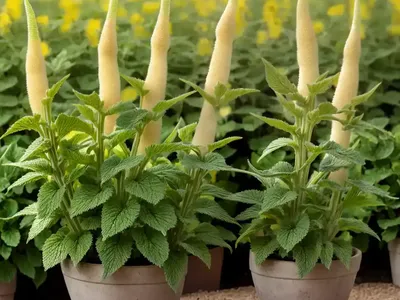
Stachys palustris can thrive and flourish in containers, providing an excellent option for those with limited garden space or seeking to introduce the plant to specific areas. Its popularity as a container plant is due to several key factors:
- Adaptability: The plant’s adaptability to various light conditions makes it suitable for container gardening on patios, balconies, and other outdoor spaces.
- Aesthetic Appeal: Marsh Betony adds an element of natural charm and beauty to container arrangements, with its striking foliage and colorful blooms.
- Portability: Containers offer the advantage of portability, allowing for easy repositioning according to the plant’s sunlight and moisture requirements.
When choosing containers for Stachys palustris, it is important to select those with adequate drainage to prevent waterlogging. Additionally, using a high-quality, well-draining potting mix can provide the ideal growing environment for the plant.
Common Diseases and Pest Management
Like all plants, Stachys palustris is susceptible to certain diseases and pest infestations. Being aware of these potential issues and implementing effective management strategies is essential for maintaining the plant’s health and vitality.
Disease Diagnosis
- Powdery Mildew: This fungal disease can manifest as a powdery, white coating on the leaves of the plant. It thrives in humid conditions and can potentially affect the overall vigor and appearance of the plant.
- Rust: Rust is another fungal disease that presents as orange to brown spots on the leaves and stems. Preventative measures and prompt treatment are instrumental in managing and controlling rust infestations.
Common Pests
- Aphids: These tiny, sap-sucking insects can cluster on the young, tender growth of Stachys palustris, impacting the plant’s overall health. Regular inspection and the application of appropriate insecticidal treatments can effectively address aphid infestations.
- Spider Mites: Spider mites can be troublesome pests, inflicting damage through their feeding activity. Increased humidity and effective insecticidal measures are critical in preventing and managing spider mite populations.
In addressing diseases and pests, integrated pest management approaches that combine cultural, biological, and chemical control methods can be employed to maintain a healthy and thriving Marsh Betony plant.
Botanist’s Tips
To support the successful growth and cultivation of Stachys palustris, incorporating the following botanist’s tips can prove beneficial:
- Mulching: Applying a layer of organic mulch around the base of the plant helps conserve soil moisture and suppress weed growth, contributing to the overall health and appearance of the plant.
- Regular Monitoring: Routinely monitoring the plant for signs of disease, pest infestations, and overall growth can facilitate early intervention and prompt corrective measures when necessary.
- Appropriate Support: Providing adequate support, such as stakes or organic materials, can be beneficial in maintaining the plant’s upright growth and preventing lodging of the stems and foliage.
Fun Facts
Uncovering the fascinating and lesser-known details about Stachys palustris adds to the allure of this captivating plant. Here are some fun facts to enrich your understanding and appreciation of Marsh Betony:
- Cultural Significance: Marsh Betony has a rich history of traditional medicinal uses, spanning centuries and across various cultures. Its presence in herbal folklore and remedies underscores its enduring significance.
- Ecological Value: The plant’s vibrant flowers attract a range of pollinators, contributing to the biodiversity and ecological balance within the garden environment.
- Historical Uses: Stachys palustris has been utilized in herbal medicine for addressing a diverse array of health concerns, from wound healing to respiratory ailments, reflecting its versatility and value.
Links to External Resources
To further expand your knowledge and understanding of Stachys palustris and its cultivation, the following external resources provide valuable insights and information:
- Royal Horticultural Society – Stachys palustris
- North Carolina State University Extension – Marsh Betony
- University of Wisconsin-Madison – Marsh Betony Plant Guide
- The Wildlife Trusts – Marsh Betony
In conclusion, Stachys palustris (Marsh Betony) stands as a captivating and versatile plant that offers not only aesthetic beauty but also ecological value and cultural significance. Understanding its unique characteristics, care requirements, and potential uses in landscaping can enrich your gardening experience and foster a deeper appreciation for the natural world around us.
As you embark on your journey of cultivating and caring for Stachys palustris, may the knowledge and insights shared in this comprehensive guide serve as a source of inspiration and guidance, leading to the successful and rewarding growth of this remarkable plant in your garden.
References
- “PLANTS Profile for Stachys palustris” – United States Department of Agriculture, Natural Resources Conservation Service. [Online]. Available: https://plants.usda.gov/core/profile?symbol=STPA
- “Stachys palustris (L.) L.” – Plants of the World Online, Kew Science. [Online]. Available: http://www.plantsoftheworldonline.org/taxon/urn:lsid:ipni.org:names:460251-1