Salvia Horminum ‘Blue’ (Annual Sage): A Comprehensive Guide
Salvia horminum ‘Blue’, also known as Annual Sage, is a stunning, vibrant, and versatile plant that is commonly used in gardens and landscapes. This beautiful flower has captured the attention of plant enthusiasts and horticulturists due to its unique characteristics and various uses.
In this comprehensive guide, we will explore the culture, uses, care requirements, propagation, and common diseases and pests associated with Salvia horminum ‘Blue’. Furthermore, we will delve into some fascinating botanist’s tips, fun facts, and the plant’s popularity in container gardening. So, let’s embark on an exciting journey to discover the beauty and value of Salvia horminum ‘Blue’!
What is Salvia Horminum ‘Blue’?
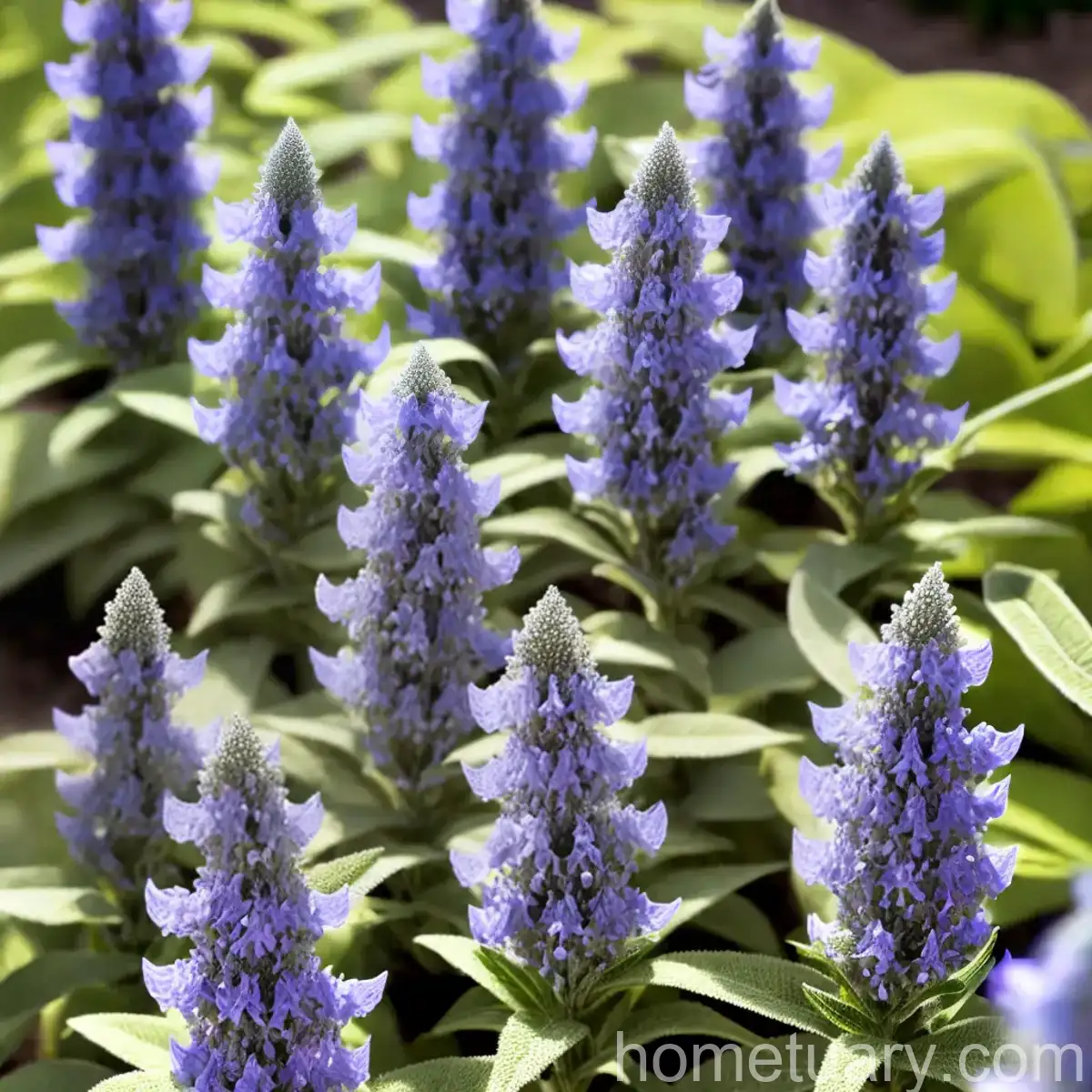
Salvia horminum, commonly referred to as Annual Sage, belongs to the Lamiaceae family and is native to southwestern Asia and southeastern Europe. The ‘Blue’ variety of Salvia horminum is prized for its striking blue flowers and aromatic foliage, making it a sought-after addition to gardens and landscapes.
Key Takeaways – Salvia Horminum ‘Blue’ (Annual Sage)
Before we delve into the details of Salvia horminum ‘Blue’, let’s highlight the key takeaways associated with this plant. These points will provide a comprehensive overview of the significant aspects of Annual Sage.
- Salvia horminum ‘Blue’ is a member of the Lamiaceae family, known for its vibrant blue flowers and aromatic foliage.
- The plant is cultivated for its ornamental value, adaptability to various growing conditions, and diverse uses in gardening and landscaping.
- Salvia horminum ‘Blue’ thrives in well-drained soil, requires adequate sunlight, minimal water, and periodic pruning to maintain its health and appearance.
- Its popularity in container gardening and landscape design has contributed to its widespread cultivation and use in floral arrangements.
Now that we have a glimpse of the essential characteristics of Salvia horminum ‘Blue’, let’s delve deeper into its culture, uses, and specific care requirements.
Culture
Soil
Salvia horminum ‘Blue’ thrives in well-drained, loamy soil with a slightly acidic to neutral pH level. The plant prefers soil that is rich in organic matter and provides good aeration for the roots. When cultivating Salvia horminum ‘Blue’, consider amending the soil with compost or organic fertilizer to enhance its nutrient content. Additionally, ensuring proper drainage will protect the plant from waterlogged conditions, preventing root rot and other potential issues.
Water
Annual Sage is known for its drought-tolerant nature and prefers moderate water levels. When watering Salvia horminum ‘Blue’, it is crucial to allow the soil to dry out partially between watering sessions. Overly moist conditions can lead to root rot and fungal diseases. During periods of prolonged drought, providing supplemental irrigation will help support the plant’s growth and flowering. However, it is essential to strike a balance as excessive watering can be detrimental to the plant’s health.
Sunlight
Salvia horminum ‘Blue’ thrives in full sun to partial shade, requiring a minimum of 6 hours of direct sunlight to promote robust growth and abundant flowering. Adequate sunlight is essential for stimulating the plant’s natural processes, including photosynthesis and flower development. When selecting a planting site for Annual Sage, prioritize locations that receive ample sunlight while also providing protection from intense midday heat in warmer climates.
Fertilizer
Annual Sage generally does not have excessive fertilizer requirements and can thrive in moderately fertile soil. However, applying a balanced, slow-release fertilizer once in the spring can provide the necessary nutrients for healthy growth and flowering. When choosing a fertilizer for Salvia horminum ‘Blue’, opt for formulations with a balanced ratio of nitrogen, phosphorus, and potassium to support overall plant vitality. Avoid over-fertilization, as this can lead to excessive foliage growth at the expense of flower production.
Pruning
Pruning plays a crucial role in maintaining the health, shape, and flowering performance of Salvia horminum ‘Blue’. Regular deadheading of spent flowers not only promotes continuous blooming but also prevents the plant from expending energy on seed production. Additionally, removing any damaged or diseased foliage and stems can enhance the plant’s appearance and reduce the risk of diseases spreading. Prune Annual Sage in early spring to encourage new growth and shape the plant as desired.
Propagation
Salvia horminum ‘Blue’ can be propagated through both seeds and cuttings. When propagating from seeds, sow them directly in the garden soil after the last frost date, as Annual Sage establishes well when sown in situ. The seeds should be lightly covered with soil and kept consistently moist until germination occurs. For propagation by cuttings, select healthy, non-flowering stems and root them in a well-draining growing medium. With proper care and favorable conditions, the cuttings will develop roots and can later be transplanted into the garden or containers.
Container Popularity
The compact size and ornamental beauty of Salvia horminum ‘Blue’ make it a popular choice for container gardening. Whether grown in individual containers or combined with other complementary plants, Annual Sage adds a vibrant touch to patios, balconies, and outdoor living spaces. Its adaptability to container culture and ability to thrive in restricted spaces have contributed to its widespread use in urban gardens and small-scale landscapes.
Uses
Salvia horminum ‘Blue’ offers a multitude of uses in various gardening and landscaping applications. Let’s explore some of its primary uses:
- Ornamental Value: The striking blue flowers of Salvia horminum ‘Blue’ add a splash of color to flower beds, borders, and mixed plantings. The plant’s vibrant blooms and aromatic foliage make it a desirable choice for enhancing the visual appeal of garden landscapes.
- Floral Arrangements: The cut flowers of Annual Sage are prized for their longevity and ornamental value in floral arrangements. They add a charming touch to bouquets and floral displays, making them a popular choice among florists and flower enthusiasts.
- Pollinator Attraction: The nectar-rich flowers of Salvia horminum ‘Blue’ attract pollinators such as bees, butterflies, and hummingbirds, contributing to the overall biodiversity and ecological balance in garden environments.
- Medicinal and Aromatic Uses: Some varieties of sage, including Salvia officinalis, have traditional medicinal uses and are valued for their aromatic foliage in culinary applications. While Salvia horminum ‘Blue’ may not be as widely recognized for its medicinal properties, it shares the aromatic characteristics of its sage counterparts.
Now that we have explored the culture, uses, and propagation of Salvia horminum ‘Blue’, it is essential to consider the common diseases and pests that can affect this plant.
Common Diseases
Annual Sage is generally resilient to diseases, especially when grown in favorable conditions with proper care. However, it is susceptible to certain fungal and bacterial issues that can impact its overall health and appearance. Here are some common diseases that may affect Salvia horminum ‘Blue’:
- Powdery Mildew: This fungal disease appears as a powdery white coating on the plant’s foliage, leading to reduced photosynthetic activity and diminished aesthetic appeal. Proper air circulation and avoiding overhead watering can help prevent powdery mildew.
- Root Rot: Excessive moisture and poor drainage can predispose Annual Sage to root rot, causing wilting, yellowing of leaves, and eventual collapse of the plant. Well-drained soil and proper watering practices are essential for preventing this issue.
- Bacterial Leaf Spot: Characterized by dark, water-soaked spots on the plant’s leaves, bacterial leaf spot can weaken the foliage and impact the overall vigor of Salvia horminum ‘Blue’. Removing infected plant material and promoting good air circulation can help manage this disease.
Disease Diagnosis
Diagnosing and addressing diseases in Salvia horminum ‘Blue’ requires careful observation and proactive management. Upon noticing any abnormal symptoms such as leaf discoloration, wilting, or unusual growth patterns, it is important to investigate the potential causes and implement appropriate measures to mitigate the issue. Timely intervention and cultural practices can significantly reduce the impact of diseases and safeguard the plant’s health.
Common Pests
Annual Sage is relatively resistant to many common garden pests, thanks to its aromatic foliage and natural deterrents. However, certain pests may still pose a threat to the plant’s well-being. Here are some of the common pests that can affect Salvia horminum ‘Blue’:
- Aphids: These small, sap-feeding insects can distort the growth of new shoots and cause a decline in plant vigor. Regular monitoring and introducing natural predators can help control aphid populations.
- Spider Mites: These tiny arachnids can infest the undersides of the plant’s leaves, leading to stippling and discoloration. Maintaining adequate humidity and routine leaf washing can help prevent spider mite infestations.
Now that we have covered the diseases and pests associated with Salvia horminum ‘Blue’, let’s move on to some fascinating botanist’s tips, fun facts, and useful resources for further exploration.
Botanist’s Tips
To cultivate Salvia horminum ‘Blue’ successfully and maximize its ornamental value, consider the following botanist’s tips:
- Provide Well-Drained Soil: Ensuring proper soil drainage is essential to prevent waterlogged conditions and maintain the health of Annual Sage.
- Moderate Watering: Avoid overwatering and aim for balanced soil moisture to support the plant’s growth and resilience.
- Prune Regularly: Deadheading spent flowers and removing damaged foliage will encourage continuous blooming and maintain the plant’s appearance.
- Monitor Pests and Diseases: Regularly inspect the plant for signs of pests and diseases, intervening promptly to prevent issues from escalating.
Fun Facts
- Salvia horminum ‘Blue’ is also known by the common names of Annual Clary and Painted Sage, reflecting its vibrant appearance and ornamental value.
- The aromatic foliage of Annual Sage adds a pleasant fragrance to gardens and landscapes, enhancing the sensory experience for gardeners and visitors alike.
- While the ‘Blue’ variety is particularly popular for its vivid blue flowers, Salvia horminum comes in a range of colors, including pink, white, and purple, offering diverse options for garden designs and color schemes.
Links to External Resources
For additional information and resources on Salvia horminum ‘Blue’, consider exploring the following links:
- Royal Horticultural Society – Salvia Horminum
- University of Florida IFAS Extension – Salvia Horminum
- Missouri Botanical Garden – Salvia Horminum
- The American Phytopathological Society – Common Diseases of Sage
As we conclude this comprehensive guide to Salvia horminum ‘Blue’ (Annual Sage), we have delved into its culture, uses, care requirements, propagation, common diseases, and pests. Through this exploration, we have gained a deeper understanding of the captivating beauty and value of Annual Sage in gardening and landscaping.
Salvia horminum ‘Blue’ continues to captivate plant enthusiasts and horticulturists with its vibrant blooms, aromatic foliage, and versatility in various horticultural settings. Whether grown in gardens, containers, or floral arrangements, Annual Sage stands as a remarkable addition to the diverse tapestry of ornamental plants.
With its adaptability, striking appearance, and multiple uses, Salvia horminum ‘Blue’ enriches garden landscapes and offers a source of delight for those who appreciate the natural splendor of flowering plants. As we embrace the beauty and benefits of Annual Sage, we are reminded of the boundless wonders that nature bestows upon us, inviting us to cherish, nurture, and celebrate the abundance of botanical treasures that enrich our lives and surroundings.
As we bid farewell to this exploration of Salvia horminum ‘Blue’, may the allure of this exquisite plant inspire and invigorate our gardening endeavors, cultivating a profound appreciation for the botanical marvels that grace our world.
In this comprehensive guide, we explored Salvia horminum ‘Blue’ (Annual Sage), encompassing its culture, uses, care requirements, propagation, common diseases, and pests. By delving into various aspects of Annual Sage, this guide aims to provide valuable insights and practical knowledge for plant enthusiasts, gardeners, and horticulturists.
The captivating beauty and ornamental value of Salvia horminum ‘Blue’ continue to inspire and enrich garden landscapes, container gardens, and floral arrangements, serving as a testament to the exceptional allure of this remarkable plant. Embracing the vibrant hues, aromatic foliage, and ecological contributions of Annual Sage invites us to connect with nature’s beauty and embrace the wonders of horticulture.
With its adaptability, versatility, and sensory appeal, Salvia horminum ‘Blue’ stands as a testament to the timeless enchantment of flowering plants, offering a source of joy and inspiration for those who cultivate, admire, and cherish the botanical marvels that adorn our world.
As we celebrate the splendor of Annual Sage and its enduring impact on horticulture, let us continue to nurture and preserve the diverse array of plant species that grace our gardens, communities, and natural landscapes, fostering a harmonious coexistence with nature’s bountiful offerings.
I hope this article provided you with a comprehensive understanding of Salvia horminum ‘Blue’ (Annual Sage). Whether you are a passionate gardener, a floral enthusiast, or a horticultural aficionado, I trust that the insights shared here will deepen your appreciation for this captivating plant and inspire your future botanical endeavors. Thank you for joining me on this journey through the enchanting world of Salvia horminum ‘Blue’, and may your gardening pursuits be filled with beauty, abundance, and horticultural splendor.
Top)