Sedum album ‘Coral Carpet’ (White Stonecrop): A Detailed Plant Profile
Sedum album ‘Coral Carpet,’ also known as White Stonecrop, is a charming perennial succulent that is valued for its low-maintenance and exquisite appearance. This article provides essential insights into the cultivation, uses, and characteristics of this versatile plant, catering to enthusiasts ranging from novice gardeners to experienced horticulturists.
What is Sedum album ‘Coral Carpet’?
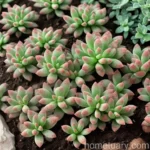
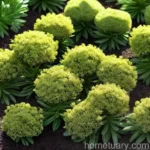
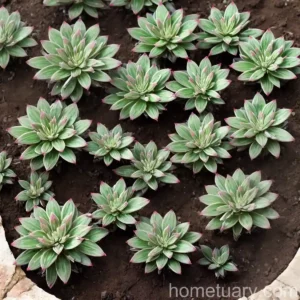
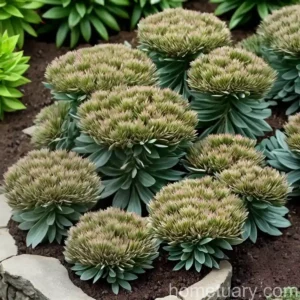
Sedum album ‘Coral Carpet’ is a species belonging to the Crassulaceae family, native to Europe and popularly known for its spreading mat-like growth and tiny, star-shaped white flowers. This plant is a cultivar of the Sedum album species and is particularly esteemed for its ability to thrive in various environments, including rock gardens, containers, and slopes. Its name “Coral Carpet” is derived from the stunning coral-reddish colored foliage that it displays during the cooler months, adding unique visual appeal to landscapes.
Key Takeaways – Sedum album ‘Coral Carpet’
Before delving into the finer details of this plant, let’s highlight some key takeaways that will be explored comprehensively in the subsequent sections:
- Scientific Name: Sedum album ‘Coral Carpet’
- Common Name: White Stonecrop
- Family: Crassulaceae
- Plant Type: Perennial succulent
- Primary Uses: Ground cover, container, rock gardens
- Notable Characteristics: Drought-tolerant, low-maintenance, seasonal color changes
Now, let’s embark on an in-depth journey into the culture, uses, care, and propagation of Sedum album ‘Coral Carpet’.
Culture
Water
Sedum album ‘Coral Carpet’ is renowned for its exceptional drought tolerance and therefore, requires minimal watering. Once established, this plant typically thrives with infrequent watering, making it an ideal choice for xeriscapes and water-wise gardens. Adequate drainage is crucial, and it is advisable to allow the soil to dry out between watering intervals. Overly moist or waterlogged soil can lead to root rot and other related issues, thus moderation is key when it comes to watering.
Sunlight
This succulent thrives in full sun to partial shade conditions. In regions with intense summer heat, providing some protection from the harsh afternoon sun may be beneficial. However, in cooler climates, full sun exposure is favorable as it promotes vigorous growth and intensifies the decorative foliage colors. When grown indoors, ensure that the plant receives bright, indirect light for optimal growth.
Fertilizer
Sedum album ‘Coral Carpet’ is not particularly demanding when it comes to fertilization. In fact, excessive fertilization can lead to lush, weak growth that is more susceptible to damage. A light application of a balanced fertilizer in the spring, as new growth emerges, is generally sufficient to support healthy and vibrant foliage. Organic fertilizers or slow-release granular formulations are recommended for this plant.
Soil
This succulent thrives in well-draining soil and is adaptable to a wide range of soil types, including sandy, loamy, or rocky substrates. A slightly acidic to neutral pH (6.0-7.0) is suitable for optimal growth. It’s crucial to avoid waterlogged or compacted soils, as they can facilitate the onset of root diseases and hinder the plant’s development. When cultivating Sedum album ‘Coral Carpet’ in containers, a cactus mix or a custom soil blend formulated for succulents and cacti is ideal.
Uses
Sedum album ‘Coral Carpet’ is celebrated for its versatility and ornamental value, making it a beloved choice for various landscaping and gardening applications. Some of the primary uses and applications of this plant include:
- Ground Cover: Its spreading habit and low growth make it an excellent ground cover, particularly for slopes, rock gardens, and crevices where it can add textural interest.
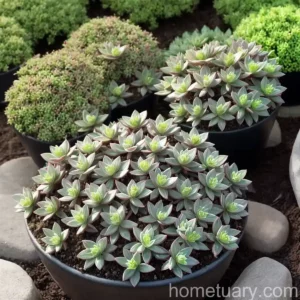
- Container Gardening: The compact nature of this succulent makes it well-suited for container arrangements, including mixed succulent planters, troughs, and alpine gardens.
- Rock Gardens: Its adaptation to rocky substrates and impressive drought tolerance render it an ideal addition to rock gardens, where it can form captivating carpets of foliage and blooms.
- Edging Plant: Its low, spreading growth habit makes it a perfect choice for edging borders, pathways, and flower beds, adding an attractive touch to the landscape.
- Green Roofs: Due to its ability to thrive in shallow and well-draining growing mediums, Sedum album ‘Coral Carpet’ is a popular choice for green roof installations, contributing to insulation and biodiversity.
- Pollinator Gardens: The nectar-rich, star-shaped white flowers are a magnet for butterflies, bees, and other pollinators, making it an excellent addition to pollinator-friendly gardens.
Pruning
Sedum album ‘Coral Carpet’ is a low-maintenance plant that requires minimal pruning. However, occasional trimming can be beneficial to maintain a neat appearance and to rejuvenate the plant. Pruning can be done in the early spring to remove any damaged or dead foliage, as well as to encourage new growth. Additionally, thinning out congested areas and shaping the plant to maintain its desired form can be addressed during the pruning process.
Propagation

Figure 1: Sedum album ‘Coral Carpet’ Propagation
Sedum album ‘Coral Carpet’ can be propagated through several methods, providing enthusiasts with the opportunity to expand their collection or share this delightful plant with others. Some common propagation techniques for this succulent include:
- Division: The plant can be divided by carefully separating the offsets or individual rosettes from the parent plant, ensuring that each division has some roots attached. These divisions can be directly replanted in suitable growing conditions.
- Stem Cuttings: Stem cuttings can be taken from healthy, non-flowering stems and allowed to callus before being placed in a well-draining medium to root. Rooting hormone can be applied to expedite the process.
- Leaf Cuttings: Individual leaves can be carefully detached from the stem and placed on top of a well-draining substrate. After a period of time, new plantlets will emerge from the base of the leaf and can be transplanted once they develop roots.
Container Popularity
Sedum album ‘Coral Carpet’ is highly prized for its suitability in container gardens, both indoors and outdoors. Its compact growth habit, vibrant foliage colors, and minimal maintenance requirements make it an ideal candidate for various container arrangements. Whether planted alone or combined with other compatible succulents and low-water plants, this cultivar can thrive in pots, containers, and ornamental planters, adding an enchanting touch to patios, balconies, and indoor spaces.
Common Diseases and Pests
Disease Diagnosis
Sedum album ‘Coral Carpet’ is generally robust and not significantly prone to diseases, especially when grown in well-draining soils and provided with adequate air circulation. However, certain conditions can predispose the plant to issues such as:
- Root Rot: Overly moist or waterlogged soils can lead to root rot, primarily caused by fungal pathogens. Symptoms include wilting, yellowing foliage, and a foul odor emanating from the roots. Addressing this issue involves improving drainage and adjusting watering practices.
- Powdery Mildew: Under prolonged periods of high humidity or inadequate air movement, powdery mildew may develop, presenting as white, powdery patches on the foliage. Fungal treatments and improved ventilation can help mitigate this problem.
Common Pests
Sedum album ‘Coral Carpet’ is relatively resistant to pests, but occasional infestations may occur, primarily from:
- Aphids: These tiny, sap-sucking insects can congregate on the new growth and tender shoots, causing distortion and yellowing of the foliage. Insecticidal soaps and horticultural oils can effectively manage aphid populations.
- Mealybugs: Mealybugs can cluster in protected areas of the plant, such as leaf axils and the underside of leaves, leading to stunted growth and honeydew secretion. Control measures involve physically removing the pests and applying targeted insecticides when necessary.
- Snails and Slugs: These voracious pests can feed on the succulent foliage overnight, leaving behind irregular chewed areas and slime trails. Handpicking, barriers, and organic deterrents can help protect the plants from these pests.
Botanist’s Tips
Soil Preferences and Root System
Sedum album ‘Coral Carpet’ thrives in well-draining, nutrient-poor soils, as it is adapted to harsh growing conditions where excessive fertility can be detrimental. The plant forms a shallow, fibrous root system, allowing it to exploit sparsely populated areas and colonize various substrates. When cultivating this succulent, it’s essential to prioritize soil porosity and aeration to support healthy root development and overall plant vigor.
Seasonal Changes and Winter Care
The allure of Sedum album ‘Coral Carpet’ is accentuated by its striking seasonal variations in foliage color. During the cooler months, the foliage transforms to a captivating coral-reddish hue, creating an eye-catching display in the garden. In winter, this plant benefits from minimal interference, and it can endure frost and light snowfall without significant detriment. In regions with particularly harsh winters, providing a light mulch around the plant can offer a degree of protection against temperature extremes.
Companion Planting and Landscaping Ideas
When considering companion planting with Sedum album ‘Coral Carpet,’ it’s essential to select species that complement its growth habits, water requirements, and environmental preferences. Some suitable companions for this succulent include:
- Hardy Sempervivums (Hens and Chicks): These compact, rosette-forming succulents share similar water and light requirements, making them an excellent companion for Sedum album ‘Coral Carpet.’
- Drought-Tolerant Perennials: Plants such as Lavender, Achillea, and Echinacea, which thrive in similar growing conditions, can create visually pleasing combinations with this sedum.
- Low-Growing Shrubs: Compact shrubs like Dwarf Conifers or Rock Roses can provide contrasting textures and year-round interest when paired with ‘Coral Carpet’ in the landscape.
Medicinal Uses and Folklore
Sedum species, including Sedum album, have been traditionally utilized for their medicinal properties in various cultural contexts. However, it is crucial to exercise caution and seek expert advice before using any plant for medicinal purposes, as incorrect usage can lead to adverse effects. The potential medicinal uses of Sedum album include:
- Wound Healing: Some traditional remedies involve using the plant’s latex or sap topically to aid in wound healing and alleviate skin irritations.
- Digestive Support: In some cultures, herbal preparations derived from certain Sedum species are used to support digestive health and alleviate gastrointestinal discomfort.
Fun Facts
To further appreciate the charm and adaptability of Sedum album ‘Coral Carpet,’ here are some intriguing and noteworthy facts about this remarkable plant:
- Historical Significance: Sedums have a long history of cultivation and have been utilized for various practical purposes by different cultures, including roof thatching, culinary applications, and traditional medicine.
- Pollinator Attraction: The clusters of petite, star-shaped flowers borne by Sedum album ‘Coral Carpet’ are a magnet for pollinators, contributing to ecological balance and biodiversity in the landscape.
- Winter Interest: The seasonal color changes of ‘Coral Carpet’ from vibrant green to coral-red in winter provide visual interest and contribute to the garden’s aesthetic appeal during the colder months.
Links to External Resources
For additional insights, guidance, and visual references related to Sedum album ‘Coral Carpet’ and its diverse applications, the following external resources are recommended:
- Royal Horticultural Society (RHS) – Sedum album ‘Coral Carpet’
- Missouri Botanical Garden – Sedum album
- University of Florida IFAS Extension – Sedum Cultivars for Florida Landscapes
In conclusion, the Sedum album ‘Coral Carpet’ (White Stonecrop) exemplifies a remarkable fusion of ornamental beauty, adaptability, and practical utility, making it an invaluable addition to gardens, landscapes, and container arrangements. From its resilience to drought and diverse uses in landscaping to its striking seasonal transformations, this succulent continues to captivate and inspire plant enthusiasts worldwide. Embracing the cultivation and care of Sedum album ‘Coral Carpet’ not only enriches our surroundings but also fosters an appreciation for the resilience and splendor of nature’s botanical treasures. Whether as a ground cover, container specimen, or component of ecological restoration projects, this sedum demonstrates its enduring allure and practicality in diverse horticultural contexts.
Happy gardening!
Note: The information provided in this article is for educational and informational purposes only. It is crucial to verify specific cultivation guidelines and recommendations based on local environmental conditions and individual plant requirements.