Common Sage (Salvia officinalis ‘Purpurascens’): A Comprehensive Guide
Plants have been an essential part of human history with their diverse uses in medicine, cooking, and landscaping. One such plant that has been widely utilized for its aromatic and medicinal properties is the common sage, scientifically known as Salvia officinalis ‘Purpurascens.’ This plant is part of the Lamiaceae family and is native to the Mediterranean region. In this comprehensive guide, we will delve into the various aspects of common sage, including its culture, uses, care requirements, propagation techniques, and much more.
What is Common Sage (Salvia officinalis ‘Purpurascens’)?
Common sage, or Salvia officinalis, is an herbaceous perennial plant known for its aromatic leaves and beautiful purplish foliage. The ‘Purpurascens’ variety, in particular, is characterized by its stunning purple-tinged leaves, adding ornamental value to gardens and landscapes. This cultivar shares the same characteristics with the typical Salvia officinalis but stands out with its unique foliage coloration.
Throughout history, common sage has been highly valued for its culinary, medicinal, and ornamental uses. Its essential oils and extracts have been used in traditional medicine for various ailments, while its pleasant fragrance and flavor have made it a staple herb in kitchens around the world.
Now, let’s explore the key takeaways and various aspects of common sage, from its culture and care requirements to its widespread uses and benefits.
Key Takeaways – Common Sage (Salvia officinalis ‘Purpurascens’)
Culture
- Plant Type: Perennial
- Family: Lamiaceae
- Variety: Purpurascens
- Native Region: Mediterranean
- Foliage Color: Purple-tinged
- Flowering Period: Spring to early summer
- Fragrance: Aromatic, earthy scent
Uses
- Culinary: Flavoring for dishes, teas, and infused oils
- Medicinal: Herbal remedies, essential oil extraction
- Ornamental: Landscaping, container gardening
Care Requirements
- Water: Moderate, well-draining soil
- Sunlight: Full sun to partial shade
- Fertilizer: Balanced, organic fertilizers
- Soil: Well-draining, slightly alkaline
- Pruning: Regular pruning for maintenance
- Propagation: Seeds, cuttings, division
- Container: Suitable for pot cultivation
Popularity
- Widely cultivated for culinary and ornamental purposes
- Popular in herb gardens, kitchen gardens, and landscapes
Common Diseases
- Powdery Mildew: Fungal infection
- Root Rot: Due to overwatering or poorly-draining soil
- Downy Mildew: Fungal disease
Common Pests
- Aphids: Sap-sucking insects
- Spider Mites: Tiny pests causing leaf damage
- Whiteflies: Infestations on the underside of leaves
Botanist’s Tips
- Regular harvesting promotes bushy growth
- Prune after flowering to maintain plant vigor
- Provide good air circulation to prevent diseases
Fun Facts
- Common sage has been used traditionally as a natural remedy for sore throats and coughs.
- The botanical name “Salvia” is derived from the Latin word “salvare,” meaning ‘to heal’ or ‘to save,’ reflecting its medicinal uses.
- In ancient Rome, common sage was regarded as a symbol of immortality and was highly esteemed for its healing properties.
Common Sage (Salvia officinalis ‘Purpurascens’) in Detail
Now that we have outlined the key aspects of common sage, let’s delve deeper into each of these areas, exploring the plant’s characteristics, care requirements, uses, and more.
Sage Plant Varieties
Salvia officinalis Cultivars
Salvia officinalis, commonly known as garden sage, boasts several cultivars, each with its distinct characteristics, including variations in leaf color, size, and growth habits. Some popular cultivars include:
- Salvia officinalis ‘Purpurascens’: Featuring purplish leaves
- Salvia officinalis ‘Tricolor’: Notable for its variegated green, white, and pink foliage
- Salvia officinalis ‘Berggarten’: Known for its large, rounded leaves
- Salvia officinalis ‘Icterina’: Showcasing yellow-green variegated leaves
Common Sage Uses
Culinary Uses
Common sage is a staple herb in culinary traditions, adding depth and flavor to a wide range of dishes. Its aromatic leaves are often used fresh or dried in various culinary applications, including:
- Seasoning: Adding flavor to meats, poultry, and fish dishes
- Stuffing: A key ingredient in traditional stuffing recipes
- Infusions: Flavoring for teas and infused oils
- Sauces: Enhancing the flavor of sauces and gravies
Medicinal Properties
In herbal medicine, common sage has been treasured for its therapeutic properties and is utilized in various forms for its potential health benefits, including:
- Antiseptic: Used as a gargle or mouthwash for oral health
- Anti-inflammatory: Employed to ease inflammation and soreness
- Aromatic: An ingredient in essential oil blends for aromatherapy
- Antioxidant: Valued for its potential antioxidant effects
Ornamental and Aromatic Uses
The vibrant and aromatic foliage of common sage also makes it an appealing choice for ornamental and aromatic purposes:
- Landscaping: Adding color and texture to herb gardens and landscapes
- Container Gardening: Thriving in pots and containers, both indoors and outdoors
- Aromatherapy: Utilizing its essential oils for relaxation and aromatherapeutic purposes
Cultivation of Salvia officinalis ‘Purpurascens’
Water
- Water Needs: Moderate, well-draining soil
- Irrigation: Water deeply but infrequently, allowing the soil to partially dry out between waterings
- Avoid Overwatering: Prevents waterlogged conditions and reduces the risk of root rot
Sunlight
- Sun Requirements: Full sun to partial shade
- Optimal Sun Exposure: Providing at least 6 hours of direct sunlight daily
- Shade Tolerance: Can tolerate some shade, particularly in hotter climates
Fertilizer
- Fertilization: Apply a balanced, organic fertilizer in early spring
- Organic Amendments: Incorporate well-rotted compost or organic matter into the soil
- Avoid Overfertilizing: Excessive nitrogen can lead to lush growth at the expense of flavor potency
Soil
- Soil Type: Well-draining, slightly alkaline to neutral soil
- pH Range: Preferably 6.0 to 7.0
- Soil Preparation: Ensure good drainage and fertility before planting
Pruning
- Pruning Time: Regular light pruning to maintain shape and stimulate growth
- Post-Flowering Pruning: Trim back after flowering to encourage new growth
- Harvesting: Regular harvesting encourages bushy, compact growth
Propagation
- Propagation Methods: Seeds, cuttings, division
- Seed Propagation: Sow seeds indoors in early spring or directly outdoors after the last frost
- Cutting Propagation: Root softwood or semi-hardwood cuttings in a well-draining medium
- Division: Divide established plants in early spring or fall
Container Gardening with Common Sage
Container Popularity
Salvia officinalis ‘Purpurascens’ is well-suited for container gardening, making it a versatile and accessible option for both indoor and outdoor cultivation. In containers, it offers the flexibility of placement and can thrive in various growing environments.
Container Common Diseases
- Root Rot: Ensure proper drainage and use well-draining potting mix to minimize the risk of root rot
- Overwatering: Practice careful watering to prevent waterlogged conditions in containers
- Adequate Drainage: Select containers with drainage holes to facilitate water runoff
Disease Diagnosis
- Signs of Root Rot: Wilting, yellowing leaves, and a foul odor from the soil
- Prevention: Use a well-draining potting mix and avoid overwatering
Common Pests
- Container Pest Management: Regularly inspect for aphids, spider mites, and whiteflies
- Isolate Infestations: Remove affected plants and maintain good air circulation
Botanist’s Tips
- Container Size: Select a pot with adequate size and depth to accommodate the plant’s mature size
- Soil Quality: Use a well-draining potting mix enriched with organic matter
- Watering: Monitor moisture levels and only water when the top inch of soil is dry to the touch
Common Sage in Culinary and Medicinal Practices
Common Sage Culinary Uses
Common sage plays a fundamental role in a variety of culinary creations, imparting its distinctive flavor and aroma to dishes from various cuisines. Its uses in cooking include:
- Flavoring Meats: Enhancing the taste of pork, chicken, and sausage dishes
- Infused Oils: Creating aromatic and flavorful herbal oils for cooking
- Herb Blends: Combining sage with complementary herbs for seasoning mixes
- Teas: Brewing sage tea for its soothing and aromatic qualities
Salvia officinalis ‘Purpurascens’ Cultivation Tips
- Thinned Planting: Space plants adequately to encourage air circulation and reduce disease risk
- Mulching: Apply a layer of organic mulch to retain soil moisture and suppress weed growth
- Harvesting Leaves: Regularly harvest leaves to promote new growth and maintain plant vigor
Common Sage in Herbal Medicine
Common sage has a longstanding reputation in herbal medicine for its potential health benefits and versatile applications. Its traditional uses as an herbal remedy include:
- Respiratory Health: Employed for its potential soothing effects on the respiratory system
- Digestive Aid: Utilized for digestive comfort and support
- Mental Clarity: Valued for its potential cognitive and mental clarity benefits
- Skincare: Utilized in skincare preparations for its potential antioxidant properties
Common Sage Essential Oil Benefits
- Aromatherapeutic Uses: In diffusers and aromatherapy blends for relaxation and stress relief
- Topical Applications: Diluted essential oil for skincare and massage formulations
- Oral Health: Used in mouthwashes and gargles for oral hygiene
Growing and Caring for Salvia officinalis ‘Purpurascens’
Common Sage Growing Conditions
- Climate: Thrives in moderate to warm climates with well-drained soil
- Hardiness: Resilient in zones 4 to 9
- Winter Care: Protect in colder regions with mulch or frost cloth
Common Sage in Teas
Sage tea has been valued for its pleasant taste and potential health-promoting properties, offering a soothing and aromatic beverage option. Common uses of sage in teas include:
- Infusions: Steeped alone or in herbal blends for its distinctive flavor and potential benefits
- Hot or Iced: Enjoyed as a warm beverage or refreshing iced tea option
Salvia officinalis ‘Purpurascens’ Unique Features
- Ornamental Value: Adds visual interest with its vibrant purplish foliage
- Aromatic Qualities: Releases a delightful earthy scent when brushed or crushed
- Drought Tolerance: Adaptable to dry conditions once established
Common Sage Health Benefits
- Antioxidant Properties: Potential support for cellular health and immune function
- Phytochemicals: Natural compounds in sage with potential health-promoting effects
- Traditional Uses: Historical applications as a natural remedy for various ailments
Maintenance and Care of Salvia officinalis ‘Purpurascens’
Salvia officinalis ‘Purpurascens’ Pruning Techniques
- Pruning Time: After flowering or in early spring to encourage vigorous growth
- Deadheading: Removing spent flower spikes to promote continued flowering
- Shaping and Tidying: Regular maintenance to keep plants compact and tidy
Common Sage Recipes
Sage is a versatile herb used in numerous culinary concoctions, contributing its unique flavor and aroma to a wide array of recipes. Some popular dishes featuring sage include:
- Sage Butter: A simple and savory accompaniment for pasta or roasted vegetables
- Stuffed Mushrooms: Sage-infused filling enhances the earthy flavors of mushrooms
- Sage and Onion Stuffing: A classic and flavorful addition to holiday feasts
Salvia officinalis ‘Purpurascens’ Soil Requirements
- Well-Draining Soil: Essential for preventing waterlogged conditions
- Alkaline to Neutral pH: Aim for a pH range of 6.0 to 7.0
- Amendments: Incorporate organic matter to improve soil structure and fertility
Common Sage for Wellness and Skincare
Common Sage for Skin Care
Sage, with its potential antioxidant and soothing properties, has been incorporated into skincare practices for its nurturing effects on the skin:
- Topical Preparations: In creams, lotions, and DIY skincare formulations
- Aromatherapeutic Use: In massage oils and relaxation blends
Salvia officinalis ‘Purpurascens’ Water Needs
- Moderate Watering: Provide even moisture, avoiding prolonged drought or waterlogging
- Established Plants: Develops tolerance to occasional dry conditions
Common Sage in Herbal Remedies
Common sage has been embraced in traditional herbal remedies for its potential therapeutic qualities, contributing to various natural healthcare practices such as:
- Aromatherapy: For relaxation, stress relief, and mood enhancement
- Infusions and Teas: As soothing and aromatic beverage options
Salvia officinalis ‘Purpurascens’ in the Garden and Landscape
Salvia officinalis ‘Purpurascens’ Container Gardening
Container cultivation allows for flexibility in planting and placement, making it an ideal option for growing Salvia officinalis ‘Purpurascens’ in various settings:
- Balconies and Patios: Adding color and fragrance to urban outdoor spaces
- Indoor Cultivation: Bringing the beauty and aroma of sage indoors
- Herb Gardens: As a central culinary and ornamental component
Common Sage in Aromatherapy
Sage essential oil, with its distinctive fragrance and potential therapeutic properties, has found a place in aromatherapy and relaxation practices:
- Diffusers: Dispersing the aromatic qualities of sage in living spaces
- Calming Blends: Combining with complementary essential oils for relaxation
Salvia officinalis ‘Purpurascens’ Maintenance
Common Sage in Cooking
Sage’s rich flavor and aromatic allure have earned it a prominent place in kitchens worldwide, enriching an array of culinary creations with its distinctive taste and fragrance:
- Poultry Seasoning: A classic addition to poultry dishes, such as roast chicken and turkey
- Infusion Base: Infusing oils, vinegars, and butters with its earthy flavor
- Savory Dishes: Complementing the flavors of soups, stews, and savory breads
Salvia officinalis ‘Purpurascens’ Harvesting Techniques
- Harvesting Time: Gather leaves as needed during the growing season
- Morning Harvest: Collect leaves in the morning for the best flavor and aroma
- Regular Pruning: Encourages new growth and ensures a fresh supply of leaves
Common Sage in Natural Remedies
Throughout history, common sage has been revered for its natural remedy potential, offering various applications in natural healthcare and wellness practices:
- Throat Soothers: Utilized in herbal throat lozenges and soothing gargles
- Herbal Teas: Brewed for their comforting and aromatic properties
Salvia officinalis ‘Purpurascens’ Flowering Time
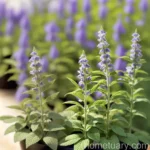
Salvia officinalis ‘Purpurascens’ typically blooms in spring to early summer, producing delightful spikes of purple to blue flowers. The flowering period adds ornamental appeal and also attracts pollinators to the garden.
Common Sage for Immune Support
- Antioxidant Attributes: Potential support for overall immune function
- Herbal Tisanes: Incorporating sage into herbal teas for holistic wellness
Salvia officinalis ‘Purpurascens’ Container Care
Container cultivation presents specific considerations for the successful growth and maintenance of Salvia officinalis ‘Purpurascens,’ including:
- Water Management: Monitoring soil moisture in containers and adjusting watering accordingly
- Fertilization: Providing balanced nutrition through organic amendments or controlled-release fertilizers
Common Sage in Traditional Medicine
Traditional medicine systems around the world have recognized the potential health benefits of common sage, integrating it into various herbal remedies and natural healing practices.
Salvia officinalis ‘Purpurascens’ Seasonality
The seasonal characteristics of Salvia officinalis ‘Purpurascens’ encompass its growth and flowering periods, response to climate changes, and cultivation considerations across the seasons.
Common Sage for Stress Relief
The aromatic and soothing properties of common sage have made it a valuable component in stress-relief practices and aromatherapeutic applications:
- Relaxation Blends: Combining sage with calming essential oils for relaxation
- Aromatic Dispersal: Through diffusers and inhalation practices for stress management
Salvia officinalis ‘Purpurascens’ Soil Preparation
- Preplanting Preparation: Amending the soil with organic matter and ensuring good drainage
- Soil Testing: Confirming optimal pH range and fertility levels for sage cultivation
- Site Selection: Choosing well-draining locations for planting sage in the garden or landscape
Common Sage Companion Herbs
In herb gardens and plantings, common sage can associate harmoniously with various companion plants, contributing to mutually beneficial relationships and resource sharing.
Salvia officinalis ‘Purpurascens’ Fertilization Tips
- Balanced Nutrition: Providing essential nutrients through organic amendments or controlled-release fertilizers
- Fertilization Schedule: Applying fertilizer in early spring to support healthy growth and vigor
- Avoiding Excesses: Preventing excessive nitrogen levels that can compromise flavor and aroma
Conclusion
Common sage, particularly the Salvia officinalis ‘Purpurascens’ variety, is a captivating and versatile herb with a rich history of culinary, medicinal, and ornamental uses. From its distinctive purplish foliage to its aromatic and flavorful leaves, this plant offers a wealth of benefits and applications for gardeners, cooks, herbalists, and wellness enthusiasts.
Understanding the culture, care requirements, and uses of common sage is essential for harnessing its full potential in diverse settings, from kitchen gardens to landscaped spaces. Whether it’s infusing culinary creations with its flavorful essence, crafting natural remedies from its therapeutic properties, or simply enhancing the beauty of a garden with its ornamental charm, Salvia officinalis ‘Purpurascens’ holds an esteemed