Sedum album (White Stonecrop) – The Ultimate Plant Care Guide
Welcome to this comprehensive guide on Sedum album, commonly known as White Stonecrop. In this detailed article, we will explore the culture, uses, care, and maintenance of Sedum album plants. Whether you are a seasoned gardener or just starting, this guide is designed to provide all the information you need to successfully grow and care for this beautiful and versatile plant.
What is Sedum album (White Stonecrop)?
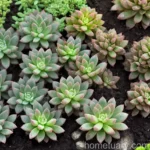
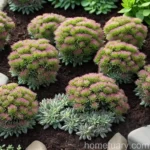
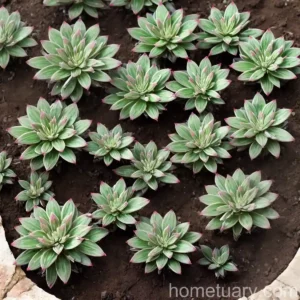
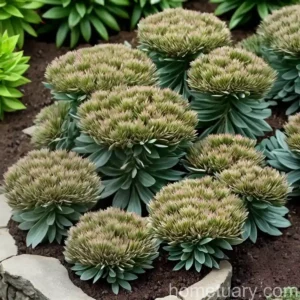
Sedum album, also known as White Stonecrop, is a low-growing perennial plant belonging to the Crassulaceae family. This hardy and drought-tolerant plant is native to Europe, North Africa, and parts of Asia. It is characterized by its succulent leaves and star-shaped white flowers that bloom in late spring to early summer.
Key Takeaways: Sedum album (White Stonecrop)
Before we dive into the specifics of caring for Sedum album, let’s take a quick look at the key takeaways of this plant:
- Plant Name: Sedum album (White Stonecrop)
- Botanical Family: Crassulaceae
- Native Range: Europe, North Africa, and parts of Asia
- Characteristics: Low-growing, succulent leaves, star-shaped white flowers
- Uses: Ground cover, rock gardens, containers, erosion control
- Watering: Low to moderate water requirements
- Sunlight: Full sun to partial shade
- Soil Preferences: Well-draining, sandy or rocky soil
- Propagation: Easily propagated from stem cuttings or division
- Hardiness Zones: Typically suited for USDA hardiness zones 3-8
Now that we have an overview of Sedum album, let’s delve into the specifics of its culture, uses, and care requirements.
Culture of Sedum album (White Stonecrop)
Understanding the cultural requirements of Sedum album is essential for ensuring its healthy growth and development. From planting to maintenance, here’s a detailed look at the culture of this versatile plant.
Uses
Sedum album has a wide range of uses in the garden and landscaping. Some common uses include:
- Ground Cover: With its low-growing and spreading habit, Sedum album is an excellent ground cover plant, particularly for rocky or sloped areas.
- Rock Gardens: The compact nature and drought tolerance of Sedum album make it an ideal choice for rock gardens, adding texture and interest to the landscape.
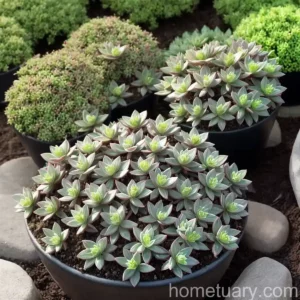
- Containers: It can be grown in containers or hanging baskets, providing a cascading and trailing effect with its foliage.
- Erosion Control: Its ability to form dense mats of foliage makes it useful for stabilizing soil and preventing erosion on embankments or slopes.
Water
Sedum album has moderate water needs once established. It is important to avoid overwatering, as it is susceptible to rot in consistently moist or waterlogged soil. A well-draining soil and periodic deep watering are ideal for this plant.
Sunlight
This plant thrives in full sun to partial shade. While it can tolerate some shade, it generally performs best when exposed to ample sunlight. When grown in shadier conditions, it may exhibit elongated growth and reduced flowering.
Fertilizer
Sedum album generally does not require regular fertilization. In fact, rich soils or excessive fertilization can lead to overly lush growth and reduced drought tolerance. A light application of a balanced fertilizer in spring may be beneficial, but it is not essential for the plant’s success.
Soil
The soil preferences of Sedum album are centred on well-draining, sandy, or rocky soil. It is tolerant of poor, gravelly, or dry soils, making it an excellent choice for challenging growing conditions. Amending the soil with organic matter or sand can aid in improving drainage, particularly in clay-heavy soils.
Pruning
Pruning requirements for Sedum album are minimal. However, removing spent flower heads can encourage prolonged flowering and maintain a neat appearance. Additionally, pruning or trimming back any overly leggy growth can help rejuvenate the plant and promote denser foliage.
Propagation
Sedum album is easily propagated through stem cuttings or division. Stem cuttings can be taken in spring or early summer, while division is best carried out in the spring when new growth is emerging. Both methods are reliable for creating new plants from existing ones.
Container Popularity
The compact growth habit and low maintenance nature of Sedum album make it a popular choice for container gardening. Its ability to thrive in containers, both indoors and outdoors, adds versatility to its uses and allows for creative landscaping and design possibilities.
Common Diseases
While Sedum album is generally resistant to most pests and diseases, it may be susceptible to certain issues under specific conditions. Some common diseases that may affect Sedum album include:
- Powdery Mildew: This fungal disease can occur in humid or poorly ventilated conditions, leading to a powdery white growth on the foliage.
- Root Rot: Overwatering or poorly drained soil can cause root rot in Sedum album, resulting in wilting and decline of the plant.
Disease Diagnosis
Diagnosing diseases in Sedum album involves careful observation of its foliage, stems, and overall health. Symptoms such as white powdery patches on the leaves may indicate powdery mildew, while yellowing or wilting despite adequate watering may point to root rot. Prompt action and appropriate treatment can help mitigate disease issues.
Common Pests
Sedum album is relatively resistant to pest infestations, but some common pests that may affect it include:
- Aphids: These small, sap-sucking insects can cluster on the new growth of Sedum album, causing distortion and stunted growth.
- Slugs and Snails: These mollusks can feed on the foliage of Sedum album, particularly in damp or moist conditions, leading to unsightly damage.
Botanist’s Tips
To ensure the optimal growth and health of Sedum album, consider the following botanist’s tips:
- Plant in well-draining soil to prevent waterlogged conditions.
- Avoid overwatering, particularly in heavy or clay soils.
- Provide ample sunlight for robust growth and flowering.
- Periodically check for pest infestations and address them promptly.
- Consider companion planting with other drought-tolerant species for a cohesive landscape.
Fun Facts
As we explore the world of Sedum album, here are some fun and interesting facts about this plant:
- Medicinal Folklore: In traditional herbal medicine, Sedum album has been used for its purported medicinal properties, including wound healing and skin ailments.
- Wildlife Attraction: The nectar-rich flowers of Sedum album attract pollinators such as butterflies, bees, and other beneficial insects, contributing to biodiversity in the garden.
Links to External Resources
To further expand your knowledge and understanding of Sedum album, consider exploring the following external resources:
- The Royal Horticultural Society – Sedum album
- Missouri Botanical Garden – Sedum album
- University of Illinois Extension – Sedum for Pollinators
- American Society for the Prevention of Cruelty to Animals – Toxic and Non-Toxic Plants: White Stonecrop
With an understanding of the cultural requirements and uses of Sedum album, you can confidently cultivate and incorporate this versatile plant into your gardens and landscapes. Whether used as a ground cover, container specimen, or rock garden feature, Sedum album brings charm and resilience to any outdoor setting.
In the following sections, we will explore specific aspects of White Stonecrop care, including its propagation, varieties, and maintenance. Stay tuned for a detailed guide on how to grow and care for Sedum album, providing you with all the tools and knowledge necessary to achieve success with this exceptional plant.
Stay tuned for the next segment, where we will delve into the propagation techniques and varieties of Sedum album, offering valuable insights into expanding your garden with this captivating plant.