Salvia guaranitica ‘Black and Blue’ (Anise-Scented Sage): A Comprehensive Guide
Salvia guaranitica ‘Black and Blue,’ also known as Anise-Scented Sage, is a beautiful and versatile plant that is popular among gardeners for its striking flowers and aromatic foliage. In this comprehensive guide, we will explore the various aspects of caring for and cultivating the Salvia guaranitica ‘Black and Blue’ plant. From its cultural requirements and uses to its growth habits and maintenance, we will delve into every aspect of this stunning perennial.
What is Salvia guaranitica ‘Black and Blue’?
Salvia guaranitica ‘Black and Blue’ is a perennial plant that is native to South America, particularly Brazil and Argentina. It belongs to the Lamiaceae family and is known for its vibrant blue flowers and anise-scented foliage. This plant is commonly referred to as Anise-Scented Sage due to the distinctive aroma of its leaves, which resembles that of anise or licorice.
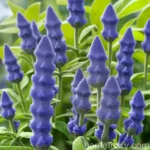
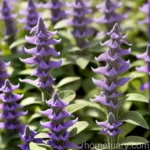
The ‘Black and Blue’ variety of Salvia guaranitica is renowned for its deep cobalt blue flowers and dark calyxes, which create a striking contrast against the lush green foliage. This particular cultivar has gained popularity for its ornamental value and its ability to attract pollinators such as butterflies and hummingbirds.
Key Takeaways – Salvia guaranitica ‘Black and Blue’ (Anise-Scented Sage)
Before we delve into the specifics of caring for Salvia guaranitica ‘Black and Blue,’ let’s highlight some key takeaways about this remarkable plant:
- Plant Name: Salvia guaranitica ‘Black and Blue’ (Anise-Scented Sage)
- Cultural Uses: Ornamental, pollinator-friendly, aromatic foliage
- Water: Moderate watering requirements
- Sunlight: Full sun to partial shade
- Fertilizer: Balanced fertilizer during the growing season
- Soil: Well-draining, rich soil
- Pruning: Regular deadheading to promote continuous blooming
- Propagation: Easily propagated from stem cuttings
- Container Popularity: Well-suited for container gardening
- Common Diseases: Powdery mildew, leaf spot
- Common Pests: Whiteflies, aphids
- Planting Tips: Thrives in moist, humus-rich soil
- Growth Requirements: Adequate sunlight and regular watering
- Companion Plants: Attracts pollinators, suitable for mixed borders
- Landscape Ideas: Ideal for cottage gardens, wildlife gardens
- Blooming Period: Summer to fall
- Sun Exposure: Full sun to partial shade
- Soil Preferences: Well-draining, fertile soil
- Propagation Methods: Stem cuttings, division
- Drought Tolerance: Moderate drought tolerance
- Hardiness Zones: Suitable for Zones 7-10
- Perennial Plant: Long-lived perennial
- Wildlife Attraction: Attracts pollinators such as butterflies and hummingbirds
- Fragrance: Distinct anise-like fragrance
- Medicinal Uses: Traditional medicinal herb with potential health benefits
- Winter Care: Mulching and protection in colder climates
- Container Plant Care: Well-adapted to container cultivation
- Benefits in Herbal Medicine: Potential uses in herbal remedies
Armed with these key takeaways, let’s now explore the specific aspects of caring for the Salvia guaranitica ‘Black and Blue’ plant in greater detail.
Culture
Uses
Salvia guaranitica ‘Black and Blue’ is primarily cultivated for its ornamental value. The striking blue flowers and aromatic foliage make it an attractive addition to gardens and landscapes. Additionally, the plant’s nectar-rich flowers are highly appealing to pollinators, making it a valuable addition to wildlife gardens and pollinator-friendly landscapes.
The aromatic leaves of the Anise-Scented Sage have been traditionally used for their fragrance and potential medicinal properties. In herbal medicine, Salvia species have been associated with various health benefits, and the aromatic compounds found in the leaves have been utilized in traditional remedies.
Water
When it comes to watering, Salvia guaranitica ‘Black and Blue’ thrives in moderately moist conditions. While it is important to avoid waterlogged soils, consistent watering is essential, especially during the hot summer months. Once established, the plant exhibits moderate drought tolerance, but regular watering is still crucial for optimal growth and flowering.
Sunlight
In terms of sunlight requirements, Salvia guaranitica ‘Black and Blue’ thrives in full sun to partial shade. In regions with intense heat, providing some afternoon shade can be beneficial, as it helps prevent the plant from becoming stressed during the hottest part of the day. Adequate sunlight is essential for promoting robust growth and abundant flowering.
Fertilizer
The application of a balanced, all-purpose fertilizer during the growing season can promote healthy growth and prolific flowering in Salvia guaranitica ‘Black and Blue.’ A slow-release fertilizer can be incorporated into the soil at the beginning of the growing season, ensuring a steady supply of essential nutrients for the plant.
Soil
Salvia guaranitica ‘Black and Blue’ thrives in well-draining, fertile soil. A loamy, humus-rich soil that retains moisture without becoming waterlogged is ideal for this plant. Organic matter such as compost can be incorporated into the soil to improve its structure and fertility, providing an optimal growing medium for the Anise-Scented Sage.
Pruning
Regular deadheading, which involves removing spent flowers, is a key aspect of maintaining Salvia guaranitica ‘Black and Blue.’ This practice not only helps to keep the plant looking tidy and attractive but also encourages continuous blooming throughout the growing season. Additionally, any discolored or damaged foliage should be promptly removed to promote overall plant health.
Propagation
Salvia guaranitica ‘Black and Blue’ can be easily propagated through stem cuttings. This propagation method offers a reliable way to create new plants from existing ones, allowing gardeners to expand their Salvia collection or share the plant with others. Stem cuttings taken from healthy, actively growing shoots can be rooted in a well-draining potting mix to establish new plants.
Container Popularity
The compact growth habit and ornamental appeal of Salvia guaranitica ‘Black and Blue’ make it well-suited for container gardening. Whether grown in individual containers or as part of a mixed container display, the plant adds a vibrant splash of color and fragrance to outdoor spaces. When cultivated in containers, it is important to ensure adequate drainage and provide regular watering and fertilization as necessary.
Common Diseases
While Salvia guaranitica ‘Black and Blue’ is relatively resilient, it is susceptible to certain diseases that can impact its health and appearance. Two common diseases that may affect this plant are powdery mildew and leaf spot.
Disease Diagnosis:
– Powdery Mildew: A fungal disease that manifests as a white powdery coating on the leaves and stems of the plant.
– Leaf Spot: Characterized by the presence of dark, water-soaked spots on the foliage, often accompanied by yellowing or browning of the affected areas.
To prevent and manage these diseases, it is important to maintain good air circulation around the plant, avoid overhead watering, and promptly remove any diseased foliage to prevent the spread of infection.
Common Pests
In addition to diseases, certain pests can pose a threat to Salvia guaranitica ‘Black and Blue.’ Common pests that gardeners may encounter when cultivating this plant include whiteflies and aphids.
Common Pests:
– Whiteflies: Small, winged insects that congregate on the undersides of the leaves, where they feed on the plant’s sap, potentially leading to yellowing and stunted growth.
– Aphids: Tiny, soft-bodied insects that often gather in large numbers on new growth, causing damage by extracting sap from the plant and excreting honeydew, which can attract other pests and promote the growth of sooty mold.
Regular monitoring of the plant can help detect pest infestations early, and natural predators such as ladybugs can contribute to biological pest control. In cases of severe infestations, targeted measures such as insecticidal soap or neem oil may be employed to manage the pests while minimizing harm to beneficial insects.
Botanist’s Tips
For optimal success in cultivating Salvia guaranitica ‘Black and Blue,’ consider the following tips from botanists and experienced gardeners:
- Choose the Right Location: Select a planting site that offers well-draining soil and adequate sunlight, ensuring optimal growing conditions for the Anise-Scented Sage.
- Monitor Watering Closely: While the plant exhibits moderate drought tolerance once established, it is important to maintain consistent moisture levels to support healthy growth and flowering.
- Encourage Pollinators: Capitalize on the plant’s ability to attract pollinators by incorporating it into pollinator-friendly landscapes and providing a diverse range of nectar-rich flowers to support local wildlife.
- Harvest and Preserve Leaves: Consider utilizing the aromatic leaves of Salvia guaranitica ‘Black and Blue’ for herbal or culinary purposes, exploring their potential uses in teas, potpourris, or aromatic sachets.
Fun Facts
Beyond its ornamental and aromatic qualities, Salvia guaranitica ‘Black and Blue’ holds several intriguing and noteworthy attributes:
- Historical Significance: Salvia species have a rich historical and cultural significance, with various species being utilized for their medicinal and ceremonial purposes by indigenous cultures.
- Attractive to Hummingbirds: The vibrant blue flowers of Salvia guaranitica ‘Black and Blue’ are particularly appealing to hummingbirds, making it a valuable addition to gardens designed to attract these charismatic birds.
- Traditional Medicinal Uses: While scientific research on the medicinal properties of Salvia guaranitica is ongoing, the aromatic leaves have been utilized in traditional herbal medicine for their potential health benefits.
- Diverse Landscaping Applications: In addition to its role in pollinator gardens, this versatile plant can be incorporated into woodland gardens, mixed borders, or naturalized areas, adding visual interest and fragrance to the landscape.
Links to External Resources
For further information on Salvia guaranitica ‘Black and Blue’ and related topics, consider exploring the following external resources:
- Royal Horticultural Society (RHS) – Salvia guaranitica ‘Black and Blue’
- Missouri Botanical Garden – Salvia guaranitica
As we’ve journeyed through the various aspects of Salvia guaranitica ‘Black and Blue,’ it becomes evident that this plant is not only visually striking but also offers ecological and potentially medicinal benefits. Whether admired for its ornamental appeal, cherished for its aromatic foliage, or appreciated for its role in supporting local wildlife, the Anise-Scented Sage holds a special place in the world of horticulture and botanical exploration. By understanding and embracing the unique characteristics of this plant, gardeners and plant enthusiasts can cultivate a deeper appreciation for its beauty and ecological importance.
As we conclude our in-depth exploration of Salvia guaranitica ‘Black and Blue,’ may this guide serve as a valuable resource for anyone seeking to cultivate, appreciate, and celebrate the remarkable attributes of this captivating perennial plant.