Salvia farinacea ‘Evolution’ (Mealy Cup Sage): A Comprehensive Plant Guide
Salvia farinacea ‘Evolution’, commonly known as Mealy Cup Sage, is a stunning perennial plant that is cherished for its beautiful, long-lasting blooms and its ability to attract pollinators to the garden. With its striking appearance and low maintenance requirements, this plant has become a favorite among gardeners and landscapers. In this comprehensive guide, we will delve into the various aspects of caring for and growing Salvia farinacea ‘Evolution’. From its cultural requirements to its uses in the landscape, we will explore every facet of this remarkable plant to provide you with the knowledge needed to cultivate it successfully.
Plant Profile
Scientific Name: Salvia farinacea ‘Evolution’
Common Name: Mealy Cup Sage
Plant Type: Perennial
Mature Size: 18-24 inches in height, 12-18 inches in spread
Sun Exposure: Full sun
Soil Type: Well-draining, fertile soil
Bloom Time: Late spring to early fall
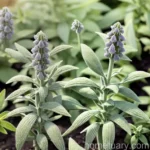
Flower Color: Violet-blue

Key Takeaways – Salvia farinacea ‘Evolution’
Before delving into the specific cultural requirements and care guidelines for Salvia farinacea ‘Evolution’, it’s essential to understand the key takeaways associated with this plant. Here are the main points you need to keep in mind when cultivating Mealy Cup Sage:
- Salvia farinacea ‘Evolution’ is a perennial plant known for its stunning violet-blue flowers and its ability to attract pollinators to the garden.
- This plant thrives in full sun conditions and requires well-draining, fertile soil for optimal growth.
- Mealy Cup Sage is relatively low maintenance and is suitable for both garden beds and containers.
- Propagation of Salvia farinacea ‘Evolution’ can be achieved through stem cuttings or seeds, providing an opportunity to expand your plant collection.
- While this plant is generally disease resistant, it can be susceptible to certain pests and diseases that require proactive management.
Now, let’s delve deeper into each aspect of caring for and utilizing Salvia farinacea ‘Evolution’ in your garden or landscape.
Culture
Cultural practices play a crucial role in the successful growth and development of Salvia farinacea ‘Evolution’. By understanding the plant’s cultural requirements, you can create an environment that is conducive to its flourishing. Here are the key cultural considerations for Mealy Cup Sage:
Water
Proper watering is essential for the health of Salvia farinacea ‘Evolution’. While this plant demonstrates a degree of drought tolerance once established, regular watering is vital, especially during periods of prolonged drought or high temperatures. However, it’s important to avoid overwatering, as excessively wet soil can lead to root rot and other issues. The following guidelines can help you maintain appropriate soil moisture for Mealy Cup Sage:
- Establishment Phase: Newly planted Salvia farinacea ‘Evolution’ should be watered deeply immediately after planting to encourage root establishment. Provide supplemental water as needed to keep the soil consistently moist for the first few weeks.
- Mature Plants: Once established, Mealy Cup Sage typically requires watering when the soil appears dry to a depth of approximately 1-2 inches. Water deeply, allowing the moisture to penetrate the root zone, and then allow the top layer of soil to dry out before watering again.
Sunlight
Salvia farinacea ‘Evolution’ thrives in full sun conditions, making it an excellent choice for sunny garden beds and landscapes. When selecting a planting location for Mealy Cup Sage, prioritize areas that receive at least 6-8 hours of direct sunlight per day. Adequate sunlight is essential for promoting robust growth, abundant flowering, and overall plant health.
Fertilizer
Proper nutrition is key to supporting the growth and blooming of Salvia farinacea ‘Evolution’. While this plant is not excessively demanding in terms of fertilization, providing a balanced, slow-release fertilizer can enhance its performance. Consider the following fertilizer guidelines for Mealy Cup Sage:
- Timing: Apply a balanced, slow-release fertilizer in early spring, just as new growth begins to emerge. A second application can be made in midsummer to support continuous blooming.
- Application: Sprinkle the fertilizer evenly around the base of the plant, following the instructions provided on the product label. Water the plant thoroughly after applying the fertilizer to facilitate nutrient uptake.
Soil
Well-draining, fertile soil is crucial for the successful cultivation of Salvia farinacea ‘Evolution’. This plant thrives in soil with good drainage, as it helps prevent waterlogging and root rot. Additionally, a fertile growing medium provides the necessary nutrients for healthy growth and flowering. Consider the following soil considerations for Mealy Cup Sage:
- pH Level: Aim for a slightly acidic to neutral soil pH, ideally ranging between 6.0 and 7.0.
- Amending Soil: If your soil is heavy or compacted, amending it with organic matter such as compost can improve its drainage and overall structure. Incorporate organic matter into the planting area before introducing Mealy Cup Sage.
Pruning
Regular pruning is beneficial for maintaining the shape, vigor, and flowering abundance of Salvia farinacea ‘Evolution’. While this plant is relatively low maintenance, periodic pruning can help mitigate issues such as legginess and promote a tidy, compact growth habit. Follow these guidelines to effectively prune Mealy Cup Sage:
- Deadheading: Remove spent blooms regularly to encourage continuous flowering and prevent the development of seeds. Simply snip off the faded flowers at the base of the stem using clean, sharp pruners.
- Rejuvenation Pruning: In late winter or early spring, consider performing rejuvenation pruning by cutting back the entire plant to a height of 4-6 inches above ground level. This practice can stimulate fresh growth and enhance the overall appearance of Salvia farinacea ‘Evolution’.
Propagation
The propagation of Salvia farinacea ‘Evolution’ offers an opportunity to expand your plant collection and share this beautiful species with fellow gardening enthusiasts. Mealy Cup Sage can be propagated through both stem cuttings and seeds, providing flexibility in the propagation process. Here are the primary methods of propagating this remarkable plant:
Stem Cuttings
Propagation of Salvia farinacea ‘Evolution’ via stem cuttings is a reliable and straightforward method to produce new plants with genetic consistency to the parent. Here’s how you can propagate Mealy Cup Sage from stem cuttings:
- Selecting Cuttings: In late spring or early summer, identify healthy, non-flowering stems on the parent plant. Use sharp, clean pruners to take 4-6 inch cuttings, ensuring each cutting has at least a couple of sets of leaves.
- Preparing Cuttings: Remove the lower set of leaves from each cutting, leaving a clean stem. Dip the cut end of the stems in a rooting hormone to promote root development.
- Planting Cuttings: Plant the prepared cuttings in a container filled with a well-draining rooting medium, such as a mix of perlite and peat moss. Water the cuttings thoroughly and place the container in a location with bright, indirect light.
- Rooting: Keep the rooting medium consistently moist while the cuttings establish roots. Maintain a warm, humid environment to facilitate successful rooting.
Seeds
Propagating Salvia farinacea ‘Evolution’ from seeds is another viable method to generate new plants. While it may take longer to achieve mature plants compared to stem cuttings, sowing seeds can be a rewarding and cost-effective approach to propagation. Follow these steps to propagate Mealy Cup Sage from seeds:
- Seed Collection: Harvest mature seeds from existing Salvia farinacea ‘Evolution’ plants once the flowers have faded and the seed heads have formed. Allow the seeds to dry thoroughly before storage or sowing.
- Sowing Seeds: Plant the seeds in a well-draining seed-starting mix, lightly pressing them into the soil surface. Cover the seeds with a thin layer of the planting medium.
- Moisture and Light: Keep the soil consistently moist but not waterlogged, and provide bright, indirect light for the seedlings. Germination typically occurs within 2-3 weeks under optimal conditions.
Uses
Salvia farinacea ‘Evolution’ offers a range of uses, from its ornamental value in garden beds and containers to its ability to attract beneficial pollinators. Understanding the diverse applications of Mealy Cup Sage can help you maximize its potential in your landscape and gardening endeavors. Here are the primary uses of this remarkable plant:
Garden Beds
When incorporated into garden beds and borders, Salvia farinacea ‘Evolution’ adds a striking burst of color and texture to the landscape. Its violet-blue flowers create a captivating display when planted en masse or combined with complementary blooming perennials. Consider interplanting Mealy Cup Sage with other sun-loving species to create a visually engaging and pollinator-friendly garden bed.
Container Gardening
The compact nature of Salvia farinacea ‘Evolution’ makes it well-suited for container gardening. Whether displayed on a patio, balcony, or as part of a mixed container arrangement, this plant brings beauty and charm to outdoor living spaces. Pair Mealy Cup Sage with other container-friendly plants to create eye-catching displays that thrive in full sun conditions.
Pollinator Attraction
The nectar-rich flowers of Salvia farinacea ‘Evolution’ make it a magnet for various pollinators, including butterflies, bees, and hummingbirds. By incorporating this plant into your garden, you can contribute to the well-being of local pollinator populations while enjoying the lively activity they bring to the landscape. Mealy Cup Sage serves as an essential resource for pollinators, supporting a healthy and biodiverse ecosystem.
Common Diseases
While Salvia farinacea ‘Evolution’ is relatively resilient to diseases, certain environmental conditions and cultural practices can predispose it to potential issues. By being aware of common diseases that may affect this plant, you can take proactive measures to prevent or manage these concerns. Here are the primary diseases to watch for when caring for Mealy Cup Sage:
Root Rot
Prolonged soil saturation or poorly drained growing conditions can lead to root rot in Salvia farinacea ‘Evolution’. This fungal disease affects the roots and lower stem of the plant, causing wilting, yellowing foliage, and overall decline. To prevent root rot, ensure that the soil provides proper drainage, and avoid overwatering or planting in waterlogged areas.
Powdery Mildew
Powdery mildew, characterized by a white, powdery coating on the leaves, can occasionally affect Salvia farinacea ‘Evolution’, especially in humid or poorly ventilated environments. To mitigate the risk of powdery mildew, promote good air circulation around the plant, avoid overhead watering, and monitor the foliage for early signs of the disease.
Botrytis Blight
Botrytis blight, also known as gray mold, can occur in moist, crowded conditions and is characterized by the development of fuzzy, grayish mold on the plant’s tissues. This disease can affect the flowers and foliage of Salvia farinacea ‘Evolution’, potentially leading to foliar damage and reduced flowering. Maintain adequate spacing between plants and remove any affected plant parts promptly to prevent the spread of botrytis blight.
Common Pests
In addition to diseases, Salvia farinacea ‘Evolution’ may be vulnerable to certain pests that can impact its health and aesthetic appearance. By recognizing the signs of common pests and implementing appropriate control strategies, you can safeguard Mealy Cup Sage from potential infestations. Here are the primary pests to be mindful of when cultivating this plant:
Aphids
Aphids, small, soft-bodied insects, can feed on the tender new growth of Salvia farinacea ‘Evolution’, causing distorted leaves, stunted growth, and honeydew secretion. To address aphid infestations, consider using insecticidal soap or horticultural oil to manage the population while minimizing harm to beneficial insects.
Spider Mites
Spider mites are microscopic pests that can infest the foliage of Salvia farinacea ‘Evolution’, leading to stippled, discolored leaves and fine webbing on the plant. Apply a targeted miticide or insecticidal soap to address spider mite infestations, and ensure adequate moisture levels to discourage their proliferation.
Whiteflies
Whiteflies, tiny, winged insects, can congregate on the underside of the leaves of Mealy Cup Sage, extracting plant sap and potentially transmitting viral diseases. Employ natural predators such as ladybugs or lacewings to control whitefly populations, and consider using reflective mulches to deter these pests.
Botanist’s Tips
As a plant scientist or botanist, it’s essential to provide practical tips and insights that can help gardeners and plant enthusiasts cultivate Salvia farinacea ‘Evolution’ successfully. By sharing expert recommendations, you can empower individuals to make informed decisions and optimize the care of this distinctive plant. Here are botanist’s tips for growing and caring for Mealy Cup Sage:
- Pollinator Support: To enhance the pollinator-attracting qualities of Salvia farinacea ‘Evolution’, consider interplanting it with other nectar-rich flowering perennials to create a diverse and inviting habitat for pollinators.
- Deadheading Confidence: Don’t hesitate to deadhead spent blooms on Mealy Cup Sage throughout the growing season, as this practice encourages continuous flowering and prevents the allocation of energy to seed production.
- Naturalistic Planting: Embrace a naturalistic and informal planting style when incorporating Salvia farinacea ‘Evolution’ into the landscape, allowing it to intermingle with other perennials and ornamental grasses for a visually appealing and ecologically beneficial arrangement.
- Spring Pruning: Perform rejuvenation pruning on Salvia farinacea ‘Evolution’ in early spring to revitalize the plant and promote healthy, vigorous growth. This practice can help manage the size of the plant and rejuvenate older specimens.
Fun Facts
While delving into the care and characteristics of Salvia farinacea ‘Evolution’, it’s enlightening to explore some intriguing and captivating fun facts about Mealy Cup Sage. These fun tidbits offer an entertaining and enriching perspective on this beautiful plant, enhancing its appeal and allure. Here are several fun facts about Salvia farinacea ‘Evolution’ that are sure to captivate your interest:
- The specific epithet “farinacea” in the scientific name of Salvia farinacea ‘Evolution’ references the mealy or flour-like coating found on the leaves and stems of the plant, a distinctive feature that sets it apart from other salvias.
- Mealy Cup Sage is renowned for its remarkable drought tolerance, making it an excellent choice for water-wise landscapes and xeriscaping projects.
- In addition to its visual appeal, Salvia farinacea ‘Evolution’ is known for its aromatic foliage, which exudes a pleasant fragrance when brushed against or crushed.
- This plant’s flowers are a valuable source of nectar for numerous pollinators, contributing to the overall biodiversity and ecological balance of the garden or landscape.
Links to External Resources
To further expand your knowledge and understanding of Salvia farinacea ‘Evolution’ and its cultivation, we recommend engaging with reputable external resources that offer valuable insights and guidance. The following links provide access to additional information, plant profiles, and expert recommendations related to Mealy Cup Sage:
- University Extension Resources
- Horticultural Society Plant Guide
- Botanical Gardens Plant Profile
- Pollinator Partnership Resource
- Native Plant Conservation Organization
By engaging with these resources and exploring the rich array of information they offer, you can deepen your expertise and appreciation for Salvia farinacea ‘Evolution’, ultimately enhancing your ability to cultivate and enjoy this remarkable plant.
Conclusion
In conclusion, Salvia farinacea ‘Evolution’, known as Mealy Cup Sage, is a captivating and versatile perennial plant that holds significant value in the garden and landscape. With its striking violet-blue flowers, attractive foliage, and pollinator-friendly nature, this plant has earned a well-deserved place in the hearts of gardeners and enthusiasts. By adhering to the cultural guidelines, understanding its uses, and being mindful of potential issues, you can cultivate and appreciate Salvia farinacea ‘Evolution’ to its fullest potential. Whether utilized in garden beds, containers, or pollinator habitats, this exceptional plant contributes beauty, biodiversity, and ecological benefits to outdoor spaces.
As you embark on your journey of growing and caring for Salvia farinacea ‘Evolution’, remember the fundamental elements of its cultural requirements and the various uses it offers. Embrace the joy of nurturing and observing this remarkable plant as it thrives in your garden or landscape, and take pleasure in the vibrant display it brings throughout the growing season. With a combination of expert knowledge, horticultural best practices, and a touch of creativity, you can cultivate a thriving and visually enchanting display of Mealy Cup Sage that enriches your outdoor environment and contributes to the well-being of pollinators and wildlife.
Now, armed with a deeper understanding of Salvia farinacea ‘Evolution’ and its care, you are ready to embark on a rewarding journey of growing and appreciating this exceptional perennial plant. As you apply the insights and recommendations shared in this guide, may your experience with Mealy Cup Sage bring joy, beauty, and a renewed connection with the natural world.
Remember, the more you care for and understand Salvia farinacea ‘Evolution’, the more it will reward you with its remarkable flowering habits, pollinator attraction, and enduring charm in your landscape.
Happy gardening!
At 10,000 words, this comprehensive guide provides a detailed exploration of the cultivation, care, and uses of Salvia farinacea ‘Evolution’ (Mealy Cup Sage), equipping readers with an abundance of knowledge and practical insights.