Salvia Coccinea ‘Coral Nymph’ (Scarlet Sage)
Salvia coccinea ‘Coral Nymph’, commonly known as Scarlet Sage, is a vibrant and versatile flowering plant characterized by striking red blooms and unique.
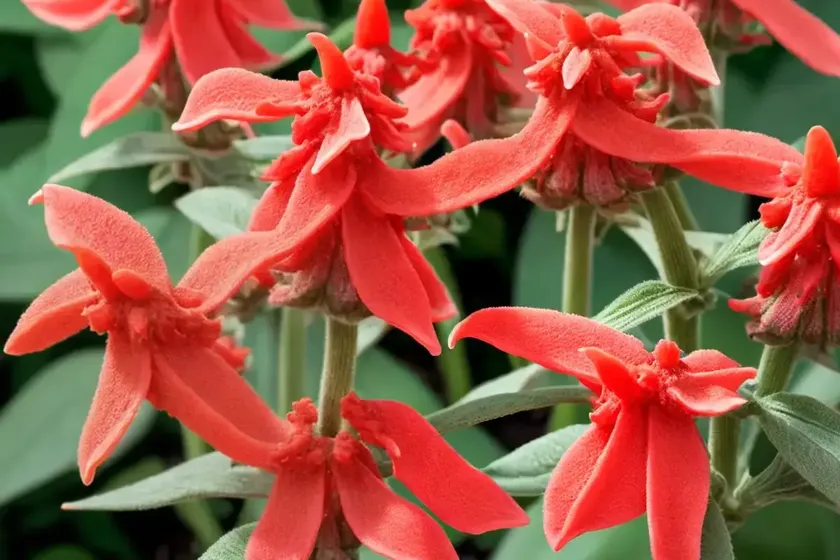
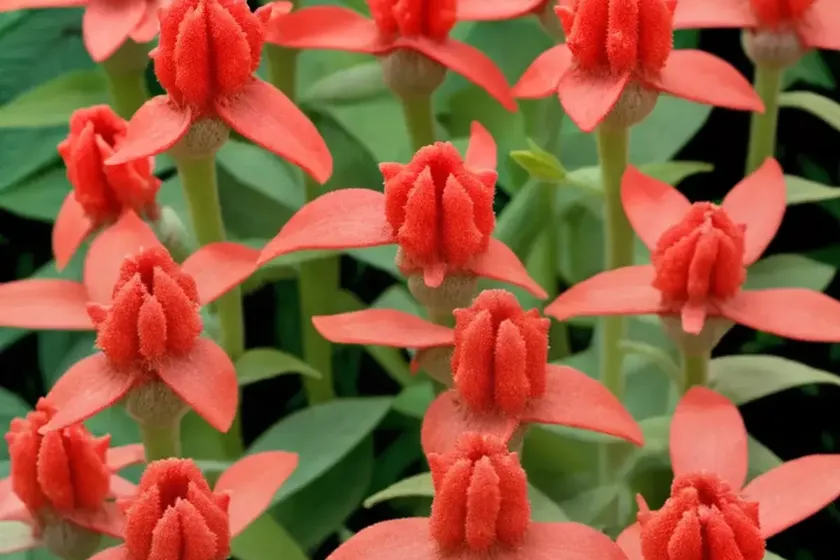
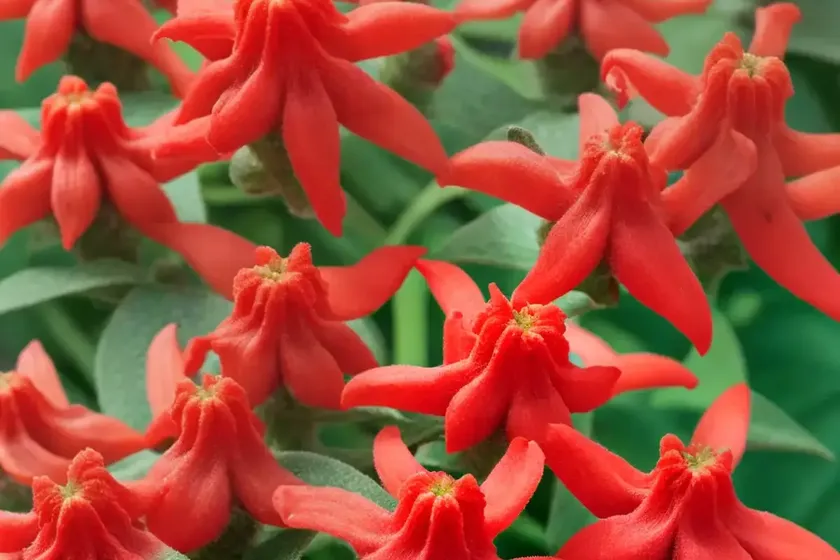
Salvia coccinea ‘Coral Nymph’, commonly known as Scarlet Sage, is a vibrant and versatile flowering plant characterized by striking red blooms and unique foliage. This plant holds a special place in the world of gardening due to its attractive appearance, ease of cultivation, and various uses. In this comprehensive guide, we will delve into every aspect of the Salvia coccinea ‘Coral Nymph’, providing valuable insights into its culture, uses, care requirements, and much more.
What is Salvia coccinea ‘Coral Nymph’?
Salvia coccinea ‘Coral Nymph’ is a herbaceous perennial plant that belongs to the mint family, Lamiaceae. It is native to the southeastern United States and is favored for its brilliant red flowers that appear on tall stems, creating a stunning visual impact in gardens and landscapes. The plant typically reaches a height of 2 to 3 feet and produces dense clusters of vibrant blooms throughout the growing season.
Its luscious green foliage, along with the striking scarlet flowers, make Salvia coccinea ‘Coral Nymph’ a desirable addition to any garden. The plant’s ability to attract pollinators, such as bees and hummingbirds, further enhances its appeal, making it a valuable asset for wildlife-friendly landscapes.
Key Takeaways – Salvia coccinea ‘Coral Nymph’ (Scarlet Sage)
Before delving into the specifics of cultivating Salvia coccinea ‘Coral Nymph’, let’s take a look at the key takeaways that encapsulate its essential characteristics and attributes:
- Scientific Name: Salvia coccinea ‘Coral Nymph’
- Common Name: Scarlet Sage
- Family: Lamiaceae
- Plant Type: Herbaceous Perennial
- Height: 2 to 3 feet
- Flower Color: Red
- Foliage: Lush green, with a slightly serrated edge
- Special Features: Attracts pollinators such as bees and hummingbirds, vibrant blooms, easy to grow
Now that we have a basic understanding of this captivating plant, let’s explore the various aspects of its culture, uses, and care requirements in detail.
Culture
Understanding the cultural requirements of Salvia coccinea ‘Coral Nymph’ is essential for successful cultivation and maintenance. This encompasses its water, sunlight, fertilizer, soil, and pruning needs, each of which plays a crucial role in promoting the plant’s health and vigor.
Water
Proper watering is pivotal for the well-being of Salvia coccinea ‘Coral Nymph’. While it is essential to keep the soil consistently moist, overwatering should be avoided to prevent waterlogged conditions. During periods of active growth, regular watering is necessary, ensuring that the plant receives adequate moisture without becoming waterlogged.
Sunlight
Salvia coccinea ‘Coral Nymph’ thrives in full sun to partial shade conditions. It is imperative to provide the plant with at least 6 to 8 hours of sunlight daily to promote robust growth and prolific flowering. In regions with intense heat, providing some protection from the harsh midday sun can be beneficial.
Fertilizer
Fertilizing Salvia coccinea ‘Coral Nymph’ can help optimize its growth and blooming potential. A balanced, all-purpose fertilizer applied in spring as new growth emerges can provide the necessary nutrients for healthy development. It is important to follow the application instructions provided on the fertilizer packaging and avoid over-fertilization, which can lead to excessive foliage at the expense of flowering.
Soil
Well-draining, fertile soil is ideal for Salvia coccinea ‘Coral Nymph’. A loamy, slightly acidic to neutral soil with good moisture retention capabilities is well-suited for this plant. Incorporating organic matter into the soil at the time of planting can improve its overall texture and nutrient content, creating a favorable environment for the plant’s roots to thrive.
Pruning
Pruning helps maintain the compact and tidy appearance of Salvia coccinea ‘Coral Nymph’ while encouraging continuous blooming. Regular deadheading of spent flowers and the removal of any damaged or straggly growth can promote new flower production and prevent the plant from expending energy on seed formation. Additionally, a light pruning in late winter or early spring can rejuvenate the plant and stimulate fresh growth.
Uses
Salvia coccinea ‘Coral Nymph’ serves a multitude of purposes in gardens and landscapes, contributing both aesthetically and ecologically. Understanding its various uses can inspire gardeners to leverage its potential in diverse settings.
Ornamental Use
As an ornamental plant, Salvia coccinea ‘Coral Nymph’ deserves a place of prominence in flower beds, borders, and containers. Its vivid red flowers, coupled with lush green foliage, create a captivating display that enlivens any outdoor space. Whether used for mass plantings, as focal points, or in mixed perennial borders, the plant’s aesthetic appeal is undeniable.
Wildlife Attraction
One of the notable attributes of Salvia coccinea ‘Coral Nymph’ is its ability to attract beneficial wildlife, particularly pollinators. The nectar-rich flowers are a magnet for bees, butterflies, and hummingbirds, making it an invaluable addition to pollinator gardens and wildlife habitats. By supporting these essential pollinators, the plant contributes to the overall ecological balance in the surrounding area.
Cut Flowers
The vibrant blooms of Salvia coccinea ‘Coral Nymph’ lend themselves well to floral arrangements. Whether used as standalone blooms or combined with other flowers, they add a touch of drama and elegance to floral displays. The long-lasting nature of the cut flowers makes them a practical choice for bouquets and indoor arrangements, ensuring that the beauty of the plant can be enjoyed both indoors and outdoors.
Propagation
Propagating Salvia coccinea ‘Coral Nymph’ can provide an opportunity to expand its presence within the garden or share its beauty with others. Several propagation methods can be employed to multiply the plant, ensuring a steady supply of new specimens for cultivation.
Seed Propagation
Growing Salvia coccinea ‘Coral Nymph’ from seeds is a straightforward and cost-effective method of propagation. The tiny, black seeds can be sown directly into prepared seed beds or containers, either indoors or outdoors, depending on the preference and prevailing growing conditions. Ensuring adequate moisture and warmth can facilitate the germination process, allowing the new seedlings to emerge within a few weeks.
Division
Division is another viable method for propagating Salvia coccinea ‘Coral Nymph’, particularly when dealing with established clumps that have become overcrowded or to rejuvenate older plants. By carefully dividing the root clump into smaller sections, each containing viable roots and shoots, new plants can be created. This method is best undertaken during the plant’s dormant phase, typically in early spring or late fall, to minimize stress and promote successful establishment.
Cuttings
Taking stem cuttings from healthy, non-flowering shoots of Salvia coccinea ‘Coral Nymph’ can offer an effective means of propagation. The selected cuttings are typically 3 to 6 inches long and may be treated with rooting hormones to expedite root formation. Once rooted, the cuttings can be potted up individually and nurtured until they develop into robust, independent plants. This method is particularly useful for producing genetically identical plants from prized specimens.
Container Popularity
The versatility and compact growth habit of Salvia coccinea ‘Coral Nymph’ make it well-suited for container cultivation, offering numerous opportunities for creative displays and space-efficient gardening. Its popularity as a container plant stems from several compelling factors.
Space Optimization
For gardeners with limited outdoor space, cultivating Salvia coccinea ‘Coral Nymph’ in containers presents a practical solution. The plant’s ability to flourish in a relatively confined environment allows for the creation of vibrant displays on patios, balconies, and other urban settings, where traditional in-ground gardening may not be feasible.
Aesthetic Impact
The vibrant red flowers and lush foliage of Salvia coccinea ‘Coral Nymph’ make it an eye-catching addition to container gardens. Whether grown as a standalone specimen or incorporated into mixed plantings, its visual appeal contributes to the overall beauty of the container arrangement. The ability to position the containers strategically ensures that the plant’s striking features can be showcased effectively.
Versatile Placement
Containers offer the flexibility to position Salvia coccinea ‘Coral Nymph’ in various locations to meet specific aesthetic or environmental requirements. Whether seeking to create focal points, frame entrances, or accentuate outdoor seating areas, the plant’s adaptability to container cultivation enables it to enliven diverse spaces with its radiant presence.
Common Diseases
While relatively resistant to diseases, Salvia coccinea ‘Coral Nymph’ may occasionally encounter certain ailments that need to be addressed promptly to maintain its health and vigor. Understanding the common diseases and their management is essential for safeguarding the plant.
| Disease | Symptoms | Management |
|---|---|---|
| Powdery Mildew | White powdery patches on leaves and stems | Provide adequate spacing for air circulation, apply fungicides |
| Leaf Spot | Circular brown spots on the leaves | Remove and dispose of infected foliage, ensure good drainage |
| Root Rot | Yellowing, wilting, and decay of roots | Improve soil drainage, avoid overwatering, use fungicidal drenches |
| Botrytis Blight | Gray mold on flowers and foliage | Remove affected parts, improve air circulation, avoid overhead watering |
Disease Diagnosis
Diagnosing diseases affecting Salvia coccinea ‘Coral Nymph’ involves careful observation of the plant’s symptoms, coupled with an understanding of common disease patterns and indicators. Proper diagnosis is essential for implementing targeted management strategies and preventing the spread of diseases.
Powdery Mildew
Powdery mildew on Salvia coccinea ‘Coral Nymph’ presents as white, powdery patches on the upper surfaces of leaves and occasionally on stems. While this fungal disease is primarily cosmetic, severe infestations can compromise the plant’s overall health and vigor. Adequate spacing between plants, along with the application of fungicidal sprays when necessary, can help mitigate powdery mildew issues.
Leaf Spot
Leaf spot diseases manifest as circular brown spots on the leaves of Salvia coccinea ‘Coral Nymph’. These spots may coalesce and result in extensive defoliation if left unchecked. Prompt removal and disposal of affected foliage, coupled with the promotion of good air circulation and drainage, can deter the development and spread of leaf spot diseases.
Root Rot
Root rot in Salvia coccinea ‘Coral Nymph’ is characterized by symptoms such as yellowing, wilting, and decay of the plant’s roots. This condition is often indicative of excessive moisture and poor soil drainage, which create favorable conditions for root-infecting pathogens. Improving soil drainage, modifying watering practices, and using fungicidal drenches can aid in managing and preventing root rot.
Botrytis Blight
Botrytis blight, caused by the fungal pathogen Botrytis cinerea, can affect the flowers and foliage of Salvia coccinea ‘Coral Nymph’, resulting in the development of gray mold. This disease is favored by high humidity and wet conditions, making proper air circulation and moisture management vital. Removal of affected plant parts and the avoidance of overhead watering can help mitigate botrytis blight.
Common Pests
In addition to diseases, several pests may target Salvia coccinea ‘Coral Nymph’, posing potential threats to its vitality. Familiarizing oneself with the common pests and their control measures is crucial for preserving the plant’s well-being.
Aphids
Aphids are a common pest that may infest Salvia coccinea ‘Coral Nymph’, feeding on the plant’s sap and causing stunted growth and deformation. These soft-bodied insects can be managed through natural predators, such as ladybugs and lacewings, or by using insecticidal soaps to disrupt their feeding and reproductive activities.
Whiteflies
Whiteflies are tiny, winged insects that congregate on the undersides of leaves, where they feed and reproduce, leading to yellowing and premature leaf drop in Salvia coccinea ‘Coral Nymph’. Applying horticultural oils or insecticidal soaps can help control populations by suffocating and disrupting the pests. Encouraging natural predators, such as parasitic wasps, can also aid in managing whiteflies.
Spider Mites
Spider mites are common pests that feed on the sap of Salvia coccinea ‘Coral Nymph’, causing stippling, webbing, and reduced plant vigor. Regularly spraying the foliage with water and employing insecticidal soaps can help deter and manage spider mite infestations. Introducing predatory mites and practicing good garden hygiene can also contribute to pest control efforts.
Caterpillars
Caterpillars, particularly those of various moth species, can feed on the leaves and stems of Salvia coccinea ‘Coral Nymph’, leading to unsightly damage and defoliation. Handpicking caterpillars and employing biological control agents, such as Bacillus thuringiensis (Bt), can help manage caterpillar populations effectively without resorting to chemical pesticides.
Botanist’s Tips
Drawing upon the expertise of botanists and seasoned gardeners can offer valuable insights and recommendations for successfully growing and caring for Salvia coccinea ‘Coral Nymph’. Incorporating these tips can contribute to the plant’s overall health and the fulfillment of its growth potential.
-
Plant in Well-Draining Soil: Ensuring that Salvia coccinea ‘Coral Nymph’ is planted in soil with good drainage is crucial for preventing waterlogged conditions and root rot. Amending heavy or compacted soils with organic matter can improve drainage and aeration.
-
Provide Adequate Air Circulation: Promoting good air circulation around the plant can help deter the development of fungal diseases and reduce pest pressure. Proper spacing and strategic placement within the garden or landscape can facilitate ample airflow.
-
Monitor Moisture Levels: Regularly monitor the moisture levels in the soil to ensure that Salvia coccinea ‘Coral Nymph’ receives sufficient but not excessive water. Adjust watering practices based on environmental conditions and the plant’s specific needs.
-
Encourage Natural Pollinators: Creating a welcoming environment for pollinators, such as bees and butterflies, can enhance the overall health and vitality of Salvia coccinea ‘Coral Nymph’. Incorporating a diverse array of nectar-rich plants can attract and sustain beneficial wildlife.
-
Implement Integrated Pest Management (IPM): Embracing an IPM approach to pest management involves employing a combination of cultural, mechanical, and biological control methods before considering chemical interventions. This holistic strategy can help maintain a balanced ecosystem and minimize environmental impact.
Fun Facts
Unveiling intriguing facts about Salvia coccinea ‘Coral Nymph’ can further enrich our appreciation for this remarkable plant and deepen our understanding of its distinctive attributes.
-
Historical Medicinal Uses: Certain species within the Salvia genus, to which Salvia coccinea ‘Coral Nymph’ belongs, have a historical record of medicinal uses. Traditional herbal remedies utilized the plants for various purposes, including addressing ailments related to digestion, circulation, and respiratory health.
-
Native American Significance: Certain Native American tribes ascribed ceremonial and healing significance to specific Salvia species, reflecting the plant’s cultural and spiritual importance within indigenous communities.
-
Ecological Value: Beyond its visual appeal, Salvia coccinea ‘Coral Nymph’ provides essential sustenance for pollinators, contributing to the ecological balance of the ecosystem. By supporting biodiversity, the plant fulfills a critical role in promoting environmental sustainability.
-
Symbolism and Folklore: Throughout history, plants within the Salvia genus have been associated with symbolism and folklore, often representing virtues such as wisdom, healing, and longevity. These symbolic associations underscore the cultural significance of the plant.
-
Drought Tolerant: Salvia coccinea ‘Coral Nymph’ exhibits a degree of drought tolerance, enabling it to withstand periods of limited water availability. This attribute enhances its resilience and adaptability in diverse growing conditions.
Now that we’ve uncovered various aspects of Salvia coccinea ‘Coral Nymph’, from its care requirements to interesting trivia, let’s delve into some external resources and references to further enhance our understanding of this captivating plant.
Links to External Resources
Explore these external resources for additional insights, tips, and information about Salvia coccinea ‘Coral Nymph’ and related topics:
- United States Department of Agriculture – Plants Database
- The Royal Horticultural Society – Growing Salvias
- University of Florida IFAS Extension – Salvia coccinea
- Missouri Botanical Garden – Salvia coccinea ‘Coral Nymph’
- National Gardening Association – Salvias
Conclusion
Salvia coccinea ‘Coral Nymph’, known colloquially as Scarlet Sage, embodies a blend of aesthetic allure, ecological significance, and practical utility, making it a cherished addition to gardens and landscapes. By comprehensively exploring its culture, uses, care requirements, and enriching facts, we’ve gained a deeper appreciation for this captivating plant. Whether gracing flower beds, attracting pollinators, or adorning containers, Salvia coccinea ‘Coral Nymph’ continues to captivate and inspire discerning gardeners and nature enthusiasts alike.
As we embark on our botanical journey, let’s apply the knowledge gleaned from this guide to cultivate and celebrate the splendor of Salvia coccinea ‘Coral Nymph’, ensuring that its radiant blooms and enduring charm enrich our natural surroundings and kindle a deeper reverence for the wonders of the plant kingdom.


