Salvia Farinacea ‘Fairy Queen’ (Mealy Cup Sage)
Salvia farinacea, commonly known as Mealy Cup Sage, is a stunning perennial plant that is cherished for its delicate blue flowers and aromatic foliage. The.
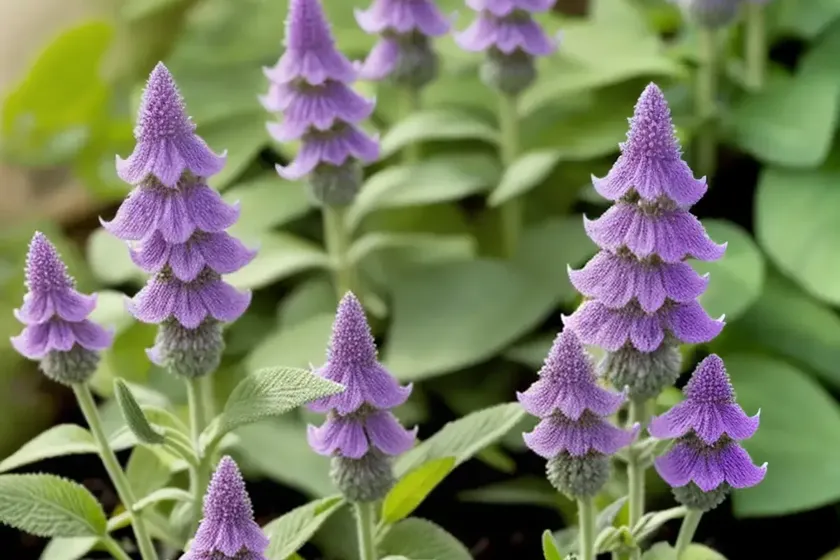
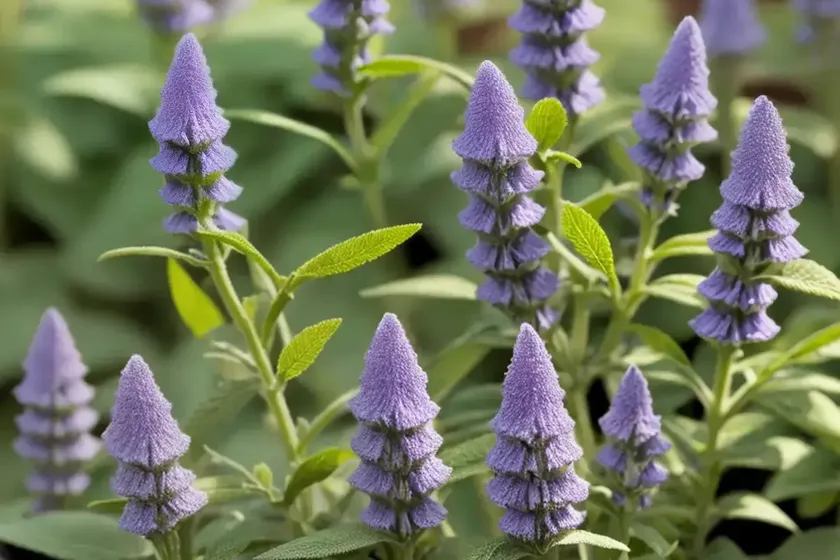
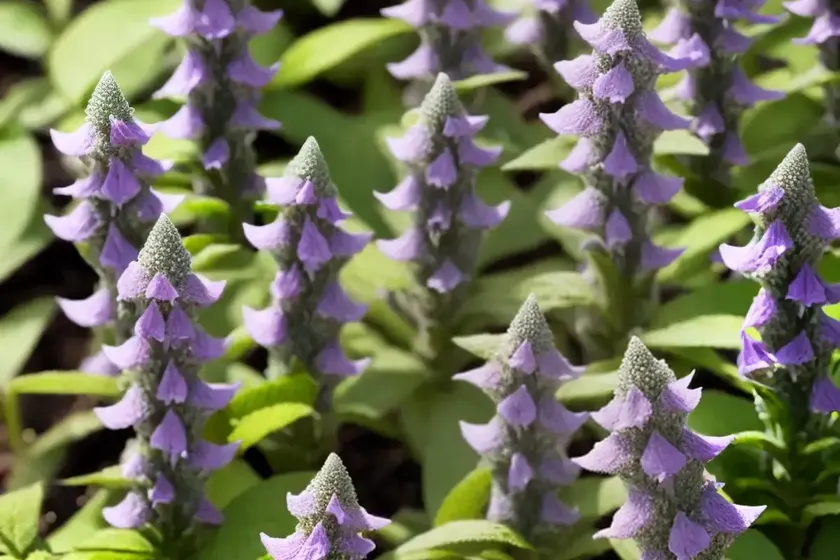
Salvia farinacea, commonly known as Mealy Cup Sage, is a stunning perennial plant that is cherished for its delicate blue flowers and aromatic foliage. The ‘Fairy Queen’ variety is revered for its compact size and extended blooming period, making it a popular choice for gardens, landscapes, and containers. In this comprehensive guide, we will delve into the various aspects of cultivating and caring for Salvia farinacea ‘Fairy Queen’, including its culture, uses, water and sunlight requirements, fertilization, soil preferences, pruning techniques, propagation methods, and common diseases and pests. Additionally, we will explore some fascinating facts, tips from botanists, and valuable resources for further information.
Key Takeaways – Salvia farinacea ‘Fairy Queen’
Before delving into the intricate details of Salvia farinacea ‘Fairy Queen’, let’s highlight some key takeaways regarding the plant:
- Scientific Name: Salvia farinacea ‘Fairy Queen’
- Common Name: Mealy Cup Sage
- Uses: Landscaping, container gardening, herbal medicine
- Water Requirements: Moderate
- Sunlight: Full sun
- Fertilization: Balanced fertilization during the growing season
- Soil Preferences: Well-draining, fertile soil
- Pruning: Regular deadheading to promote continuous blooming
- Propagation: Division, seeds, and cuttings
- Popularity: Widely chosen for its ornamental value
- Common Diseases: Fungal diseases such as powdery mildew and rust
- Common Pests: Aphids, spider mites
- Botanist’s Tips: Promote branching through pinching, prioritize good air circulation
- Fun Facts: Attracts bees, butterflies, and beneficial insects, deer-resistant
Now, let’s embark on a detailed exploration of the various facets involved in nurturing this exquisite plant.
What is Salvia farinacea ‘Fairy Queen’?
Salvia farinacea ‘Fairy Queen’ is a cultivar of the Salvia farinacea species, which belongs to the Lamiaceae family. Originating from Texas and northeastern Mexico, this perennial herbaceous plant is esteemed for its striking display of blue flowers and lance-shaped, aromatic foliage. The ‘Fairy Queen’ variety is known for its dwarf stature, reaching a height of around 12-18 inches, and its profuse flowering habit, making it a favored choice for edging, borders, containers, and mass plantings. The slender spikes of blossoms emerge from late spring to fall, providing a long-lasting burst of color in the garden.
Culture of Salvia farinacea ‘Fairy Queen’
Cultivating Salvia farinacea ‘Fairy Queen’ requires attention to several crucial factors to ensure the plant’s vigor, blooming prowess, and overall health. Let’s delve into the cultural practices that are essential for the successful growth of Mealy Cup Sage.
Water
While Salvia farinacea ‘Fairy Queen’ can withstand periods of drought, it performs best when provided with consistent moisture. However, it is imperative to avoid overwatering, as excessive moisture can lead to root rot and other detrimental conditions. During the growing season, it is advisable to water the plant when the top inch of the soil feels dry. In hotter climates, regular irrigation may be necessary to sustain optimal growth and flowering. During the winter months or in cooler regions, it is important to reduce watering to prevent waterlogged soil.
Sunlight
Mealy Cup Sage thrives in full sun, where it can bask in ample sunlight to fuel its photosynthetic processes and promote abundant flowering. When planted in a location that receives at least 6-8 hours of direct sunlight daily, Salvia farinacea ‘Fairy Queen’ demonstrates robust growth and an impressive floral display. It is essential to ensure that the chosen site for planting offers the necessary sun exposure to support the plant’s development.
Fertilizer
To support the growth and blooming potential of Salvia farinacea ‘Fairy Queen’, a balanced fertilizer can be applied during the growing season. A slow-release or granular fertilizer formulated for flowering perennials can be incorporated into the soil around the base of the plant in early spring. Alternatively, a liquid fertilizer can be administered according to the manufacturer’s instructions throughout the growing period to provide the necessary nutrients for healthy growth and prolific blooms.
Soil
Mealy Cup Sage thrives in well-draining, fertile soil that enables the roots to access moisture and nutrients without becoming waterlogged. A loamy or sandy soil with good drainage properties is ideal for cultivating Salvia farinacea ‘Fairy Queen’. Amending the soil with organic matter such as compost or well-rotted manure can enhance its fertility and structure, contributing to the overall well-being of the plant.
Pruning of Salvia farinacea ‘Fairy Queen’
Pruning plays a pivotal role in maintaining the vigor and floral abundance of Salvia farinacea ‘Fairy Queen’. Regular deadheading, which involves the removal of spent flowers, is essential to encourage the continuous production of blooms. By snipping off the fading blossoms before they set seed, the plant redirects its energy into generating new flowers, prolonging the blooming season and enhancing the ornamental appeal of the plant.
Moreover, pruning can be employed to shape the plant, remove damaged or withered foliage, and promote a bushy, compact form. Trimming back the stems, especially after the flowering period, can stimulate new growth and contribute to the overall aesthetic value of the plant.
Propagation of Salvia farinacea ‘Fairy Queen’
Mealy Cup Sage can be propagated through various methods, including division, seeds, and cuttings, allowing gardeners to expand their collection of these captivating plants. Each propagation technique offers its own set of advantages and considerations, providing flexibility in propagating Salvia farinacea ‘Fairy Queen’ based on specific preferences and conditions.
Division
The division of mature Salvia farinacea ‘Fairy Queen’ plants can be undertaken to create new individuals, rejuvenate established clumps, and manage the size of the plant. This method involves carefully separating sections of the plant with roots intact and transplanting them into prepared sites or containers. Division is typically carried out in early spring before new growth emerges or in the fall when the plant is entering a period of dormancy.
Seeds
Another method of propagating Salvia farinacea ‘Fairy Queen’ is through seeds, which are produced abundantly after the flowering period. Collecting the mature seeds from the dried flowerheads and sowing them in a suitable growing medium can yield new plants with the genetic traits of the parent plant. Germination of the seeds can be facilitated by providing warmth, moisture, and adequate light, enabling the young seedlings to develop and mature.
Cuttings
Taking stem cuttings from healthy, actively growing shoots of Salvia farinacea ‘Fairy Queen’ presents an effective means of producing new plants with identical characteristics to the parent plant. The cuttings are typically obtained from non-flowering stems and rooted in a moist, well-draining substrate under controlled conditions. With proper care and favorable environmental conditions, the cuttings develop roots and transform into independent plants that closely resemble the original specimen.
Uses of Salvia farinacea ‘Fairy Queen’
Beyond its intrinsic beauty, Salvia farinacea ‘Fairy Queen’ offers a range of practical and aesthetic uses that make it a valuable addition to various settings.
Garden and Landscape Ornamentation
The enchanting display of vibrant blue flowers and the compact, tidy growth habit of Salvia farinacea ‘Fairy Queen’ endow it with immense decorative value in garden beds, borders, and landscapes. Whether massed together to create a sea of blue or employed as an edging plant along pathways and borders, this cultivar captivates onlookers with its charming appearance.
Container Gardening
Salvia farinacea ‘Fairy Queen’ flourishes in containers, making it a delightful choice for adorning patios, balconies, and other spaces with limited ground area. The dwarf size and floriferous nature of ‘Fairy Queen’ render it an excellent candidate for container gardening, filling pots and planters with its alluring blue blooms and adding a splash of color to outdoor living areas.
Herbal Medicine
Salvia species, including Salvia farinacea, have been utilized in traditional herbal medicine for their purported medicinal properties. While ‘Fairy Queen’ may share some of the healing attributes associated with Salvia plants, it is essential to consult reliable sources and herbal experts before incorporating the plant into medicinal applications.
Common Diseases of Salvia farinacea ‘Fairy Queen’
Salvia farinacea ‘Fairy Queen’ is generally resistant to most diseases, but it can occasionally be affected by certain fungal diseases that pose a threat to its health and vigor. Recognizing the symptoms and understanding the preventive measures and treatment options for these diseases is essential for safeguarding the well-being of the plant.
Disease Diagnosis
Two common fungal diseases that can impact Salvia farinacea ‘Fairy Queen’ are powdery mildew and rust. Powdery mildew manifests as a white, powdery coating on the leaves and stems, inhibiting photosynthesis and weakening the plant. Rust, on the other hand, is characterized by orange pustules on the undersides of the leaves, leading to defoliation and diminished vitality.
Common Pests Affecting Salvia farinacea ‘Fairy Queen’
In addition to fungal diseases, Salvia farinacea ‘Fairy Queen’ can be vulnerable to infestations by certain pests that jeopardize its health and appearance. Familiarizing oneself with these pests and employing suitable control measures is indispensable for preserving the plant’s resilience and aesthetic appeal.
Pest Identification
Aphids, which are small, soft-bodied insects that congregate on the new growth and undersides of leaves, can damage Salvia farinacea ‘Fairy Queen’ by sucking sap from the plant and promoting the growth of sooty mold. Spider mites, although minuscule, can inflict significant harm by piercing the plant tissues and extracting fluids from the cells, resulting in chlorotic, stippled foliage and diminished vigor.
Botanist’s Tips for Cultivating Salvia farinacea ‘Fairy Queen’
Drawing insights from botanists and horticultural experts can provide invaluable guidance for nurturing Salvia farinacea ‘Fairy Queen’ to its fullest potential. Here are some expert tips that can enhance the success of cultivating this remarkable plant:
- Promote Branching: Pinching or pruning the tips of new growth can stimulate branching and the development of a fuller, bushier plant, amplifying the floral exhibition of Salvia farinacea ‘Fairy Queen’.
- Prioritize Air Circulation: Ensuring good air circulation around the plant through adequate spacing and strategic placement helps prevent the onset of fungal diseases and fosters the overall health of the plant.
Fun Facts about Salvia farinacea ‘Fairy Queen’
Delving into some intriguing and captivating facts about Salvia farinacea ‘Fairy Queen’ adds an element of fascination to the overall appreciation of this enchanting plant.
- Salvia farinacea ‘Fairy Queen’ is known for its magnetism to pollinators such as bees, butterflies, and beneficial insects, contributing to the ecological balance of the garden.
- The aromatic foliage of ‘Fairy Queen’ exudes a pleasant fragrance, enriching the sensory experience of those who encounter the plant.
- Mealy Cup Sage exhibits deer-resistant properties, making it an ideal choice for landscapes where deer are prevalent.
Links to External Resources
For individuals seeking further information and resources related to Salvia farinacea ‘Fairy Queen’, the following links are valuable references for expanding their knowledge and understanding of this captivating plant:
- Royal Horticultural Society – Salvia farinacea ‘Fairy Queen’
- Missouri Botanical Garden – Salvia farinacea
- University of Florida IFAS Extension – Mealy Cup Sage
- North Carolina State University – Salvia farinacea in the Landscape
- Colorado State University Extension – Sage, Salvia
By perusing these resources, enthusiasts and horticulturalists can glean valuable insights, cultivation tips, and research-based information to enrich their understanding of Salvia farinacea ‘Fairy Queen’ and incorporate it into their gardening endeavors.
In conclusion, the allure of Salvia farinacea ‘Fairy Queen’ extends beyond its captivating aesthetic embellishment to encompass its resilience, versatility, and practical uses, underscoring its status as a cherished plant in horticulture. With the knowledge and guidance provided in this comprehensive guide, enthusiasts and gardeners can embark on a rewarding journey of cultivating, admiring, and benefiting from the delightful virtues of Mealy Cup Sage in their outdoor spaces.


